Title 19 Electrical Testing for Commercial Buildings
Keeping commercial buildings safe is not just good business, it is required. In California, Title 19 electrical testing sets the stage for electrical safety inspections and the testing that building owners must understand before something goes wrong. And when something does go wrong, it is rarely because someone “forgot” to follow a rule. It happens because the electrical system changes over time, components age, and equipment gets added or repaired without the right testing trail.
At Kord Electric, we help commercial and industrial facilities and major property buildings stay compliant with clear scheduling, thorough field work, and explanations that make sense. We do not hide behind jargon. Our technicians and expert service staff explain what they find, what it means, and what comes next. So, let us walk through what building owners should know, and do it in plain terms, with just enough humor to keep it human.
What Title 19 covers for commercial and industrial buildings
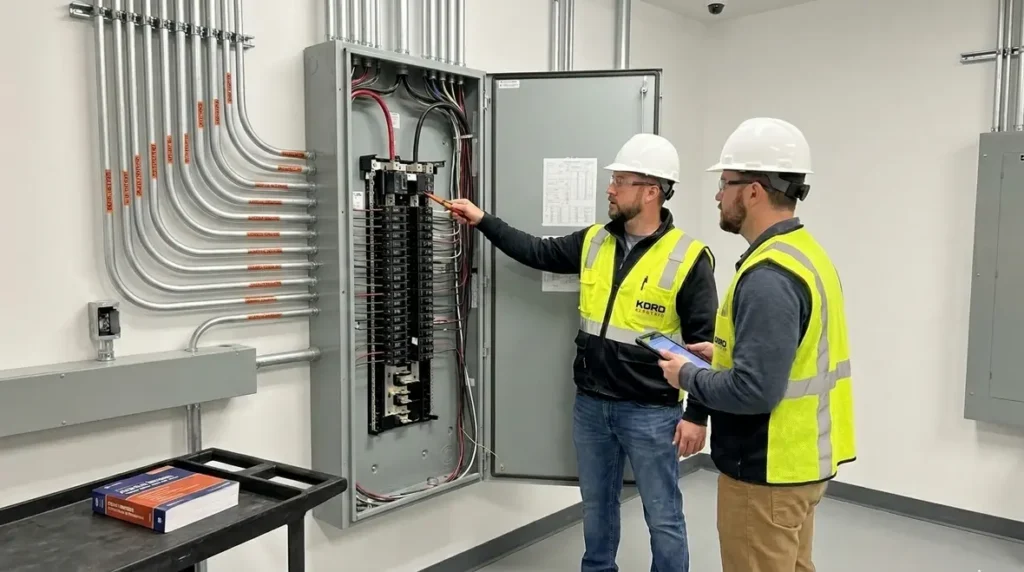
Building owners do not just want a signature on a report. They want proof that the electrical system is safe, reliable, and fit for its use. Title 19 focuses on periodic testing, evaluation, and documentation for electrical systems in areas regulated by California fire and electrical safety expectations. While the exact scope depends on the building type and the systems involved, the intent stays consistent: identify hazards early, verify system performance, and reduce risk to people and property.
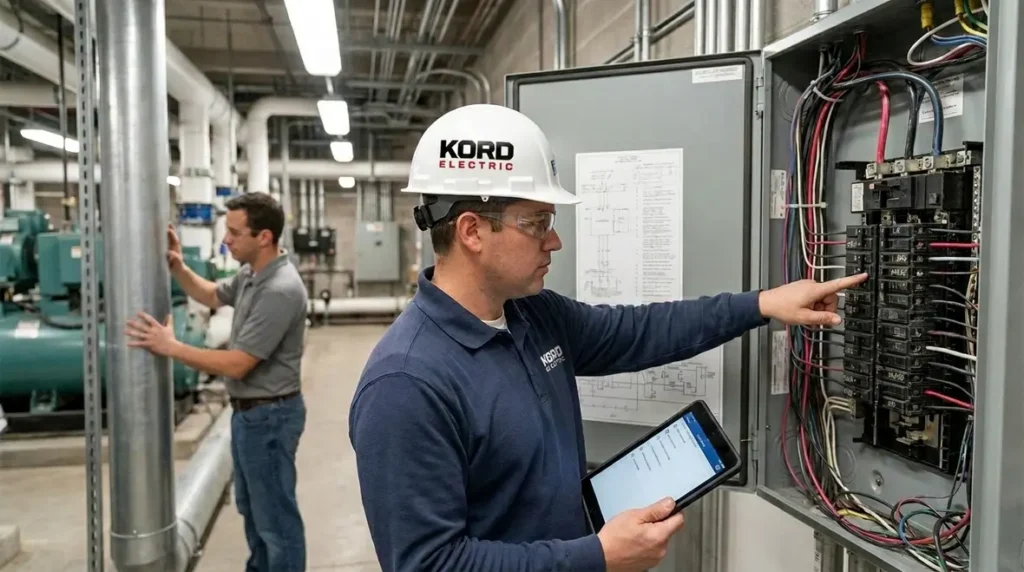
At Kord Electric, we align our testing workflow with the guidance commonly reflected in California compliance resources, including the fire code compliance approach shown in the Kord Fire Title 19 fire code compliance guide. We start by helping owners understand which systems typically drive the compliance process in major property buildings and commercial industrial facilities. That includes switchgear, overcurrent protection, grounding and bonding, panelboards, and other core system components that affect safe operation.
Then, we connect the testing plan to real building operations. For example, a warehouse with frequent dock activity and a facility with heavy motor loads experience stress differently. Therefore, our technicians consider the system realities, not just the paperwork. And yes, paperwork matters. But so does reality, and reality usually shows up with sparks.
Key terms owners hear during testing
If you have ever sat in a meeting where someone says “we tested it” and everyone nods like a group of well trained robots, you know the problem. Owners deserve clarity. Our expert service staff explains key terms so you can make decisions with confidence. We use simple language, and we also translate the technical results into actions.
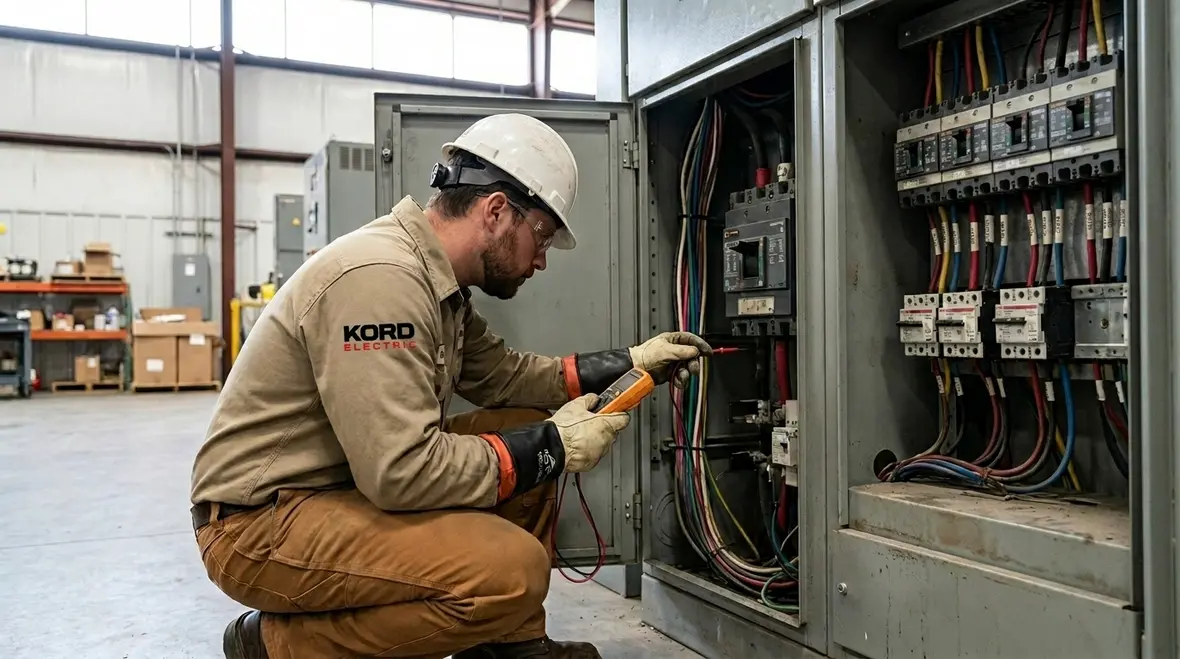
Here are the terms building owners commonly encounter during Title 19 electrical testing conversations, and what they usually mean in practice:
- Inspection: a field review of visible components, wiring methods, labels, terminations, and overall condition.
- Verification: confirming that the system matches design intent and code expectations for safe performance.
- Testing: measuring performance characteristics such as continuity, resistance, insulation condition, and protective device operation.
- Grounding and bonding: ensuring fault paths are properly designed so protective devices act quickly and safely.
- Overcurrent protection: confirming breakers and fuses operate as intended so faults do not linger and escalate.
Because owners manage risk, we also explain what the results imply for ongoing operations. If a reading is borderline, we do not just say “it is okay.” Instead, we help you understand whether it signals a maintenance need, a potential failure point, or a correction before the next operational cycle. Transitioning from “what it is” to “what to do” is where the value sits.
How testing typically happens on site
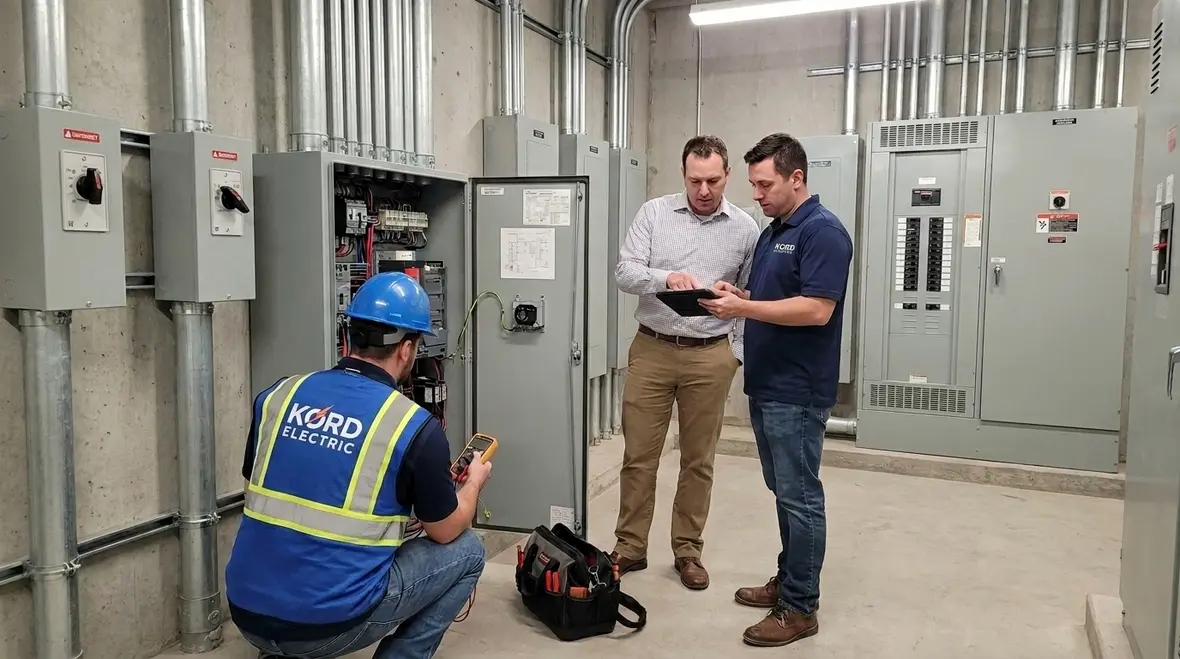
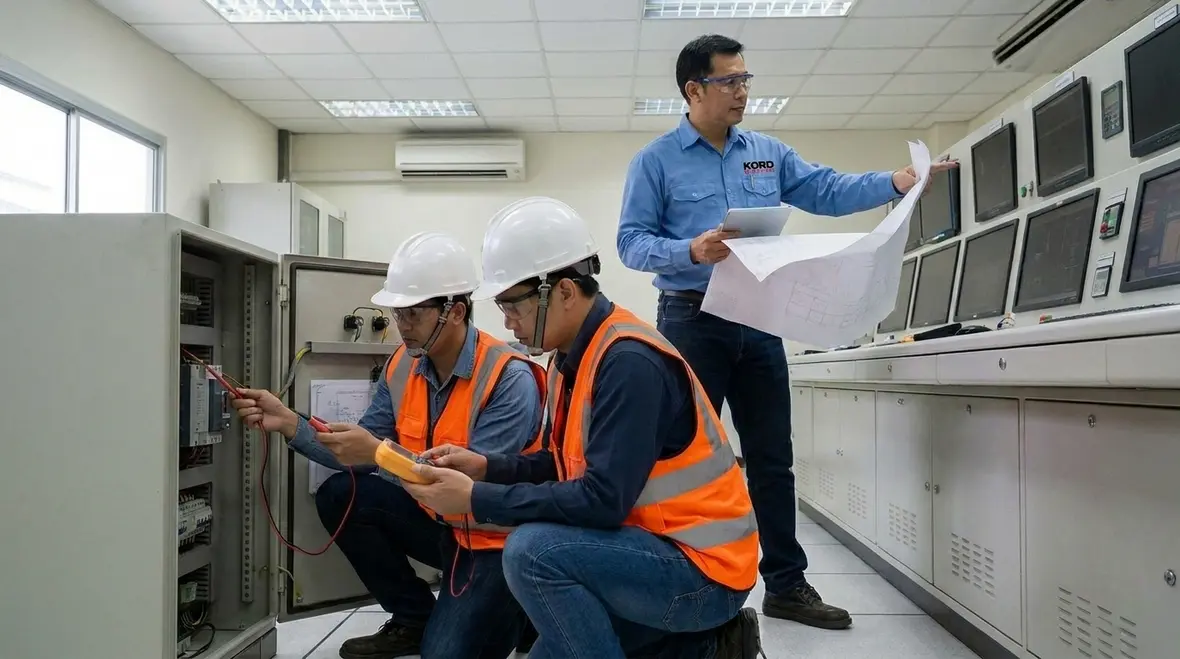
Owners often ask how the work impacts daily operations, and they should. Scheduling matters, especially in commercial and industrial facilities where shutdowns are expensive. Kord Electric plans around how the building runs, and our technicians work with facility managers so the least disruptive approach comes first.
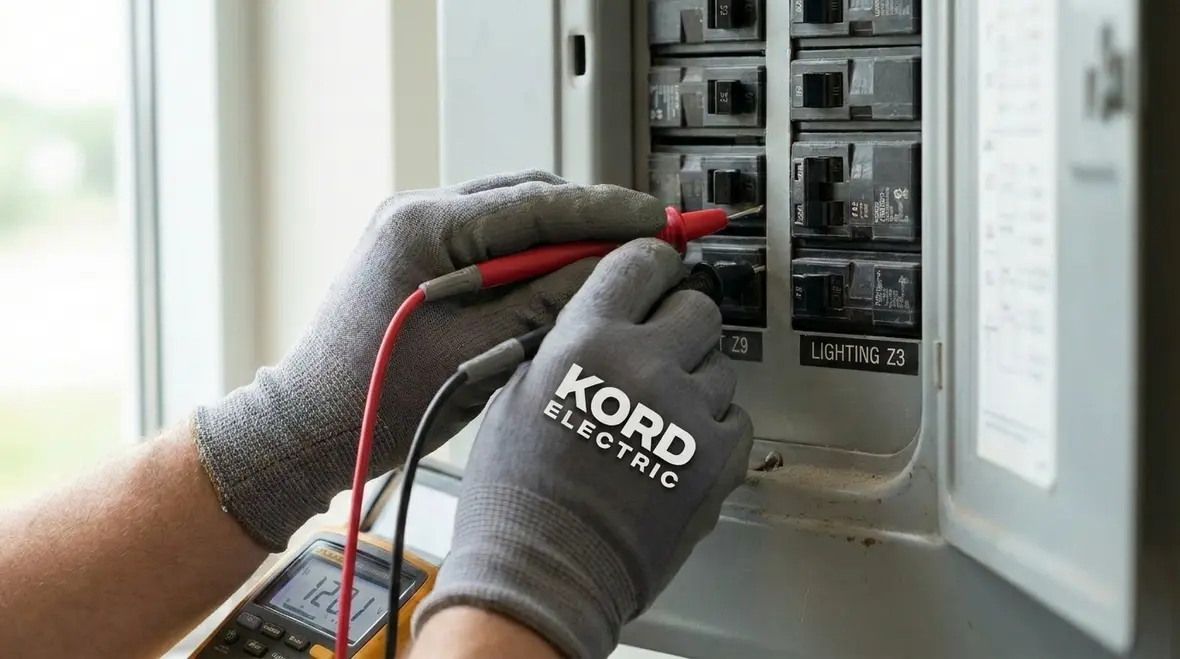
Typically, the process begins with a review. Our team confirms building details, prior records, equipment labels, and known system changes. Next, we perform field inspection and then conduct testing using calibrated tools appropriate for the systems. Meanwhile, our technicians record results clearly and connect them to the tested components, so the report can support compliance and maintenance decisions.
During the work, we also handle the “human parts” that matter. For example, we coordinate access with security and operations. We make sure signage and work areas stay controlled. And we communicate findings as they occur rather than hiding everything until the end. That way, owners are not stuck guessing what happened while the crew disappears into the mechanical room like a mystery movie plot.
Why documentation and labeling matter more than most owners think
In major property buildings, the electrical system does not stay still. Tenants change. Equipment gets added. Repairs happen. Over time, the system evolves, and the paper trail either keeps up or fails. Title 19 electrical testing is not only about measuring performance. It is also about producing dependable documentation that proves the system was checked properly and that the results can guide future actions.
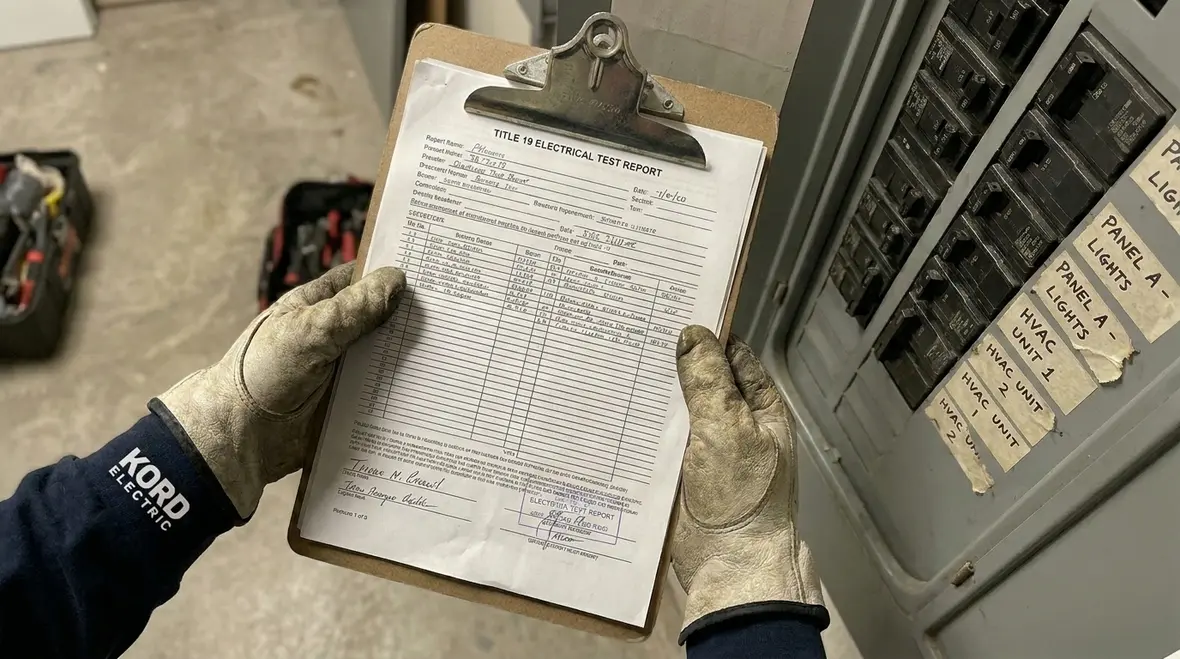
Our approach emphasizes clear reporting that facility teams can actually use. We focus on what was tested, what it measured, where it sits in the system, and what conditions need attention. Then we help owners connect those items to practical maintenance planning. In other words, we help you avoid the classic situation where a report exists, but the next vendor cannot interpret it. That is not compliance. That is a scavenger hunt.
Also, documentation supports more than compliance. It improves operational continuity. When an electrical issue arises, maintenance teams can locate tested components, understand prior conditions, and respond faster. And when insurers, authorities, or property stakeholders review records, well organized documentation reduces friction and delays.
Because Title 19 electrical testing involves ongoing evaluation, owners benefit when reports remain consistent across cycles. Kord Electric keeps reporting structured so future tests build on past results, not reinvent them.
Common risks we help owners prevent
Electrical risks do not announce themselves with a trumpet. They develop quietly, and then they show up as repeated breaker trips, nuisance failures, overheating events, or fault conditions that do not respond correctly. For commercial and industrial facilities, these issues can stop operations, increase repair costs, and create serious safety concerns.
Our technicians focus on areas where risk grows over time. That can include:
- Loose or damaged connections that can create heat and degrade performance.
- Inadequate grounding and bonding that can slow fault response and increase danger.
- Protective device mismatch or deterioration that can prevent the system from clearing faults quickly.
- Wear on components due to vibration, load cycles, moisture exposure, or aging.
Furthermore, we help owners link results to maintenance and upgrade decisions. Some findings require immediate correction. Others call for planned work before the next major operational cycle. Either way, our team explains the “why,” not just the “what.” We know owners want to protect people and assets, not just survive an inspection.
And if you think “that sounds dramatic,” remember: electricity does not care about our jokes. It cares about conductors, connections, and time.
Building owner responsibilities and how we support them
Owners carry the responsibility to ensure that testing and compliance expectations are met for their buildings. That includes coordinating access, keeping equipment information up to date, and planning for corrective actions when tests identify concerns. It also includes making sure the right systems get covered, based on building use and the electrical infrastructure present.
Kord Electric supports owners from the start. We help clarify what needs attention, then we propose a practical testing plan aligned with operational realities. Our expert service staff discusses timing, scope, and outcomes in a way that facility teams can act on. Moreover, we help owners avoid last minute scrambles by building a schedule that fits around tenant activity, production needs, and building access limitations.
For many commercial and industrial operations, the right path is not a single test event. It is a cycle of evaluation, documentation, maintenance follow up, and re verification. Therefore, we treat compliance as a program, not a one time event. That perspective reduces surprises and builds steady progress.
If your facility upgrades major lighting, production, or distribution equipment, pairing that work with a structured electrical review and Title 19 electrical testing helps keep everything aligned. For example, when you modernize high bay lighting or install new distribution for large machinery, coordinating with services like Kord Electric’s commercial and industrial lighting installation while planning compliance testing can streamline both safety and performance.
FAQ: Title 19 electrical testing for commercial facilities
Conclusion: get ahead of compliance before it becomes a fire drill
Compliance is easier when owners plan early, stay organized, and verify electrical safety on a reliable schedule. Kord Electric supports commercial and industrial facilities and major property buildings with thorough testing, clear documentation, and technicians who explain results in plain language. If you want a compliance path that reduces surprises and protects operations, reach out to us. We will help you understand scope, schedule field work, and plan corrective action when needed. Let us make the next inspection feel calmer, not like a late meeting you forgot was on the calendar.
If your building also needs guidance on the fire protection side of compliance, pairing electrical testing with resources like the California Title 19 fire code compliance guide and coordinated service support keeps both sides of the safety equation aligned.
For commercial and industrial facilities planning broader upgrades or new construction, Kord Electric’s lighting installation services for commercial and industrial properties integrate well with preventive maintenance and Title 19 electrical testing, helping owners modernize systems while keeping compliance front and center.