California Title 24 Electrical Code Guide
California Title 24 electrical code sets the safety and energy rules that shape how we design, install, and verify electrical systems in commercial and industrial buildings. In the first place, we treat it as a practical playbook, not a stack of paperwork. Our team at Kord Electric supports property owners and facilities managers by explaining what California Title 24 electrical code requires, why it matters, and how it affects real jobsite decisions. When we talk with others in the field, we often hear the same concern: “We have electricians, but do we have code clarity?” That is where our experienced service staff steps in, slow and steady, like a seasoned drummer keeping the whole project on time. Also, yes, we do sometimes laugh at the idea that a regulation could be “boring,” because once you see what it prevents, it becomes pretty exciting.
What California Title 24 electrical code governs for commercial sites
Most commercial and industrial properties must meet strict electrical and energy standards that connect safety to efficiency. Title 24 does not just tell people what to install. It influences how systems perform across lighting, controls, and power use, and it forces the building to meet documented requirements. Therefore, we start by reviewing the project scope, the building use, and the applicable energy code paths. Then we map the electrical design to what the code expects during inspections and commissioning.
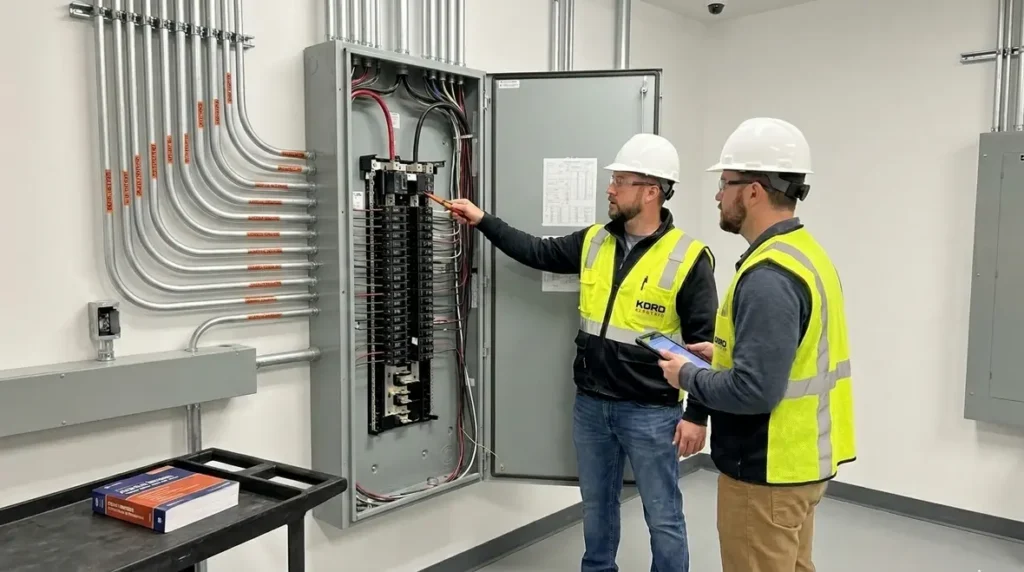
In practice, our technicians follow a disciplined workflow. First, we verify the project documents. Next, we check equipment listings, conductors, raceways, and grounding methods. After that, we align controls and device behavior with the compliance plan. Meanwhile, our expert service staff explains each step in plain terms to the people who actually have to make decisions, not just the ones who sign the forms.
If you want a deeper dive into how lighting-specific rules interact with the broader California Electrical Code lighting requirements, you can pair this guide with Kord Electric’s detailed overview in their California Commercial Lighting Code Guide for 2026. That article zooms in on lighting layouts, controls, and documentation so your Title 24 strategy lines up with what inspectors expect on real projects.
How lighting controls and compliance move together
Lighting is where many facilities feel Title 24 most directly, because the code often targets how lights respond to occupancy, daylight, and scheduling. As a result, designers and contractors cannot treat lighting control as an afterthought. We help others avoid that classic “we will figure it out later” mistake, which is popular in every TV show where the deadline always arrives on a cliffhanger.
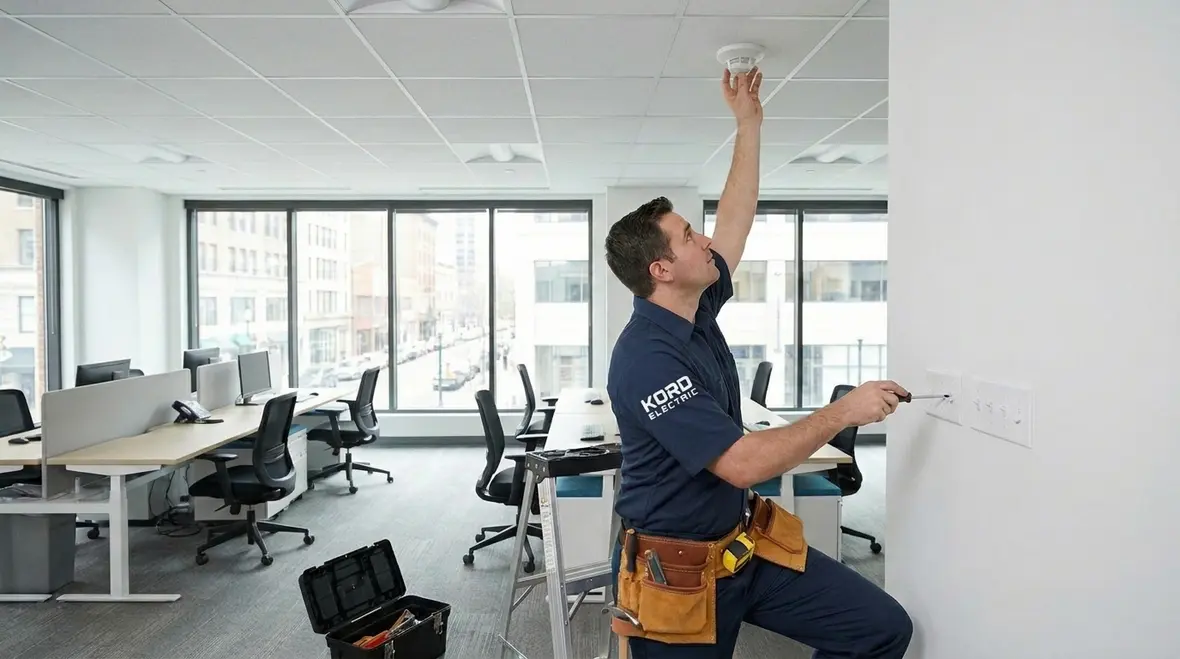
For commercial spaces, we support correct control strategies that match the intended use. We verify that occupancy sensors cover the right zones, that switching behavior matches the schedule plan, and that daylight controls operate the way the compliance documents describe. Then, we confirm the wiring and device configuration match the design. Finally, we coordinate with the inspection and documentation process so the system does what it is supposed to do, not just what it is drawn to do.
Because lighting retrofits and new installations often happen in the same breath, many facilities teams also compare this guide with Kord Electric’s California Title 24 Lighting Retrofit ROI Guide. Together, they help you connect what the code requires, how your controls should behave, and what kind of financial return you can expect when the system runs the way Title 24 assumes it will.
Electrical safety essentials that inspections look for
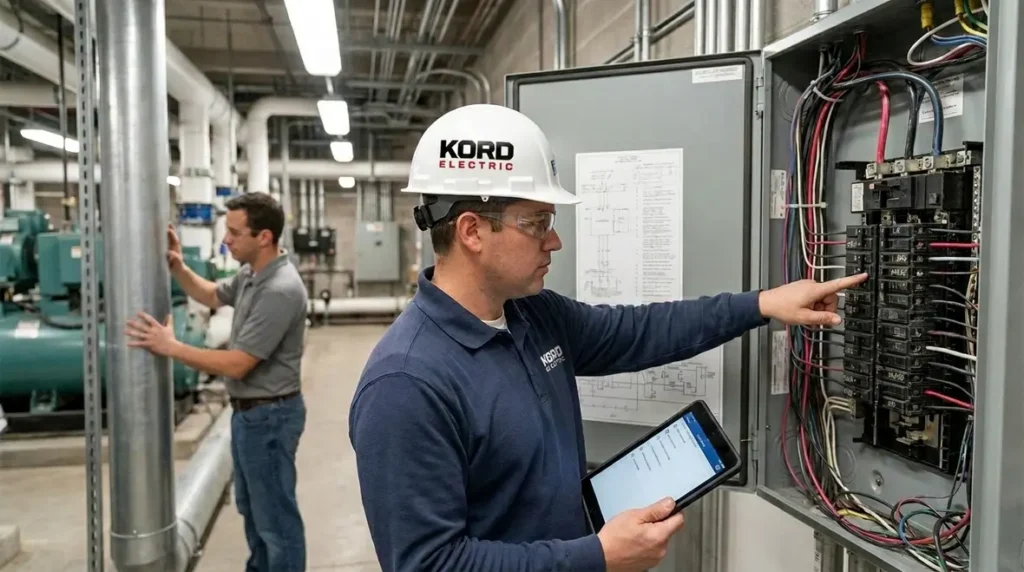
Beyond energy performance, electrical safety remains the foundation. We see inspectors focus on fundamentals that reduce shock and fire risk. Therefore, we verify proper grounding and bonding, correct conductor sizing, and safe installation practices. We also check that raceways and cable assemblies maintain required protection where the environment demands it.
Our technicians approach safety checks with a clear mindset: if we cannot explain it, we do not install it. This matters in commercial and industrial work because a system often supports critical processes. If something is inconsistent, the risk grows fast. Also, even when the installation “works,” a small error can create long term problems like overheating, nuisance trips, or equipment damage.
When we walk through these points with our clients, our expert service staff keeps the conversation calm and clear. They explain the difference between a quick fix and a compliant method. They also help property teams understand what documentation should exist, so the facility does not scramble later when questions appear.
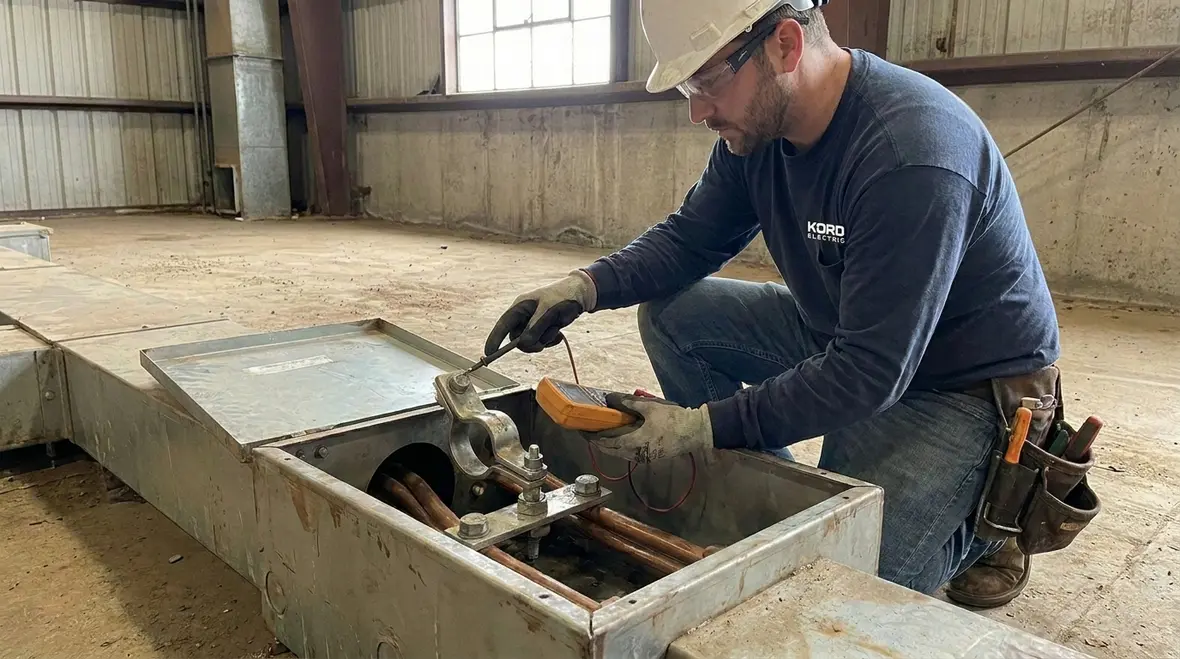
If your building is older or has seen multiple rounds of upgrades, pairing Title 24 reviews with a structured risk assessment based on Kord Electric’s Hidden Electrical Risks in Commercial Buildings can help uncover issues behind walls and in panels before they collide with code enforcement or unplanned outages.
Who verifies performance and why commissioning matters
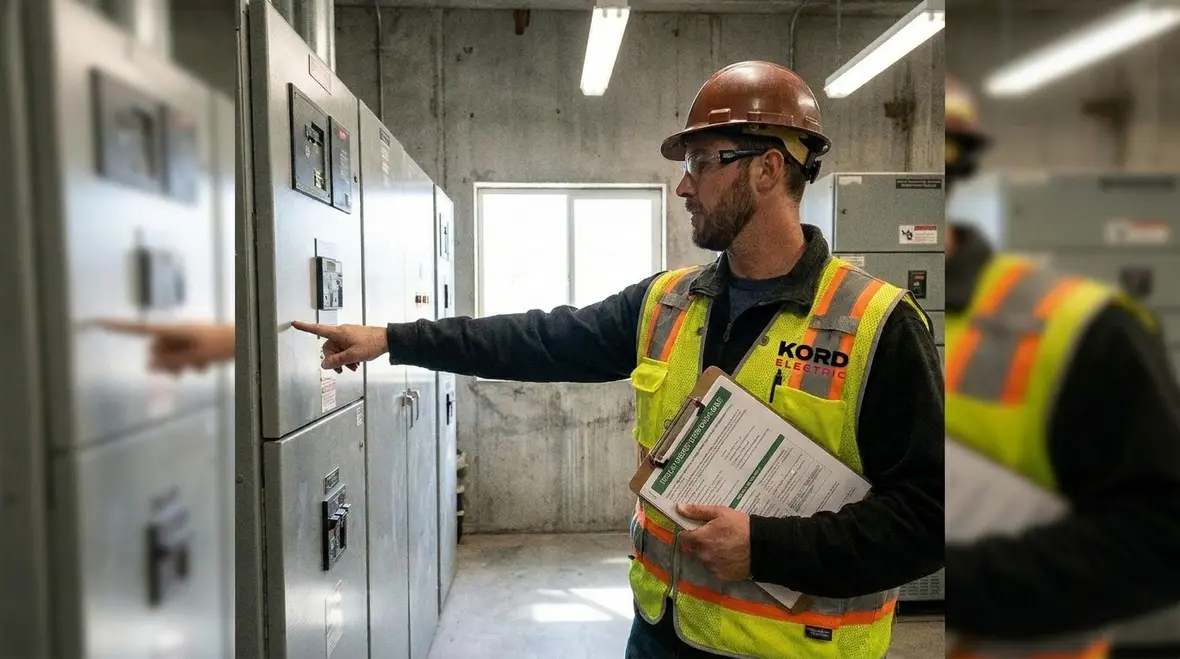
Compliance does not stop when power gets turned on. Many commercial projects require commissioning steps that validate performance and document that systems operate as intended. This is where our process becomes more than installation. We coordinate verification with stakeholders, and we confirm that control sequences, panel labeling, and system behavior align with the compliance plan.
During commissioning, we confirm that lighting controls respond correctly to occupancy schedules and that any power related control behavior meets requirements. We also check that the system maintains safe operation under normal facility conditions. For industrial sites, where process continuity matters, we treat commissioning like a protective layer. Instead of guessing whether the system will behave later, we validate it before the building fully operates.
Then we document findings in a way that supports the project closeout. We do this because facilities do not just need a system. They need proof that it was built and tested with the rules in mind.

For facilities that want commissioning and ongoing reliability to work together, Kord Electric’s Electrical Preventive Maintenance programs extend this mindset into day-to-day operations. That way, Title 24 compliance is not a one-time event; it becomes part of how you care for critical electrical infrastructure year after year.
Common compliance challenges in commercial and industrial buildings
We regularly see a handful of predictable issues that slow down projects or create rework. First, design drawings may not match the final equipment selections on site. Second, control wiring may shift during coordination, leading to sequences that fail verification. Third, teams sometimes lose track of zoning boundaries for lighting and controls, especially when tenants change or spaces get retrofitted.
Next, documentation can become messy. People assume they will “collect the paperwork later,” but code compliance punishes that habit. We help prevent it by keeping a clear chain of review from design through install through commissioning. Meanwhile, our technicians and expert service staff conduct checks that catch gaps early, when correction takes hours not days.
Also, facilities teams sometimes worry about disruption. We understand the reality of running operations while electrical work happens. Therefore, we plan work around schedules, coordinate shutdown windows, and make sure the right people know what to expect. Our goal stays simple: finish the job safely, meet compliance requirements, and keep the facility moving.
Using lighting upgrades to solve code problems instead of creating them
Many Title 24 headaches show up when teams are in the middle of lighting work. Choosing fixtures, designing control zones, and coordinating ceiling access can either tighten compliance or unravel it. When your project involves recessed or high-bay fixtures, for example, having a plan built around code requirements and safe installation practices is essential.
If your facility is planning a lighting changeout, Kord Electric’s dedicated Recessed Lighting Installation service shows how professionally designed layouts, proper wiring methods, and careful commissioning can support California Title 24 electrical code compliance while also improving visibility and long term operating costs.
Planning for the next project without code surprises
When teams plan early, they reduce risk and cost. We recommend starting with a clear compliance strategy that reviews the building use and the scope of electrical systems. Then we connect the strategy to equipment submittals, wiring plans, and control logic. After that, we align inspection and documentation steps so you do not chase missing items at the end.
In addition, we help property teams understand how changes during construction affect compliance. A small alteration to lighting zones or control placement can ripple into verification results. Therefore, we maintain a structured communication flow so decisions stay consistent across stakeholders. Our expert service staff plays a key role here, because they explain the “why” behind each rule in a way that reduces confusion. If someone else must approve a change, we make sure they understand the impact before it becomes a costly redo.
Connecting California Title 24 electrical code to long term facility strategy
California Title 24 electrical code is not just a hurdle for the current job; it shapes how your facility evolves. Decisions about rewiring, service upgrades, and major lighting changes all interact with Title 24 expectations. When leaders treat the code as part of a multi-year reliability plan, they can coordinate projects, budget cycles, and operational windows more effectively.
If your building is starting to show its age, Kord Electric’s Rewiring Cost Guide for Commercial Electrical Systems offers a complementary look at how large-scale electrical upgrades can support safety, capacity, and code compliance across your entire infrastructure, not just the lighting branch circuits.
FAQ about California Title 24 electrical code for commercial properties
What happens if we change equipment after design approval?
Changes can affect compliance outcomes if they alter device function, control behavior, or wiring intent. Therefore, we review any substitution quickly and confirm it still meets the California Title 24 electrical code requirements for performance and documentation. When we do this early, the project stays on track, and you avoid the kind of last minute surprise that makes project managers age five years in a week.
Final thoughts and next steps with Kord Electric
If you run a commercial or industrial facility, you need electrical work that meets California Title 24 electrical code requirements without chaos. At Kord Electric, our technicians and expert service staff help you plan, install, verify, and document electrical and lighting control systems with a calm, methodical approach. If you want fewer rework days and smoother inspections, reach out to us now. We will review your scope, outline the key compliance steps, and build a practical path forward. Call Kord Electric today and let’s get your project to a safe, compliant finish.
When your next project moves from planning to real construction, it often helps to anchor your scope to a clearly defined service. For many facilities, that means starting with focused offerings like Recessed Lighting Installation for new or renovated ceilings, or building a long term maintenance and compliance roadmap through Electrical Preventive Maintenance. Both paths keep California Title 24 electrical code at the center of the work, so every fixture, control, and circuit supports the bigger compliance picture.