Title 24 Lighting Control Systems for Commercial Buildings
At Kord Electric, we see energy waste the way others see dust under a couch: slow, quiet, and somehow always there. That is why we install Title 24 lighting control systems for commercial and industrial facilities, including major property buildings. These systems help teams cut unnecessary lighting use, reduce peak demand, and keep compliance handled without the usual headache. And yes, our technicians explain the details in plain language, because no one should need a degree in electrical design just to change a schedule. Drawing from our experience with data center electrical infrastructure and building reliability, we also build controls that work with real people, real spaces, and real operating schedules.
How Title 24 compliant lighting controls reduce wasted energy
Title 24 compliant lighting controls save energy by making lighting respond to the way space actually gets used. Instead of leaving lights on “just in case,” the controls dim, turn off, and manage lighting levels based on occupancy, daylight, and time schedules. As a result, facilities stop paying for light that no one needs.
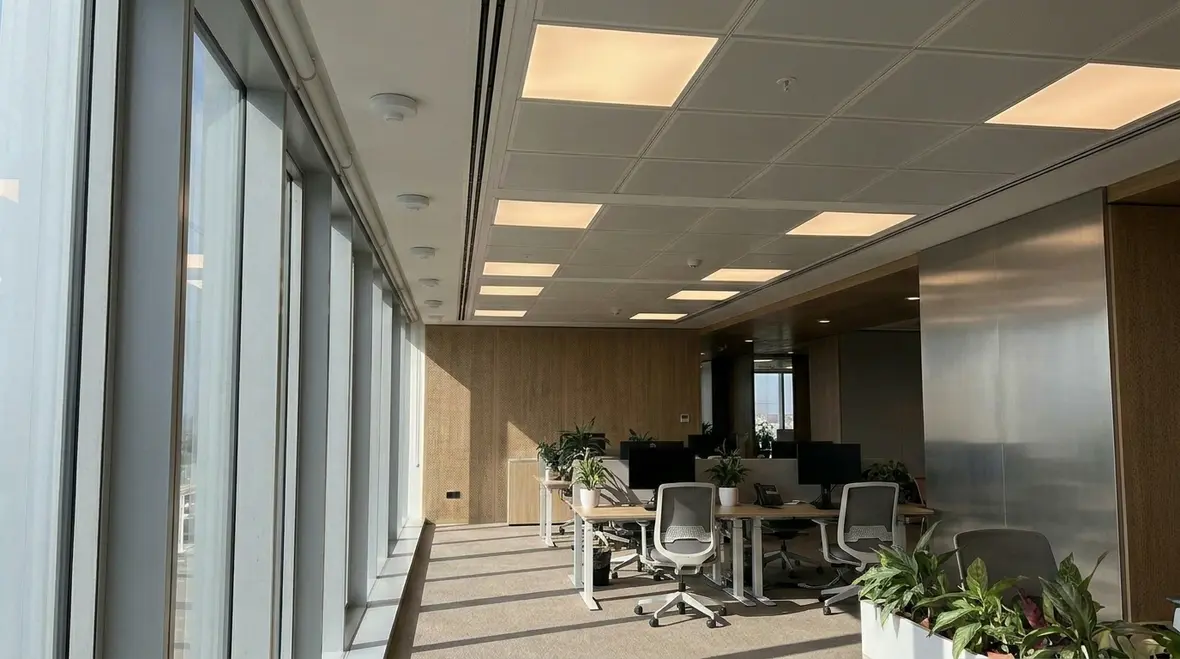
Here is the practical part. In many commercial and industrial buildings, the biggest losses do not come from dramatic mistakes. They come from steady habits. Lights run at full output during low use hours. A warehouse stays illuminated long after the shift ends. Offices keep bright levels even when sun light already does the job. Therefore, when Title 24 lighting control systems are properly designed and commissioned, they tighten the whole chain from sensor to switching to dimming logic.
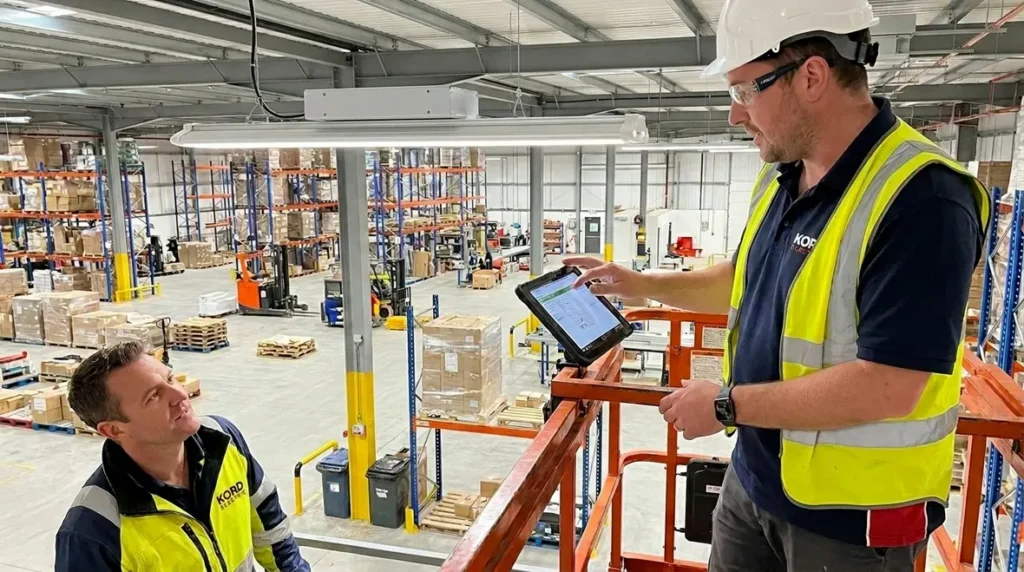
Moreover, our expert service staff and field technicians at Kord Electric do not just install equipment and leave. They also verify that controls match the building’s workflow. For example, they review schedules with facility managers, confirm occupancy patterns, and check daylight response in areas with windows. In other words, we make the system behave like a smart building, not a stubborn spreadsheet.
To keep long term performance in line with today’s code requirements, we also help commercial teams connect lighting controls with broader compliance planning. For facility leaders who want a deeper dive into infrastructure strategy, we often point them to our resource on data center electrical infrastructure essentials at Kord Electric’s data center electrical infrastructure essentials guide, which highlights how reliability thinking applies across major properties.
Key strategies for optimizing efficiency in commercial spaces
Efficiency comes from multiple layers working together. So, we focus on a set of strategies that reduce energy use while keeping lighting quality stable for occupants and processes.
- Occupancy sensing with smart zoning. We design zones so sensors cover real activity areas, not random corners. Then we set response times that avoid flicker and keep safety in mind.
- Daylight harvesting. Where daylight exists, controls dim electric light to maintain target levels. This reduces energy without making the space feel dim or inconsistent.
- Scheduling that matches operations. We align time schedules with shift work, cleaning cycles, deliveries, and weekend operations. If the building changes, the lighting plan should change too.
- Demand-friendly control behavior. We help facilities reduce peak load by using staged control sequences and sensible dimming steps.
Then, we document the design intent so the building team knows why settings exist. That matters because controls often get modified later by people who were not involved in the original commissioning. And while we trust our clients, we also know that someone will eventually ask, “Can we just turn it up?” Like a movie franchise that keeps getting reboots, lighting control changes can repeat. We help prevent the unnecessary drama.
For property teams navigating California’s evolving standards, we also map these strategies back to statewide requirements. Our article on commercial lighting compliance in California breaks down how Title 24 ties occupancy sensors, daylighting, and scheduling together so you are not guessing during design or inspection.
What our technicians check during commissioning and verification
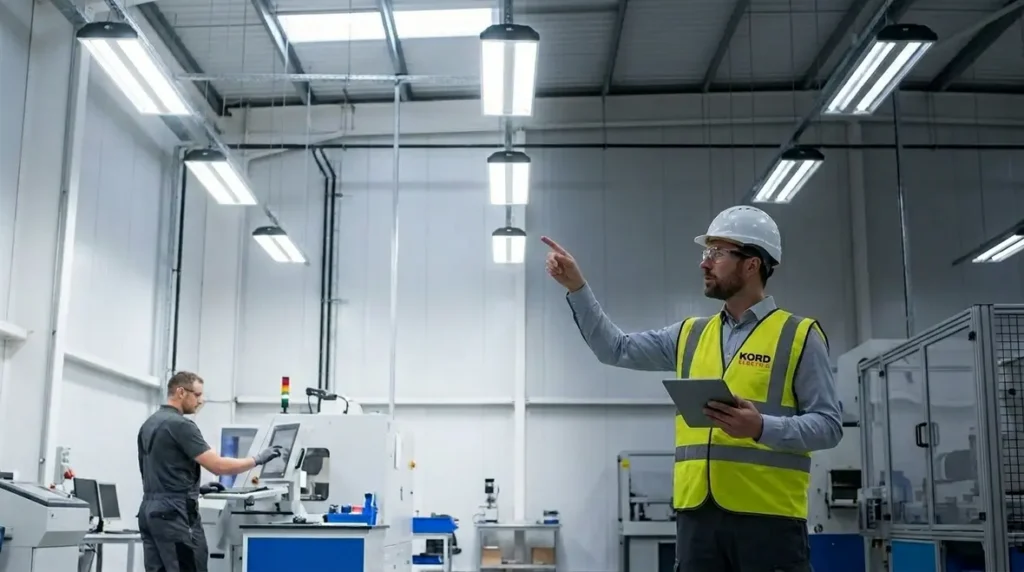
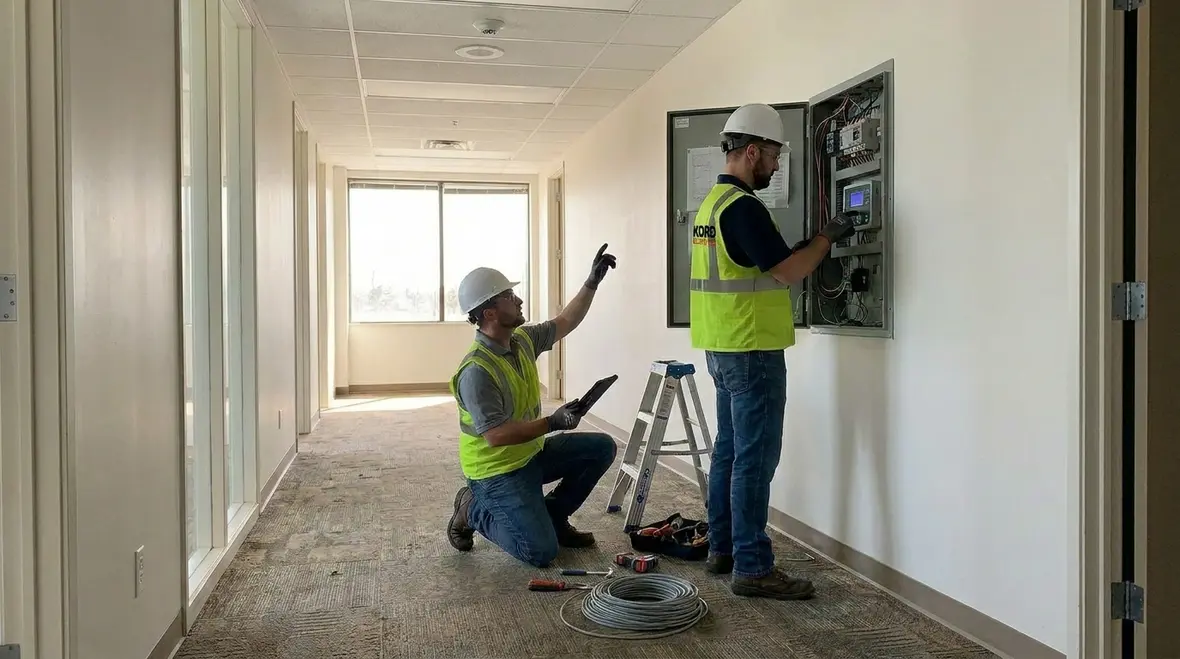
Even the best equipment cannot save energy if it operates the wrong way. Therefore, Kord Electric puts strong attention into commissioning and verification. Our technicians walk the space, test sensor coverage, confirm dimming response, and verify that control sequences follow the design.
First, we confirm wiring and device mapping. Then, we validate control logic. For instance, we check that occupancy triggers return lights to proper levels, and that vacancy shutoff works consistently. Next, we verify that daylight sensors actually correlate with the space layout, and that sun light does not confuse the system by saturating the readings.
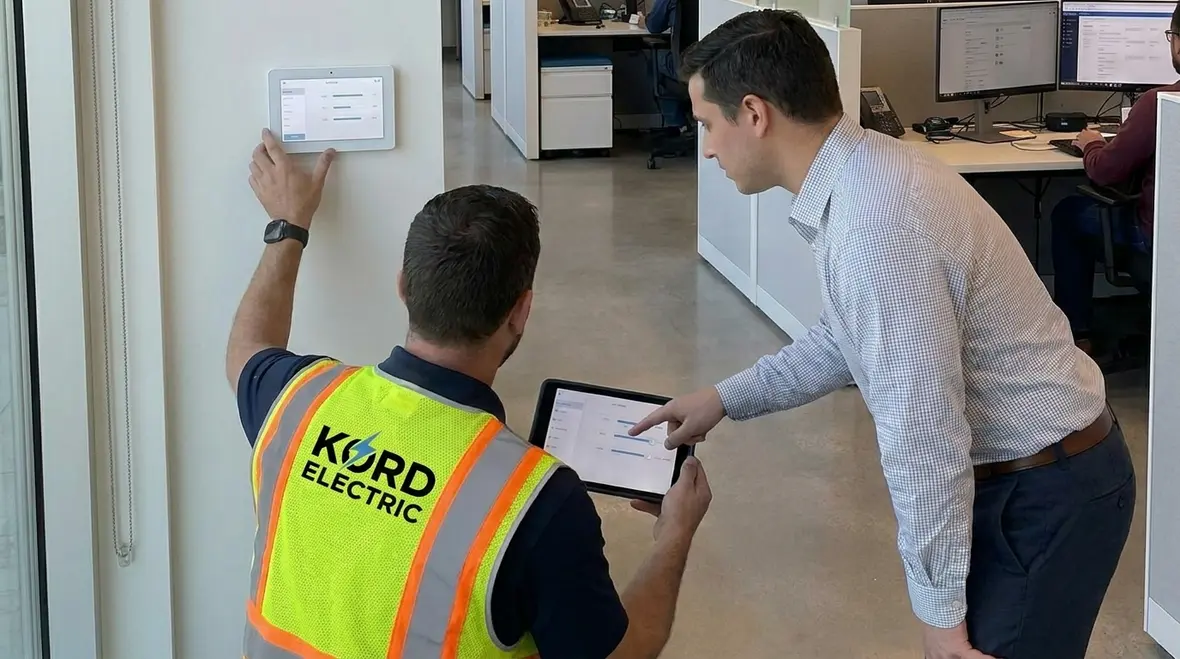
Additionally, we train the facility team. Our technicians explain how to adjust schedules, how to interpret indicator feedback, and how to handle common situations like tenant changes, new equipment, or altered furniture layouts. When we do this well, the building keeps performing months later, not just on the day of installation.
For facilities that want commissioning tied to a broader reliability strategy, we often fold lighting verification into larger electrical maintenance plans. That way, Title 24 lighting control systems become part of a coordinated program instead of a one-time project update.
Where energy savings show up fastest in major property buildings
Large buildings often hide energy waste in plain sight. As occupancy patterns shift, lighting that once made sense can become a steady cost. In major property buildings, we frequently see the strongest savings in the following areas:
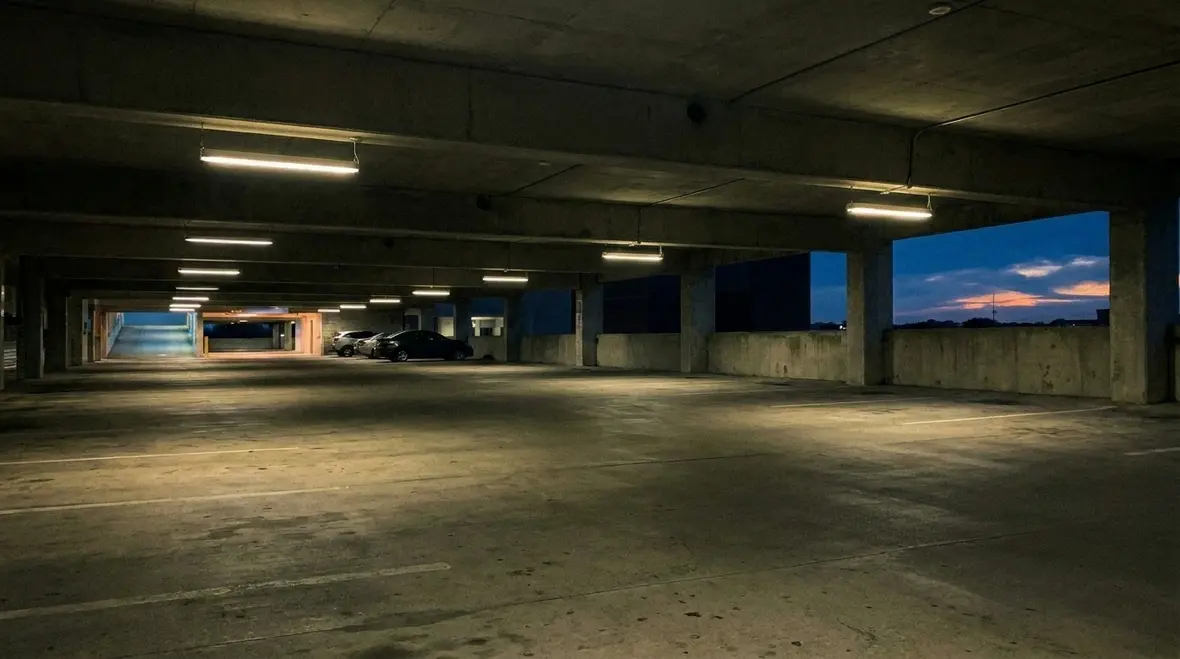
- Parking structures and exterior walkways. Controls reduce lighting during low use hours while maintaining safety coverage.
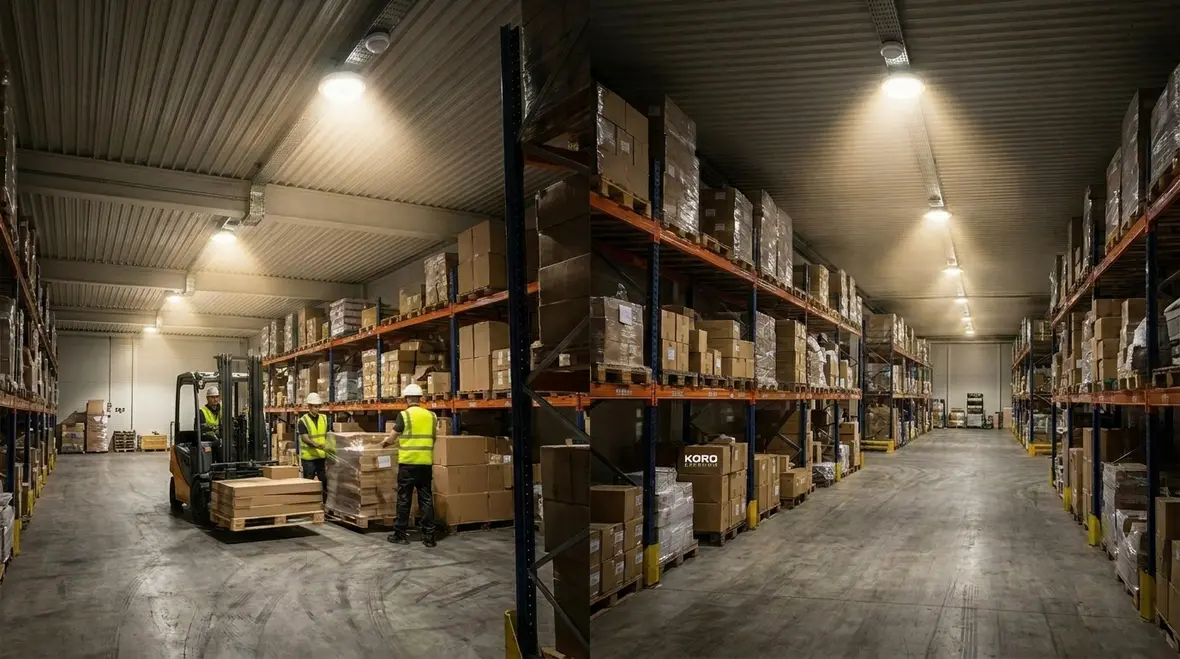
- Warehouses and distribution areas. Occupancy and scheduling can cut long after-hours runtime without sacrificing visibility during active periods.
- Corridors, stairwells, and common paths. Vacancy shutoff and smart zoning lower energy use with minimal impact on traffic flow.
- Conference rooms and training areas. Occupancy sensing avoids lights staying on during forgotten meetings, which, yes, happens.
- Office zones with daylight exposure. Daylight harvesting reduces energy while keeping the work plane comfortable.
To make savings real, we also consider how the building’s electrical infrastructure supports the controls. We have applied similar reliability thinking from our work in data center electrical infrastructure essentials, where stability, coordination, and clear documentation matter. Lighting controls do not operate in isolation, and therefore we coordinate the approach so the lighting system does not fight the rest of the site.
In California, those savings often intersect directly with code-driven strategies. If your team is planning upgrades that may trigger new inspections, our California commercial lighting code guide for 2026 can help you line up expected requirements with practical control options before you ever submit plans.
Balancing compliance, lighting quality, and long term maintenance
Some teams treat compliance like a checkbox. We do not. We treat it like an operating standard. When Title 24 lighting control systems meet code requirements and still keep lighting quality high, facilities gain value beyond energy savings.
Lighting quality includes evenness, stable brightness, and comfort. If controls dim too aggressively or restore light too slowly, occupants notice fast. That is when teams start overriding settings and the savings quietly disappear. So we tune the response behavior. We set target levels and dimming curves that maintain a consistent experience.
Then comes maintenance. Sensors drift, schedules get changed, and building use shifts after renovations. Consequently, we recommend periodic checks, especially after tenant improvements or HVAC and occupancy behavior updates. Our expert service staff helps clients keep performance steady without turning maintenance into a weekly chore.
Many facility teams pair these tune-ups with structured service plans so lighting stays aligned with other electrical priorities. For example, integrating Title 24 lighting compliance checks into broader electrical preventive maintenance programs allows property managers to tackle reliability, safety, and energy performance in the same visit.
Choosing the right control design for your facility’s workflow
Every commercial and industrial facility has its own rhythm. Some run in two shifts. Some run five days a week. Others change patterns for seasonal demand. Therefore, the right design starts with the workflow, not the catalog.
Kord Electric gathers details like operating hours, expected occupancy density, equipment heat and process requirements, and daylight exposure. After that, we plan zones and control actions that fit the space. As a result, we avoid over zoning that adds complexity, and we avoid under zoning that leaves energy on the table.
We also consider how lighting connects to other building goals. For example, we support designs that reduce peak load and improve operational control. If you want the most savings, you need more than “turn off when empty.” You need smart behavior that respects how people work and how the site runs.
And yes, we know facilities managers have enough to manage already. Our job is to simplify lighting control outcomes, not create a puzzle. When our technicians explain how the system works, it feels less like a lecture and more like someone finally fixing the remote that never worked.
For projects that combine new fixtures with controls, commercial teams often coordinate Title 24 lighting control systems with broader lighting installation services. That way, fixture selection, control zoning, and code documentation move together instead of in separate silos.
FAQ
Ready to cut lighting costs without cutting corners
If your facility pays for lights that stay on too long, Kord Electric can help you optimize performance with code compliant design and strong commissioning. Our technicians and expert service staff explain the system clearly, verify real-world operation, and help you maintain steady results over time. Contact us today to review your spaces, lighting zones, and schedule needs, and then build a control plan that saves energy while keeping lighting quality high.
For property teams that want lighting controls aligned with a larger reliability strategy, our electricians can integrate Title 24 compliant upgrades into structured commercial and industrial preventive maintenance services. This keeps your lighting control, distribution equipment, and life safety systems moving in the same direction instead of on separate timelines.