Troubleshooting Commercial Electrical Voltage Issues
Kord Electric helps commercial and industrial facilities handle Troubleshooting commercial electrical voltage issues before they turn into a full blown “why is everything blinking” situation. In the first place, we see voltage fluctuations show up as flickering lights, warm motors, nuisance tripping, or sensitive equipment behaving like it had one too many cups of coffee. Then the building staff starts guessing. “Is it the utility?” “Is it our UPS?” “Is the weather playing tricks?”
Here is the calm truth, and our expert service team explains it the same way every time. Voltage swings rarely happen for one reason. They usually show up when supply, load, wiring, protection, or grounding drift out of balance. And when we do Troubleshooting commercial electrical voltage issues correctly, we stop the fluctuation at the source, not by throwing parts at the problem.
1. What voltage fluctuation looks like in commercial buildings
In many commercial and industrial sites, the symptoms arrive quietly first. However, once equipment notices the change, the building pays the price. Common signs include lights that brighten and dim, HVAC drives that fault, compressors that run hotter, and control panels that reset. In addition, some facilities notice data racks restarting or charging stations slowing down.
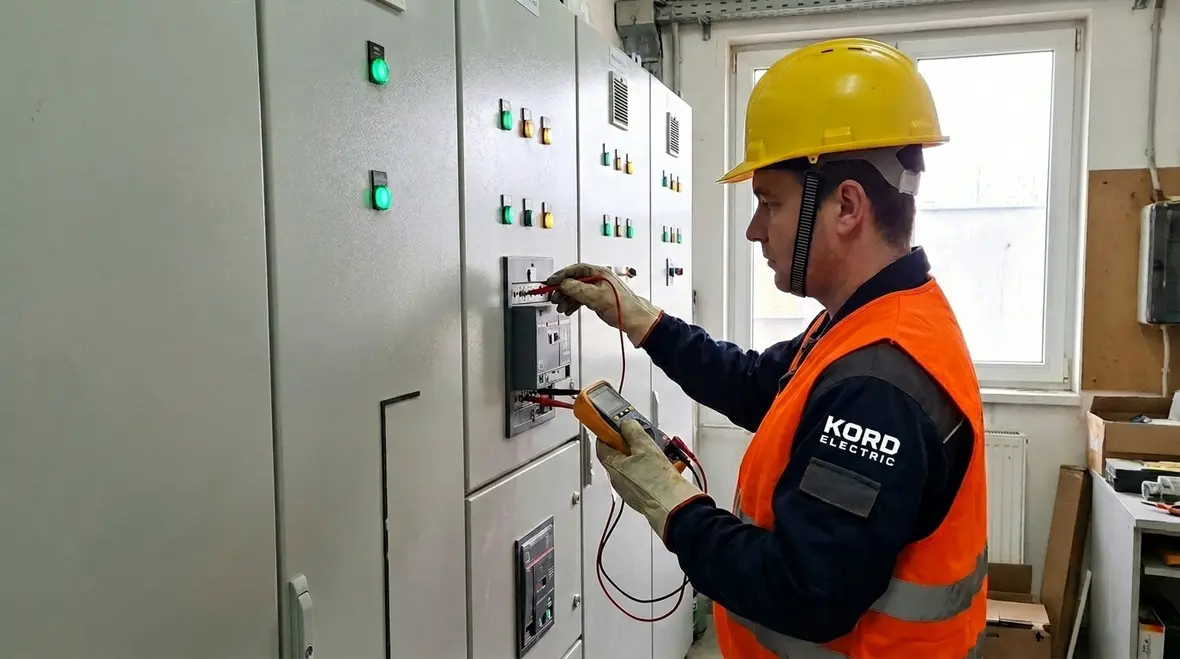
Sometimes the fluctuation happens only during certain operations. For example, a shift change might bring a spike because forklifts, large air handlers, and pumps all kick in around the same time. Then, other times, it shows up at random. Either way, the pattern matters, and that is why our technicians take measurements while loads are active, not just after hours when everything is calm and nobody is demanding power like a blockbuster premiere demand for popcorn.
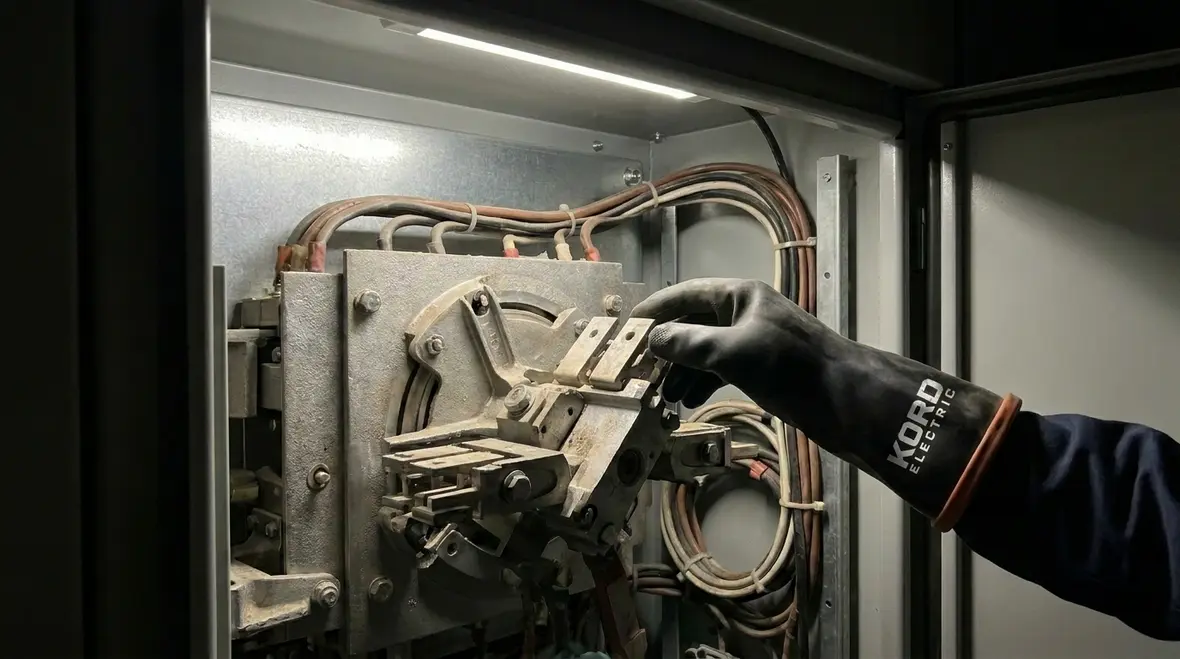
2. Common causes of voltage swings and what our technicians check first
Before any repairs, we confirm the problem with instruments. Then we compare the symptoms against likely causes. In other words, we do not rely on guesses, even if the guess feels confident. Our expert service staff uses a structured approach across supply, distribution, and end use equipment.
Utility voltage variation and weak service conditions
Sometimes the utility supply itself varies. In commercial and industrial setups, this can happen because of upstream load changes, feeder congestion, or equipment issues on the utility side. When that occurs, your facility can see dips or rises even when internal equipment behaves correctly.
How we fix or manage it starts with proof. We log voltage at the service entrance, then correlate it with utility events when possible. If the swings align with utility behavior, we help you document the data for the utility and plan mitigation inside the building. For deeper context on how voltage stability impacts commercial and industrial operations, facility teams often review our dedicated service overview on voltage fluctuation repair and diagnostics for larger properties.
Load inrush from motors, compressors, and large drives
Big motors and compressors pull current differently at startup. Therefore, when several loads start together, the voltage can sag momentarily. Additionally, old motor starters, failed capacitors, or improperly sized soft starters can make the effect worse.
Our technicians often review starting strategy and load sequencing. Then we recommend options such as staggered start controls, properly selected soft starters, or tuned drive parameters when drives exist. The goal is simple. We reduce the “power tug of war” on the system.
Loose connections and worn terminations
Loose lugs and corroded terminations create resistance. As a result, the voltage drops under load and heating increases. Over time, that heating accelerates failure, and the system becomes unpredictable.
We check torque and condition in panelboards, switchgear, and transformer connections. Then we verify by measuring voltage drop across critical paths. If the voltage drop changes with load, that is a loud hint that something physical is not tight. It is less dramatic than a pop culture betrayal scene, but it is just as costly.
Transformer issues and tapping problems
Transformers can contribute to voltage fluctuations through tap settings, internal wear, winding problems, or control malfunctions in larger installations. Even if a transformer “works,” it can still cause unstable regulation.
Our team inspects tap changer status, verifies settings, and evaluates regulation performance using test data. When needed, we help coordinate with the facility and equipment owner on repair or replacement planning.
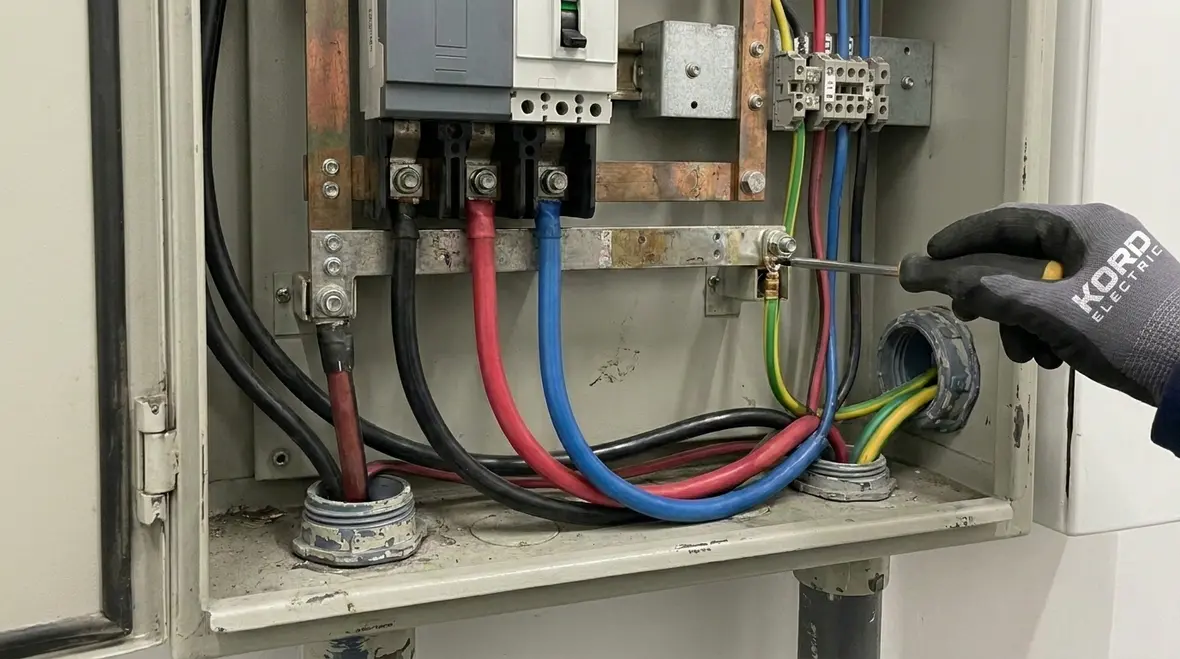
3. How wiring, grounding, and power quality affect stability
Voltage quality issues do not always mean the RMS voltage changed. Sometimes the problem involves harmonics, unbalanced phases, or poor grounding that distort the waveform and trigger sensitive equipment issues.
Phase imbalance from uneven loads
In three phase systems, imbalance can cause certain phases to run higher and others to run lower. That imbalance stresses motors, affects heating, and can create confusing troubleshooting symptoms because everything seems “mostly fine” until the wrong load runs.
We evaluate phase currents and voltage per phase during real operation. Then we recommend balancing steps, such as redistributing loads, correcting panel assignments, or addressing single phase loads on one phase. If your building uses many varied tenants, this matters even more. We help property managers spot imbalances without playing electrical detective every day.
Harmonics from VFDs, LED drivers, and UPS systems
Modern commercial sites often use variable frequency drives, LED lighting with switch mode drivers, and power electronics. These devices can introduce harmonics. Harmonics do not always show up on basic voltage checks, but they can cause overheating, nuisance trips, and erratic behavior.
Our technicians check waveform distortion and harmonic spectra when the site indicates power quality complaints. Then we suggest mitigation like properly tuned filters, cabling corrections, and panel design improvements. We also verify that protective devices and settings match the equipment type so the system trips for real faults, not for pretend drama.
Neutral problems and overloaded shared neutrals
In many buildings, neutral currents can become high, especially when single phase non linear loads exist. Then the neutral voltage shifts, and that affects connected equipment.
We inspect neutral sizing, termination condition, and load distribution. When we find shared neutral issues, we correct wiring and load placement so voltage stability improves where it matters most.
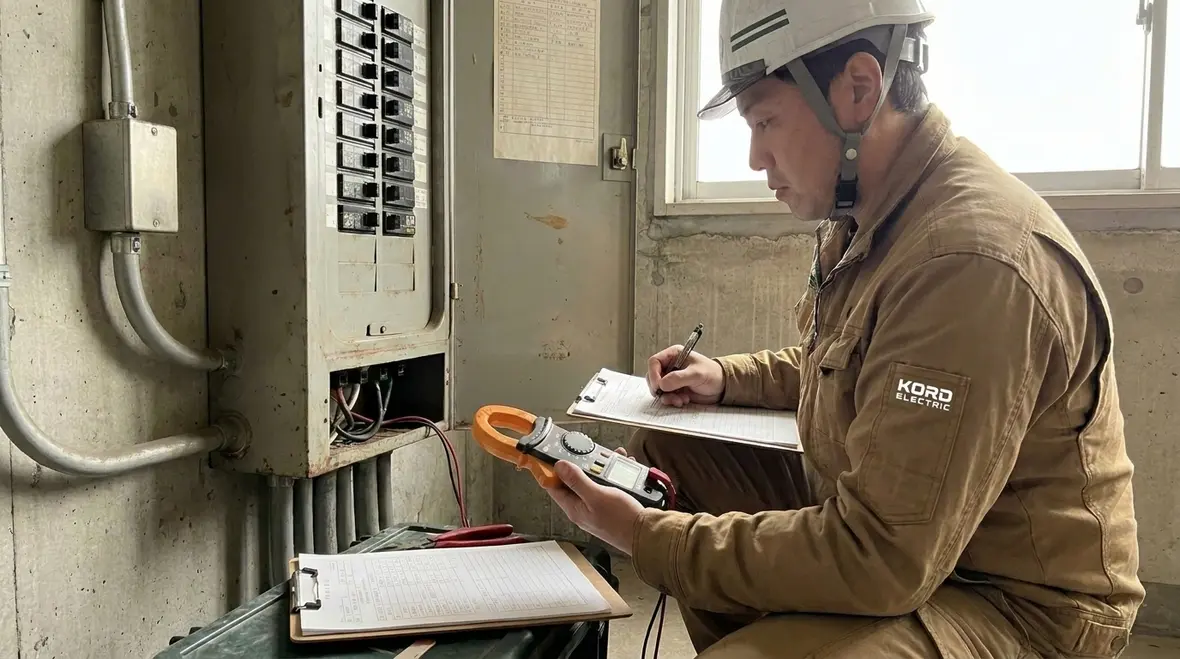
4. Troubleshooting commercial electrical voltage issues with a step by step plan
Our process focuses on evidence, not intuition. First, we gather the symptom timeline. Then we verify conditions at the service entrance and distribution panels. Next, we trace the likely impact path to the affected equipment. Finally, we propose fixes with clear cause and expected results.
Here is how our expert service staff typically runs the diagnostics for commercial and industrial facilities.
- Collect operational clues: we confirm when fluctuations happen, what loads run during that time, and which areas feel the impact.
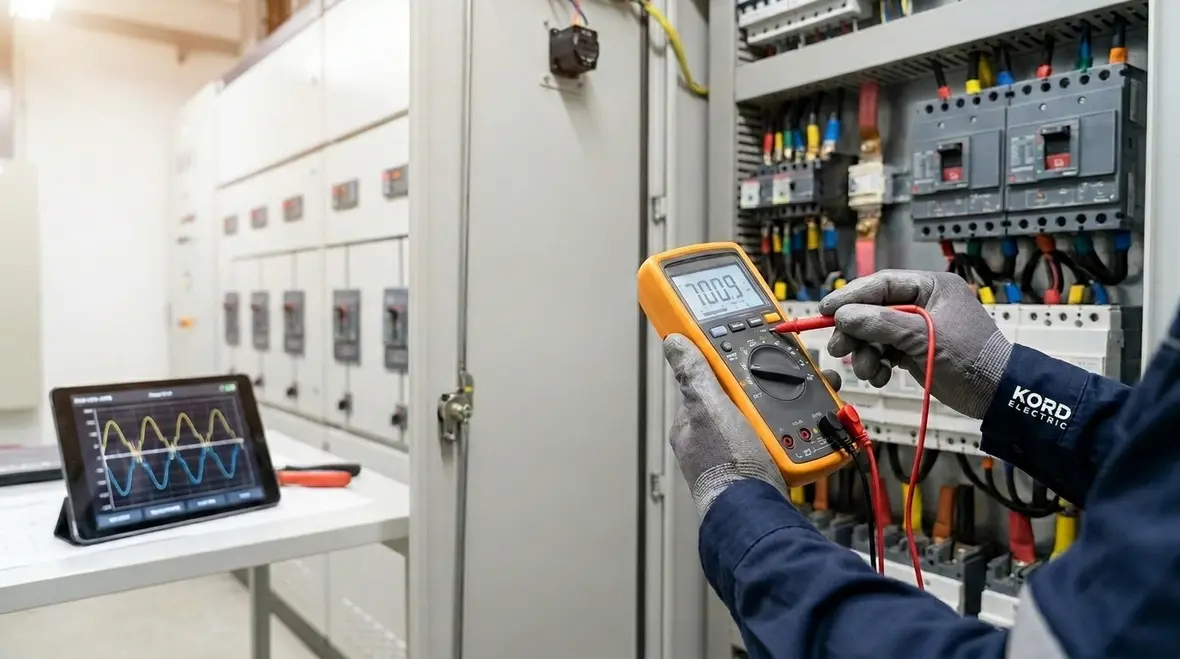
- Log voltage during real load: we measure while equipment runs, because static tests miss many intermittent events.
- Check for voltage drop: we measure drops across service equipment, feeders, and terminations.
- Inspect critical connections: we verify torque and condition in switchgear, switchboards, distribution boards, and transformer interfaces.
- Evaluate protection and control settings: we review breakers, relays, and starters so they do not amplify the issue.
- Review power quality: we confirm harmonics and imbalance when sensitive equipment fails or malfunctions.
In practice, we often find that multiple small problems combine into a big voltage event. One loose connection can cause heat and resistance. A starting load can deepen the sag. Then harmonics can distort readings. And suddenly the building staff is troubleshooting like they are defusing a bomb from a TV series. We handle it methodically, and we keep downtime minimal.
5. Fix options that work for commercial and industrial power systems
Once we identify the cause, we select a fix that fits your facility. We prioritize solutions that stabilize voltage without creating new risks. Also, we consider uptime, safety, and how maintenance teams operate.
Mechanical and connection repairs
When the root cause involves terminations or connections, we tighten, replace, or refurbish suspect parts. Then we re measure under load to confirm the improvement.
Load control upgrades
For motor and compressor related dips, we may recommend staggered starts, better control logic, or optimized starter settings. If drives exist, we review ramp rates and bus behavior so startup does not overload the system.
Transformer adjustments and regulation improvements
If tap settings or regulation behavior contribute, we adjust or service the transformer. When replacement becomes necessary, we help plan it around operational needs.
Power quality mitigation
When harmonics and distortion drive issues, we can propose filters or equipment settings that reduce waveform stress. This step can be the difference between nuisance faults and reliable equipment performance.
We keep property owners and facility managers in the loop. Meanwhile, our teams explain what we see, why it matters, and what the next step does. If the plan sounds simple, it is because it should be simple. Electricity is not complicated. Confident guesses are.
6. A quick dual column checklist for what to document
If your team wants to help us move faster, document these items. Then we can narrow the cause sooner and schedule the right work.
| What you notice | What it helps us diagnose |
| Exact time of flicker or dips | Correlates events with starting loads and control cycles |
| Equipment that trips or resets | Highlights sensitive panels, drives, or power electronics |
| Which areas show the problem | Maps impact across feeders and distribution levels |
| Recent changes | Finds what equipment or renovations added load or harmonics |
7. FAQ: Voltage fluctuation troubleshooting for commercial sites
Conclusion: Call Kord Electric before the next “mystery” event
If your facility shows flicker, dips, trips, or equipment resets, do not wait for the next incident to become a bigger interruption. At Kord Electric, our expert service staff performs evidence based Troubleshooting commercial electrical voltage issues for commercial and industrial buildings, so you get real fixes, not random guessing. Contact us today to schedule a diagnostic visit, share your symptom timeline, and protect your equipment and uptime with stable power. We answer fast, we explain clearly, and we keep things calm.
If your team wants an even deeper structural plan for keeping electrical problems from sneaking back in, you can pair voltage diagnostics with structured electrical preventive maintenance programs for commercial and industrial facilities. Combining these services gives your building both rapid troubleshooting and long term reliability, instead of treating every voltage swing like a brand new mystery.
And when voltage instability has already contributed to outages or equipment shutdowns, our team can integrate findings into broader service strategies that support emergency response, rewiring projects, and targeted upgrades across major properties. The goal stays the same: stable power, clear documentation, and a calm, repeatable process every time your facility needs support.
To get started, reach out to our commercial service team and request a voltage diagnostic visit or a structured maintenance review. We will walk your site, review the history, and outline a plan that fits your operations, including options that align with our dedicated Electrical Preventive Maintenance services so your system stays ahead of the next surprise.