Commercial Lighting Retrofit ROI Analysis Guide
Commercial lighting retrofit ROI analysis is the first step most facility leaders should take, because it turns a “maybe” project into a number you can defend. At Kord Electric, we guide commercial and industrial teams through the full ROI story, including energy savings, rebate paths, operating impacts, and the hidden costs that sneak in like an extra tenant who will not sign a lease. If you are planning a lighting upgrade, we calculate return using your current usage and your goals, then we pressure test the timeline against real world conditions. After all, an ROI model should not be a bedtime story. It should be a plan.
How Kord Electric starts the ROI math
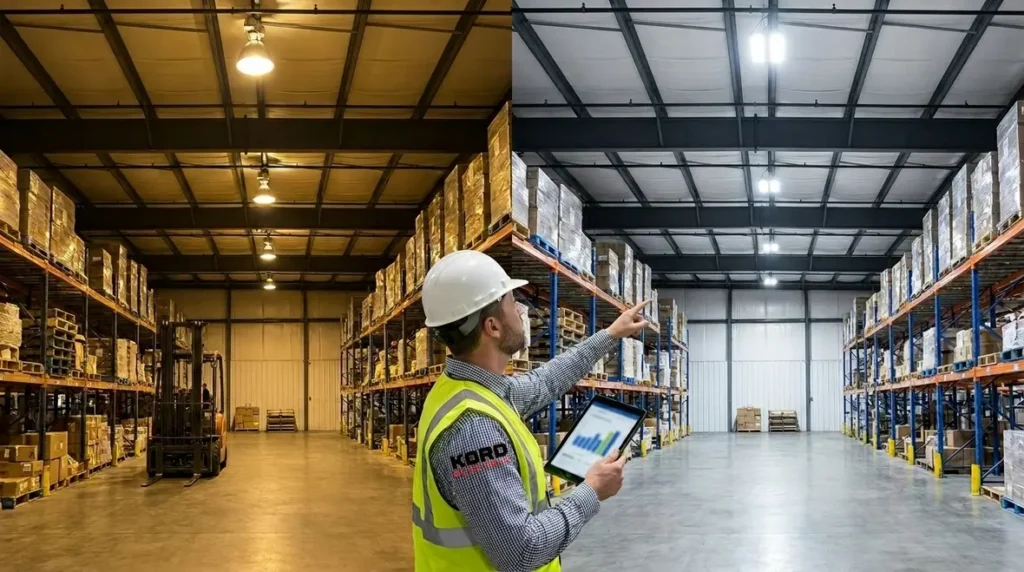
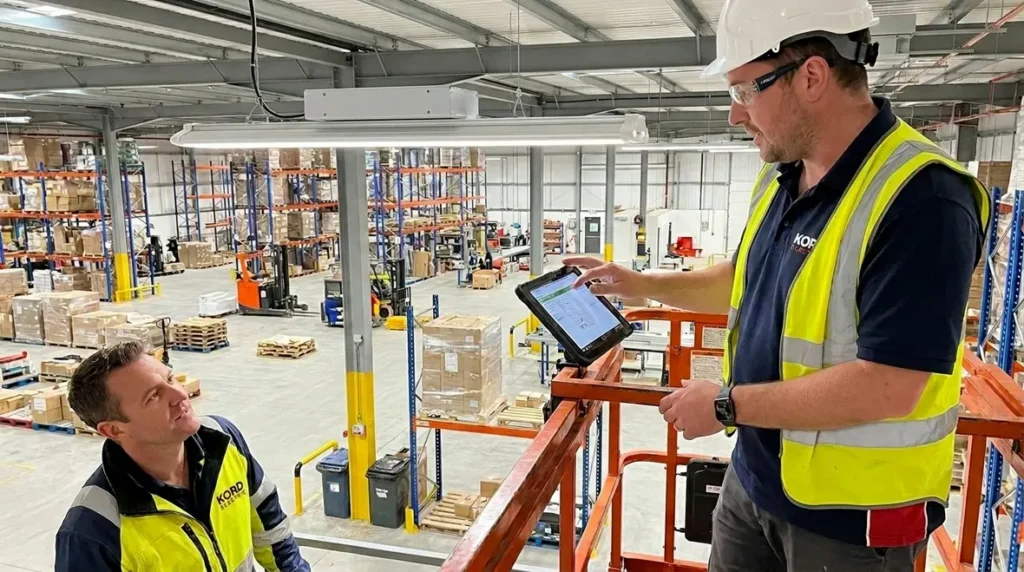
When others guess, we measure. First, our expert service staff reviews your existing lamps, fixtures, controls, and operating schedules. Then we map your usage to your utility data and verify assumptions so the Commercial lighting retrofit ROI analysis stays grounded in what your building actually does.
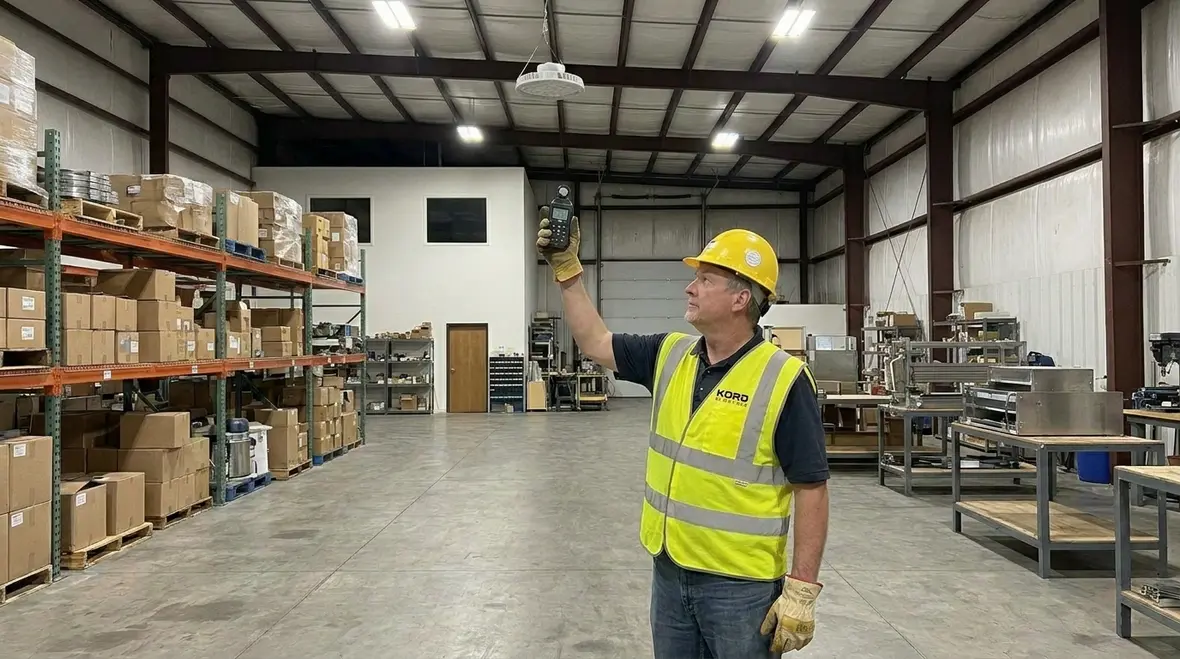
Next, we separate savings into pieces that make sense for commercial and industrial facilities. Energy reduction usually leads the conversation, but we also account for reduced maintenance, smarter controls, and load profile effects where applicable. Additionally, we look at your power quality and panel capacity concerns only if your site data suggests risk.
Now, here is the practical part. If your lights run longer than expected because of tenant schedules, cleaning staff routes, or after hours operations, the model must reflect it. Otherwise the ROI becomes a fantasy league score, and nobody wants that.
Because your lighting system also sits on top of your broader electrical infrastructure, we often connect this early ROI review to what we see in real buildings every week. For a deeper dive into the kinds of issues that can influence performance, many facility teams explore our article on hidden electrical risks in commercial buildings so the financial model reflects what is actually happening behind the walls and above the ceiling.
What a strong payback typically depends on
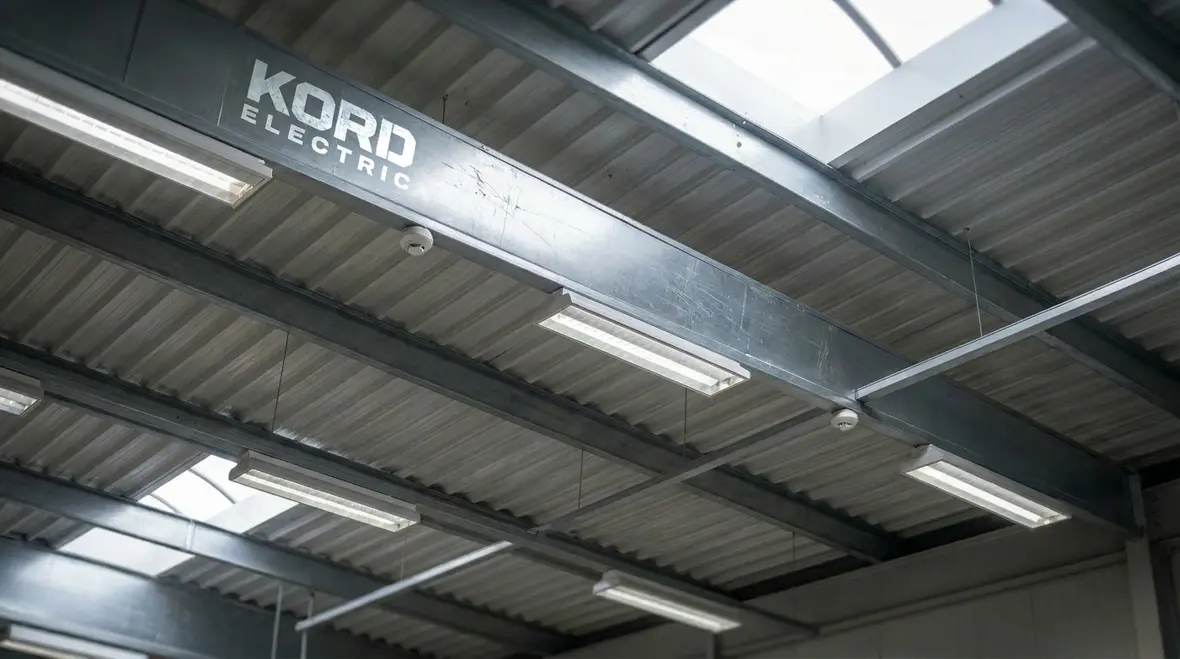
ROI rarely fails because a new technology “does not work.” It fails because the project plan ignores facility behavior. For that reason, we focus on the variables that most strongly affect payback for major property buildings and complex sites.
- Lighting hours: We confirm daily and seasonal usage so the savings curve matches reality.
- Control strategy: Occupancy sensing, daylight harvesting, and scheduling can raise performance without adding clutter to your operations.
- Retrofit scope: Replacing only parts of a system can still help, yet it can leave uneven performance across zones.
- Distribution and mounting: We verify fixture layout and ceiling height to avoid “looks great in the catalog” problems.
- Utility structure: Demand charges and time of use rates can change the economics. We factor in what your tariff actually does.
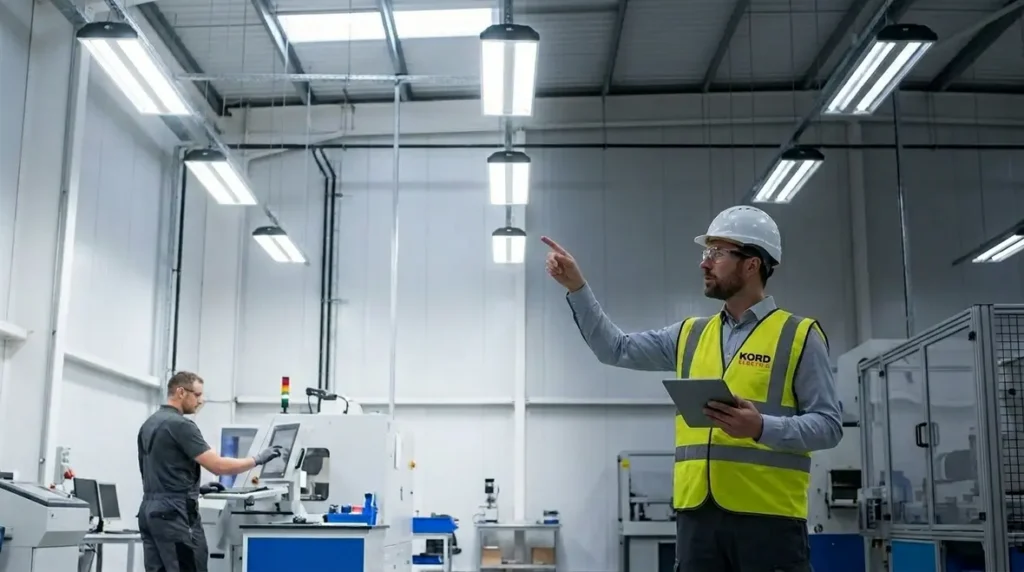
Meanwhile, our technicians explain the logic as we go, in plain language. You get a clear path from inputs to outcomes, and you do not have to pretend you understand lighting photometrics to make a board decision.
We also connect the Commercial lighting retrofit ROI analysis to real-world examples from other projects. When facilities need both better light and stronger compliance footing, articles such as the Lighting Installation Code Compliance Guide show how controls, fixture choices, and inspection expectations all influence whether the “strong payback” on paper survives an inspector’s visit and day-to-day use.
Hidden electrical risks that can quietly damage ROI
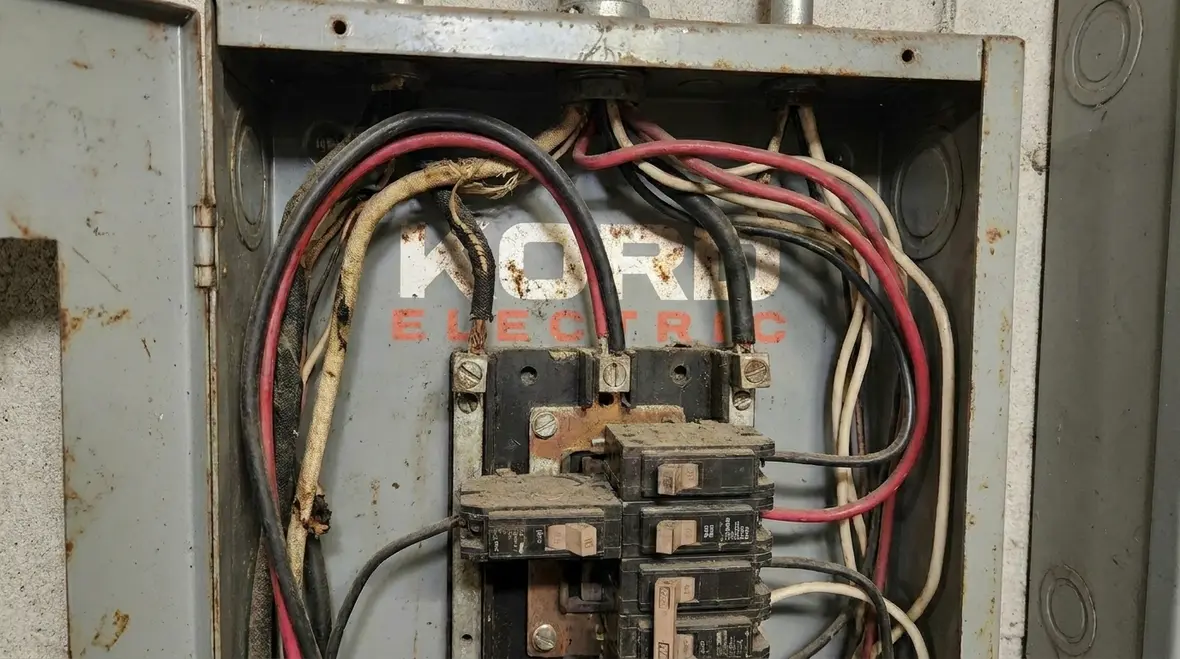
ROI math can be correct and the project can still suffer if the electrical system underneath cannot support the upgrade. In our work across commercial buildings, we often spot issues that do not show up on a quick walk through. In fact, Kord Electric frequently references the kinds of hidden electrical risks discussed in our blog post Hidden Electrical Risks in Commercial Buildings, because they can increase downtime and add unplanned cost.
For example, aging wiring insulation, loose connections, and overloaded circuits can cause heat buildup. Over time, that reduces performance and raises maintenance calls. Additionally, a retrofit can introduce different driver or load characteristics that expose weaknesses already present. In other words, you cannot always “install new lights on an old problem” and call it done.
Here is what we pay attention to before a project moves forward:
- Signs of overheating around panels, junction points, and older fixture circuits.
- Breakers and feeders that show wear, corrosion, or inconsistent performance.
- Grounding and bonding checks that prevent safety and nuisance issues after modernization.
- Control wiring condition for dimming and occupancy systems, where stable signals matter.
- Quality of connections that can degrade over time and increase service events.
Once we identify these risks, we adjust the plan so your Commercial lighting retrofit ROI analysis includes not only savings, but also the cost of protecting schedule and safety. This is where a retrofit stays profitable instead of becoming a slow, expensive subplot.
In facilities that already struggle with unstable voltage or unexplained equipment behavior, we may also connect the retrofit plan with a deeper look at voltage fluctuations in commercial and industrial facilities. When power quality and lighting upgrades work together, ROI becomes sturdier than a single spreadsheet cell.
How maintenance and downtime change the ROI story
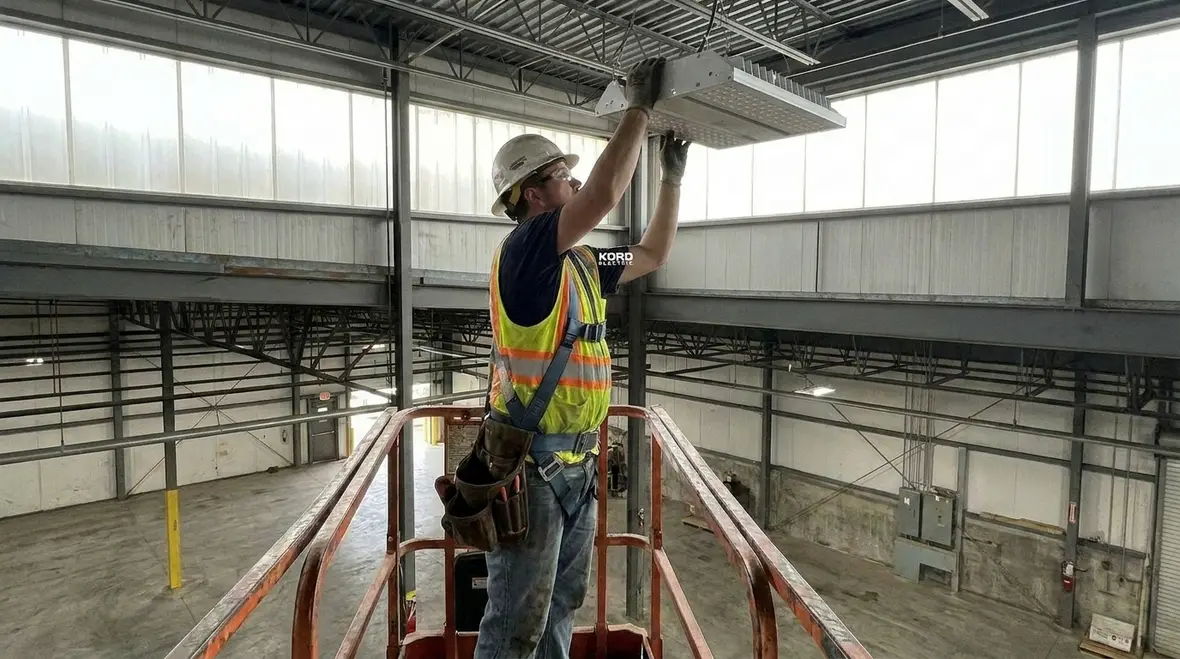
Energy savings usually grab the headlines, yet for commercial and industrial facilities, maintenance and downtime drive the real customer pain. When lights fail early or controls behave inconsistently, you spend money twice: once to fix it, and again to manage disruption.
Our approach treats maintenance as a measurable component. We evaluate current failure rates, historical service tickets when available, and the physical access complexity of your fixtures. Then we select equipment and retrofit methods that reduce service frequency.
We also plan installation with your operations in mind. Therefore, our technicians coordinate sequencing so work happens with minimal interruption. If you run warehouses, schools, hospitals, or manufacturing lines, you already know that “we will be done in a day” rarely applies. However, we build schedules that respect your site reality. And we communicate early, because the best ROI is the one that does not turn into a customer complaint.
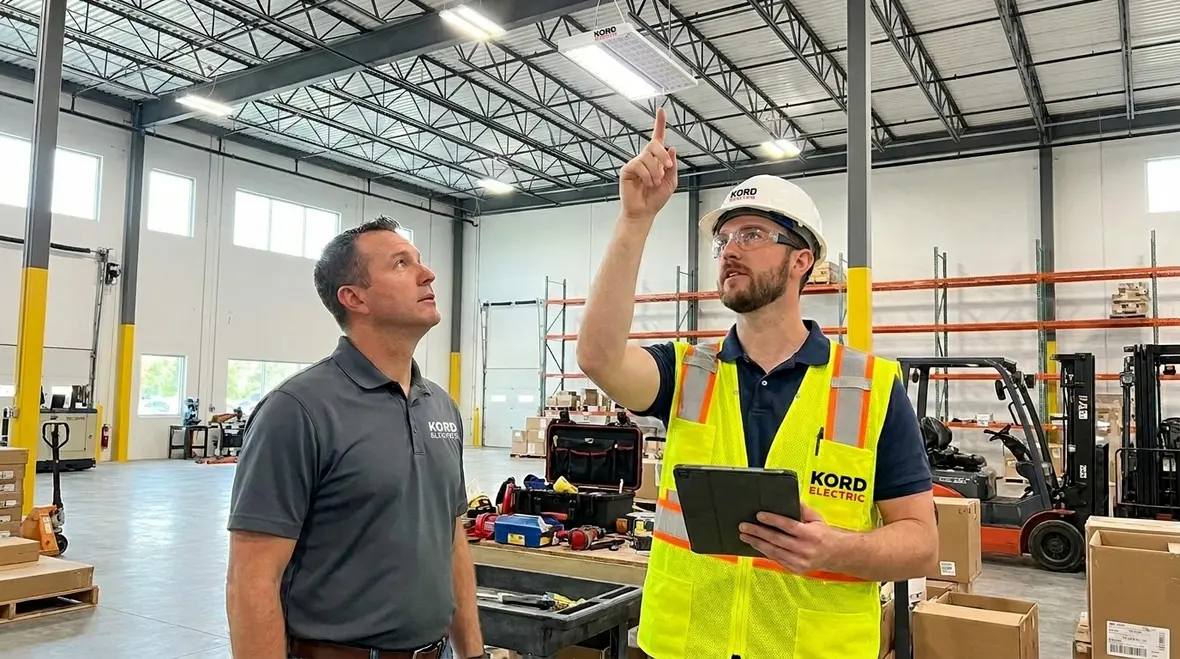
To keep things clear, our expert service staff walks stakeholders through what changes during the project. They explain how controls will be set, how commissioning will verify performance, and what your team should expect during the transition.
For facilities that want a structured way to protect this “maintenance side” of ROI long after the retrofit, we often align lighting upgrades with electrical preventive maintenance programs. When inspections, testing, and documentation are already in motion, the savings you modeled on day one are far more likely to show up on day one hundred.
From utility data to a decision-ready ROI report
After our field review and risk checks, we convert information into a decision-ready plan. At this stage, many providers stop at a single payback number. We go further so your leadership can approve confidently.
We build ROI using clear categories, and we show the assumptions behind each one. That includes:
- Baseline energy use using your meter history and fixture counts
- Expected savings based on fixture replacement performance and control behavior
- Incentives and rebates where available and applicable
- Project costs including labor, material, and commissioning steps
- Maintenance impacts and service reduction assumptions
- Schedule risk factors tied to site access and electrical conditions
Then we present options. For instance, a phased plan can spread cost while capturing early savings. Or, if your site needs a uniform quality level across zones, a broader retrofit can reduce inconsistent performance. Either way, our goal stays the same: deliver the outcome you intended, without surprises that show up like a pop quiz.
Because we work with commercial and industrial facilities and major property buildings, we understand that ROI decisions often require multiple stakeholders. Thus, our reports speak to finance, operations, and safety in one consistent story.
For teams that want to see how lighting upgrades tie into reliability and emergency readiness, our article on emergency power failures in commercial buildings provides a helpful lens. When leadership connects ROI models to the realities of outages, code compliance, and operational risk, those spreadsheets suddenly feel a lot more real.
Frequently asked questions about retrofit ROI
Next steps with Kord Electric
If your facility runs heavy hours, multiple zones, or challenging access, you deserve an ROI plan that respects real site conditions. Kord Electric works with commercial and industrial facilities and major property buildings, and we help you move from assumptions to numbers you can approve. Our technicians and expert service staff explain every step, from electrical risk checks to savings projections and schedule planning. Reach out today for a retrofit ROI review, and let’s build a lighting upgrade that pays back on time.
When you are ready to turn Commercial lighting retrofit ROI analysis into an actual construction path, our dedicated Lighting Installation Services team connects design, installation, and commissioning into one coordinated process. From LED retrofit upgrades and recessed lighting to full system replacements, we make sure the project behind your ROI report is engineered for performance, safety, and long-term reliability.
If your building portfolio also includes exterior walkways, parking areas, or landscape zones that need safer, clearer light, you can pair your interior retrofit with the guidance in our Commercial Landscape Lighting Safety Guide. That way, the same disciplined approach you apply indoors extends all the way to the curb, where visitors, staff, and tenants first experience your property.
For leaders who want an even broader strategy across multiple systems, our article on commercial and industrial electrical maintenance plans walks through how lighting, preventive maintenance, and emergency readiness can work together. A retrofit becomes not just a project, but a step in a long-term reliability plan.
Whether you start with a single building or an entire portfolio, the most effective ROI models are the ones that survive real life. Kord Electric is here to help you build those models, test them, and turn them into projects that deliver.