Warehouse Lighting Efficiency Upgrades by Kord Electric
Kord Electric turns industrial lighting into a calmer, smarter system
At Kord Electric, we see Warehouse Lighting Efficiency Upgrades as more than swapping old bulbs for new ones. We bring a full, industrial approach that helps large facilities cut waste, steady output, and keep areas safe for people and processes. And yes, we do it in a way that feels like the lights finally learned their job. Because in a warehouse, poor lighting does not just look bad, it slows picking, raises risks, and burns money. We guide commercial and industrial customers through upgrades that go beyond basic LED retrofits, and we make sure the work stays clear, measurable, and built for real operations.
Why basic LED retrofits fall short in real warehouses
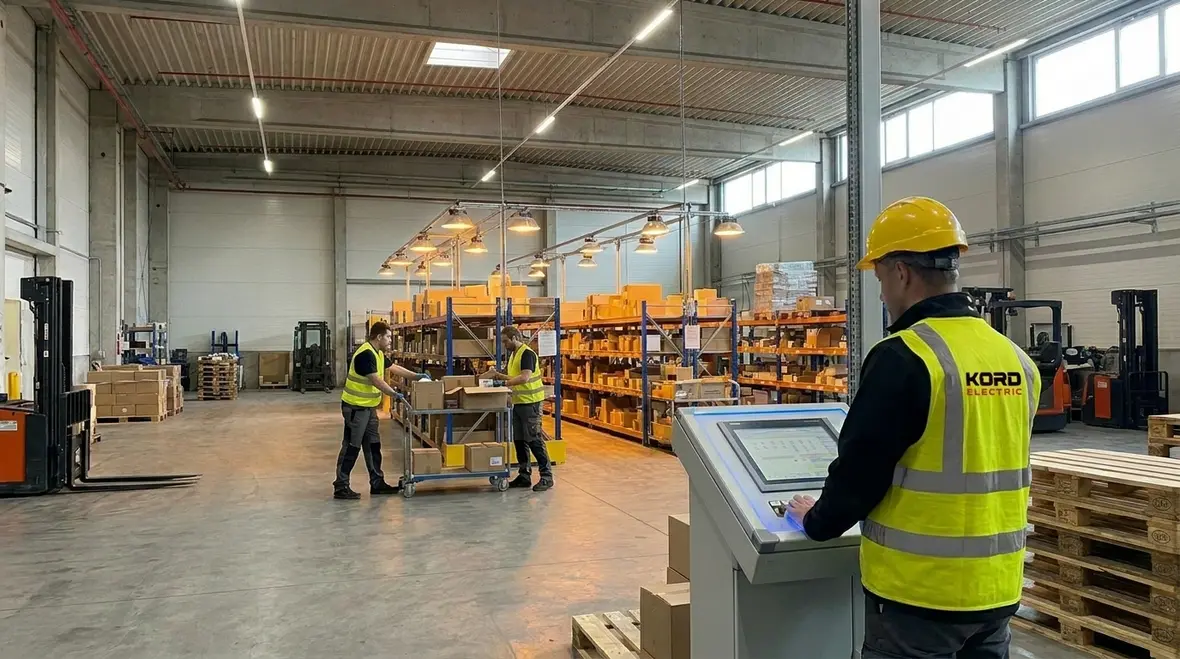
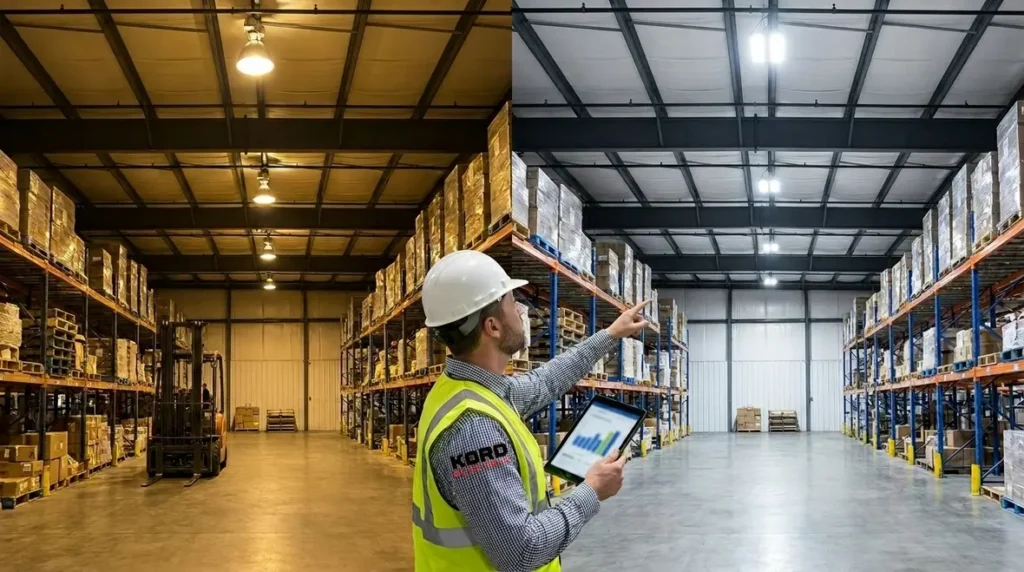
Many projects start with a simple idea: replace fixtures, reduce wattage, and call it done. However, warehouses are not simple. They hold tall rack systems, long travel paths, uneven surfaces, and moving dust that settles like it pays rent. As a result, some “LED retrofit” jobs produce patchy light, glare, or zones that feel brighter one aisle and dim the next. Then managers notice hotspots where the floor shines and dark corners where workers hesitate. We explain to others that the goal is not only lower energy use. The goal is usable light that matches the task and the layout.
To make that happen, we look past the fixture and into the whole system. We check mounting height, beam spread, reflectance of walls, and how often racks block light. Next, we review controls and wiring paths so the lights respond properly to occupancy, shift schedules, and daylight levels. This is where many “quick wins” stop, because it requires planning, not just parts.
For facilities that want lighting performance tied into broader reliability goals, Warehouse Lighting Efficiency Upgrades pair naturally with structured service programs like electrical preventive maintenance, which keep system conditions stable instead of waiting for the next surprise outage.
How Kord Electric engineers efficiency, not just brightness
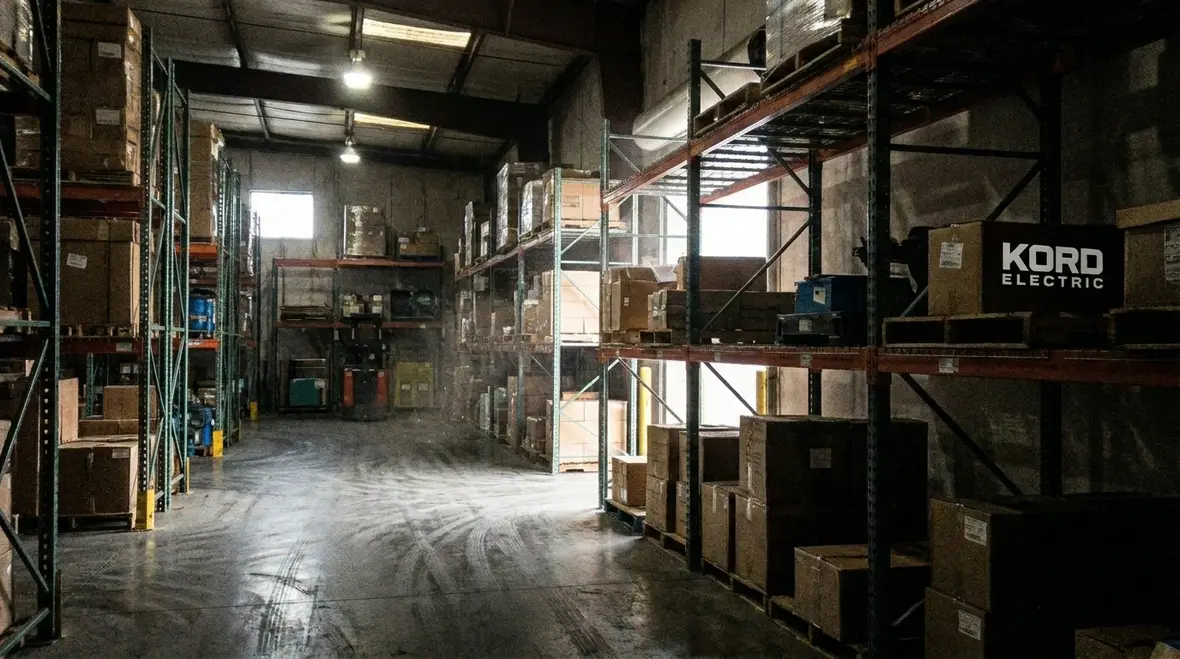
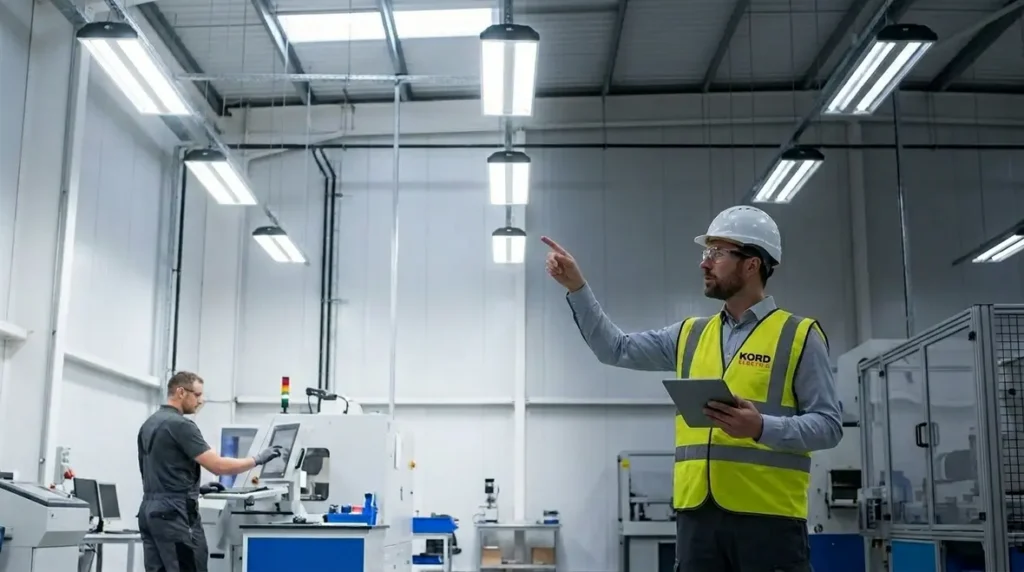
Our team treats lighting like a performance system. First, our experts map the space and identify where output matters most for safety and productivity. Then we choose high performance fixtures and optics that match the warehouse geometry. For example, we avoid a one size fit all approach because aisle width, storage density, and loading zones all change the light needs. After that, we balance uniformity, glare control, and color stability so the facility keeps clear visibility during long shifts.
In practice, this means we can upgrade even older buildings with careful placement and the right lens design. We also pay attention to the “invisible” parts of the job. We inspect drivers, power quality, and long term reliability because failing components in a warehouse lead to fast downtime and angry emails. Finally, we verify results with measurements so the client does not guess. And if someone says, “We just need it brighter,” our technicians calmly remind them that bright without control can raise energy use and cause eye strain.
For many commercial and industrial facilities, that engineering mindset carries through to other systems as well. Coordinating Warehouse Lighting Efficiency Upgrades with a broader electrical maintenance plan keeps panels, breakers, and distribution equipment operating as reliably as the lighting above the floor.
Controls and sensors that cut energy without annoying operations
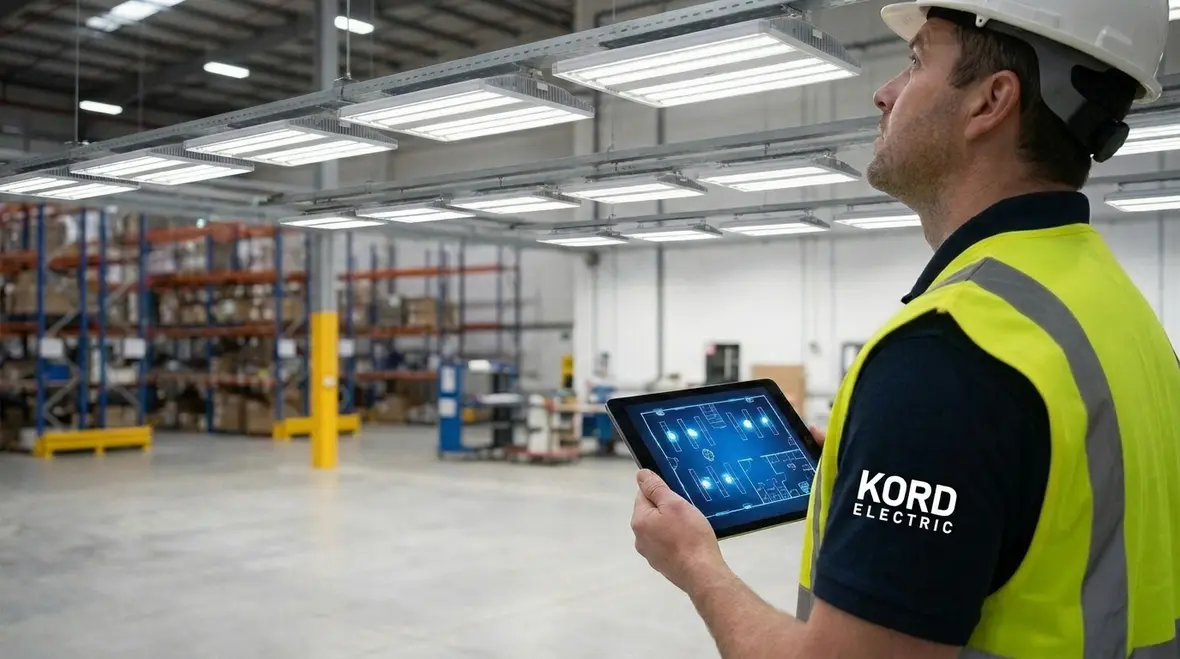
After the fixtures, the control layer is where the real savings often live. Yet controls can also go wrong if they behave like a bad party guest: they show up late, turn everything on too much, and then leave at the worst time. So we plan the logic to support real work patterns.
Our service staff explains the system in plain terms, because facility teams do not want a mystery box. We review occupancy sensing, scheduling, dimming levels, and daylight harvesting where windows or skylights exist. Then we tune the settings so lights do not flicker or fade at inopportune moments. We also consider how forklifts, pedestrian movement, and door traffic affect sensing zones.
Next, we align controls with maintenance routines and preventive plans. That way, sensors keep working, calibration stays correct, and the system does not drift into “it used to be fine” territory. We help commercial and industrial facilities because their schedules are not casual. They run like machines, and the lighting should keep up.
Preventive maintenance that keeps lighting efficient for years
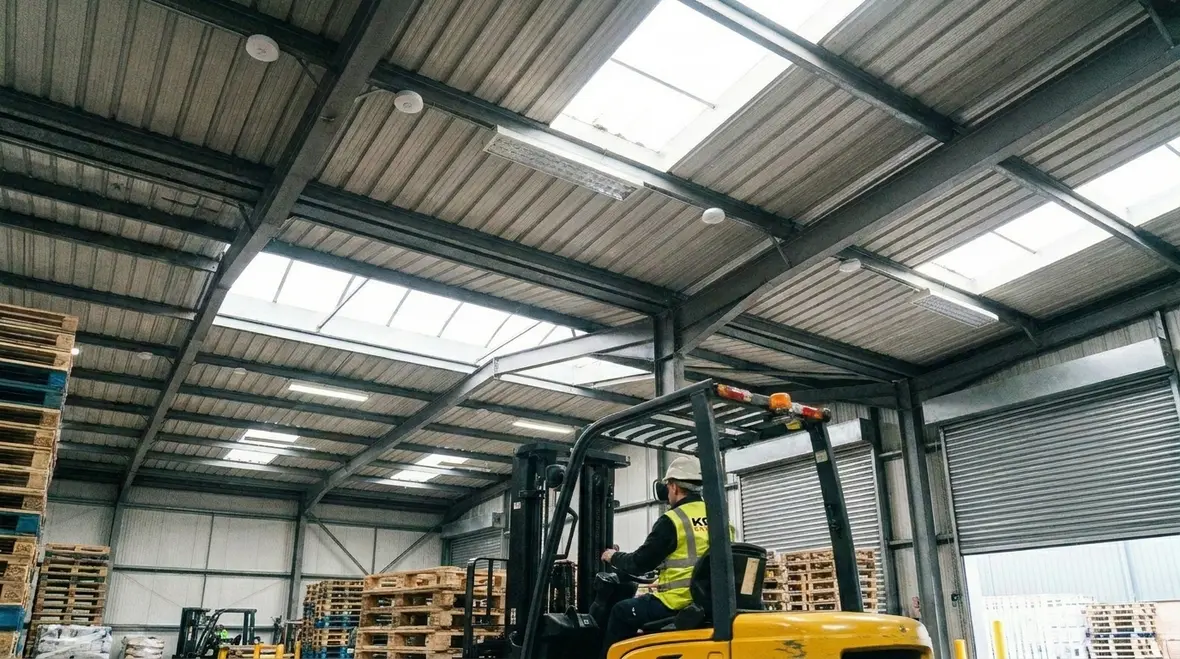
Energy savings should not shrink the moment the project ends. That is why we connect lighting upgrades to a preventive maintenance mindset. As our team states in our electrical preventive maintenance approach, we support the equipment before faults show up. This reduces surprise downtime and protects the investment.
We follow a process that fits large facilities. First, we inspect key parts like drivers, wiring, connections, and protective devices. Then we test controls and verify that dimming and sensing still meet the expected behavior. After that, we review performance trends. If a section drops output, we find the cause early, before it becomes a safety issue or a “why is this aisle different now?” problem.
In addition, we track cleaning needs because dust and grime change how light lands on the floor. We also check for signs of water intrusion or heat buildup, especially near loading docks and mechanical areas. In short, we keep the lighting system stable, safe, and efficient, not just installed.
For facilities that already rely on structured care for panels, switchgear, and distribution, tying Warehouse Lighting Efficiency Upgrades into an existing electrical preventive maintenance program keeps both power and lighting aligned under one calm, predictable plan.
Case style results: where efficiency gains usually show up
Every warehouse has its own layout, but most savings patterns repeat across commercial and industrial sites when teams take a complete approach. Typically, we see:
- Lower energy use due to high efficiency LED technology paired with correct fixture placement
- Reduced glare and improved uniformity, which helps workers move with more confidence and fewer slowdowns
- Smart control behavior that cuts runtime through schedules, occupancy, and daylight response
- Less repeat work because preventive care catches issues before failures spread
Meanwhile, the biggest wins often come from getting the lighting “right” instead of just “new.” For example, a facility might keep the same fixture count but change optics and aim. As a result, the building achieves better coverage without over-lighting. And if someone wants one more joke, we will say this: no one hires us to light up a warehouse like a football stadium at noon. We focus on useful light for how the building actually works.
Installation planning for busy properties
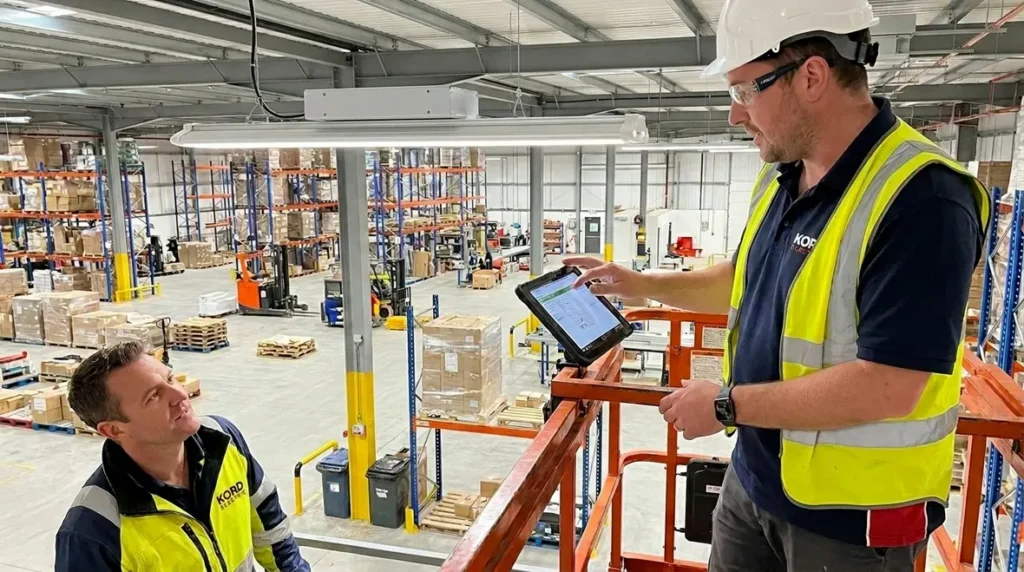
Large properties cannot pause operations easily. Therefore, we plan installation in a way that respects production schedules, safety rules, and access needs. Our technicians coordinate with site leadership so work happens in phases. That way, one area does not need to sit in the dark while another zone gets all the attention.
We also manage materials staging and tool access. Then, we verify electrical compatibility and ensure the wiring supports the new fixtures and control devices. In addition, we test and commission the system so it performs as designed. This matters because warehouses often use multiple circuits, and an incorrect assumption can lead to uneven control response.
Most importantly, we communicate. Our expert service staff explains what we found, what we recommend, and how it supports the facility goals. After that, we document the work so the client can maintain the system with confidence.
FAQ: Warehouse Lighting Efficiency Upgrades for commercial and industrial buildings
What should a facility do before starting an upgrade?
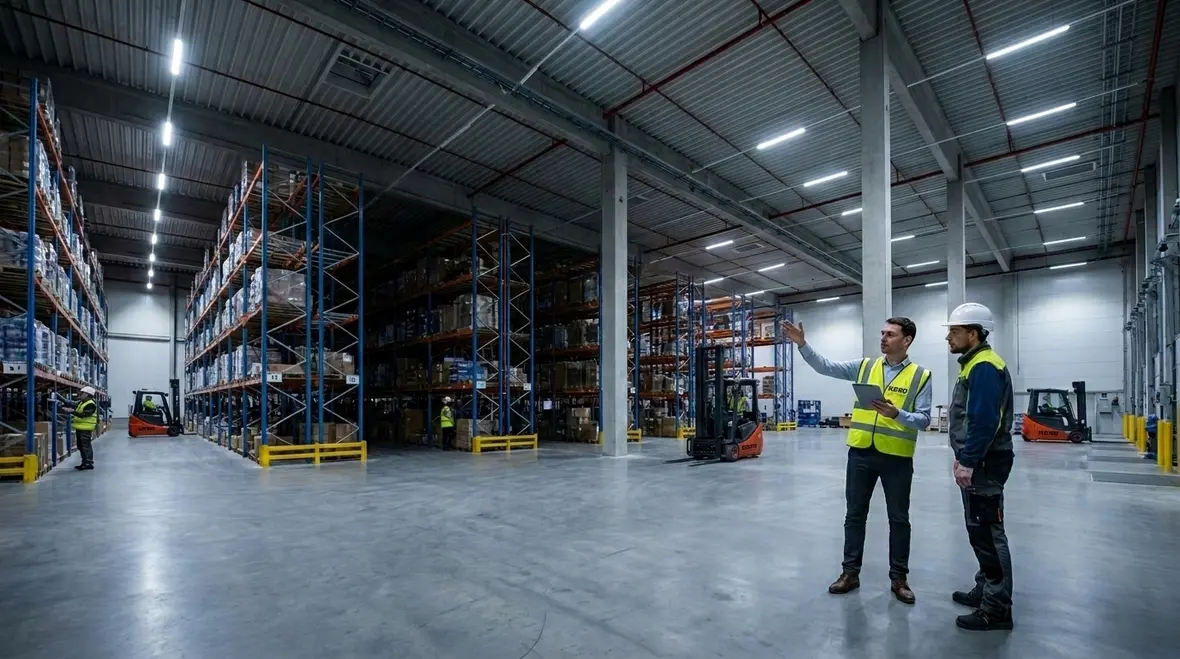
We recommend starting with a site assessment. That assessment reviews layout, mounting height, existing lighting performance, control behavior, and maintenance access. Next, we confirm electrical conditions so the new system works reliably. Then we define the target outcomes: energy reduction, improved visibility, and stable performance across shifts.
After the plan is set, our technicians lead the installation with phased work and clear communication. Once complete, we test and document the results so the facility can monitor performance. In other words, we help the building move from guesswork to a controlled, measurable system.
If your facility wants to connect lighting improvements with deeper electrical stability, a structured assessment can also identify whether services like electrical preventive maintenance or broader lighting installation services would support the long term reliability of your warehouse environment.
Ready to upgrade your warehouse lighting and keep it efficient
When Kord Electric designs Warehouse Lighting Efficiency Upgrades for commercial and industrial sites, we aim for long term value, not quick fixes. We assess the space, install the right lighting and controls, and then protect the system with a preventive maintenance mindset. If you want steadier visibility, lower energy use, and fewer lighting surprises, contact us today. Our team will review your facility and recommend an upgrade path that fits your operations and budget.
From high rack distribution centers to mixed use industrial campuses, our technicians help facilities turn lighting from a constant complaint into a quiet asset. Pairing Warehouse Lighting Efficiency Upgrades with services like commercial lighting installation and structured electrical maintenance gives your building a calmer, more predictable future—without turning your warehouse into a stadium.