Commercial Lighting Control Automation Guide
Kord Electric modernizes commercial lighting by bringing in automation solutions that reduce waste, improve comfort, and help facilities run smarter. In other words, we help teams stop treating lighting like a set it and forget it mystery, and we start treating it like a system. When our technicians install commercial lighting control automation, they help offices, warehouses, schools, retail back corridors, and other major property buildings achieve better schedules, safer after hours use, and smoother dimming. And yes, we explain it in plain language, so you do not need a degree in “Lights That Behave.”
Why upgrades to lighting control automation matter for business
In many commercial spaces, lighting still follows old habits. Lights run too long, spaces light up when nobody is there, and glare turns simple tasks into a daily annoyance. As a result, the building pays for energy that never helps anyone. Meanwhile, occupants experience inconsistent brightness, which can affect focus and comfort. That is where commercial lighting control automation changes the outcome.
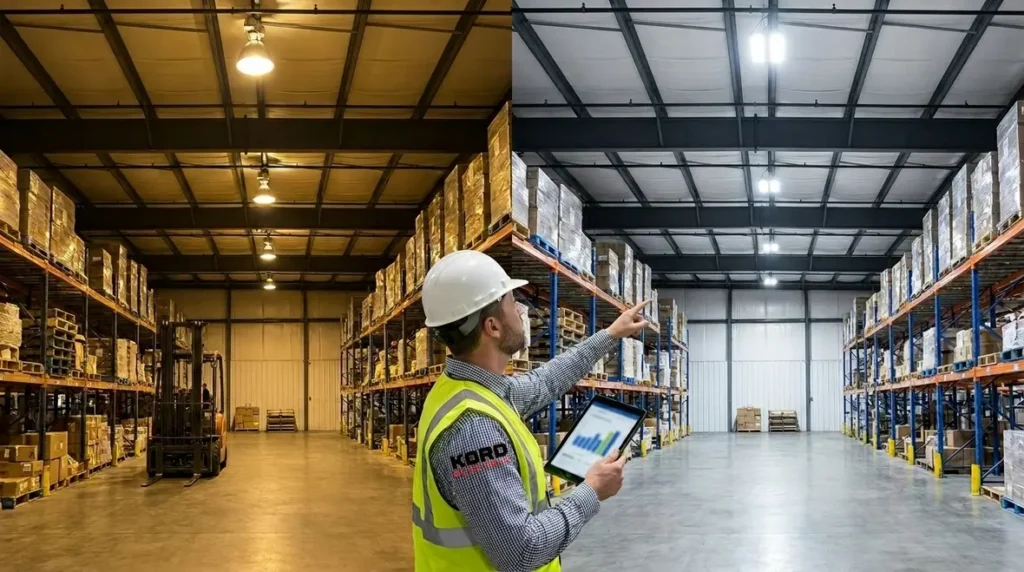
For facilities, the value comes from control plus logic. Instead of a basic switch, automation uses sensing, timing, and rules tied to how the space actually operates. For example, a conference room can dim down automatically before presentations, and then brighten when motion and time patterns confirm activity. Likewise, a warehouse can reduce output at night while still meeting safety needs.
Now, a quick joke from the field: if your lighting behaves like a toddler, it is usually because it has not been taught rules. Automation does that teaching, and our expert service staff supports the process end to end, from planning to commissioning.
What a modern lighting system should include
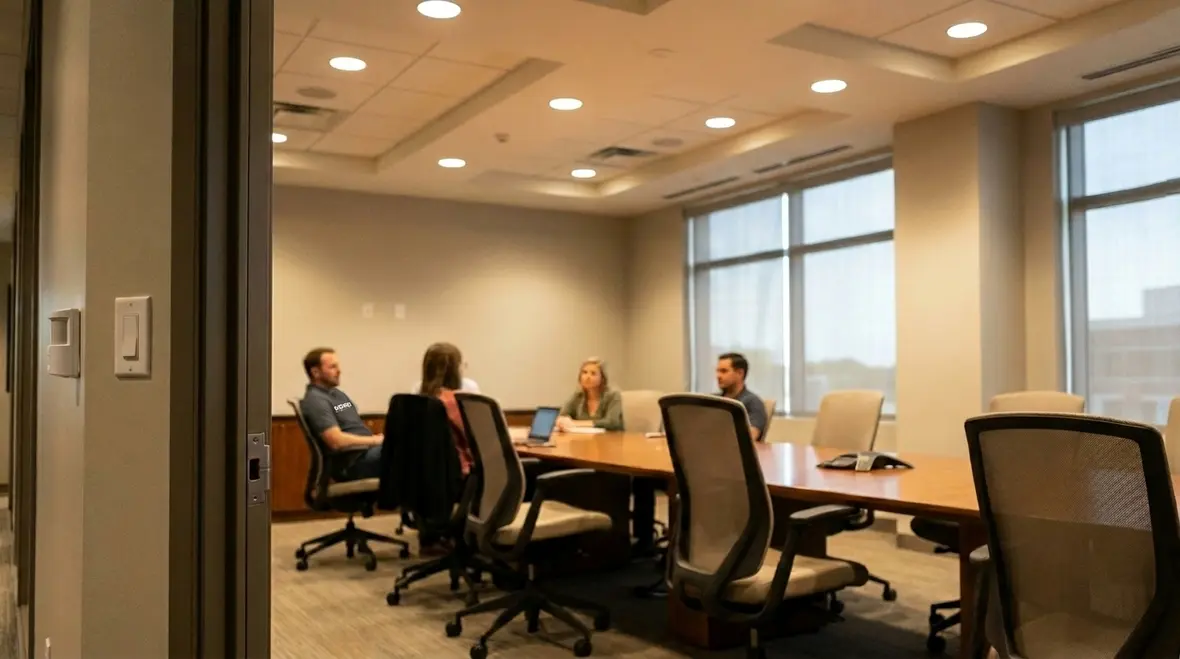
A solid plan does not just swap fixtures. Instead, it builds a complete control strategy that fits the site. Kord Electric typically helps clients with the following components, depending on building type and use patterns.
- Occupancy and daylight sensing so spaces light only when they need it
- Scheduling and override controls for areas with predictable routines
- Dimming control for energy savings without sacrificing visibility
- Zone design so control matches real room layouts and traffic paths
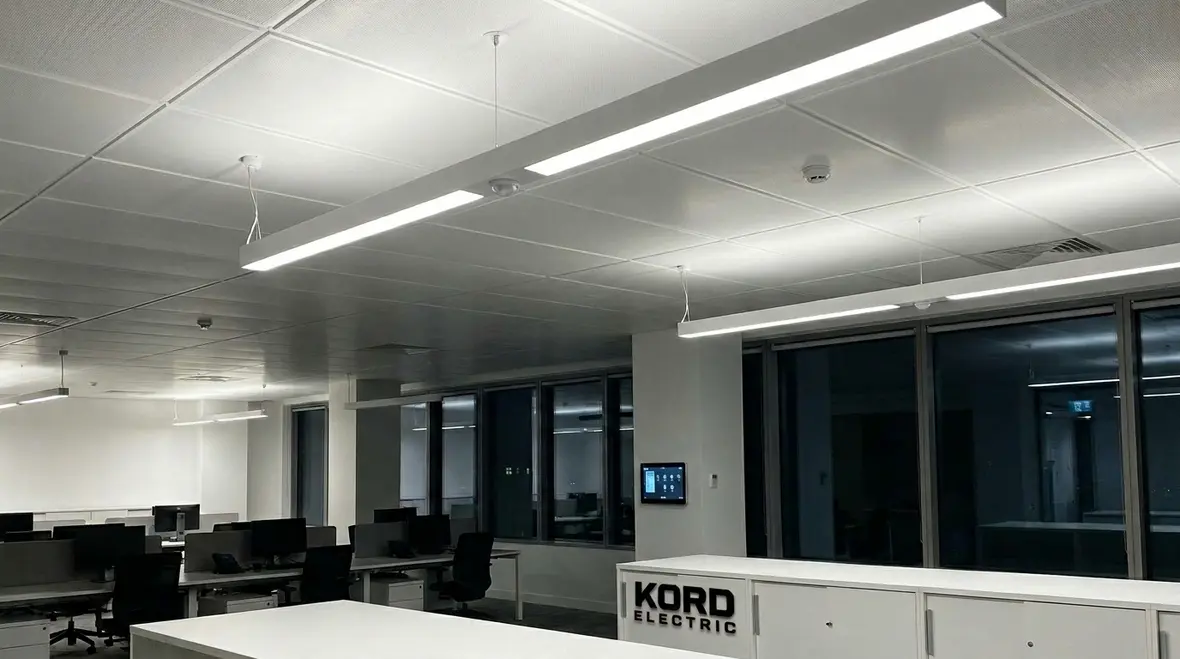
- Central management so facility teams can view status and adjust settings
- Safety aligned logic for emergency and life safety behavior
Furthermore, we take care to coordinate controls with the facility’s operations, not against them. If a property has cleaning crews who work late, or production schedules that change, the control rules should match reality. Otherwise, the system becomes a gadget that nobody trusts, and then it becomes a forgotten button. We aim to prevent that from happening.
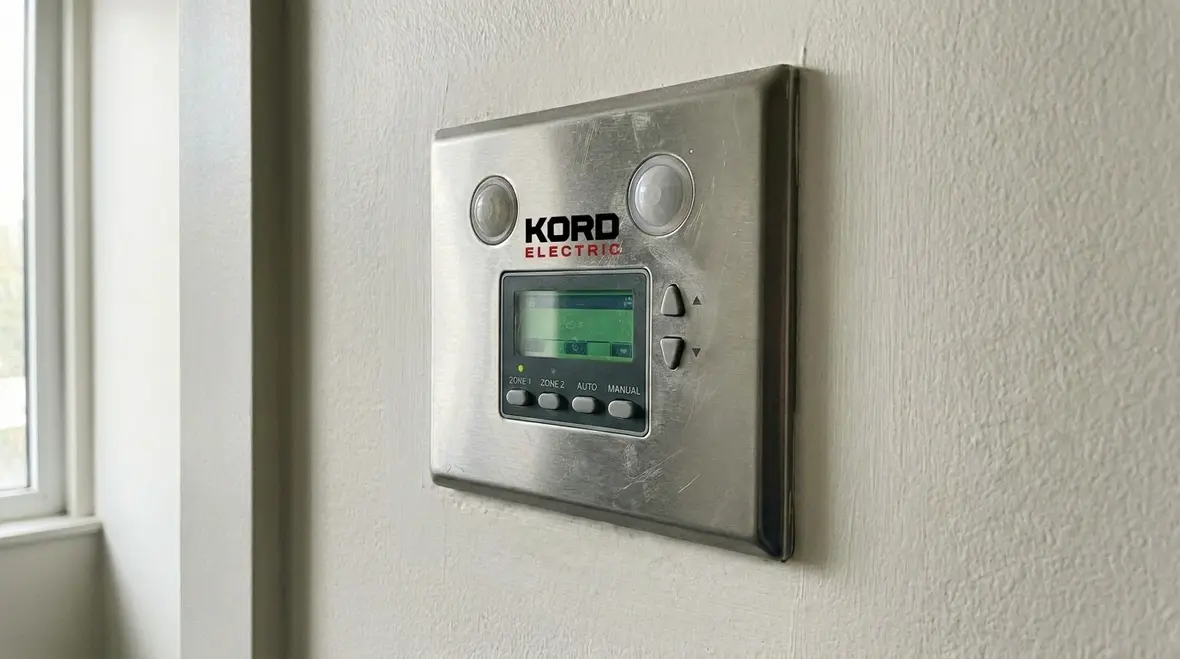
How our technicians plan zones and rules for real use
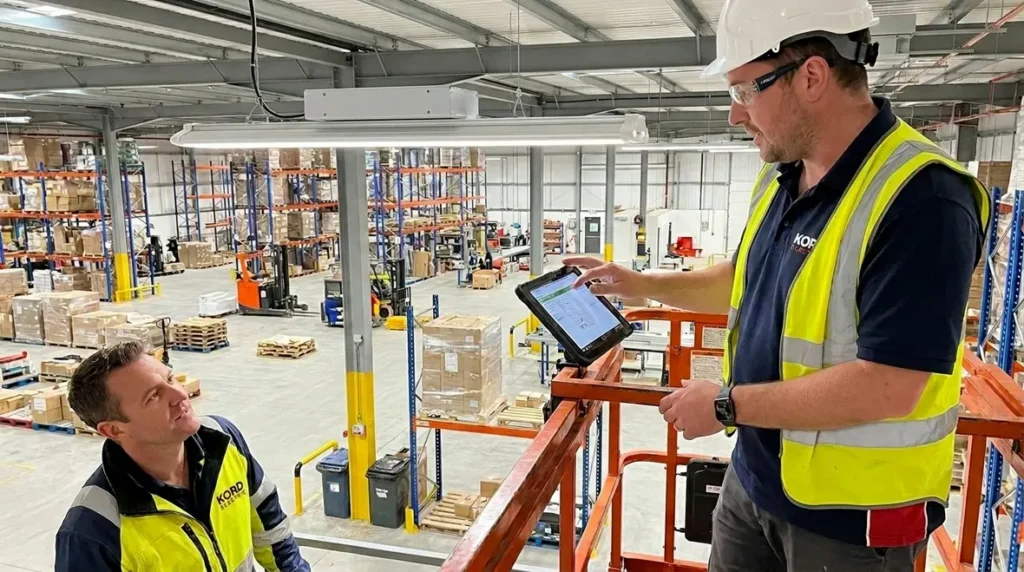
Many upgrades fail because design happens on paper only. At Kord Electric, we send technicians and expert service staff to map how the space behaves. Then we design zones and rules around that behavior. In turn, the lighting responds in a way occupants expect.
We typically start with how people move and when spaces are used. For example, a hallway may need different settings than a training room. Likewise, an enclosed office suite differs from an open collaboration area. After that, we set operational schedules, then refine them during testing.
Also, we consider what the building already has. Some projects start with existing wiring, building management systems, or legacy controls. Rather than forcing a complete rebuild every time, we evaluate what can integrate cleanly and what should be replaced. This approach keeps downtime manageable, which matters for major property buildings with ongoing operations.

Commercial lighting upgrade cost guide, explained without the mystery
Teams often ask about cost, and we understand why. Lighting upgrades can range from straightforward to complex depending on how deep the change goes. Our guidance in the commercial lighting upgrade cost guide breaks down the real drivers, and we use that same thinking during project planning.
Costs often depend on fixture type, the scope of controls, and how many zones the building needs. Additionally, labor can vary based on wiring conditions and access. However, the biggest lever is usually the level of automation you want. Simple time based schedules save energy. Yet advanced commercial lighting control automation can also reduce lighting output based on occupancy and daylight, which can lead to stronger payback in many facilities.
To keep things clear, here is how we think about the cost pieces in many commercial lighting upgrade projects.
Cost driver
Number of fixtures and control points
Zone layout and sensing coverage
Integration needs with building systems
Site complexity and downtime limits
Commissioning and programming time
Why it matters
More coverage means more hardware and testing
Controls must match room use patterns
Better integration supports long term management
Access affects labor and schedule
Proper tuning prevents nuisance behavior
Then we help property managers and facilities teams choose a path that fits budget and goals. After all, nobody wants a system that saves a little and causes complaints. We aim for savings, comfort, and dependable control.
Energy savings and occupant comfort, side by side
When teams hear “automation,” some assume it means less light. That fear shows up during early conversations. However, commercial lighting control automation can improve comfort while lowering energy use, because it controls when and how light levels change.
For example, a space can maintain bright levels during task time and then step down once the room clears. In the same way, daylight harvesting can reduce electric lighting when sunlight supports the work. Therefore, occupants experience steadier brightness and fewer harsh swings.
Moreover, well designed rules reduce flicker and nuisance shutoffs. That matters in places where people work in steady routines, such as warehouses, manufacturing support areas, office wings, and major property buildings with multi tenant schedules. If a system shuts off at the wrong moment, people start using override switches like they are pushing a gaming button. We design so overrides remain a backup, not the main plan.
Our expert service staff also validates performance after install. That means we test sensing, confirm dimming behavior, and adjust schedules based on real use. In short, we do not just turn it on. We make it work.
Integration and maintenance that keeps control dependable
Automation should not become fragile. So, Kord Electric supports systems with service planning and clear documentation. Once controls run in a building for months and years, minor changes happen. Equipment gets moved. Schedules shift. People request adjustments. Instead of treating these moments like emergencies, we build a maintenance mindset.
Integration matters too. When lighting controls align with building management systems, facilities teams can monitor performance and manage settings with less hassle. Consequently, fewer calls go out, and fewer technicians get pulled into preventable troubleshooting.
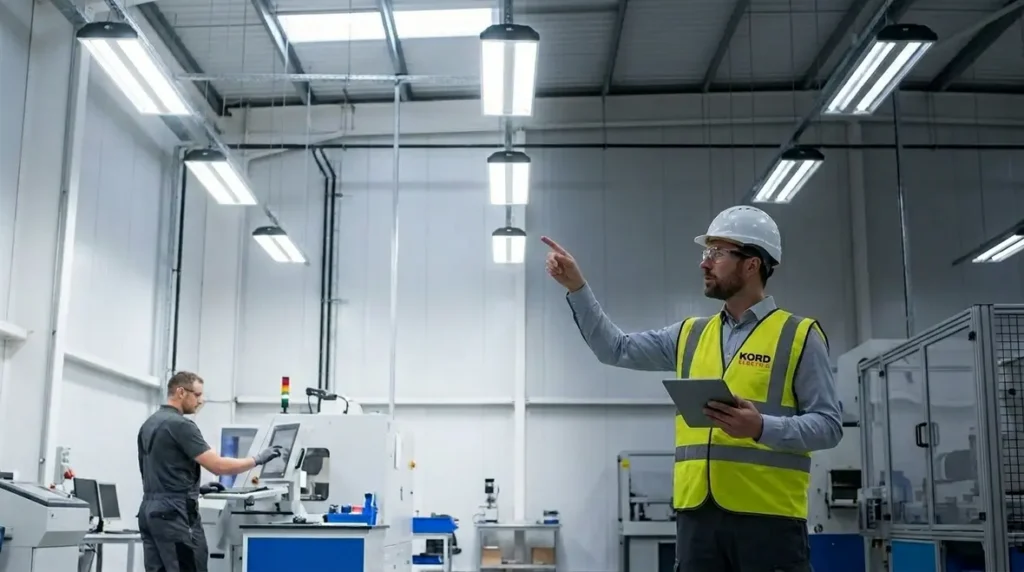
At the same time, we keep language simple when we explain the system. Our technicians walk through what each zone does, how occupancy sensing behaves, and when overrides should be used. Then, they share practical tips for staff. That way, the building keeps control without requiring everyone to become lighting engineers.
One more pop culture note, because we can all agree on this: nobody wants a system that only works when the “chosen one” presses a hidden switch. We design automation to work consistently for the real world.
Featured project plan for a warehouse, office wing, or mixed property
To show how commercial lighting control automation supports different spaces, here is a typical planning flow for Kord Electric focused on commercial and industrial facilities and major property buildings.
- We review site layouts, usage schedules, and any existing controls
- We identify zones that match real tasks, traffic patterns, and sightlines
- We define lighting targets for comfort and safety across day and night
- We select sensing and dimming behavior based on occupancy and daylight
- We program schedules and override logic for facility operations
- We test the system in real conditions and fine tune settings
- We document control behavior so facility staff can manage it
As the project moves forward, we also plan around downtime. For major properties, operations cannot stop. Therefore, the install strategy often uses staged work so teams keep working with minimal disruption.
If you are planning a broader upgrade that goes beyond controls alone, it can help to align automation with your overall lighting installation services strategy. That way, fixture choices, wiring routes, and control logic all support the same long term plan for your commercial or industrial facility.
FAQ
Conclusion and call to action
Kord Electric helps commercial and industrial facilities modernize lighting control with automation solutions that support comfort, safety, and energy savings. Instead of guessing, we plan zones and rules around how people and spaces actually behave. Then we commission the system with our technicians and expert service staff, so it runs reliably after install. If you want a lighting upgrade that performs in the real world, contact Kord Electric today. We will review your site, explain options clearly, and map a practical path forward for your property.
For facilities planning broader improvements, pairing automation with services like electrical preventive maintenance or a full lighting installation program can streamline upgrades, keep systems compliant, and protect your investment long after the project is complete.