What Electrical Work Requires a Permit Los Angeles County
Kord Electric understands that when people search for what electrical work requires a permit los angeles county, they usually feel one of two things: worry, or relief that someone finally says it plainly. And in Los Angeles County, those worries and reliefs have a real source, because electrical work can impact life safety, fire risk, and property systems. So while others may treat permits like paperwork you tolerate, we treat them like a safety checkpoint that keeps your commercial and industrial building protected.
Below, our trained technicians and expert service staff walk you through the work that typically needs permits, what drives those rules, and how we help your facility move forward without delays, guesswork, or surprise inspections. Think of it like a commercial version of “open the instruction manual,” except the manual is required by law and also saves you money.
What a permit protects in Los Angeles County
Before we talk about which tasks need approval, we explain why the county requires it. Electrical systems sit at the core of building safety. When wiring, panels, or conductors change, the risks change too. Then inspectors verify installation quality, labeling, load calculations, grounding, and protection methods. In other words, the permit process checks that the work follows the electrical code adopted in Los Angeles County.
At Kord Electric, our team works with commercial and industrial facilities and major property buildings, so we plan around real operations. However, we also respect that permits exist for a reason. If an installation fails, it does not just trip a breaker. It can create arcing faults, overheating, and fire danger, plus downtime that hits payroll, tenants, production, or deliveries. So even when the scope seems small, we treat code compliance as part of the job, not extra work.
Electrical upgrades that typically need approval

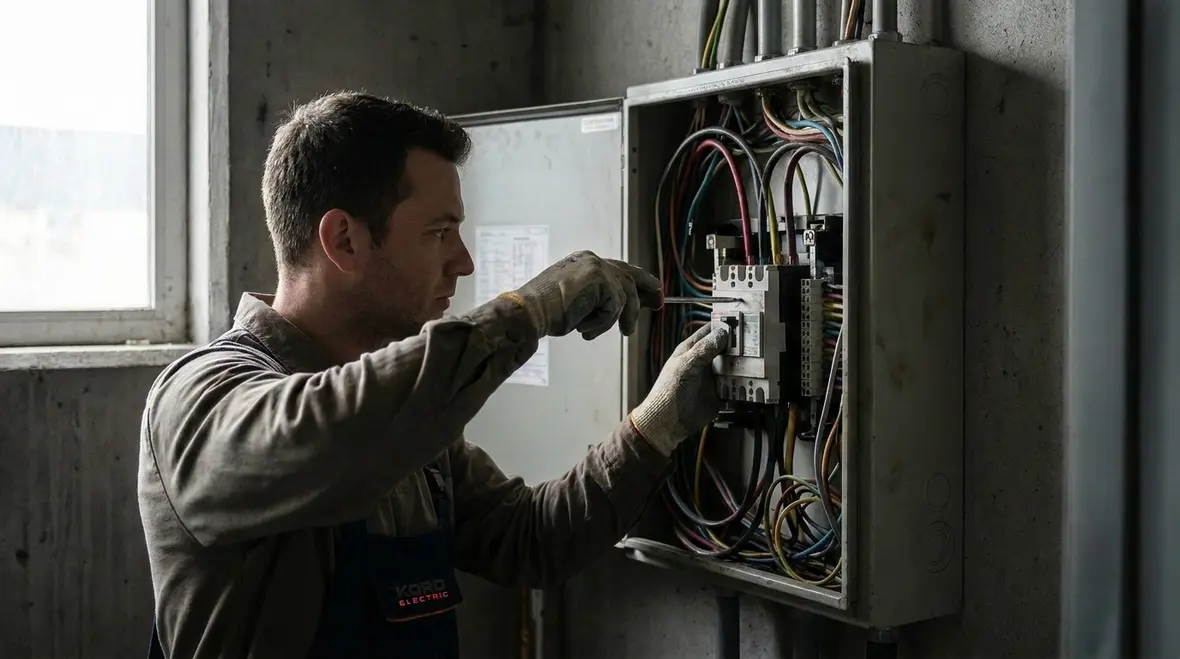
Next, we move to the practical side. Many electrical jobs cross the line into “permit required” because they involve changes that inspectors can verify and approve. We generally see permit needs when the electrical system changes in a way that affects capacity, protection, or safety. Here are common examples our technicians discuss during pre service walk throughs.
- Panel changes and main service upgrades, including adding new breakers, replacing service equipment, or modifying bus ratings
- New circuits that require new wiring runs, new breaker positions, or changes to load distribution
- Panel board replacements where the amperage, configuration, or connection methods change
- Metering changes such as new metering equipment, current transformer setups, or revisions to metering enclosures
- Service lateral or service entrance modifications when work impacts utility interface points
- Transformers and switchgear work, including replacement, rewiring, or functional changes
- Generator interlock work for standby systems that changes transfer or protection methods
To be clear, we do not just list tasks. We evaluate the site. For example, adding a circuit in a lightly loaded office suite may look simple, yet it can still require permits depending on how the wiring connects and whether the work changes the system design. And while we appreciate the “it is just a couple wires” mindset, electrical code does not care about jokes. Code cares about safety and documentation.
Safety related wiring changes that trigger inspections
Now we address the type of work that often becomes non negotiable. Many permit decisions depend on whether the work involves life safety or critical building systems. Inspectors want to see proper installation details, so when the work touches these areas, permits often follow.
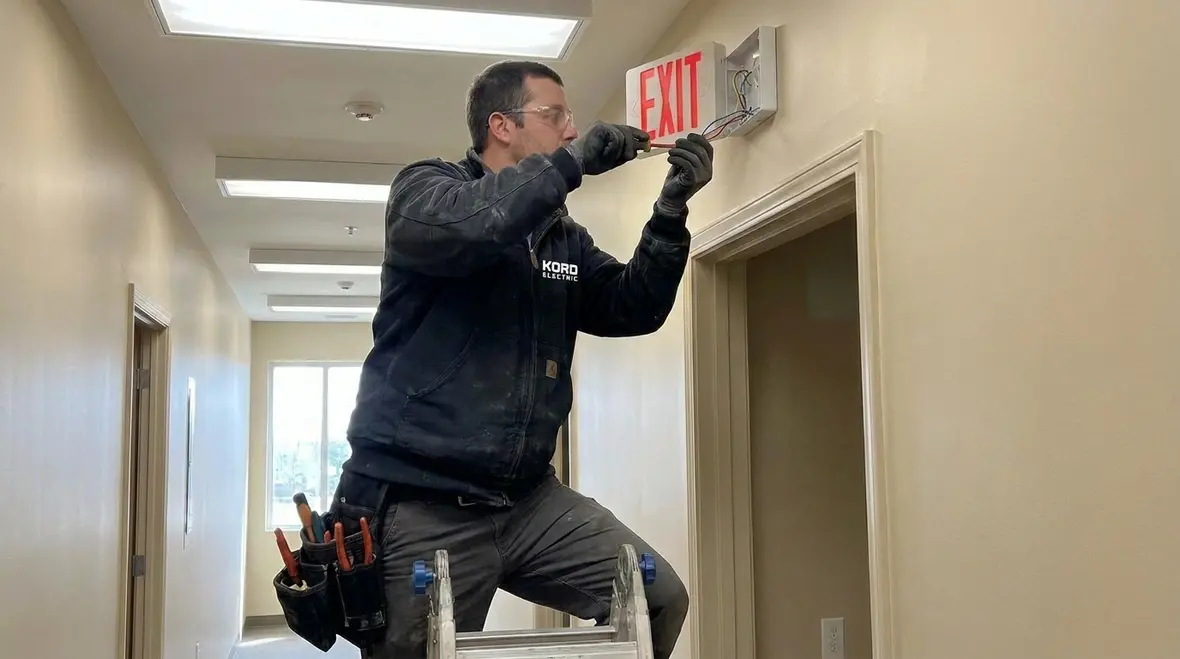
- Emergency and exit lighting, including new fixtures, rewiring, and power source changes
- Fire alarm system power wiring changes, including circuits and connections that affect alarm operation
- Critical branch circuit modifications for areas that supply life safety or required operational loads
- Grounding and bonding revisions that affect equipment grounding conductors, bonding jumpers, or system grounding
- Switching and protection adjustments where breakers, fuses, or protective devices change ratings or functions
When our expert service staff explains the process on site, we make it simple. First, we identify what the facility needs, then we map it to the code requirements. After that, we align the electrical scope with the permit path so your project does not stall after rough in. In commercial environments, delays turn into real costs, so we schedule and document with the permit in mind from the start.
How we decide if a permit applies to your project
Many people assume permits run on a single rule. They do not. We decide based on project scope, system impact, and how the change affects building safety. Therefore, we use a structured approach during our initial review for commercial and industrial properties.
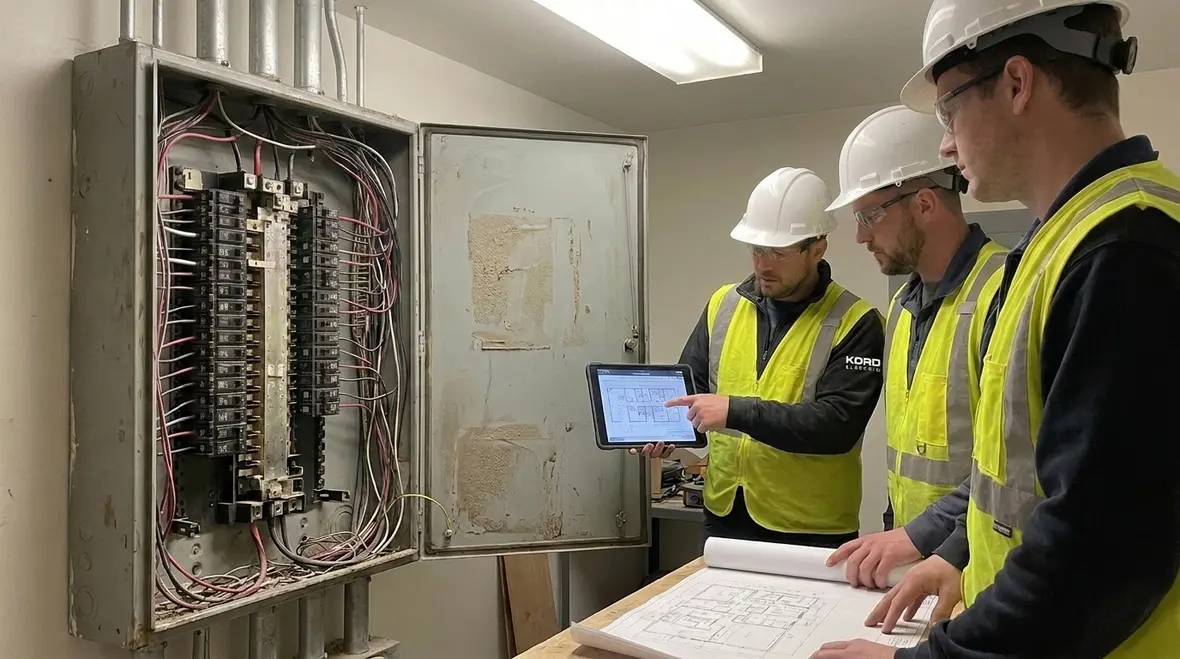
First, our technicians ask what is being installed or modified and where. Then we examine existing equipment such as panel schedules, breaker capacity, grounding methods, and the physical condition of the equipment. Next, we review load changes. Even small additions can push circuits beyond safe limits when loads combine with other tenant improvements or building expansions. Then we evaluate wiring method changes, conductor sizing, and protective device ratings.
From there, we help connect the dots between what you want and what Los Angeles County typically expects. For example, if the work changes service capacity, new permits often apply. If the work adds circuits, permits often apply. If the work touches life safety systems, permits usually apply. And yes, we know that sounds like a lot of “usually,” but that is because each building tells a different story. We do not gamble with safety or compliance. We verify.
For a deeper look, our team has a practical commercial guide that walks through permit basics. You can reference our Electrical Permit Los Angeles Commercial Guide for additional details that align with how we plan and document work for major property buildings.
Common permit related project mistakes we help you avoid
Permits do not just exist to make life harder. They also reduce mistakes that cost time and money. Still, we see recurring problems when teams try to move fast without planning.
- Starting work before confirming permit needs, which can lead to rework once the scope gets expanded
- Skipping load calculations, which can create unsafe conditions or force panel changes later
- Ignoring labeling and documentation, which inspectors often require for equipment identification
- Assuming one tenant upgrade follows the same rules as another, even within the same building
- Forgetting existing system limitations such as spare spaces, grounding conditions, or bus capacity
Here is the calm truth: we keep the process organized. We explain what our technicians will do, why it matters, and what documentation supports it. As a result, the permit path becomes less mysterious. Then the inspection day feels like a verification step rather than a surprise test you did not study for.
What to expect during the process with Kord Electric
Finally, we describe what working with Kord Electric feels like when a permit might be required. Our service teams operate with a steady pace, clear communication, and jobsite respect. And while pop culture loves chaos, commercial electrical projects do not run on vibes.
- Site evaluation to confirm existing equipment conditions and the impact of the intended electrical changes
- Scope clarification so every circuit, device, and connection point stays defined
- Documentation planning for code driven requirements such as labeling and system details
- Coordination of schedules to reduce downtime and keep facility operations stable
- Inspection readiness so our team addresses issues early rather than at the final step
We keep the facility in mind throughout. If your building runs on tight timelines, we plan accordingly. If your operation needs power continuity, we discuss options before we energize anything new. In short, we treat permitting and inspections as part of delivery, not an obstacle course.
If your operations extend across multiple buildings or you manage a large property in Southern California, you can also explore how our broader Los Angeles County electrical services support panels, switchgear, lighting, and emergency response under one coordinated service umbrella.
FAQ about electrical permits for commercial and industrial buildings
Ready to keep your project compliant and on schedule
When teams skip permit planning, the project usually pays for it with delays, rework, and costly re inspections. Kord Electric helps commercial and industrial facilities make smart decisions from the start. Our technicians explain the scope, confirm what needs approval in Los Angeles County, and guide your job toward inspection readiness. If you are planning panel work, service upgrades, tenant electrical improvements, or life safety power changes, call us. We bring calm planning and solid execution, so you can move forward with confidence.
As you plan your next project, you can also connect this permit planning with broader commercial support from Kord Electric’s Los Angeles County electrical services, so upgrades, troubleshooting, and future additions follow one clear, compliant roadmap instead of scattered, last minute fixes.
If you are coordinating multiple projects or want to see how permitting fits into a bigger electrical strategy, it can also help to explore our in-depth guides on topics like electrical permits, inspections, and system evaluations in the Kord Electric blog. The goal is always the same: reduce surprises, keep timelines steady, and make sure every inspection feels predictable, not dramatic.
When you are ready to move from the planning conversation to an actionable scope, our team is here to translate your facility needs into a permit-ready electrical path that respects real-world operations across Los Angeles County.
Take the next step with Kord Electric
Whether you are reviewing what electrical work requires a permit Los Angeles County wide, lining up an upcoming tenant improvement, or mapping out a larger upgrade across multiple buildings, our team is ready to help you structure the work, secure the right permits, and keep inspections moving smoothly from first submission to final sign off.
For commercial and industrial facilities that want fewer surprises and more predictable outcomes, pairing our permit guidance with ongoing service support turns every project into another step toward safer, better documented electrical systems.