

Zero Downtime Data Center Power Strategies
Designing for Zero Downtime in data center power architecture
Zero downtime is not a slogan for the teams at Kord Electric. It is a design goal, one we chase from the moment a client maps critical loads to the moment our technicians close the last panel. In the first phase, we build Data center power redundancy strategies around safe switching, clean paths for power, and clear testing routines. Then we move into the real world of maintenance windows and aging equipment, where even the best plans can slip unless the electrical system stays ready.
And yes, the goal is calm reliability, not “surprise outage theater.” If you have ever watched a critical UPS fail like a slow motion car crash in a movie, you know why we treat power continuity as a business requirement, not a hope.
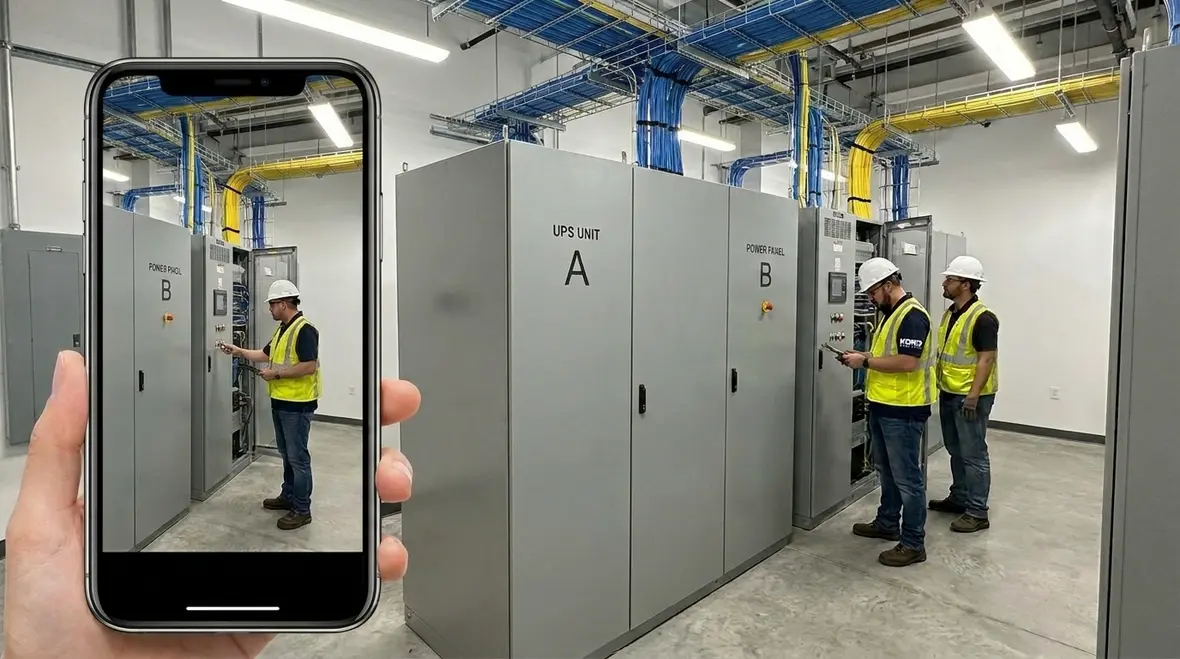
Redundancy that keeps working when reality gets loud
Modern data centers run on more than generators and shiny panels. They depend on how well the full chain behaves: utility input, transformers, switchgear, UPS systems, distribution, and monitoring. Therefore, our approach uses layered protection so that a failure in one part does not force the entire facility into darkness.
First, we help clients identify which loads truly demand uninterrupted service. Next, we separate critical and non critical circuits with intention, so the facility can ride through faults without feeding less important loads at the worst possible time. Then we validate that the system can transfer between sources safely, using transfer schemes that support maintenance and fault conditions.
Our expert service staff explains each step in plain language, because in industrial and commercial work, people should understand what happens when the switch happens. When a client knows the sequence, they can plan, approve, and operate with confidence. We often tell our clients: if you cannot describe the transfer in a meeting, you cannot defend it during an emergency.
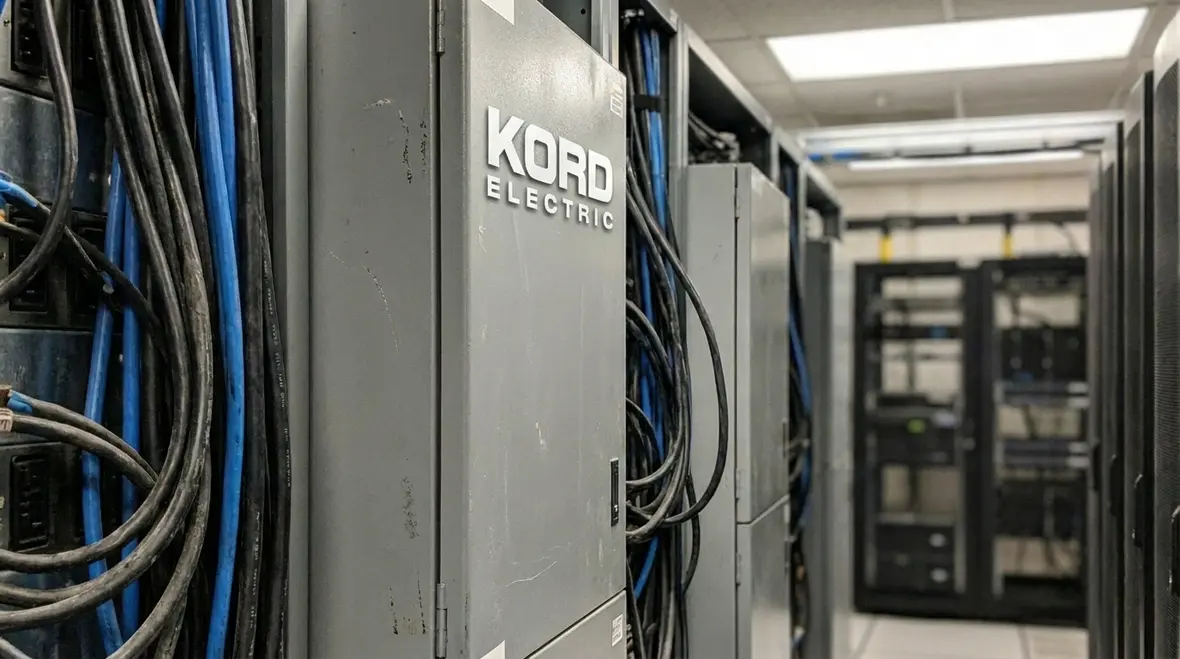
Where downtime usually hides in the electrical chain
Most “unexpected” downtime does not appear out of nowhere. It grows from common gaps in design, installation, or maintenance. For example, a system can be electrically redundant yet still fail due to poor labeling, mis coordinated protections, or unclear switching steps. Also, aging components can drift out of their safe ranges long before alarms reach a clear threshold.
So we inspect the details that matter. We look at transfer logic and interlocks, verify breaker operation sequences, and confirm that protective devices respond in the right order. We also review how the distribution is segmented so that a single feeder issue does not spread.
Then we add practical safeguards. Our technicians document changes, confirm settings, and use a repeatable test plan. As a result, clients avoid the classic problem of “it worked last time” replacing proven procedures. Like any good sitcom plot, failure often repeats the same way unless someone rewrites the script.
Built for maintenance: switching paths and safe transfer schemes
Zero downtime design must support service tasks. That means the facility needs a way to move loads without breaking continuity. Therefore, we plan for maintenance by creating switching paths that allow equipment work while power stays stable for critical loads.
In practice, that can involve source isolation, transfer bypass options, and carefully arranged redundancy across bus sections. We also pay close attention to how electrical rooms and enclosures support real workflows. When technicians can access equipment safely and follow clear procedures, the system stays reliable longer.
Our expert service staff spends time with facility managers so the team understands how to operate during planned events. We explain what operators should verify before switching and what alarms they should treat as stop and investigate signals. Because the fastest path to downtime often starts with a rushed decision and a misunderstood sequence.
UPS, generators, and transfer systems that do not argue with each other
In most commercial and industrial data centers, UPS systems act as the bridge between utility disruptions and generator takeover. However, redundancy is not only about having multiple power sources. It is about how those sources coordinate in time, tolerance, and control logic.
Our engineers and technicians review the full transfer timeline. We validate thresholds, confirm that bypass paths behave correctly, and ensure that switching control systems prevent unsafe overlaps. We also check that the distribution downstream of the UPS remains protected by devices tuned to the load profile.
Additionally, we help clients plan for testing without service interruption. That means using procedures that confirm performance while keeping the critical load supported. We also guide clients through the cost and risk side of rewiring during system upgrades, because sometimes reliability requires change, not avoidance. If you already have an operating facility, we align upgrade work with business needs using the same practical mindset described in our rewiring cost guide for commercial electrical systems. The lesson is simple: you plan access, you plan downtime risk, and you plan the labor path. That way, upgrades stay controlled instead of chaotic.

Planning upgrades like professionals, not like last minute scramble
Even the best designed system eventually needs upgrades. New racks arrive. Load density increases. A facility adds a wing, a hall, or a new computing block. Therefore, design for zero downtime must include upgrade strategy from day one, not after a problem appears.
In the field, rewiring and panel work can become expensive when schedules slip and operational constraints hit. Our team helps clients reduce that risk by building a clear work plan around access to electrical rooms, switching boundaries, and the order of operations. We treat labeling and documentation as part of the job, not as an optional cleanup task.
We also coordinate with facility teams on communication and testing windows. When our technicians step into an active data center, we plan for safe staging, clear responsibilities, and verification steps that confirm power stability. As a result, the facility avoids extended outage exposure and avoids the “we thought it was redundant” moment that no one wants to hear in a post event meeting.
Monitoring, controls, and proof testing that catches issues early
Redundancy strategies only help if the system reveals problems before they become failures. Therefore, we recommend strong monitoring practices that track both electrical health and control behavior. That includes alarms that clearly define action steps and trending that supports early intervention.
At Kord Electric, our expert service staff supports clients with practical proof testing. We focus on what operators can verify, what maintenance teams can repeat, and what controls can confirm under real conditions. Also, we make sure the monitoring points cover the paths that matter most, including the transfer points and the protection devices.
When monitoring and testing work together, the facility can move from reactive fixes to scheduled prevention. That shift saves time and reduces risk. It also helps clients defend budgets during audits, because they can show evidence of maintenance and verification rather than guesswork.
Cost drivers in critical power continuity for major buildings
Clients often ask about cost, and they should. In commercial and industrial settings, the price of reliability depends on scope, downtime risk, and equipment type. Yet the best way to protect the budget starts with the right strategy.
We help clients understand key cost drivers such as system complexity, access constraints, switchgear and UPS configuration, and the amount of testing required for safe commissioning. We also factor in how long equipment lead times can stretch, which affects project schedules and the need for temporary measures.
Because zero downtime projects rarely fail from the equipment alone. They fail from mismatched planning. So we guide teams to budget for the work that supports safe operation, including verification, documentation, and on site coordination. Then, when upgrades occur, they align with reliability goals instead of fighting them.
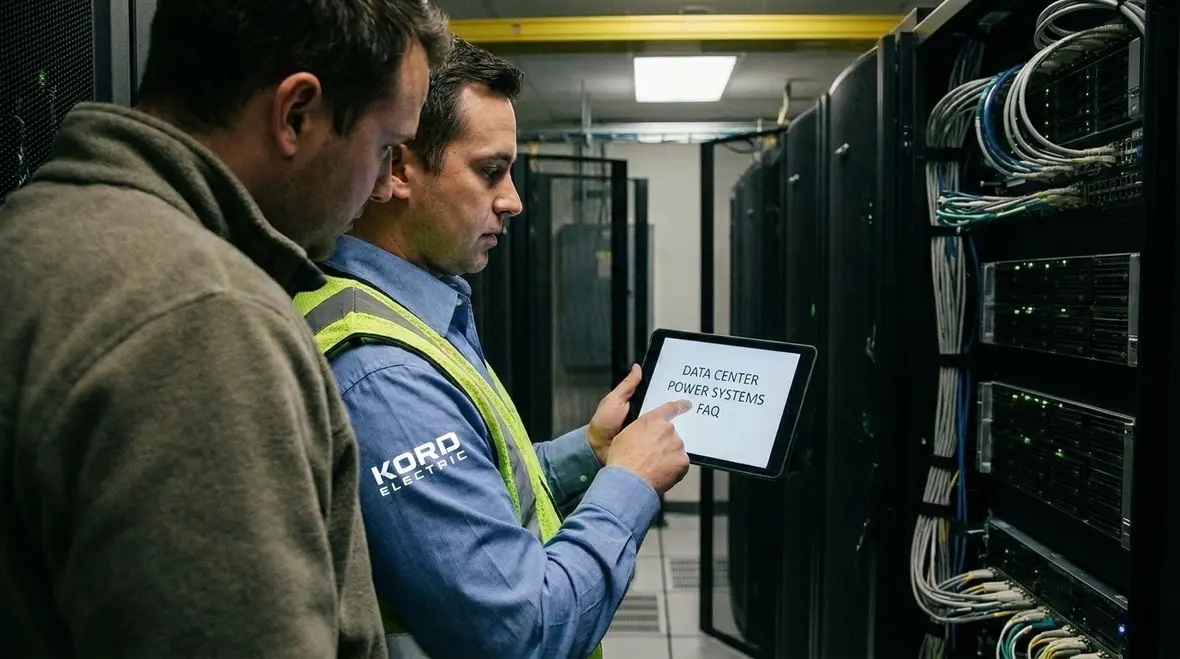
FAQ
Conclusion and call to action
If your facility runs on critical computing, your power system should run like it expects scrutiny. Kord Electric helps design, verify, and upgrade electrical systems that support Data center power redundancy strategies with safe switching, strong protection, and proof testing. Our technicians and expert service staff explain the plan in clear terms and back it with disciplined field work. For facilities that also need a structured reliability program, our electrical preventive maintenance services support ongoing inspections, testing, and documentation so zero downtime design continues to perform as loads grow and equipment ages.
Contact us for a reliability review or an upgrade roadmap. We will map the path from today’s architecture to calmer, safer operation, whether you are planning a new build, expanding an existing data center, or coordinating upgrades across a portfolio of commercial and industrial properties.


