
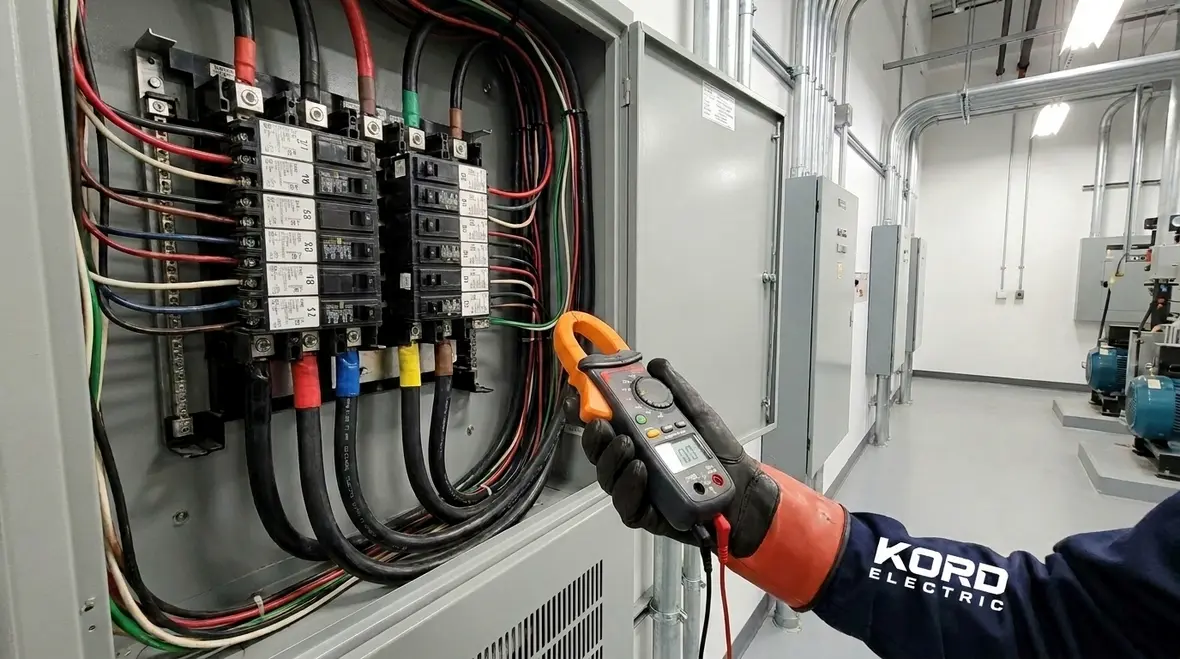
Electrical Load Balancing for Commercial Buildings
Electrical load balancing explained: keeping your commercial power steady and efficient
Electrical load balancing explained is the disciplined way we spread electrical demand across multiple circuits, phases, and feeders so no single path gets overwhelmed. In commercial and industrial facilities, this matters because uneven loads can drive up energy waste, create hot spots in equipment, and increase the odds of nuisance trips or uncomfortable surprises. We at Kord Electric treat load balance like good facility management: calm, planned, and measurable. Then, once we do it right, your system runs closer to its intended design. And yes, it feels less like a mystery and more like a thermostat with manners. Others might guess. We verify.
Why commercial buildings drift out of balance
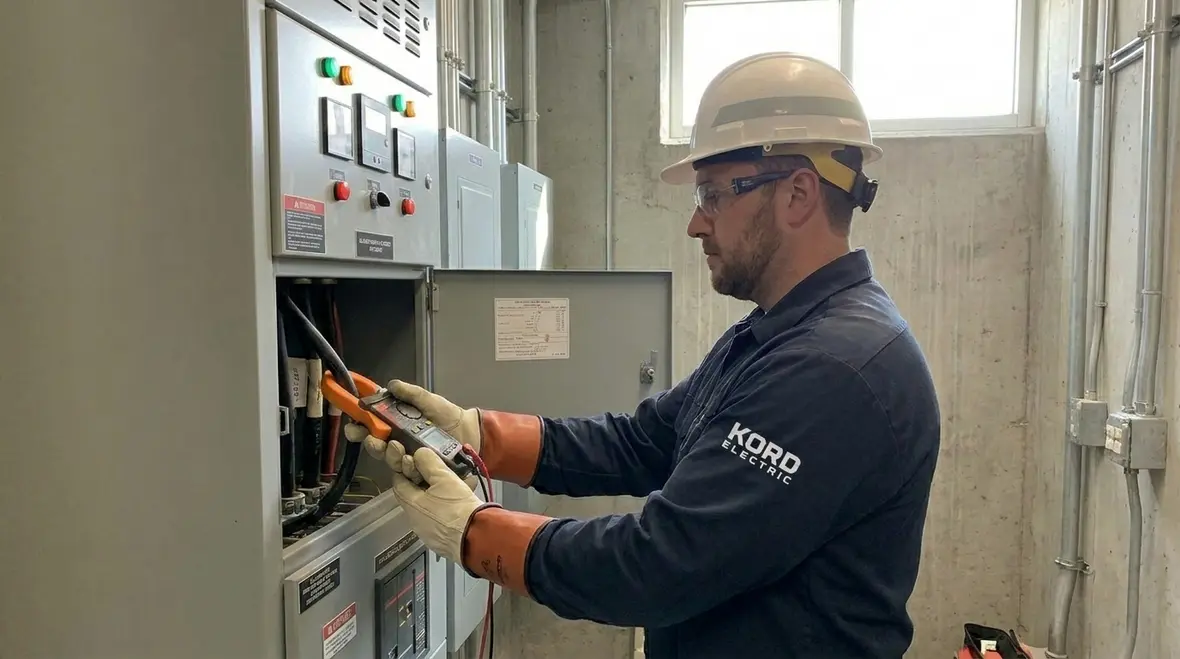
In real life, commercial power never behaves like a perfect textbook. People add equipment, tenants change schedules, refrigeration cycles kick in, and production lines ramp up. As a result, we often see uneven draw across phases, panels, and distribution paths. At first, the imbalance looks small. However, over months, it can quietly impact how your switchgear, transformers, and bus bars perform. Furthermore, when voltage drops or current spikes, sensitive loads such as HVAC controls, drives, and networking equipment pay the price.
Our technicians and expert service staff explain what they see in plain language, not jargon. They walk facility teams through patterns like daytime load peaks versus night baseload, weekend HVAC surges, and phase skew caused by new circuits added during remodels. In other words, we help you connect symptoms to causes instead of playing whack a mole with breakers.
And if you think “it’s only a little imbalance,” remember: a small leak sinks a ship faster than a dramatic splash. Power systems work the same way.
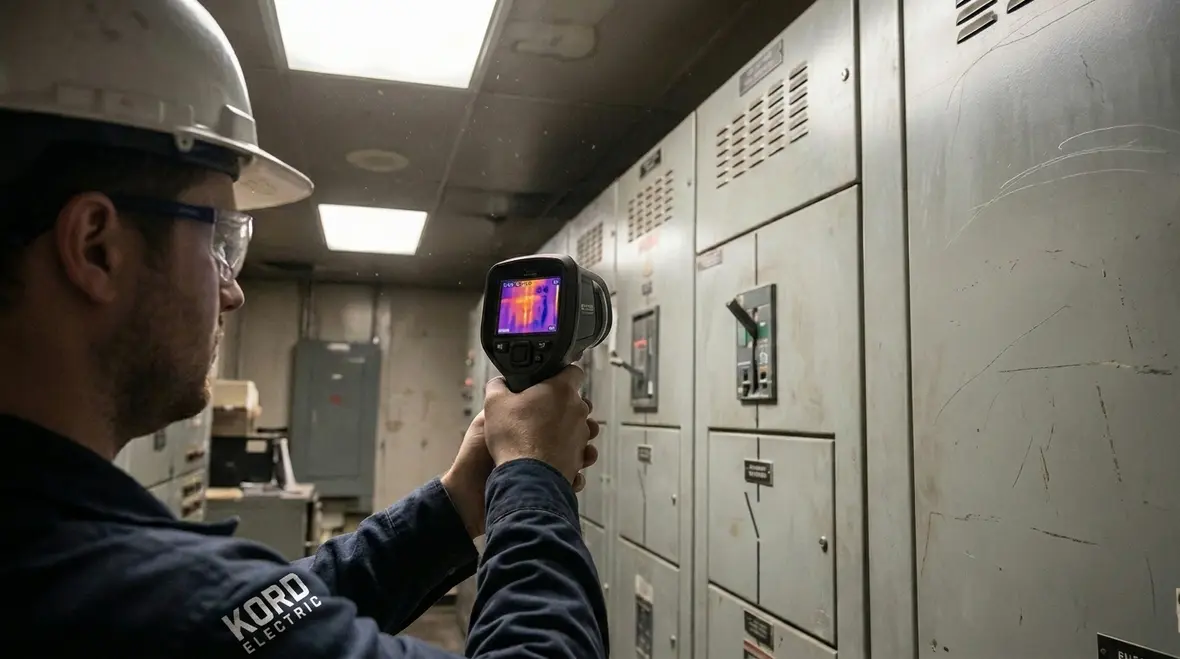
Load balancing approach for multi-tenant and industrial sites
We start with a clear plan that fits the building’s complexity. Then we collect the right data and compare it against the electrical one line and panel schedule. After that, we map how loads flow across phases, feeders, and distribution levels. This is where we separate guesswork from control. For many commercial and industrial facilities, the problem is not that the system lacks capacity. Instead, it is that capacity sits in the wrong place at the wrong time.
Our expert staff often uses a structured sequence:
- We review single line diagrams, panel schedules, and equipment nameplates
- We identify critical loads and their operating cycles, including HVAC, process loads, and lighting control
- We measure current and, when needed, phase relationships to see where imbalance truly lives
- We prioritize improvements that reduce risk first, then optimize efficiency
Next, we design redistribution strategies that respect code requirements and operational constraints. We do not disrupt your business for no reason. Instead, we coordinate work windows and target changes that create measurable balance and stable operation.
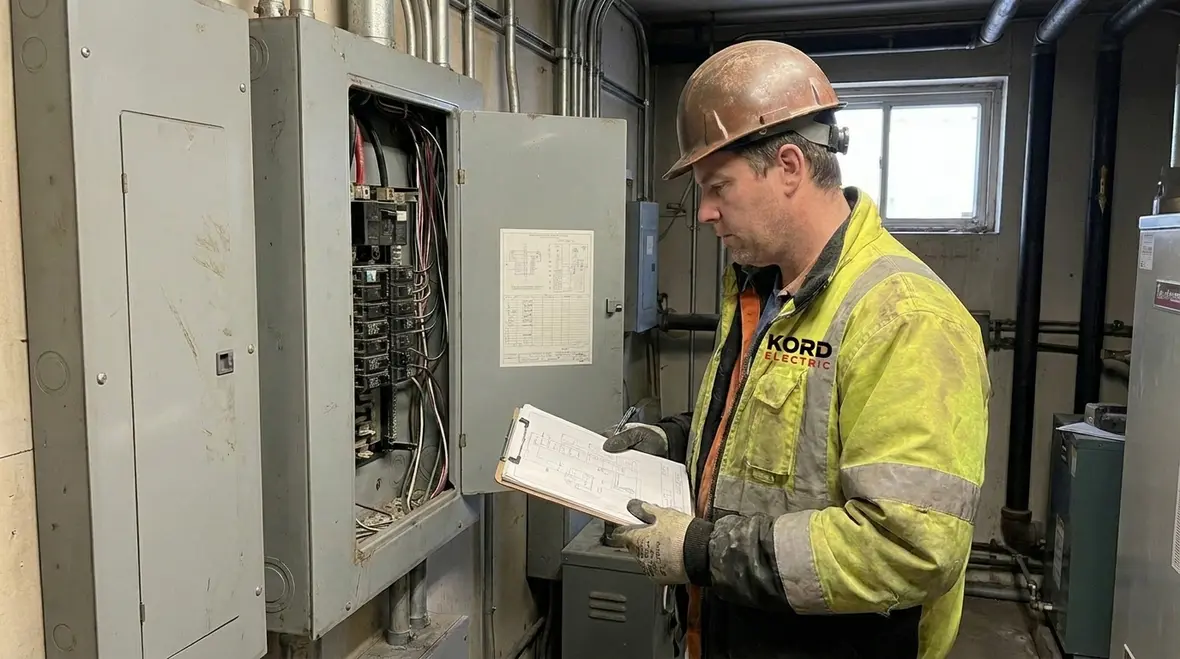
How smart distribution boosts power efficiency in real conditions
Once we understand where the imbalance occurs, we can improve efficiency without forcing your facility to run in a different way. Electrical load balancing explained in practice means we reduce unnecessary stress on equipment and smooth the demand profile. When current spreads more evenly, conductor heating becomes more predictable, voltage stability improves, and downstream devices operate closer to their expected ranges.
Also, improved balance can reduce wasted energy tied to losses. In distribution systems, losses rise with higher current flow through resistive elements. Therefore, when one phase carries a disproportionate share, the system works harder than it should. We reduce that uneven burden. As a bonus, balanced loads can improve power quality, which helps your drives, controls, and monitoring systems stay happier.
Our technicians then document the outcomes. That means we do not just “move wires” and hope. We confirm changes, we verify stability, and we report results the facility team can trust.
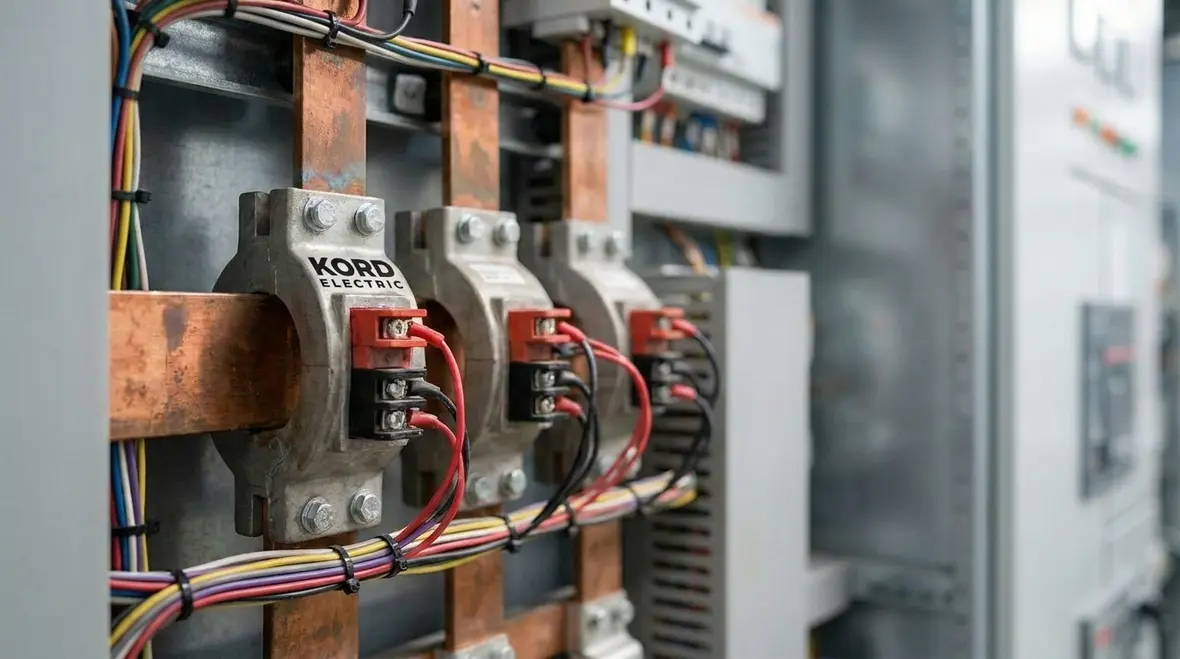
Phasing, panel strategy, and protective coordination that actually matter
Many people focus only on balancing currents. We go deeper because real facilities need safe operation. We pay close attention to phasing, panel loading, and protective coordination so balancing does not create new problems. For example, moving loads can affect breaker sizing, trip curves, and the way fault current routes through the system.
So we build a strategy that protects both equipment and uptime. In addition, we consider service depth, motor starting currents, and how surge behavior changes as loads relocate. Then we coordinate improvements with your operations team, because production schedules do not care about our calendars.
Here is what our expert service staff typically reviews:
- Phase assignments for major loads, including motors, HVAC systems, and process equipment
- Panel-to-panel feeder paths and where load shifts can create better symmetry
- Breaker and fuse coordination so nuisance tripping does not increase
- Neutral loading risks, especially where non linear loads exist
- Operational sequencing so critical loads still start reliably
And yes, we do explain this clearly. We have watched perfectly smart people fall into the trap of “it should work.” Then the field reality shows up, wearing steel-toe boots.
EV charging and load balance: keeping demand from stepping on your toes
Commercial facilities add EV charging, and the electrical load picture changes fast. We know this because we install and integrate EV charger systems, and we plan around the building’s capacity and distribution behavior. For example, when we handle EV charger installation, we evaluate where chargers connect, how demand profiles develop, and how the site can avoid pushing any panel or phase beyond its comfort zone. You can read more about our EV charger installation work at kordelectric.com/ev-charger-installation/.
Furthermore, we coordinate charger layouts with facility needs. Then we align charging capacity with the electrical system so the site can scale without creating repeated peak shocks. In other words, we aim for growth that feels smooth, not like trying to run a marathon while carrying a second one in your trunk.
Our approach connects load balancing to real usage patterns. We consider business hours, fleet schedules, tenant charging behavior, and the fact that most EV demand does not arrive politely at the same time. Therefore, we design charging so it stays stable, controlled, and safe for commercial and industrial operations.
Measuring results and maintaining balance over time
Load balancing is not a one-time task. Equipment ages, tenants change, and new projects appear. So we treat balance as a living goal. We start by measuring baseline conditions. Then we implement improvements. After that, we verify performance and document what changed.
To keep the system stable, we recommend a maintenance routine that matches your operating reality. We help you review key indicators such as recurring breaker events, panel thermal behavior, and load patterns. Also, when construction or tenant improvements happen, we plan electrical updates with load balance in mind so the building does not drift back into uneven operation. For a deeper look at proactive strategies, you can explore our insights on commercial and industrial electrical maintenance plans.
Our expert staff also supports staff education. When facility managers and electricians understand the “why,” they can make smarter decisions during future upgrades. And when issues arise, they know where to look first, which saves time and reduces disruption.
FAQ
Ready to stabilize power and improve efficiency with Kord Electric
At Kord Electric, we help commercial and industrial facilities achieve dependable electrical load balancing explained performance through measurement, careful distribution planning, and verified results. Our expert technicians and service staff explain every step, coordinate upgrades with your operations, and document outcomes so you can see real progress. If your panels run uneven, if breakers trip at the wrong times, or if you plan EV charging growth, contact us for an on site assessment. Let’s make your power system feel as calm as it should.
If you are planning broader upgrades alongside load balancing—such as lighting improvements or system modernization—our lighting installation services for commercial and industrial facilities can help align your electrical strategy with energy efficiency, safety, and long-term performance.


