
Advanced Commercial Building Load Balancing
Advanced commercial building load balancing: why big facilities need calm power
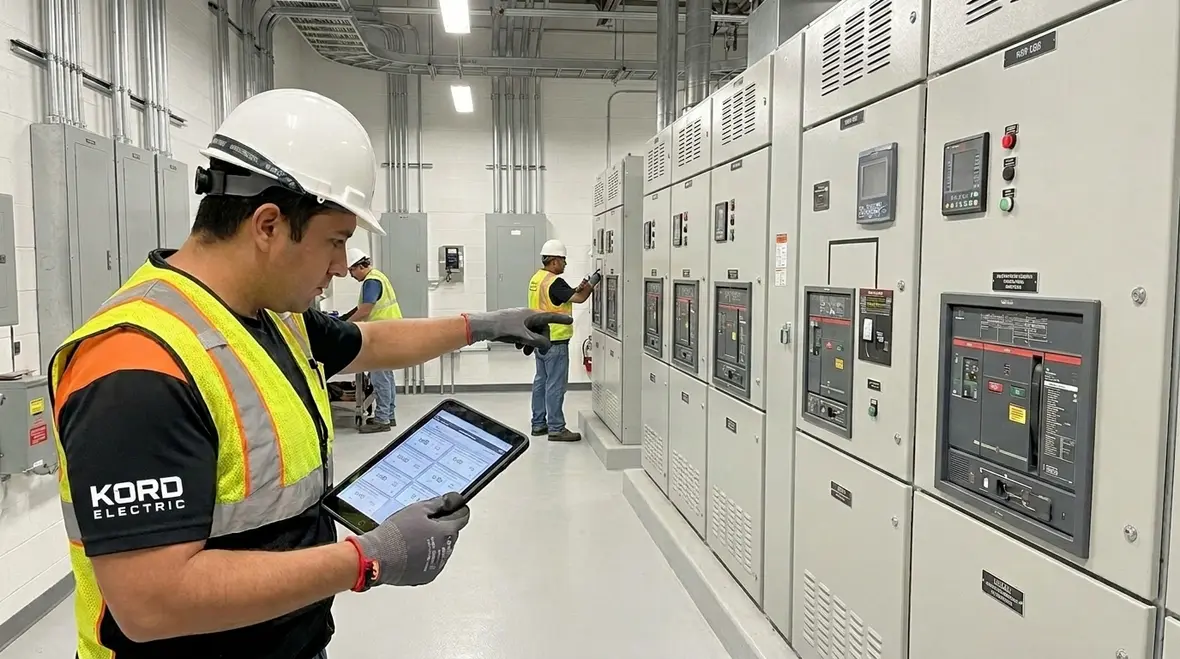
At Kord Electric, we focus on commercial and industrial facilities and major property buildings, because those sites live or die by power stability. In the first place, advanced commercial building load balancing helps spread electrical demand so no single feeder, transformer, or panel gets overworked. As a result, we reduce nuisance trips, lower hot-spot risk, and keep your operations steady even when schedules change. If you have ever watched a building “perform” during peak hours, you know it can feel like a sitcom where the lights only flicker when the plot twists. We prefer a tighter script.
In this article, our approach becomes clear: we use proven distribution design, smart monitoring, and careful planning. Then, our technicians explain what we see in real time, in plain language, so your team can make confident decisions. Because nobody should guess when it comes to power.
Distribution design that supports reliability from day one

Large commercial buildings rarely fail in a single moment. Instead, they drift toward problems through small imbalances: uneven occupancy, variable tenant loads, seasonal HVAC changes, and aging equipment. Therefore, we start with a reliable foundation: the electrical distribution scheme. We look at feeder zoning, transformer sizing, and the expected load profile across zones and floors. Then we align protective devices to that plan so the system responds predictably when something goes wrong.
Our team also references the kind of reliability thinking you can find in our data center distribution design article, where redundancy and thoughtful layout protect performance. While a data center is a distinct environment, the reliability mindset transfers well to major properties: plan for demand variation, reduce single points of failure, and design for stable operation under both normal and abnormal conditions. For a deeper look at that approach, explore our related guide on data center electrical distribution design for reliability and see how those principles translate into calm power in commercial spaces.
In other words, we do not “balance” the load like moving furniture at midnight. We balance it like engineers: by planning where power goes, how it returns, and how protection acts. And yes, we still include jokes during site walks, because our technicians have learned that calm people ask better questions.
How we measure imbalance before it becomes a problem
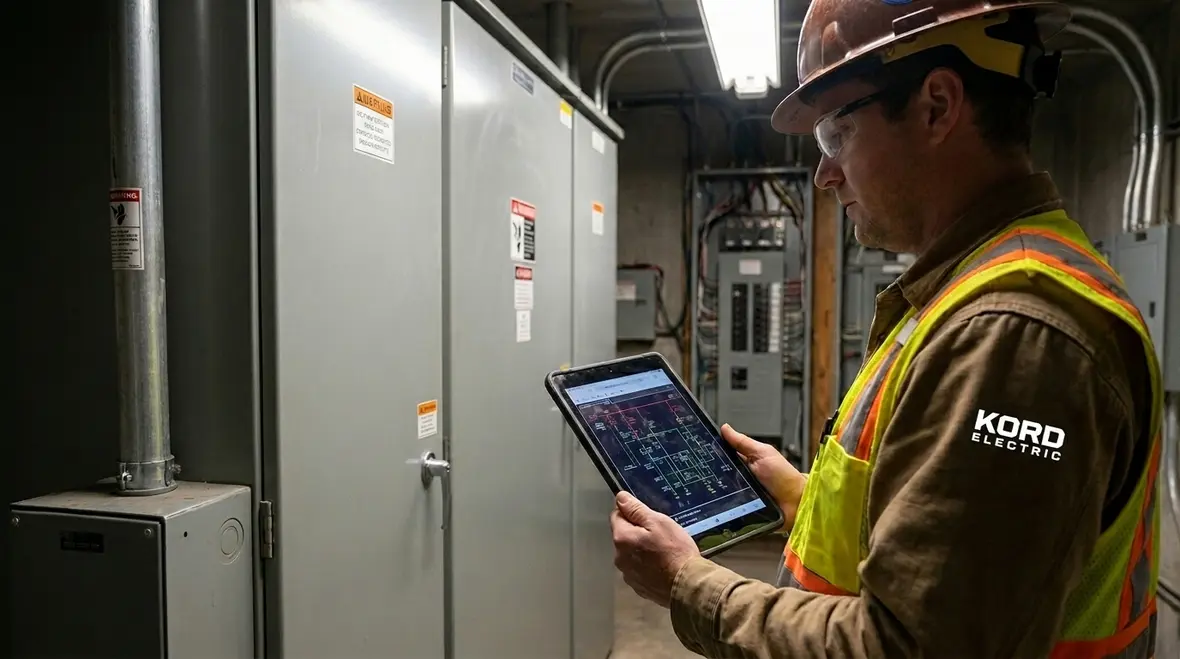
Once the system exists, it has to be managed, not just installed. Consequently, we use measurement to identify imbalance early. We check load sharing across switchboards, distribution panels, and parallel paths. Then we compare current levels, harmonics trends, and voltage behavior under changing operating conditions.
We often begin with utility meter data and building management system trends. After that, we verify on-site with selective metering and inspection. That combination matters because software dashboards can hide the “why.” For example, a panel might look fine on an average, but its peaks could still stress conductors or cause breaker nuisance trips. Meanwhile, voltage drop may remain within limits yet still reduce equipment efficiency, which is the electrical version of buying an umbrella after the rain starts.
Then we translate the data into decisions your operations team can act on. Our expert service staff explains the findings in clear terms, such as which circuits carry the most burden, which loads are drifting over time, and how changes in tenant usage will affect future balance. We do not overwhelm people with jargon. We guide them toward the next best action.
Modern load balancing methods for multiple zones and tenants
Commercial buildings seldom behave like a single machine. They behave like a neighborhood: multiple tenants, different schedules, and equipment types that do not share the same “wake up” time. For that reason, we apply advanced methods that keep distribution stable across zones.
One method involves creating intentional load zones and using distribution routing that reduces overlap between high and low demand areas. Another method involves designing for diversity: not every load peaks at once, and we account for that reality in feeder and transformer planning. Then we use switching strategies where appropriate to manage backup power pathways without creating new imbalance under transfer conditions.
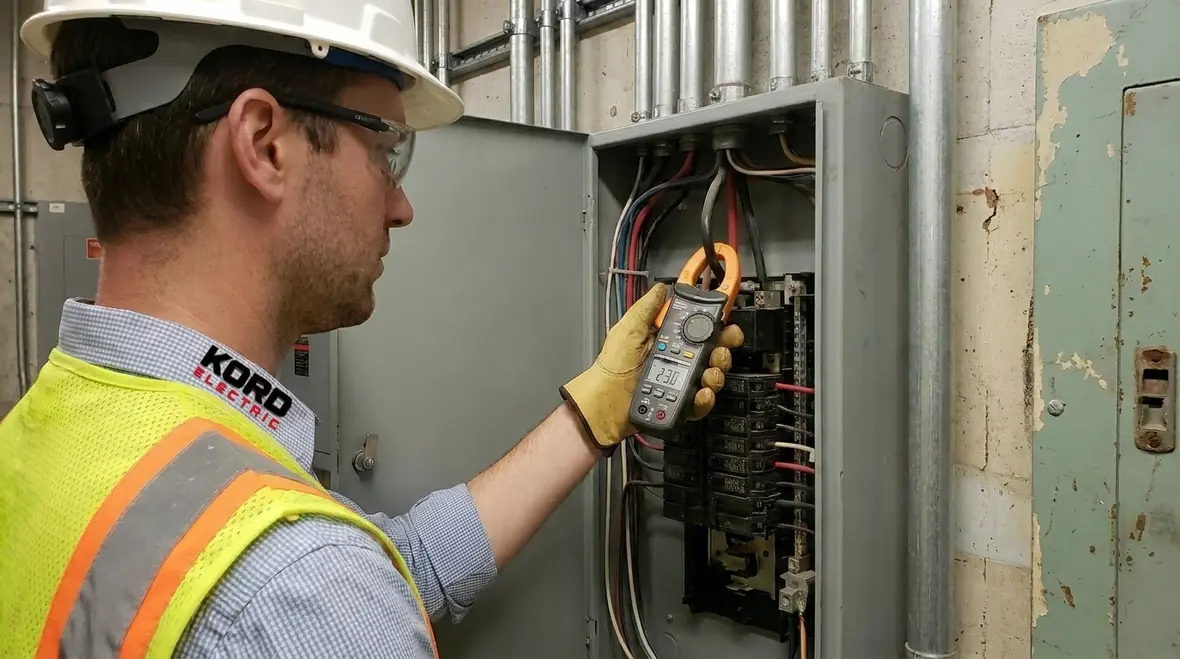
We also address rebalancing through circuit assignment updates. When tenants expand, remodel, or add processes, the original circuit plan can drift. Therefore, we review panel schedules and circuit loads, and we shift loads where safe and practical. However, we do not just “move breakers around.” We verify circuit capacity, protective coordination, and labeling accuracy, so operations stays reliable and maintenance stays sane.
If you are wondering whether this is all too detailed, consider this: the most expensive outage is the one nobody predicted. Our approach tries to prevent that. We would rather be a little boring during planning than exciting during an emergency call.
Power quality and protection coordination that keep balancing stable
Even the best balancing plan can suffer if power quality and protective behavior do not match the real world. Therefore, we focus on harmonics, neutral loading, grounding, and protection coordination. These factors shape how current flows and how equipment reacts during transient events.
For example, nonlinear loads like variable frequency drives, modern lighting controls, and certain manufacturing equipment can shift current patterns. This can increase neutral current and cause hot spots, even when total demand seems reasonable. As a result, we treat neutral management and harmonic mitigation as part of the load balancing strategy, not as an afterthought.
Protection coordination matters because it defines which device trips first. When devices do not coordinate, you can end up with wider outages than needed. That affects life safety systems, tenant operations, and sometimes business revenue. So we review settings, breaker curves, and fault assumptions, then validate that the system trips the right breaker, in the right time, for the right reason.
In short, reliability comes from consistency. We help the building respond the way it should, not the way it feels like it wants to.
Operational playbook: managing changes without upsetting the system
Buildings change all the time. People add equipment, tenants modify spaces, and maintenance teams replace components. If those changes happen without an electrical review, load balance can slowly erode. Thus, we build an operational playbook that keeps the distribution healthy after commissioning.
Our technicians and expert service staff work with facility teams to set a review cadence. We recommend periodic checks based on load growth, seasonal patterns, and system aging. Then we create a simple change process: when a tenant request arrives, we assess circuit capacity, feeder loading, and panel distribution before work begins.
We also document the “as-built” state and keep it aligned with what the building actually uses. That reduces confusion during troubleshooting. And yes, we have seen labeled breakers that led to the wrong room, which is funny until it costs three hours and a lot of patience.
As part of this approach, we support major property owners with planning for upgrades. If new equipment will add demand, we design balancing improvements ahead of time rather than after the first hot breaker. That mindset protects uptime and keeps your electrical system predictable.
When redundancy and backup power affect distribution balance
Backup power systems bring value, but they also change how current moves during transfer and restoration. Therefore, we handle load balancing carefully around generators, UPS systems, and transfer equipment.
We review which loads land on backup first, how load shedding works, and how transfer time affects sensitive systems. Then we confirm that backup pathways do not overload critical components when the building switches from normal to emergency power. During restoration, we ensure load pickup sequences prevent sudden surges that can unbalance distribution.
For major property buildings, we also consider life safety loads, critical tenant loads, and common area circuits. The goal is not just “backup power works.” The goal is backup power works without creating a new set of weak links. Our approach stays grounded in real operating scenarios, including partial equipment outages and seasonal peak conditions.
That is where careful engineering meets field reality. And where our expert service staff can explain why a timing setting matters, in plain terms, while you still have your coffee.
FAQ
Final thoughts and the next step with Kord Electric
When your building grows, your electrical system should grow with it. We help commercial and industrial facilities improve reliability through practical commercial building load balancing strategies, measured planning, and real-world protection coordination. Our technicians and expert service staff explain each finding in clear language, then we build a plan that reduces risk without disrupting operations. If you want a calm power system that behaves under pressure, contact Kord Electric today and schedule an electrical reliability review for your facility.
If your facility is already experiencing voltage swings, nuisance trips, or unexplained equipment stress, pairing a load balancing review with structured preventive work can be especially powerful. Many property teams start by exploring dedicated services like Kord Electric’s electrical preventive maintenance programs, which are built specifically for commercial and industrial environments that cannot afford downtime.
From there, we can align ongoing maintenance, power quality correction, and commercial building load balancing into one reliability roadmap, so your system stays as calm on your busiest days as it is on your quietest nights.


