Preventative Electrical Maintenance Schedule for Warehouses
Introduction: A preventative electrical maintenance schedule that keeps warehouses running
At Kord Electric, we help warehouse owners build a dependable approach to an electrical preventative electrical maintenance schedule that reduces surprises, protects uptime, and improves safety. In the first place, we start with a plan that makes sense for how warehouses actually operate, not how a textbook assumes they operate. Then we align inspections, testing, and repairs to the real load patterns, downtime windows, and equipment lifecycle. Finally, we document every finding so others can act fast when conditions change. And yes, we will say it plainly: ignoring electrical maintenance is like skipping oil changes and then acting shocked when the engine makes a noise you cannot unhear.
What makes warehouse electrical risk different

Warehouses move fast, and their electrical systems work even faster. Motors start and stop all day. Conveyor systems, dock equipment, HVAC units, lighting zones, and rack power all draw power in repeat cycles. Over time, that daily rhythm creates wear that accumulates in places people rarely look. For that reason, a good maintenance schedule targets the specific failure points that show up in commercial and industrial facilities.
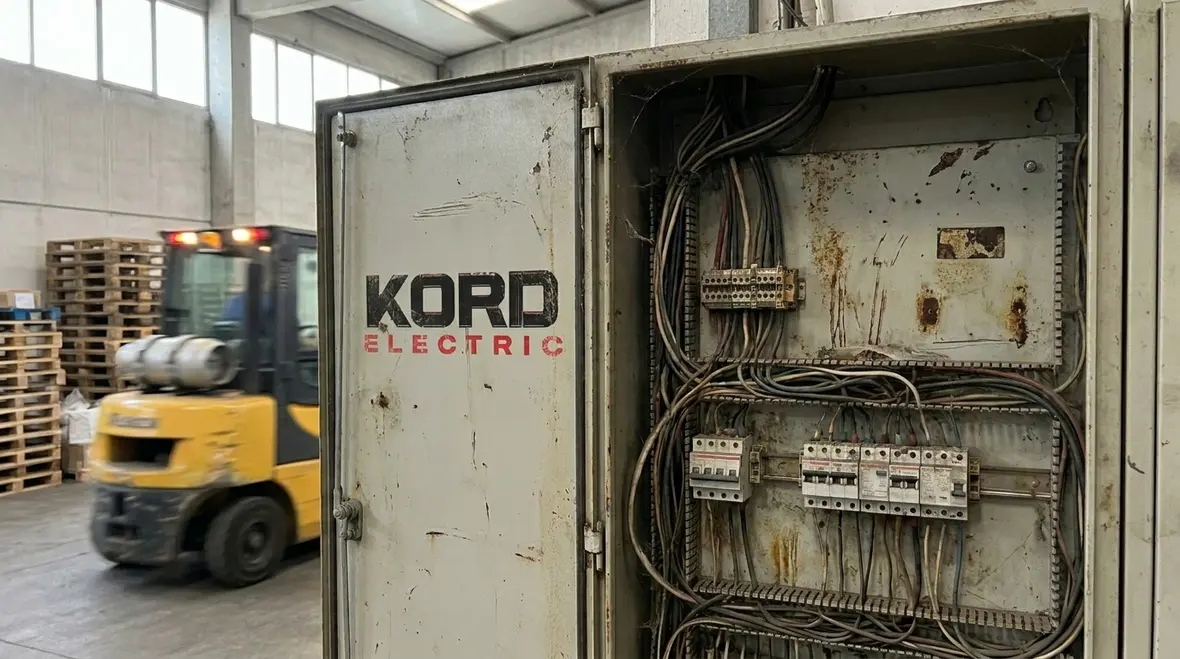
Moisture and dust also play their part. Warehouses collect grime, and electrical cabinets can become a trap for contaminants. Meanwhile, vibrations from forklifts and material handling equipment loosen connections that once looked “fine.” As loads rise, heat builds where resistance grows. Then, once a problem begins, it tends to spread because one weak link rarely stays alone.
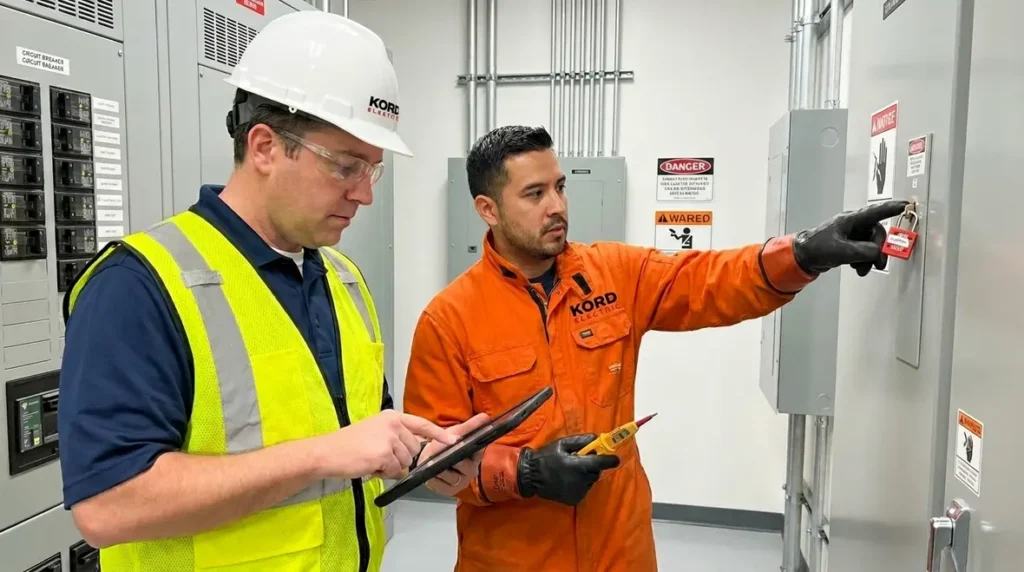
To make it practical, our technicians do not just “check boxes.” We explain what they see, why it matters, and what the next step should be. Others may say the component looks used. We will tell them exactly how it can fail, what signs already show up, and what you can do now to avoid a future outage.
How we build a plan around real warehouse operations
We build preventative work by matching tasks to the way a warehouse runs. First, we review the site electrical one line diagram, panel schedules, and equipment list. Then we map the most critical loads: distribution boards, motor control centers, UPS systems, main switchgear, and any standby power assets. After that, we create a maintenance timeline that fits operational windows. In other words, we plan service when your crew can safely operate and when you can minimize disruption.
From there, we set up inspection routes and testing intervals by risk. Equipment with higher consequences earns more attention, and equipment exposed to harsher conditions earns more frequent checks. For example, switchgear in a hot or dusty area often needs tighter monitoring than lighting panels in a conditioned space.
Our service team also considers how often equipment changes. Renovations, new racking, added dock bays, new refrigeration loads, and updated automation systems can shift currents, harmonics, and heat patterns. Therefore, a schedule should not stay frozen in time. We treat it like a living document that adapts as the building evolves.
For organizations working across multiple properties, we align each warehouse’s preventative electrical maintenance schedule with the broader facility strategy, while still tailoring tasks to the actual conditions in each building. That way, a high-throughput distribution warehouse gets a different cadence from a lower-traffic storage facility, without losing consistency in how data, findings, and recommendations are reported.

Inspections and testing that actually catch problems early
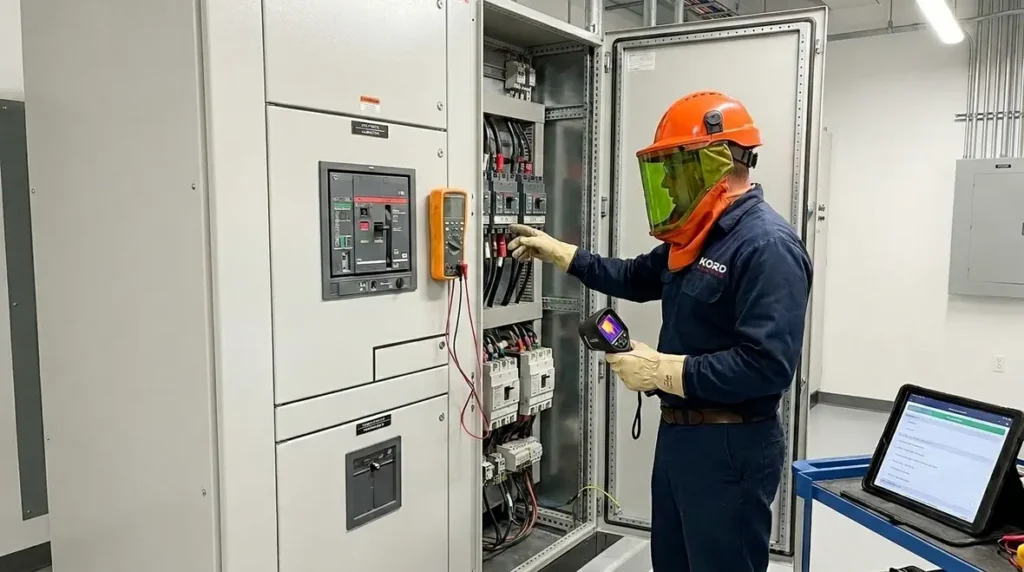
A preventative electrical maintenance schedule works only when it includes the right tests, at the right time, with clear criteria. Our technicians focus on both visible and hidden conditions. Visible issues include worn labels, signs of arcing, loose terminations, water intrusion, and damage to enclosures. Hidden issues include insulation breakdown, abnormal contact resistance, and energy loss that does not look obvious until it becomes expensive.
Here is what we typically include in our preventative electrical maintenance schedule for warehouse environments.
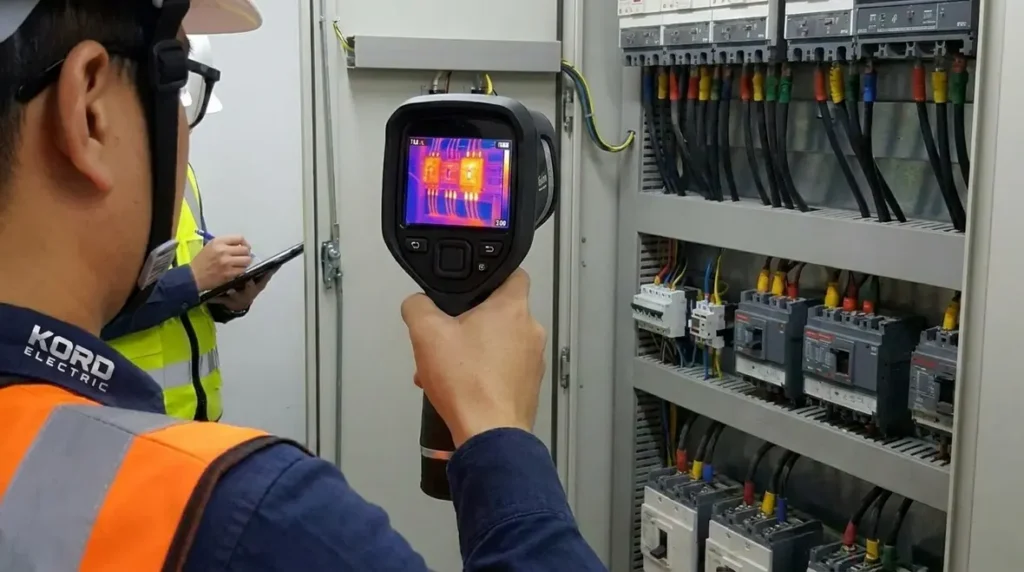
Thermal scanning during operating conditions to find hot spots on breakers, bus connections, and cable terminations
Infrared and inspection checks inside panels and cabinets for dust buildup, corrosion, and failed fans or filters
Contact resistance testing where appropriate to identify connections that have drifted out of spec
Insulation resistance testing for feeders and motor circuits to spot insulation stress before it fails
Phase balance and load checks on three phase systems to prevent overheating and uneven wear
Protective device verification to confirm breakers and relays operate as intended
Then we bring it home with documentation. We record test results, note trends, and explain the meaning in plain language. As we do this, we help your team understand what needs attention first and what can wait. Because in real life, you do not want a 40 page report that reads like it was written in code. You want decisions you can act on.
In many warehouses, this inspection work also ties directly into broader commercial and industrial maintenance strategies. If your facility includes server rooms, automation controls, or even smaller data environments, you can layer in the same discipline used in Kord Electric’s Data Center Electrical Infrastructure Essentials approach so that warehouse and technology spaces share a unified reliability playbook.

Managing switchgear, panels, and UPS like critical assets
Warehouse electrical systems often revolve around distribution gear: switchboards, switchgear, motor control centers, and panelboards. These systems carry the bulk of current and determine whether failures stay local or spread. As a result, we treat them like critical assets with defined preventative electrical maintenance tasks.
In our approach, we pay close attention to connection integrity, breaker mechanisms, and the condition of bus bars. We also check ventilation pathways and verify that cooling equipment performs as expected. If a cabinet runs hot, it can shorten equipment life even when it still “works.” That is how problems sneak in quietly, the way a background character steals your scene in a sitcom.
Where warehouses use UPS systems or battery backups, the work becomes even more important. Batteries degrade with age, and they can fail when you least want them to. We help teams plan battery testing, load verification, and inspection of rectifiers and monitoring systems. Then we explain what the readings indicate so others can plan replacement before a backup event.
If the warehouse connects to a data center, telecom closets, or critical control areas, we also follow the same discipline for infrastructure essentials. We use the same mindset described in our Data Center Electrical Infrastructure Essentials approach: stable power, proper separation, clear labeling, and tight monitoring. It is not just a data center philosophy. It is a reliability philosophy that applies in warehouse and major property operations too.
Creating a warehouse maintenance calendar with the right cadence
Now we get to the heart of the preventative effort: timing. A preventative electrical maintenance schedule should include tasks with different frequencies based on risk and how the equipment behaves. Some tasks should happen on a monthly or quarterly basis. Others align with annual shutdowns or semi annual testing windows. We set the cadence so it supports reliability without turning your maintenance budget into an endless subscription.
To keep it clear, our schedule structure often looks like this.
Daily or weekly checks by your site team for obvious issues, abnormal sounds, and panel alarms, with a clear call list for escalation
Quarterly inspections for cleanliness, labeling, and visual cabinet conditions, plus targeted scanning where needed
Semi annual or annual testing for insulation resistance, contact resistance, protective device checks, and deeper thermal trends
Shutdown based work for breaker maintenance, cable terminations, and any corrective repairs that require downtime
Also, we build the calendar around planned work orders, not random “someday” intentions. Therefore, each task has a purpose, a method, and an outcome. If we find something drifting out of range, we document it and recommend a corrective path. We do not just report. We guide the next step.
For commercial and industrial properties with mixed-use spaces, this calendar often ties back into formal electrical preventive maintenance programs. That way, the preventative electrical maintenance schedule for warehouses supports compliance requirements, corporate standards, and insurance expectations instead of sitting in a drawer as a “nice idea.”
Working with technicians and keeping everyone aligned
Maintenance works best when the people doing the work and the people using the building share the same understanding. That is why our technicians explain findings in a way your operators and managers can use. We translate technical results into clear actions: tighten, repair, replace, or monitor.
For instance, if our technicians find hot spots at specific terminations, we explain how heat impacts insulation life and why that can lead to nuisance trips or full failure. Then we recommend the corrective action and the ideal timing. If a UPS test shows reduced runtime capacity, we explain the operational risk and how to plan the replacement window.
Next, we coordinate with facility staff so maintenance does not disrupt business. We respect the reality of loading schedules, safety rules, and the need to keep doors, docks, and critical operations running. In other words, we show up prepared, we work in a controlled way, and we keep the building safe.
Over time, this shared understanding turns a preventative electrical maintenance schedule into part of the warehouse culture. Operators know what red flags to watch for, managers know when major work is coming, and leadership can see how maintenance efforts support uptime, safety, and long-term capital planning.
FAQ
Conclusion: Keep power dependable, then call Kord Electric
Preventative electrical work should not feel like a mystery box you open after a failure. With a solid preventative electrical maintenance schedule, we help your warehouse reduce risk, catch issues early, and protect uptime. Our technicians review your electrical system, explain findings in clear terms, and build a plan that matches your operations. If you want a schedule that stays current and a service partner that shows up ready, contact Kord Electric today. Let’s make your electrical system dependable, not dramatic.
If you are looking to formalize this work beyond a single location, explore how Kord Electric’s dedicated electrical preventive maintenance services support commercial and industrial facilities with structured inspections, testing, and reporting. That way, your warehouses, offices, and production spaces all benefit from the same level of planning, instead of relying on scattered one-off repairs.