Apartment EV Charging Requirements California: Infrastructure, Planning, And Practical Steps
In California, apartment ev charging requirements california are not just a “nice to have.” They shape how owners plan electrical capacity, parking layout, conduit runs, billing, and long term operations. At Kord Electric, we serve commercial and industrial facilities and major property buildings, and we approach EV charging like a real infrastructure project, not a last minute shopping list. Our technicians and expert service staff explain each step as we go, so stakeholders know what changes, what costs, and what risks to avoid. And yes, we also make sure the electrical system stays calm, unlike that one roommate who insists they can “figure it out” with a YouTube video.
Below, we lay out the practical planning needs that building teams face, and we show how to scale chargers without creating headaches for tenants, electricians, or the utility. We also connect apartment-focused decisions with the same disciplined approach we use in our commercial EV charging planning guide for scaling infrastructure, so your property can grow its charging capacity with confidence instead of guesswork.
Apartment EV Charging Infrastructure Requirements California: What buildings must plan first
Most apartment EV charging requirements in California fall into two buckets: making new construction “EV capable” and bringing existing properties closer to “EV ready.” In both cases, the code wants something more than a token outlet. It pushes owners toward real wiring, reserved capacity, and routes for future conduit so they can serve multiple vehicles without turning parking lots into science experiments.
For major property buildings, that means thinking beyond a few convenient wall boxes for early adopters. It means treating EV charging as a shared, managed utility that fits with fire alarms, lighting, elevators, and other critical loads. When we help apartment teams interpret these requirements, we focus on how they translate into panel schedules, transformer loading, and physical routing so future expansions feel like planned steps, not emergency responses.
If your building lives in that busy space between “we have a lot of parking” and “people keep asking for chargers,” the best time to respect apartment ev charging requirements california is right now, while you still have room to plan.
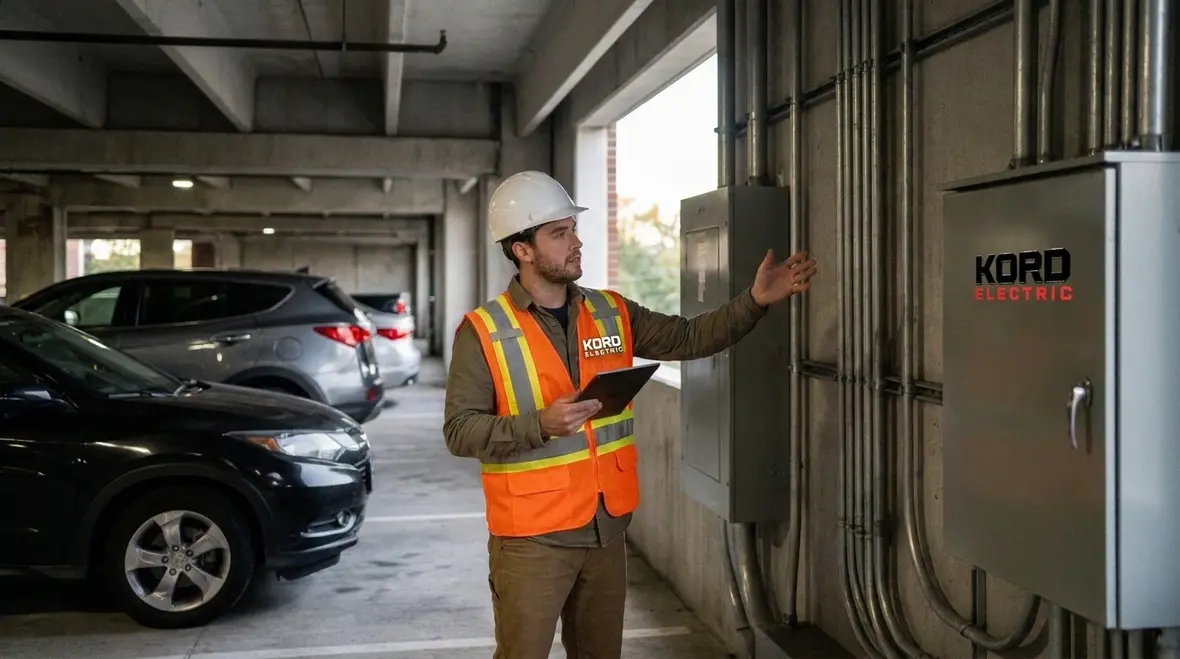
These requirements influence how many spaces must be wired or pre-wired, how much spare capacity the electrical system needs, and how upgrades will be staged if today’s tenants only represent a fraction of tomorrow’s drivers. For owners and asset managers, the real win is building a clear roadmap: what you can do now with existing power, what will need upgrades, and where the long term investment makes the most sense.
Start with the site survey and load plan for future demand
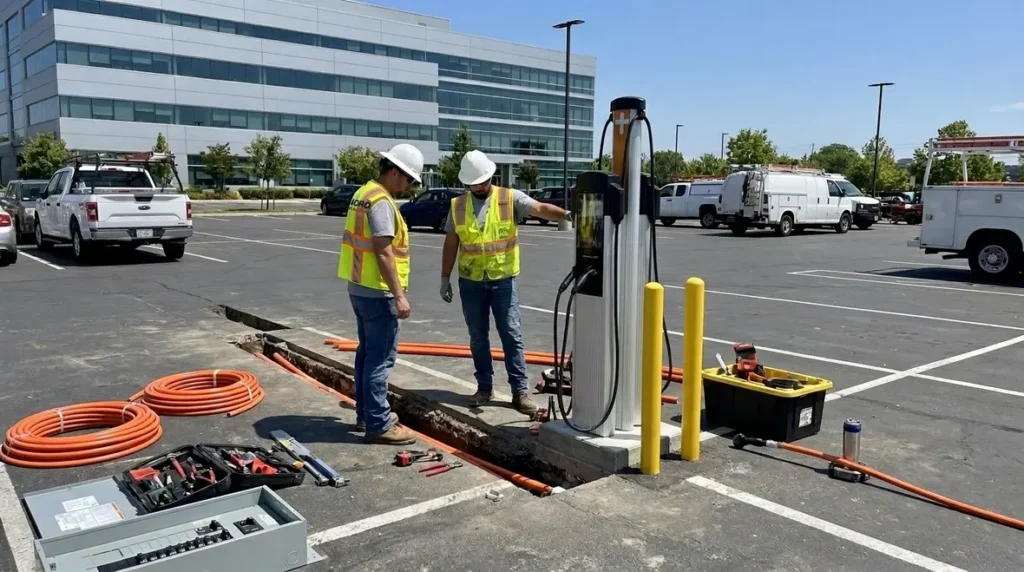
Before anyone mounts a charger, we verify the real conditions. We begin with a site survey that covers parking spaces, electrical rooms, panel schedules, transformer capacity, trench paths, and the typical routes vehicles use. Then we build a load plan that accounts for today’s charging levels and the growth tenants will bring next year.
To keep this work grounded, our team walks the property manager and the electrical decision makers through the findings in plain language. They ask questions, we answer, and we do not hide behind jargon. That matters because a charger installation can look simple on paper, while the electrical constraints in the field are where projects either run smoothly or stall like a dial up connection in 1999.
In practice, we also identify which areas need shared metering, which need dedicated circuits, and where demand management belongs. We then map power distribution so future expansions do not require ripping up fresh pavement or reopening walls just to add a few more ports.
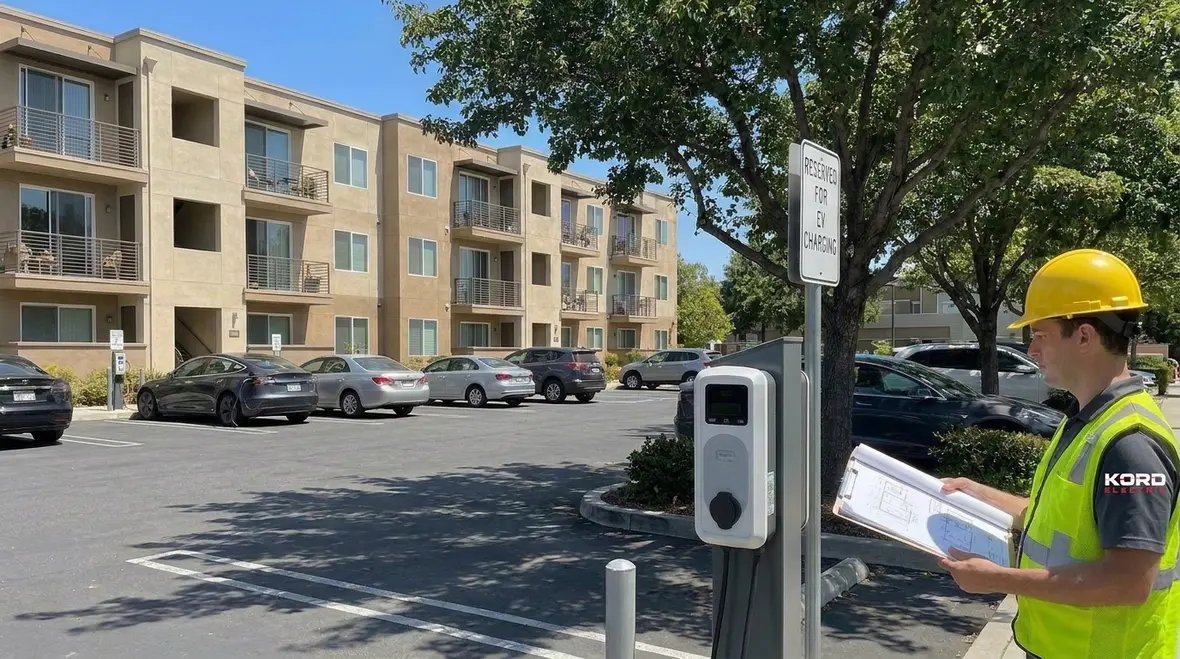
Translating surveys into a usable roadmap
When apartment EV charging moves from idea to plan, decision makers want more than a stack of drawings. They want to know which panel feeds which parking level, how much slack exists in the transformer, and whether future phases will require coordination with the utility. Our survey and load planning work packages this into a roadmap property teams can actually use during budget cycles and capital planning reviews.
We break the load plan into phases, showing how many chargers each stage can support and what level of managed charging or service upgrades will be required. That way, when tenants, regulators, or investors ask how your building will handle the next wave of EV adoption, you can answer with timelines, not guesses.
How California rules and utility realities affect apartment projects
California has requirements and incentives that push more charging into multi unit settings. However, even when a building meets the letter of the rule, the utility side still controls your timeline. Interconnection approvals, transformer upgrades, and service upgrades often determine the schedule more than the hardware itself.
Our technicians review utility constraints early and they coordinate the right paperwork. As a result, teams avoid the common trap of buying chargers first and then discovering that the site cannot support them without electrical upgrades. That mistake usually leads to delays and change orders, and it also tends to turn meetings into a comedy show where everyone is laughing but nobody is happy.
We focus on scalable designs that align with current apartment ev charging requirements california while still allowing growth. That means designing for flexible capacity and planning the charging network layout to support managed charging over time, so you can say yes to more drivers without constantly rewriting the service plan.
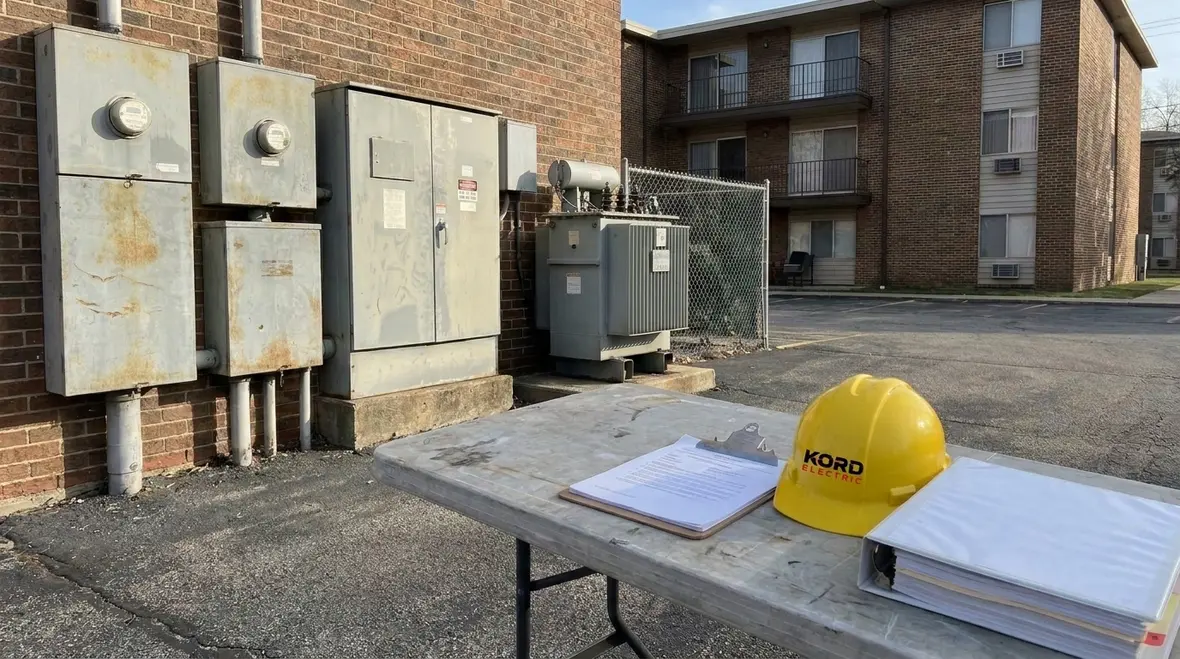
Balancing code compliance, incentives, and practical schedules
Because rules and incentives keep evolving, apartment owners often find themselves juggling inspector expectations, rebate timelines, and the utility’s construction calendar. Our role is to connect those moving pieces with a clear sequence: survey, electrical design, utility coordination, permitting, and then field work. This is the same disciplined mindset we use when planning larger commercial installations, just tuned to the realities of shared residential parking and tenant expectations.
Done right, this balance keeps your project from slowing down at the exact moment tenants are most excited about new charging access. Done poorly, it creates long gaps between “we promised chargers” and “you can actually plug in.” We strongly prefer the first scenario.
Electrical design choices that keep charging reliable and safe
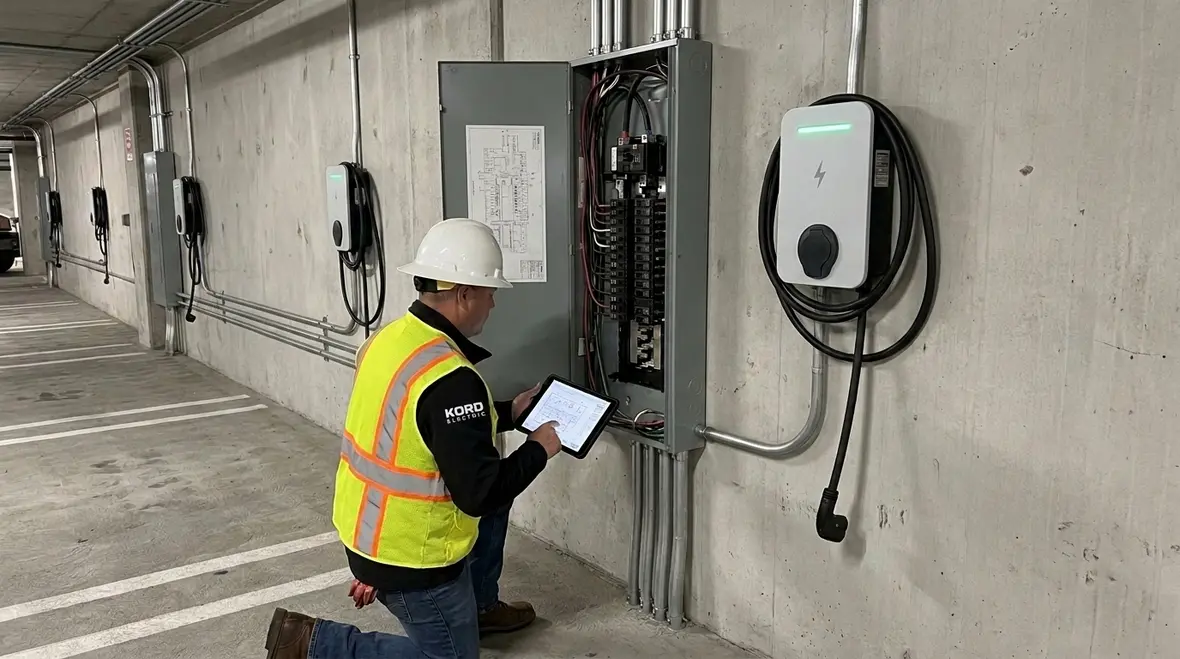
Reliability comes from design decisions made before installation day. We help property teams choose setups that match the building’s electrical profile and operational model. That starts with circuit and conductor sizing. It continues with load balancing strategies. And it ends with proper protection, labeling, and inspection readiness.
Managed charging is often the smartest path for multi tenant sites. Rather than forcing every unit to charge at full power at the same time, the system can share available power based on priorities. Therefore, the building can serve more vehicles without constantly overstressing the service equipment.
Next, we plan physical protection. Conduit routing, weatherproofing, bollards or enclosures where needed, and cable management all influence long term uptime. Then we ensure the chargers meet safety standards and that the electrical room stays code compliant and serviceable. Our expert service staff also sets up maintenance guidance so the property team understands what to watch for and when to call us.
If you want the calm version of EV charging, you plan for heat, water, and frequent use. If you want the chaotic version, you ignore those details and then act surprised when the system needs repairs.
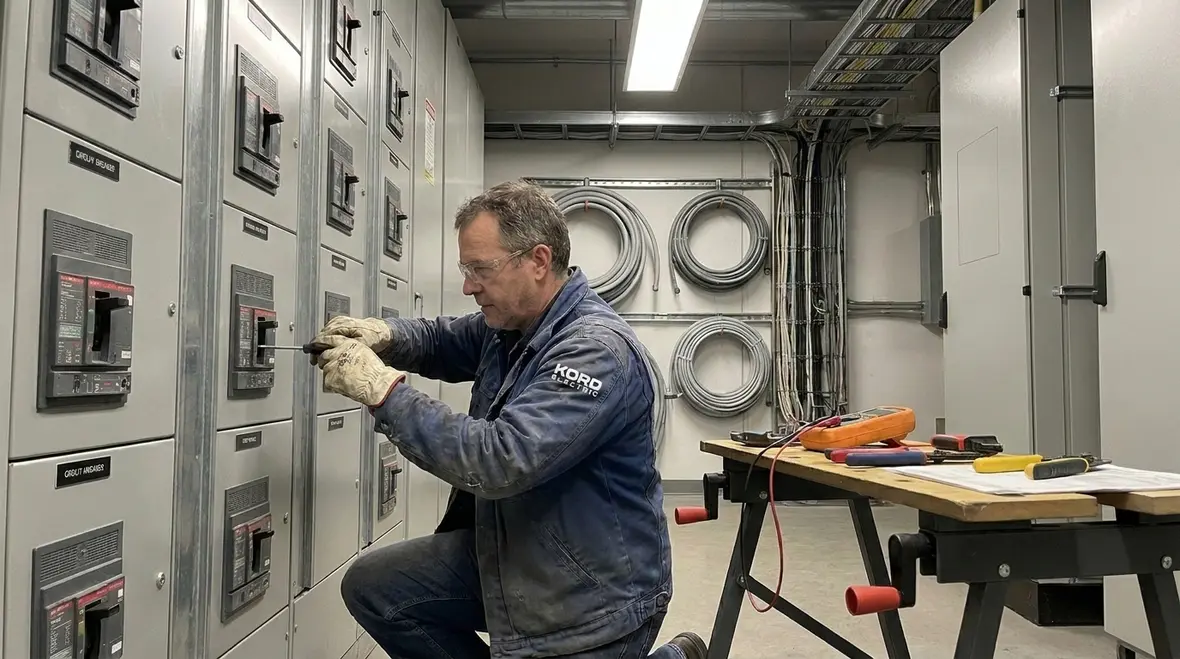
Designing for shared residential behavior, not just hardware specs
Apartments behave differently than fleet yards or retail parking lots. Drivers plug in at night, leave for work in the morning, and often prefer predictable, quietly reliable charging rather than fast, dramatic sessions. Our electrical designs lean into this: we size and schedule power around overnight windows, shared garages, and stacked tenant usage instead of assuming every space needs high-output charging at the same time.
That means more attention to load diversity, more planning around panel grouping, and more clarity on how the system will behave during holidays, storms, or other unusual demand spikes. When the design accounts for resident behavior up front, the installation feels less like a science project and more like any other critical building system that “just works.”
Hardware selection for major property buildings: performance and manageability
Charger selection should fit the tenant mix and the charging speed expectations. We help building stakeholders choose equipment that supports the site goals, whether they want primarily Level 2 charging for daily use or a plan for higher output options later. We also consider connector type, user experience, and the backend tools for monitoring and reporting.
Many major property buildings also need a clean tenant and guest experience. That often means authentication options, clear access control, and payment or billing integration when required. Therefore, we focus on installations that keep the system easy to manage rather than turning the building into a troubleshooting lab.
Our team also plans for the physical layout. We consider where drivers park, how they approach the chargers, and how the equipment placement impacts traffic flow. This is not just aesthetics. It affects cable routing, safety clearance, and how often chargers get blocked by misparked vehicles.
To support the business goals of commercial and industrial facilities and major property buildings, we design hardware systems that can scale. In other words, we avoid the “one charger now, pray later” approach.
Apartment-friendly controls, billing, and reporting
Because you are serving multiple tenants instead of a single owner-operator, we lean heavily on hardware and software that make billing and access intuitive. That may include RFID cards, app-based authentication, or property management integrations. The goal is to keep front office staff from becoming on-call IT support for charger logins and payment errors.
We also recommend monitoring platforms that surface basic health data, energy usage, and fault alerts clearly. When your facilities team can see what is happening in real time, they can respond before tenants notice a long line of idle, blinking chargers that refuse to cooperate.
Permit support, installation sequencing, and commissioning that prevent delays
Permits and inspections can make or break timelines. Kord Electric handles the project flow with a disciplined sequence. First, we finalize the design and materials so the permit set reflects the actual field plan. Next, we coordinate with the property team on access schedules for parking areas and electrical rooms.
Then we install with an eye on minimizing disruption. We plan the trenching and conduit work so it does not expand scope. We stage materials to avoid repeated site visits. After installation, we perform testing and commissioning to verify the electrical performance, safety behavior, and communication functions.
Our expert service staff then explains the operation and monitoring basics to the property owner or facility manager. As a result, stakeholders understand how the system behaves during demand spikes, what reports they can pull, and how maintenance should run. We also clarify what changes require service assistance and what tenants can expect.
In short, we keep the project moving with fewer surprises, because every property team deserves a smoother timeline than a slow loading meme page.
Coordinating apartment work with broader electrical upgrades
For many buildings, EV charging becomes the moment they finally confront long-postponed electrical service questions. We regularly align EV upgrades with broader capacity work similar to what we outline in our guidance on Los Angeles County commercial electrical services. Coordinating these projects avoids duplicated trenching, extra shutdowns, and the feeling that you are repeatedly paying to open the same wall.
Partnering with Kord Electric: a practical scaling path
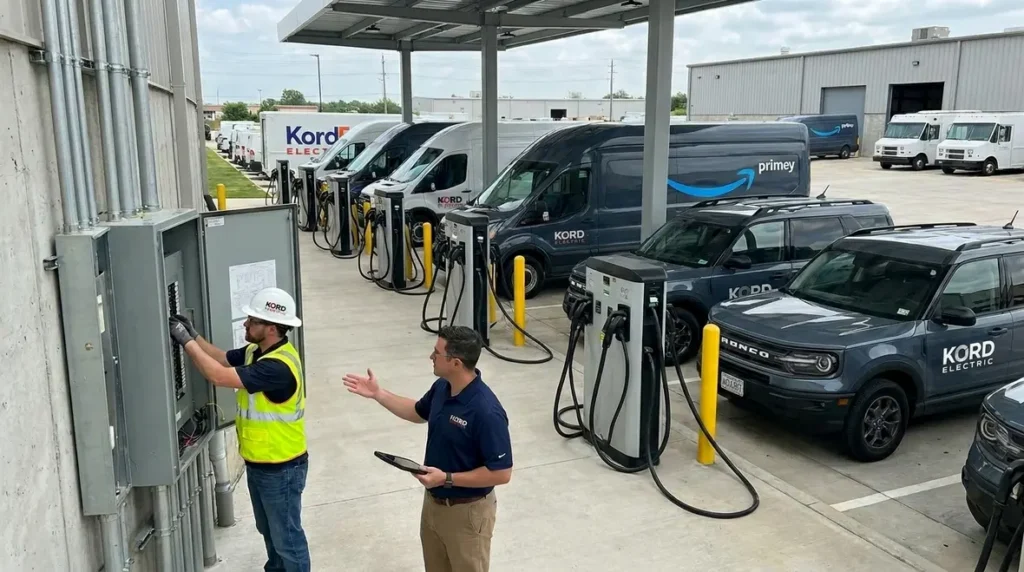
Our commercial and industrial focus means we treat apartment charging as infrastructure that supports operations, not a temporary add on. We design for growth, we document system configuration, and we build a plan that works for facility staff, not just electricians.
Once the foundation is in place, scaling becomes a series of controlled steps. First, we can add more ports where space and power allow. Second, we can tune managed charging parameters to improve utilization. Third, we can expand backend capabilities as billing or reporting needs evolve.
For transparency, the Kord Electric team often provides project guidance that aligns with planning principles similar to those in our commercial EV charging planning guide. That framework helps teams think in phases rather than scattered installs. And that mindset reduces risk while supporting consistent tenant experience.
If your portfolio spans multiple assets, this phased, documented approach also makes it easier to roll apartment EV charging requirements california into broader sustainability, ESG, or capital planning strategies without treating every new building as a blank slate.
Dual column overview for major property decision makers
Design and build steps
Site survey, electrical assessment, and load plan
Managed charging strategy and circuit planning
Conduit routing, safety protections, and labeling
Permitting, coordinated installation sequencing, and commissioning
Monitoring, documentation, and staff training
Why it matters
Defines real capacity and avoids late service upgrades
Improves utilization without overloading systems
Supports safe operation and easier maintenance
Reduces delays and verifies performance at go live
Keeps operations smooth after installation
FAQ for apartment EV charging in California
Conclusion: get a plan that scales and stays compliant
If your building team wants reliable EV charging for commercial and industrial operations and major property buildings, Kord Electric will help you build the right foundation. We survey the site, plan the electrical capacity, and install chargers in a way that supports growth without turning parking lots into excavation projects. Contact Kord Electric for a consultation and next steps. Our technicians and expert service staff will walk your team through the process, explain options clearly, and map a practical rollout you can stand behind.
When you are ready to move from planning to action, we can align your apartment EV strategy with our broader commercial work across Los Angeles County, from EV charging infrastructure to core power upgrades. The result is a charging system that satisfies apartment ev charging requirements california today and adapts to whatever tomorrow’s tenants plug in.