Business Continuity Electrical Resilience Plan
Business continuity electrical resilience planning that keeps power steady
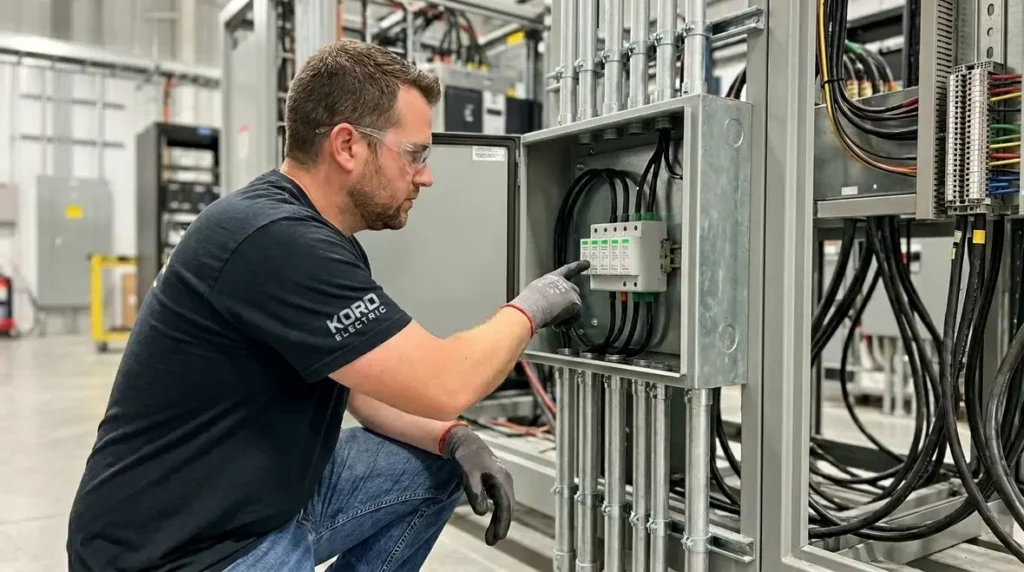
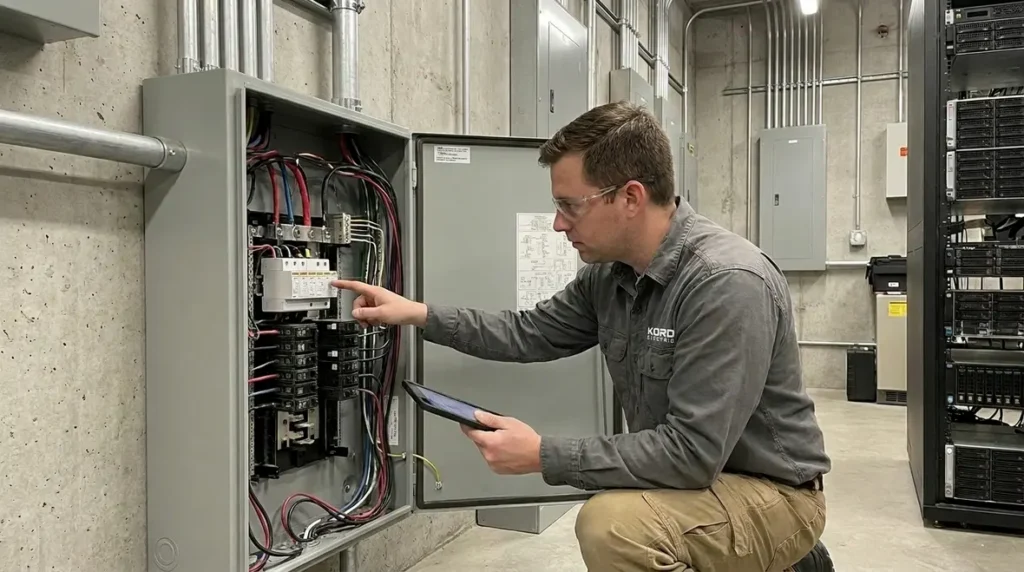
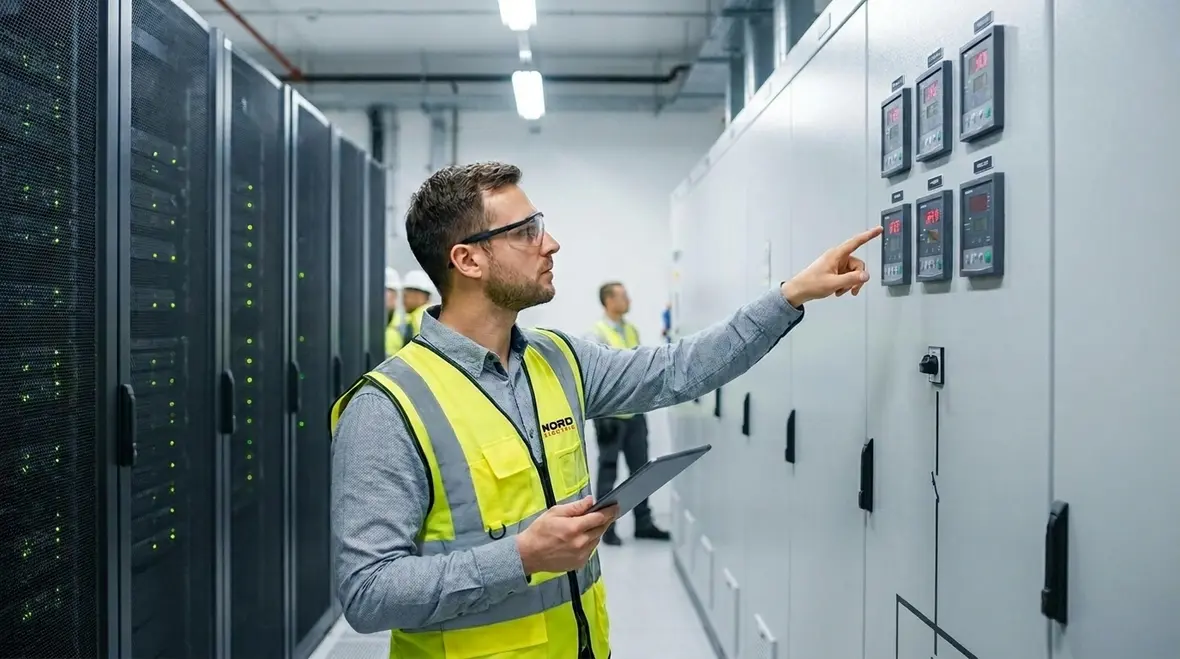
At Kord Electric, we focus on business continuity electrical resilience planning for commercial and industrial facilities and major property buildings. When electrical systems fail, people notice right away, and cashflow usually notices right after. So we help others plan before the problem shows up, not after the lights go out. In this guide, our technicians and expert service staff lay out a practical path to electrical resilience: how to spot risk, how to keep critical loads running, and how to respond fast when the unexpected happens. Think of it like a fire drill, except the smoke is replaced by alarms, and the joke is that nobody wants to practice until they have to.
Because planning should be calm, clear, and actionable, we design each step around the realities of real sites. Then we document, train, and maintain, so resilience becomes routine rather than a one time emergency plan.
Start by mapping critical loads and power weak points

First, others need a clear picture of what must stay on. We work with facility leaders to build a critical load map. This includes life safety systems, access control, pumps, refrigeration, data and communications, process equipment, and any load that stops production or violates compliance. Then we rank these loads based on impact and time sensitivity.
Next, we identify where failures usually begin. Many sites struggle with aging panels, loose connections, undersized feeders, or unclear labeling. Even when equipment performs, it can quietly drift outside safe margins. Therefore, we review single line diagrams, recent outages, maintenance logs, and utility event history.
Our expert service staff then walks through the findings in plain language. For example, if a portion of a building loses power during a brief utility dip, we do not just say, “That is bad.” We explain why it happens, what loads ride through, and what customers should expect during real world events.
In short, this phase creates the foundation for business continuity electrical resilience planning that actually fits the facility, instead of copying a template from a brochure.

Design redundancy that matches real operational needs
After the load map exists, resilience comes down to design choices. Some facilities need short ride through capability. Others need full backup power. Still others require selective coordination so one device trip does not cascade into a full shutdown.
We help others choose redundancy options in a logical sequence:
- Selective switching to isolate faults and keep unaffected circuits active
- Standby generation for long duration outages on critical loads
- UPS systems for computers, servers, and control equipment
- Surge protection to reduce damage from electrical transients
- Power quality improvements when voltage sags, harmonics, or imbalances drive downtime
Then we align the design with how the site operates. A hospital wing runs differently than a warehouse. A facility with chillers needs a different approach than one with light manufacturing. We also consider staffing patterns, response times, and the practical steps needed during an outage.
And yes, redundancy can feel expensive at first glance, like buying a seatbelt and hoping you never need it. Yet when the seatbelt matters, it becomes priceless.
For facilities across Los Angeles County that want to pair redundancy with experienced installation support, Kord Electric’s comprehensive commercial and industrial electrical services in Los Angeles County connect planning with field-proven execution so upgrades support everyday operations as well as emergency conditions.
Build an outage response plan with clear roles and steps
Now the real work begins: turning design into action. A plan that no one understands fails when it matters. Therefore, our technicians and expert service staff help others create an outage response process with roles, decision points, and timelines.
We typically cover:
- Notification flow for site leadership, maintenance, and external partners
- Manual and automatic behaviors including transfer procedures and startup order
- Load shedding rules so essential equipment runs first
- Safety steps for lockout, equipment access, and generator handling
- Communication templates for internal updates and vendor coordination
As a result, teams avoid confusion under stress. We often recommend tabletop drills that match the facility layout and the equipment list. During these drills, our staff walks people through what happens when utility power dips, when breakers trip, and when a transfer sequence needs adjustment.
Furthermore, we document the plan so a new operator can follow it. Resilience should not depend on a single person knowing the secret handshake.
Maintenance routines and testing that prevent surprise failures
Planning without upkeep is like planning a vacation without checking the weather. It feels confident until the storm arrives. So we build maintenance routines that keep critical electrical components reliable.
For many commercial and industrial sites, the schedule should include:
- Inspection of switchgear for signs of overheating, corrosion, or worn components
- Testing protective devices to confirm correct trip curves and coordination
- Thermal scans for connections, bus bars, and panels
- Generator and transfer testing with load checks and fuel readiness verification
- UPS health checks for battery condition, alarms, and runtime capability
In addition, we help others establish recordkeeping that supports audits and internal reviews. Then we align maintenance tasks with the facility’s downtime windows so work stays safe and predictable.
Even when businesses already maintain electrical systems, we often see gaps in labeling and data. That is where our technicians bring order: they verify labeling, update documentation, and confirm that the site team can quickly find what matters.
In the end, testing turns electrical resilience from a story into a measurable habit.
For facilities that want maintenance to support both day to day reliability and emergency readiness, Kord Electric’s commercial and industrial electrical maintenance strategies align closely with business continuity electrical resilience planning so inspections, testing, and documentation work together instead of in separate silos.
Integration needs for modern loads and EV charging growth
Buildings now carry more than traditional lighting and receptacles. Many facilities expand with electric vehicle charging, process upgrades, and new control systems. Therefore, resilience planning must handle these added loads without creating new weak points.
Kord Electric supports major property buildings by helping others manage electrical capacity and safe integration for EV charging installation. We review available power, expected charging demand, site layout, and electrical protection requirements. Then we coordinate installation so chargers do not strain feeders or trip protection when demand rises.
In practice, this means we consider load calculations and power distribution, and we verify that the charging system fits the site’s emergency strategy. For example, if the facility runs on backup power, the plan should define whether chargers should shed, delay, or operate at reduced capacity. That decision affects generator sizing and runtime targets.
So, rather than treating EV charging as a separate project, we help others treat it as part of the overall electrical resilience strategy. And yes, this prevents the classic scenario where everyone celebrates the charger ribbon cutting, then wonders why the building “acts weird” during an outage.
If your facility is planning new charging or upgrades, explore Kord Electric’s dedicated EV charger installation services for commercial and industrial properties, which connect charger design, power evaluations, and long term reliability into one coordinated plan that supports resilience instead of straining it.
Smart documentation and training that teams can trust
Finally, others must keep the plan alive. We help facilities build clear documentation: updated one line diagrams, panel schedules, transfer equipment details, and a simple map of critical circuits. Then we store this information where the team can access it during an emergency.
Training matters just as much as paperwork. Our expert service staff explains the plan in steps, using the actual equipment list and the actual site layout. We also address common confusion points, like which loads connect to backup, how to confirm transfer status, and when to call for service.
To keep momentum, we recommend periodic reviews after major changes. A new production line, a remodeled tenant space, or an added charging bank can all shift electrical demand. Therefore, we update the resilience plan and maintenance checklist so it reflects current operations.
With proper documentation and training, business continuity electrical resilience planning becomes a living system, not a binder nobody opens. And that is the difference between “we had a plan” and “we recovered fast.”
FAQ
Conclusion: take the next step with Kord Electric
When power disruptions strike, resilient facilities recover faster, protect operations, and reduce downtime costs. Kord Electric helps commercial and industrial buildings build business continuity electrical resilience planning that covers critical loads, redundancy, outage response, and ongoing testing. Our technicians and expert service staff explain findings clearly, then implement the right upgrades and procedures for your site. If you want a resilience plan that teams can trust during real events, contact Kord Electric today and schedule an electrical resilience assessment.
Near the end of planning, many facilities also coordinate resilience upgrades with broader service needs such as panel work, lighting improvements, or emerging projects like EV charging. By pairing your continuity strategy with Kord Electric’s integrated commercial services, you can shape one roadmap that supports daily reliability, future growth, and fast recovery when the unexpected happens.