Facility Electrical Safety Audit Preparation Guide
Facility Electrical Safety Audit Preparation Starts Here
Preparing for a facility electrical safety audit preparation visit should feel like getting your building ready for a calm, competent inspection, not like a surprise pop quiz you didn’t study for. At Kord Electric, we help commercial and industrial facilities as well as major property buildings get ready in a way that reduces risk, saves time, and keeps your operations moving. Others might show up and start asking questions. We show up with structure, because our expert service staff explains what they find and what to fix next. That means your team gets clear guidance, not mystery meat answers. And yes, we promise the process will be more “steady conductor” and less “chaotic drummer.”
What to Review Before the Auditor Arrives
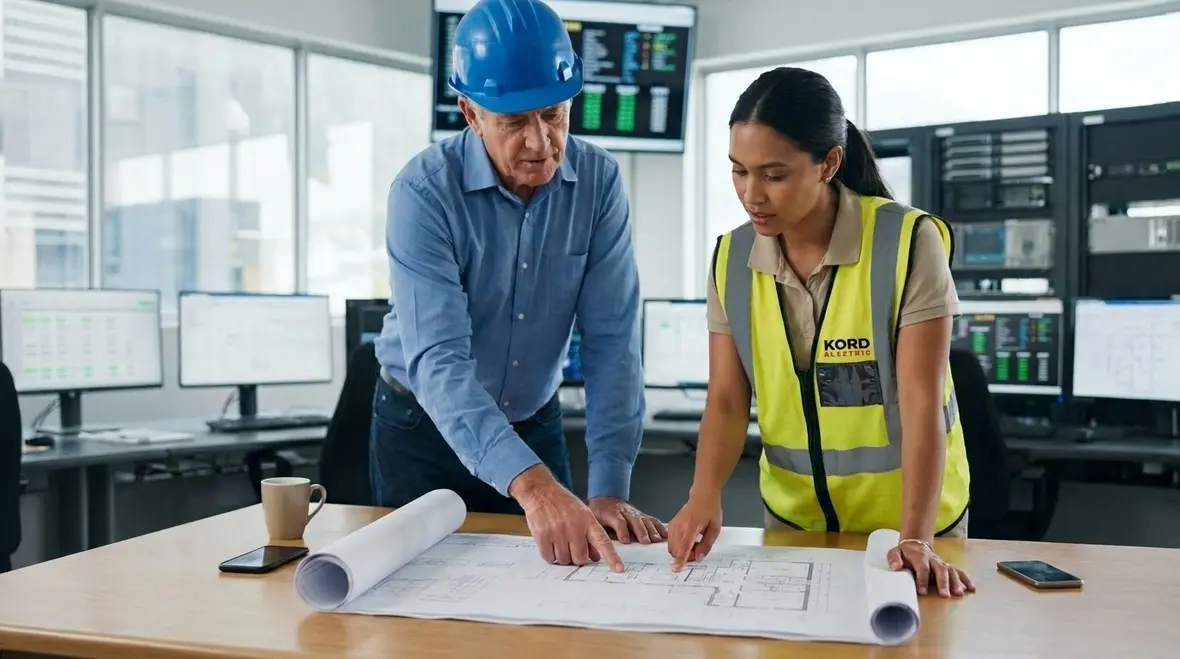
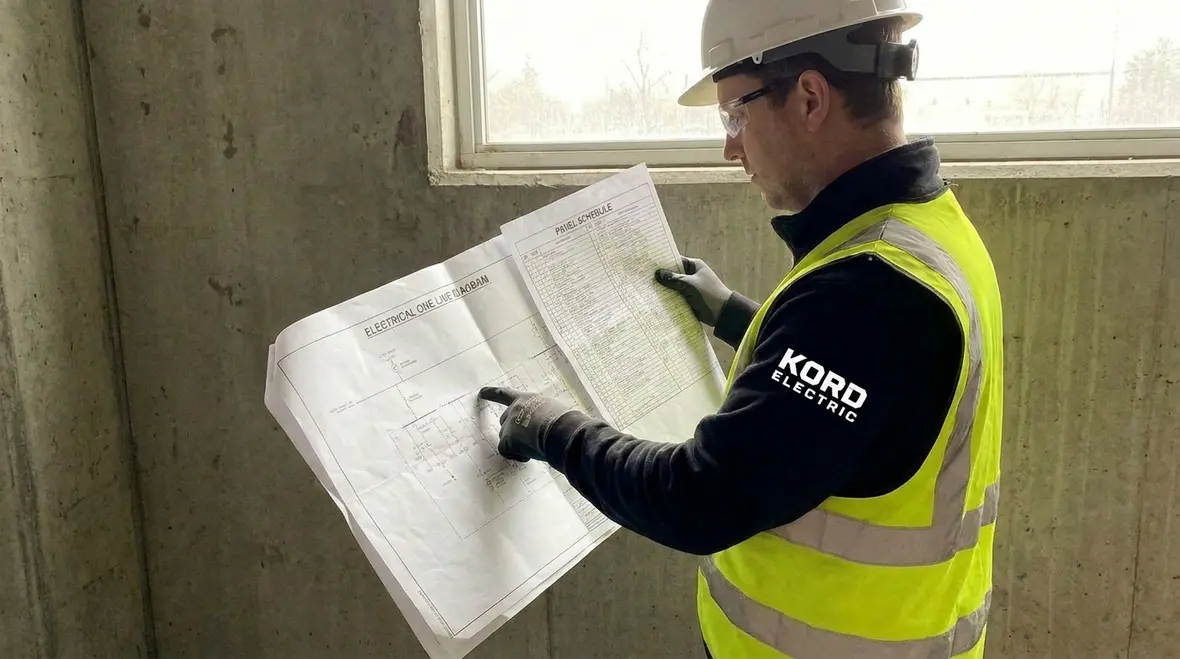
Before our technicians begin walking your spaces, we recommend your team gathers key records and confirms the basics. First, compile your latest electrical one line diagrams, panel schedules, and site wiring maps. Then, check that your drawings match reality. If your facility has had modifications, we want those changes documented. Next, collect recent maintenance logs, test results, and any prior audit reports. Even if an earlier report already “closed out,” our team still reviews the details to understand what changed and why.
Additionally, verify that emergency procedures and shutdown steps are current. Therefore, you should review who has authority to isolate equipment, how lockout and tagout is applied, and which systems require special handling. If your building uses critical life safety loads, confirm how they get tested and how records get stored. When this prep work happens ahead of time, the audit becomes more efficient, and your downtime stays limited.
If you discover during this review that documentation is outdated or incomplete, treat that as an early win. Catching gaps before the visit allows your facility to update drawings, correct labels, and pull missing records together so that audit time goes toward insight instead of hunting for basic information. For many teams, this is also a good moment to align with preventive programs such as electrical preventive maintenance services that keep records and testing organized for the long term.
How to Set Up Access, Lighting, and Work Zones
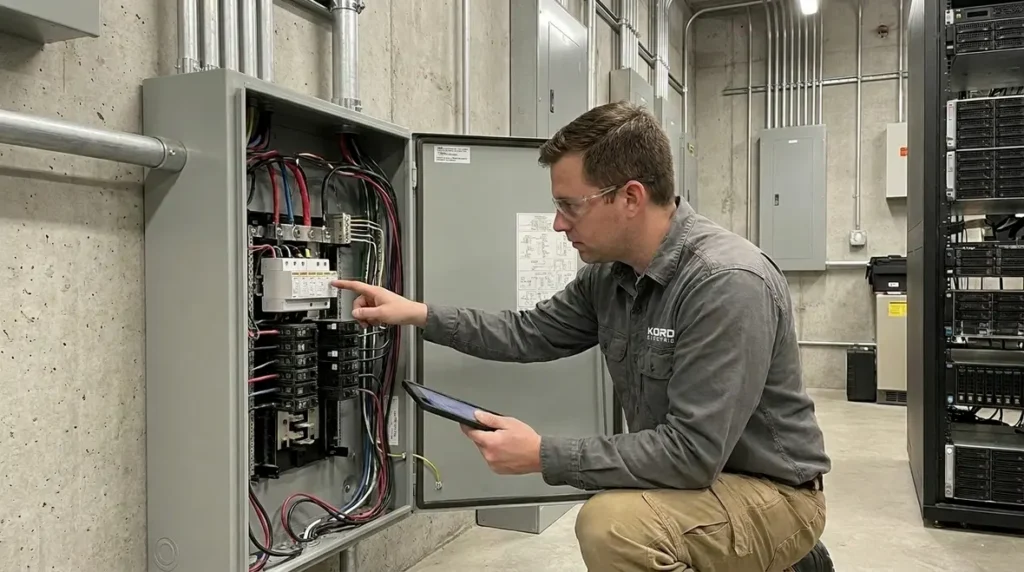
Now let us talk about something simple that people often overlook: access. Auditors cannot safely evaluate what they cannot reach. Consequently, you should plan routes for our technicians to reach electrical rooms, switchgear spaces, pull boxes, and key distribution areas. Make sure doorways are not blocked and that clearances meet required safety limits.
Also, lighting matters. Replace burnt bulbs in electrical rooms and corridors leading to panels. Then ensure floors and stairs are dry and stable so our team can work without improvising. If equipment rooms include stored items, relocate them so we can inspect labeling, enclosure condition, and conductor routing without turning the visit into a demolition project.
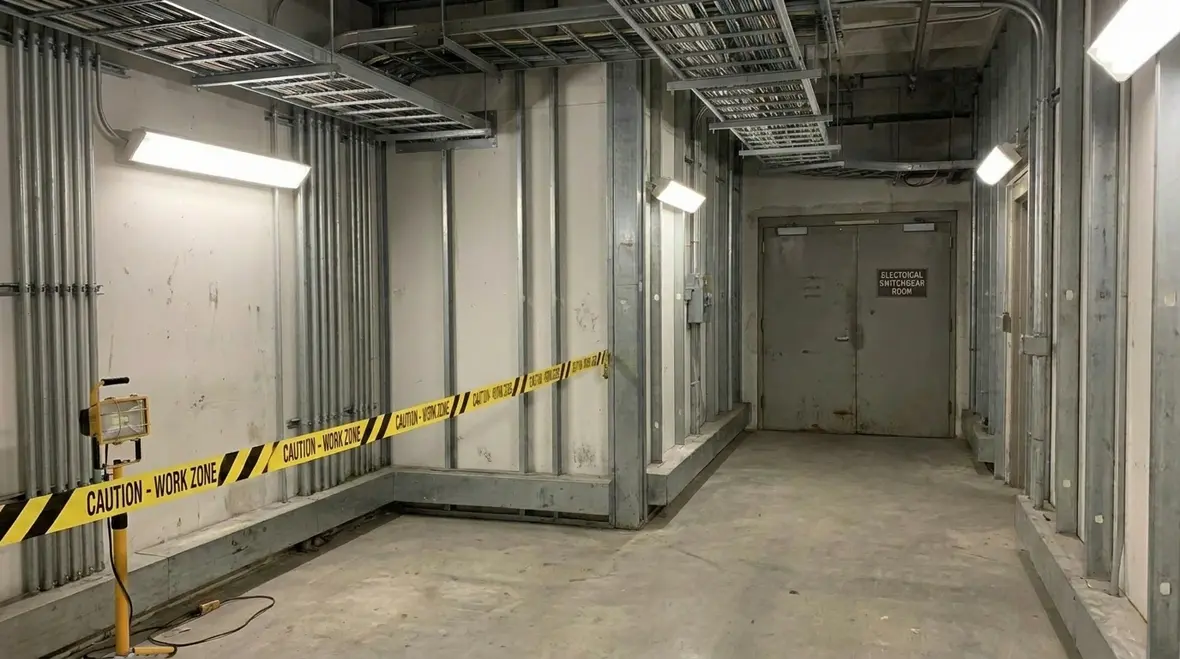
Finally, establish work zones. Use clear boundaries for the inspection area so staff and visitors do not wander into energized-adjacent spaces. We treat this as a safety process, not a “good luck” situation. Because the building already has rules, we simply make them easier to follow.
In larger properties, this planning often includes coordinating with security and operations so that badges, keys, and escorts are ready when the audit begins. Nothing slows down a walkthrough like waiting in a hallway while someone tracks down a key to the main electrical room. Clear access and well-defined work zones tell everyone in the building that this is a deliberate safety effort, not an afterthought.
How Teams Should Prepare Personnel and Procedures
One of the biggest advantages of a good plan is that your people know what to expect. So, we suggest you brief facility staff before the audit. Assign a point of contact who can answer questions about equipment history, recent repairs, and any operational constraints. Then confirm your lockout and tagout procedures and make sure the right people understand them.
Additionally, ensure workers know where electrical hazards show up in daily operations. That includes areas where power feeds run through mechanical spaces, locations where equipment gets moved, and zones where contractors frequently work. If your facility uses temporary power, or if you support frequent construction or tenant activity, we recommend you tell the auditor where those changes have happened. Therefore, our technicians can evaluate how temporary setups get controlled and how long they persist.
In many facilities, the procedures exist on paper but not in practice. We see it. It is like having a smoke detector but no batteries. Our expert service staff explains the gap and helps your team close it with practical steps that match real workflows.
This is also a good time to remind teams that an audit is not a performance review of any one person. It is a safety check on systems, habits, and infrastructure. When people understand that the goal is to find and fix risk, not assign blame, they share better information, point out real concerns, and engage more openly with the process.
Inspecting Labels, Barriers, and Protective Systems
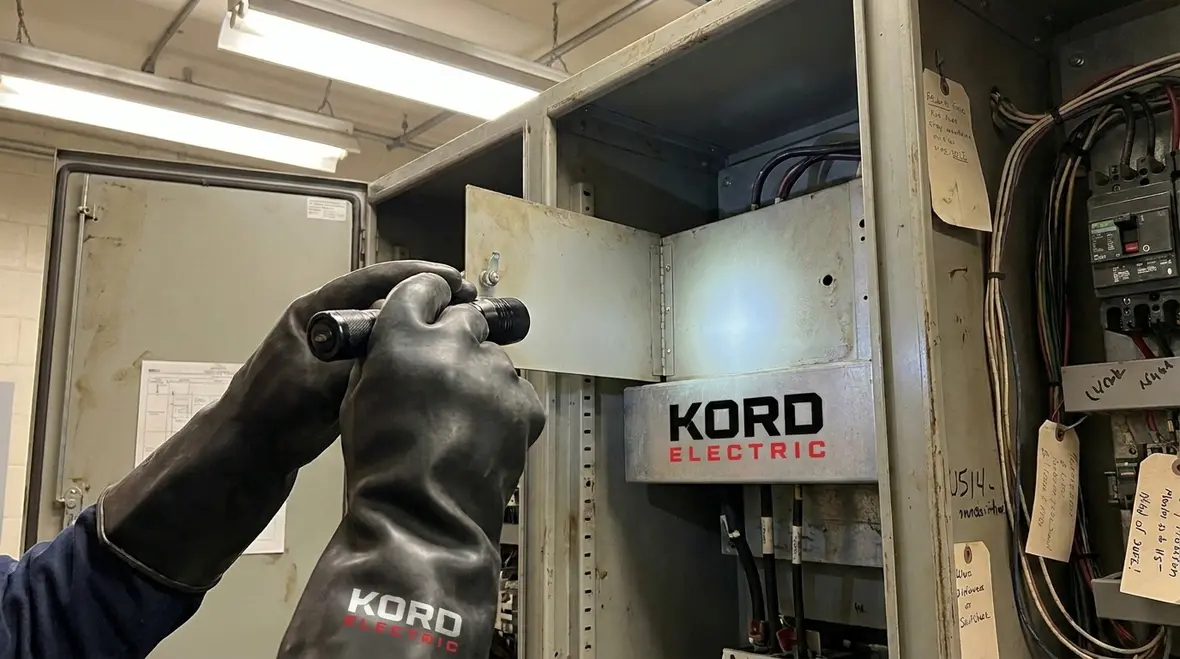
During a comprehensive evaluation, our team typically focuses on how electrical safety is maintained after installation, not just how it looks on day one. First, we verify labeling and signage. That includes panel identification, circuit designation, hazard warnings, and lockout instructions where needed. When labels are missing or unclear, people make assumptions, and assumptions cause incidents.
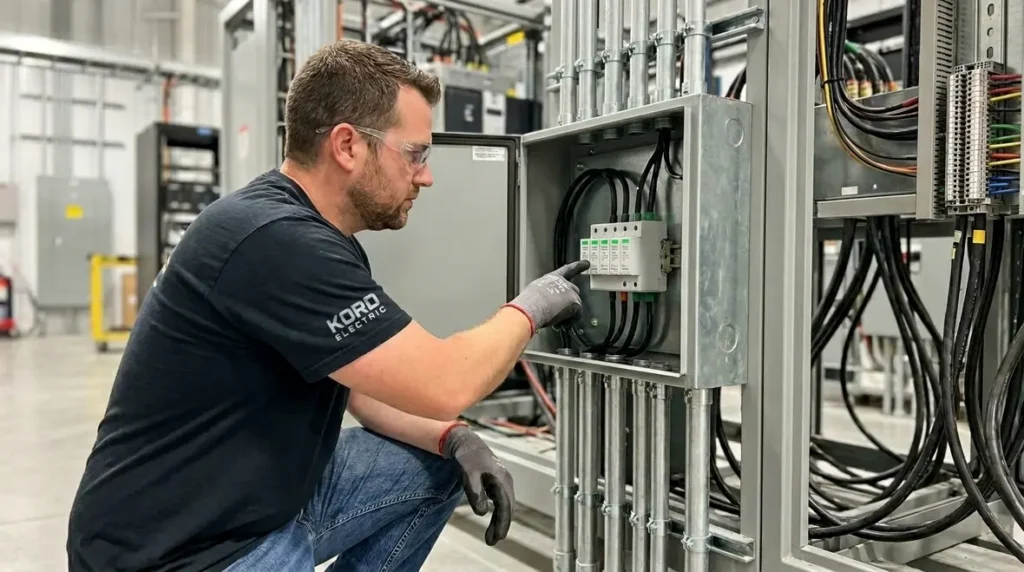
Then we review physical protections such as barriers, covers, and guarding. If panels are missing covers or doors do not latch, it increases risk. Also check for corrosion, moisture intrusion, and evidence of overheating. Next, we inspect grounding and bonding elements, because correct grounding protects people and equipment when faults occur.
Our technicians also look at protective devices and coordination practices. That means checking that breakers and fuses are properly sized, that devices match the intended loads, and that the system performs as designed during faults. We do not just ask whether protective devices exist. We evaluate whether they function safely within the facility’s operating reality.
As we walk, we explain what we are seeing. That is our thing. We do not hand you a report and disappear like a sitcom character who leaves mid punchline. Our expert service staff clarifies findings in plain terms, then recommends next steps your team can plan for.
If your facility has multiple buildings or a mix of older and newer equipment, label and protection issues often show up unevenly. A newer wing may look textbook-perfect while an older mechanical room still carries legacy markings and missing covers. A well-structured facility electrical safety audit preparation plan brings those differences into one consistent standard, so people do not have to remember which rules apply in which hallway.
How to Handle Testing, Measurements, and Documentation
Testing is where the audit turns from “looking” into “knowing.” So before measurements begin, confirm the equipment schedule and coordinate with operations. For example, identify when shutdowns are acceptable and which areas must stay powered. Then provide access to test records so our technicians can compare current readings with prior baselines.
We also recommend preparing a clean document trail. You should be able to locate test results, inspection checklists, and maintenance history by system or equipment ID. Therefore, when we evaluate results such as insulation condition, continuity, protective device behavior, or other safety indicators, your team can connect trends to actions already taken.
Once testing completes, we review findings while your staff is still available to discuss details. That reduces confusion. It also helps your maintenance team understand how recommended repairs align with safety goals. We then structure documentation so it supports scheduling, budgeting, and compliance planning.
In short, your facility electrical safety audit preparation improves most when you treat information like equipment. If you keep records organized, the audit becomes smoother, and the path to corrections becomes clearer.
For facilities that want to build a longer term strategy, aligning testing and documentation with preventive maintenance cycles makes life easier. When the same data that feeds an audit also supports ongoing electrical preventive maintenance, your team spends less time reinventing spreadsheets and more time acting on what the results actually say.
Plan Corrections, Prioritize Risks, and Prevent Repeat Issues
After the audit, many facilities face the same challenge: where do they start. We help you prioritize. First, we categorize findings by risk level and impact on safety. Then we consider operational downtime, parts availability, and whether similar issues appear across multiple areas. This is not about fixing everything at once. It is about fixing what could hurt someone first.
Additionally, we recommend creating a correction plan that assigns ownership. Maintenance should know what gets corrected, facilities should know what changes in access or labeling, and contractors should understand any work restrictions. Next, confirm how repairs will get verified. For example, after a correction, we expect documentation updates and confirmation testing where needed.
Finally, prevent repeats by reviewing what caused the issue in the first place. Was it poor labeling during modifications? Was it environmental exposure? Was it maintenance gaps? Our technicians help identify root causes so the next problem does not show up wearing a fake mustache and pretending it is brand new.
In multi-tenant or multi-building properties, this step often benefits from a portfolio view. If one electrical room shows a certain issue, we look for similar conditions elsewhere. That way, a single finding can prevent five more. For facilities across Los Angeles County, integrating those lessons into broader support such as Los Angeles County electrical services helps keep everything aligned under one coordinated plan instead of scattered, one-off fixes.
Connect Audit Preparation to Wider Electrical Safety Strategies
A single audit offers a snapshot, but your facility lives in motion. Loads change, tenants move, equipment ages, and weather does whatever it wants. Treating facility electrical safety audit preparation as part of a continuous safety strategy keeps your building ahead of those shifts instead of reacting afterward.
For example, insights from an audit can guide upgrades to distribution equipment, drive improvements in emergency lighting checks, or highlight the need for better coordination between tenants and building management. Articles such as Kord Electric’s guidance on coastal property safety or small business electrical compliance build on these ideas, showing how different risk profiles still benefit from the same disciplined approach: clear documentation, consistent procedures, and expert review when conditions change.
When you connect the dots between audits, maintenance, and future projects, decisions about budgets and timelines become easier. Instead of arguing over which repair “feels” most urgent, you can point to documented risks, code expectations, and operational impacts. That kind of clarity helps leadership sign off on the right work at the right time and helps your staff see how their daily tasks contribute to long term safety.
FAQ: Facility Electrical Safety Audit Preparation
Conclusion: Ready to Get Your Site Audit Ready
Kord Electric helps commercial and industrial teams build a strong plan for facility electrical safety audit preparation that reduces surprises and improves safety outcomes. If you want a clear process, expert technicians, and guidance your staff can use right away, we are ready to help. Contact us to schedule an audit preparation consult and walk through what your facility should gather, where access needs improvement, and how to prioritize corrections after the findings. Let’s get your building safe, compliant, and steady.
Whether you manage a single large facility or multiple properties across the region, tying your audit efforts into structured services and regional support keeps your electrical infrastructure prepared for inspections, expansions, and everyday operations. With the right partner and a practical roadmap, audit day becomes just another step in a safety program that is already working for you.
If you are ready to turn paperwork, procedures, and inspections into a reliable safety system instead of a last minute scramble, it starts with one conversation and a clear plan for your next facility electrical safety audit preparation.