
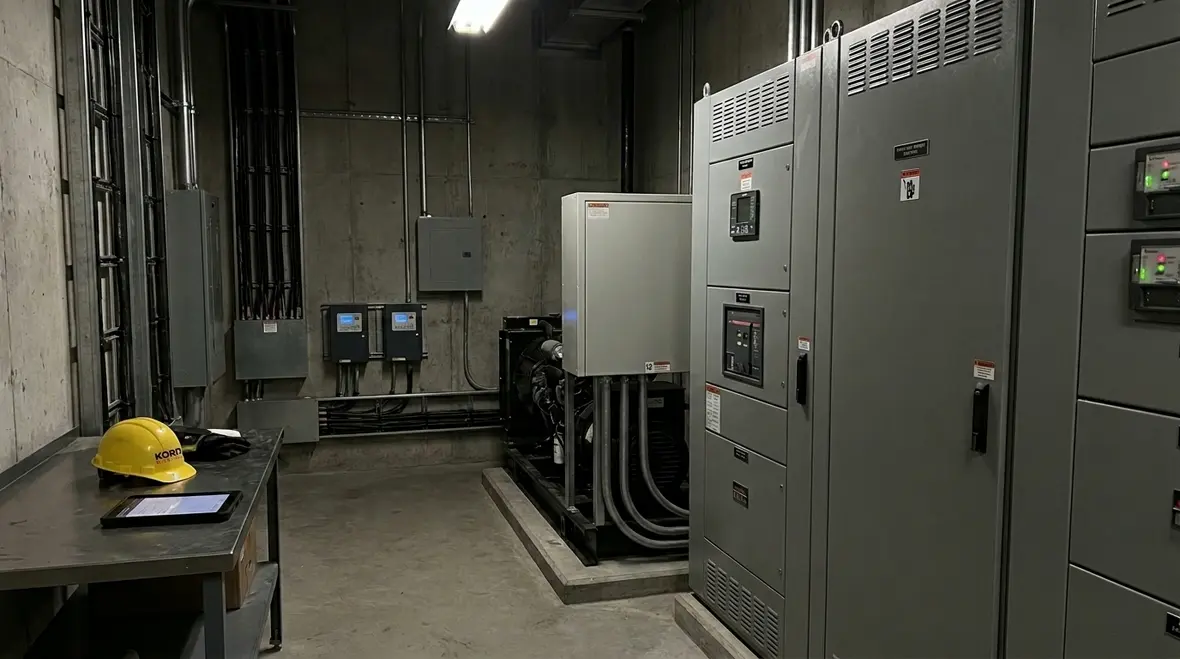
Business Continuity Power Solutions for Uptime
Business Continuity Power Solutions That Keep Commercial Lights On
When the grid drops, the real test starts fast. In those first minutes, our goal at Kord Electric is simple: we deliver business continuity power solutions so commercial and industrial facilities can keep critical loads running, even when the unexpected shows up uninvited. Others call it “backup power.” We call it a calm plan with real hardware behind it. And yes, we get it, everyone loves a roadmap until the traffic hits. So, we design systems that protect uptime, manage load, and reduce downtime without turning your facility into a science experiment.
In the rest of this guide, we explain how we plan for outages, how we size power correctly, and how our technicians walk teams through the details, step by step, so decisions stay clear and the switchovers stay smooth.
Why reliability starts in the electrical design
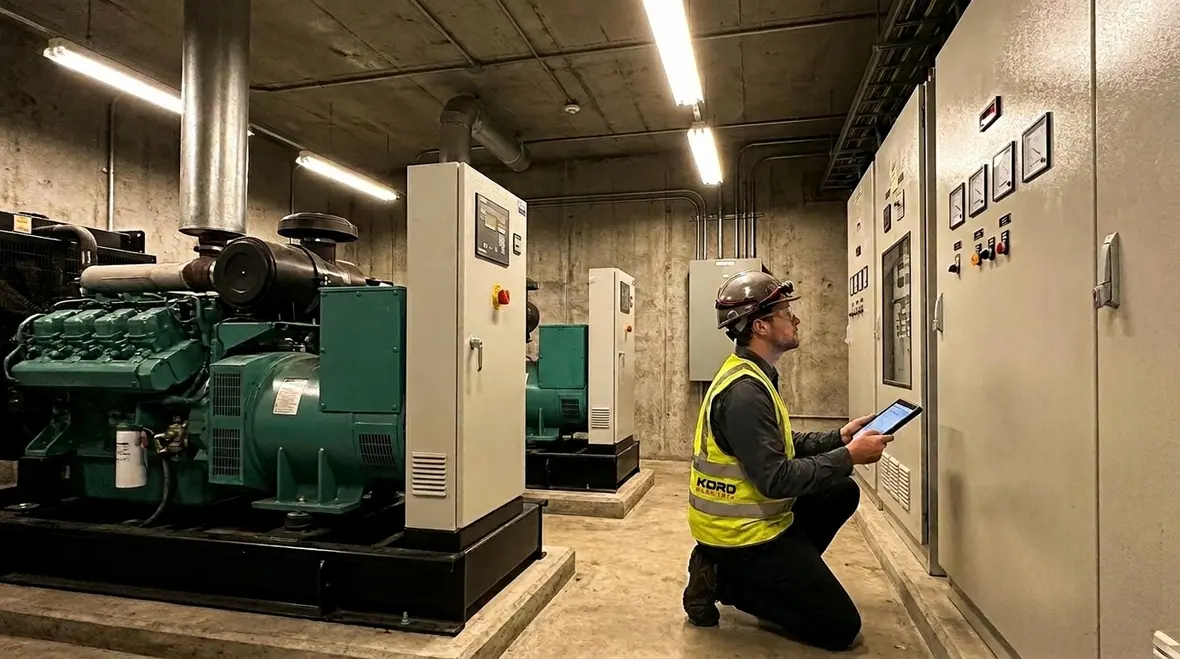
Strong reliability does not begin at the generator. It begins with the way electrical distribution is designed to support clean transfers, safe switching, and steady power flow. Therefore, Kord Electric builds continuity into the distribution path, not as an afterthought.
We follow proven reliability ideas described in our data center electrical distribution design for reliability, including redundancy, proper segregation of power paths, and thoughtful routing so one fault does not cascade. At the same time, we pay attention to coordination, protection settings, and clear labeling, because confusion during an outage feels longer than the outage itself.
In practice, that means a facility gets power that behaves as expected when conditions change. And when it behaves as expected, operations teams stop guessing and start responding.
Map critical loads before anyone picks equipment
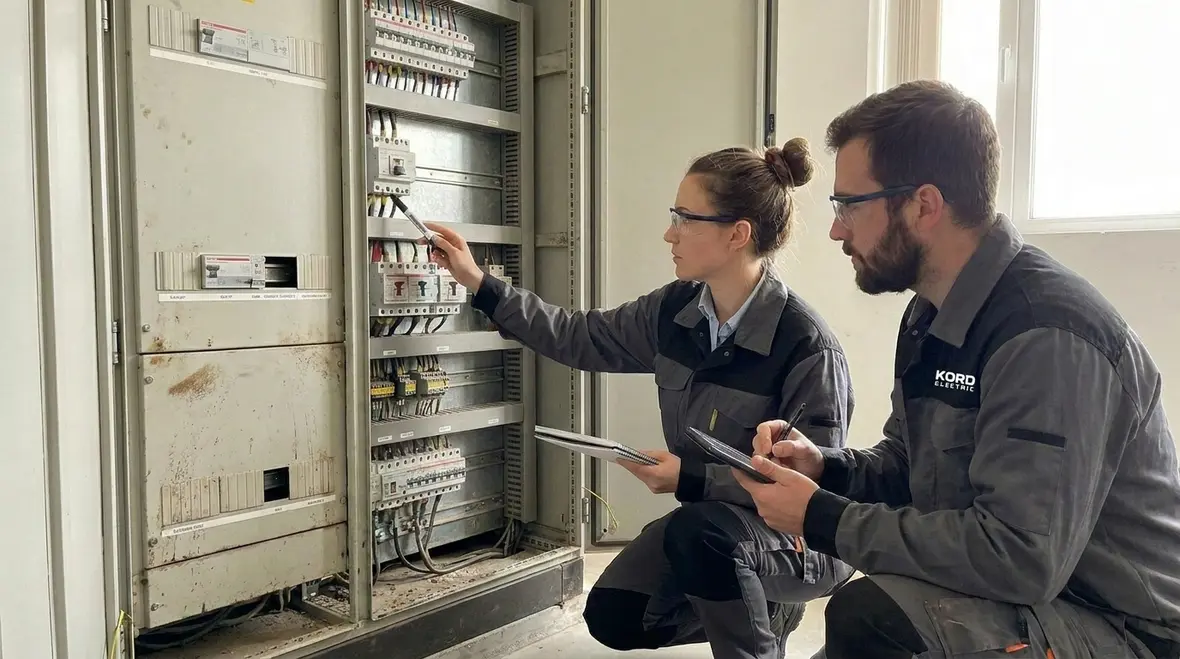
Next, we guide our clients through load mapping. That step matters because not every circuit needs the same level of protection. For example, a process line, life safety equipment, and key IT loads may require fast restoration, while other services can tolerate longer delays.
So, we help define critical, essential, and non essential groups. Then we match each group to the right layer of business continuity power solutions. This reduces cost waste and prevents over building where it does not help.
Also, load mapping keeps change control honest. If a tenant remodels, adds equipment, or expands production, the facility plan must update. Otherwise, the backup system ends up doing karaoke while the real song plays elsewhere.
How we size generators and transfer systems for real duty
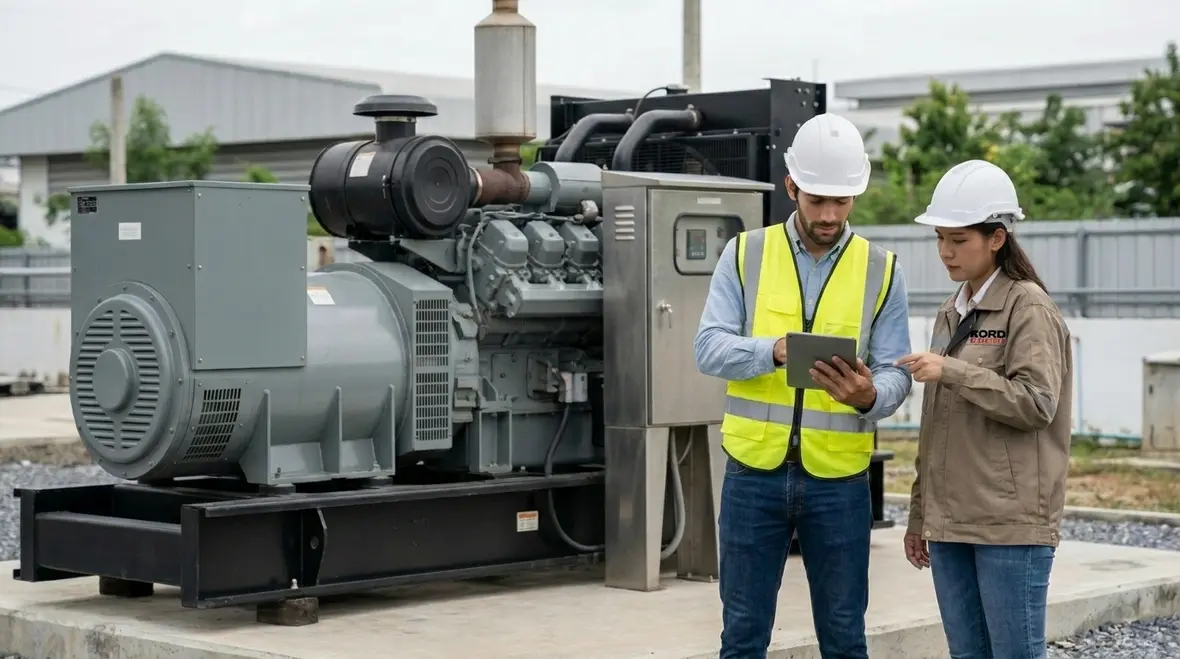
After load mapping, we size the power system for the way the facility actually runs. Many facilities face start up surges, motor inrush, and variable loads. If a client sizes for a static number, the system can struggle when motors kick on or when multiple processes restart together.
Therefore, our engineers and technicians review motor horsepower, typical demand, ramp behavior, and run time needs. Then, we select generator capacity, voltage levels, and paralleling strategy when required. In addition, we select transfer equipment that supports safe switching and stable output.
Our service staff explains the “why” behind the math. In other words, we do not just tell a client what to buy; we show how the selection supports uptime. That clarity helps operations leaders approve upgrades faster and avoid costly rework.
And if you have ever seen a test fail because someone assumed “it will be fine,” you know why we take this personally. We keep the stakes in focus, because downtime always costs more than planning.
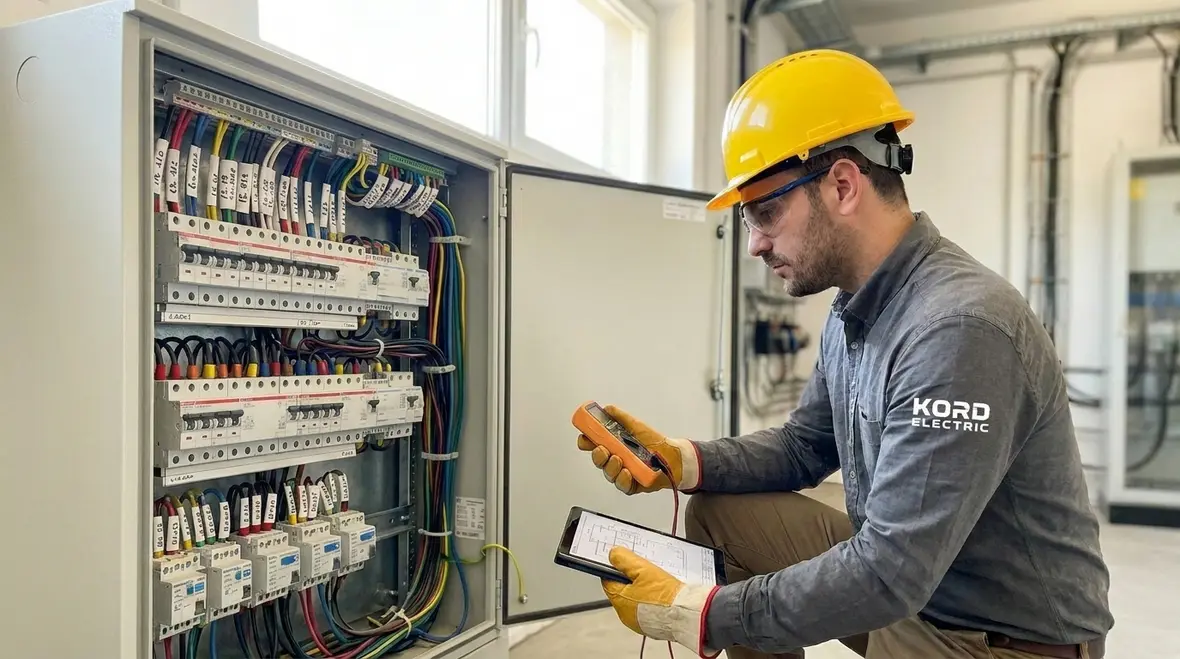
Fuel planning, runtime control, and the hidden outage killers
Many people focus on the generator nameplate and forget the fuel reality. However, fuel supply and runtime planning often decide whether the system covers the outage window. For commercial and industrial facilities, we help clients understand fuel capacity, refill logistics, and time to switch from utility to generator and back.
We also consider monitoring and controls. For example, automatic controls should track health, start confidence, and alarms. Meanwhile, load management can prevent overload by shedding non critical loads when conditions demand it.
Then, we address runtime proof through testing. We do not treat maintenance as a checkbox. Instead, we help clients plan schedules for load bank tests, engine health checks, battery checks, and transfer operation verification.
With the right runtime plan, business continuity power solutions can cover planned events and real emergencies with fewer surprises. And fewer surprises keeps everyone calmer, even if a coworker keeps making jokes about “Friday at 4 p.m.” like that is a magic time for failures.
Protection, coordination, and safe transfers that do not panic the grid
Once the system produces power, the next challenge is distribution safety and protection coordination. Therefore, we coordinate breakers, relays, and protective devices so the system isolates faults quickly and keeps healthy loads online.
During an outage, the transfer moment matters. Timing, synchronization, and control logic must work together, so the facility does not see unstable voltages or unnecessary interruptions. We design transfer schemes to match the facility’s electrical architecture, including whether loads require a break, an overlap, or a fast no break transfer approach.
Additionally, we ensure labeling and documentation remain accurate. When our technicians are on site, we want them to follow clear, readable diagrams, not rely on “that one person who remembers.” Because that person might be on lunch, and lunch is not a maintenance strategy.
When protection and transfer coordinate well, business continuity power solutions behave like a dependable system, not a series of components that hope for the best.
Testing, maintenance, and training that keeps uptime real
Systems only perform during events they have been prepared for. That is why Kord Electric builds testing and maintenance into the reliability story from the start. We help clients set schedules for preventive work and for targeted checks after major changes.
We also bring our expert service staff into the training loop. We explain system behavior in plain language, so operators understand what to expect during transfers, what alarms mean, and what steps to take while the emergency response is still active. As a result, teams act fast and correctly instead of freezing or improvising.
Moreover, we recommend periodic functional testing for transfer equipment, generator starting sequences, and load response. And if a facility has multiple buildings or a campus layout, we can help coordinate testing to limit operational disruption.
This approach keeps the system trustworthy over time. In the same way a seatbelt only matters when you need it, reliability equipment only matters when the outage arrives.
For organizations ready to formalize this discipline, Kord Electric’s structured electrical preventive maintenance services align naturally with business continuity power solutions, helping facilities keep uptime real instead of theoretical.
Dual column reliability planning for facilities with multiple needs
Planning element |
What we do for commercial and industrial sites |
Critical load definition |
We sort loads by impact, then align each group to the right continuity path. |
Distribution architecture |
We design redundancy and segregation so one fault does not take everything down. |
Transfer and switching |
We coordinate timing and control logic to avoid unstable transitions. |
Generator and fuel strategy |
We size for real startup behavior and plan runtime coverage with monitoring. |
FAQ
Request a continuity power plan from Kord Electric
If your commercial or industrial facility depends on uptime, do not leave power continuity to chance. At Kord Electric, we plan and build business continuity power solutions that protect critical loads through smart design, correct sizing, safe transfers, and disciplined testing. Reach out for an outage readiness review and a clear path forward. We will walk your team through the details, answer real questions, and help you move from “hope” to “handled.” Let us help you keep operations steady, even when the lights outside decide to quit.
For facilities where uptime risk ties directly to revenue, safety, and tenant confidence, our structured electrical preventive maintenance programs work hand in hand with continuity planning. Together, they turn backup power from a hopeful add on into an integrated strategy for long term reliability.
If you are exploring broader upgrades to your infrastructure, especially in data center or technology heavy environments, you can also review how we approach data center electrical distribution design for reliability. The same principles that keep server halls online can be adapted to production floors, high rise properties, and campus style sites that cannot afford extended downtime.
And when you are ready to translate this into a concrete plan, our dedicated electrical preventive maintenance service team can help you prioritize inspections, testing, and upgrades so your continuity strategy fits both your operations and your budget.


