Electrical Distribution Panel Lifecycle Management
In a solid electrical distribution panel lifecycle, we treat every switch, breaker, and bus bar like it has a job today, a job tomorrow, and a job during the next power event. We plan for that, we inspect for it, and we repair or upgrade for it, so the system can keep delivering peak performance without surprises. Then, when the facility demands more capacity or faces a new tenant load, we steer the panel through the next phase with the right documentation and correct parts. And yes, we know panels do not ask for a spa day, but they do deserve careful service.
How we manage electrical distribution panel health across the full lifecycle
Kord Electric manages electrical distribution panel performance using a lifecycle mindset, which means we do more than “check and close.” We start by verifying the design basis, then we track real-world conditions such as load growth, harmonic distortion, and heat patterns. Next, we compare what we find during inspections to what the equipment was built to handle. After that, we prioritize actions based on risk, not on calendars.
When our technicians walk a commercial or industrial facility, they follow a repeatable method that maps the panel to the building. This includes upstream gear and downstream feeders, because a panel rarely fails in isolation. If one circuit drifts out of balance, it can stress components across the distribution pathway. We treat those links as one system, not a collection of parts.
We also explain the “why” in plain business language. Others may hand you a report that reads like a medical chart from space. Our expert service staff instead translates what the numbers mean for your operation, your downtime risk, and your power quality. Because, frankly, uptime is usually not on the same priority list as “mystery troubleshooting at 2 a.m.”
Inspection and testing that actually reduce shutdown risk

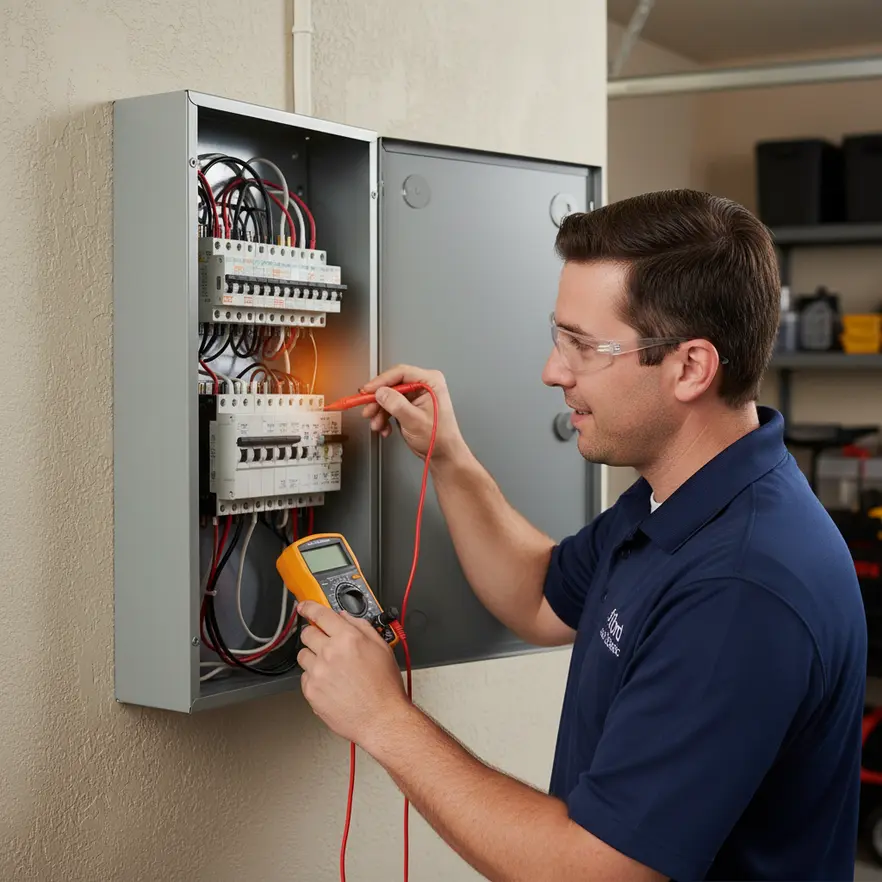
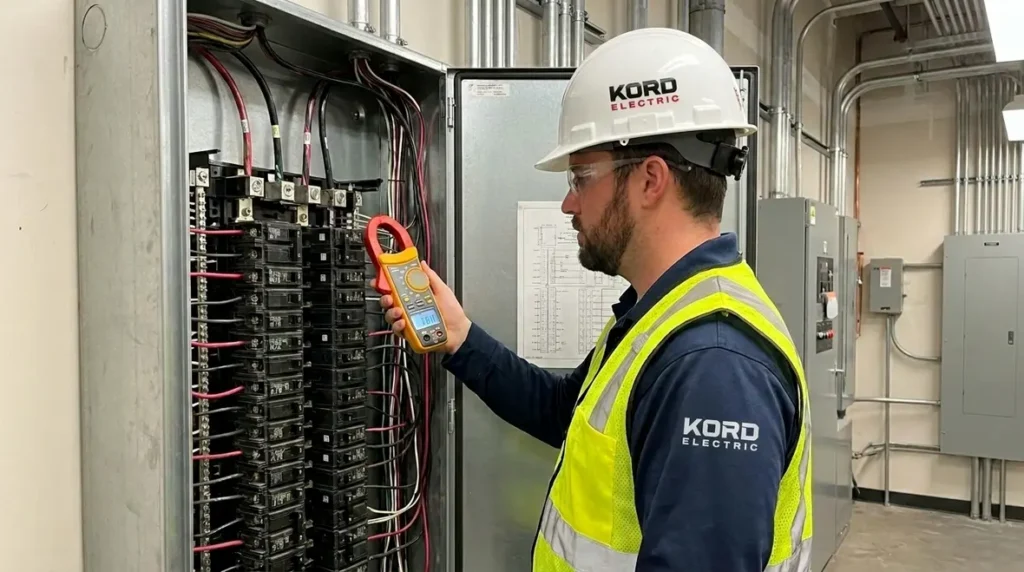
Inspections work best when we tie them to failure modes. Therefore, our process focuses on mechanical wear, thermal stress, and electrical integrity. For example, we look for loose terminations and signs of overheating, then we validate the condition with tests that match the panel type and operating environment. We pay close attention to bus bar connections, breaker operating mechanisms, and neutral and ground pathways.
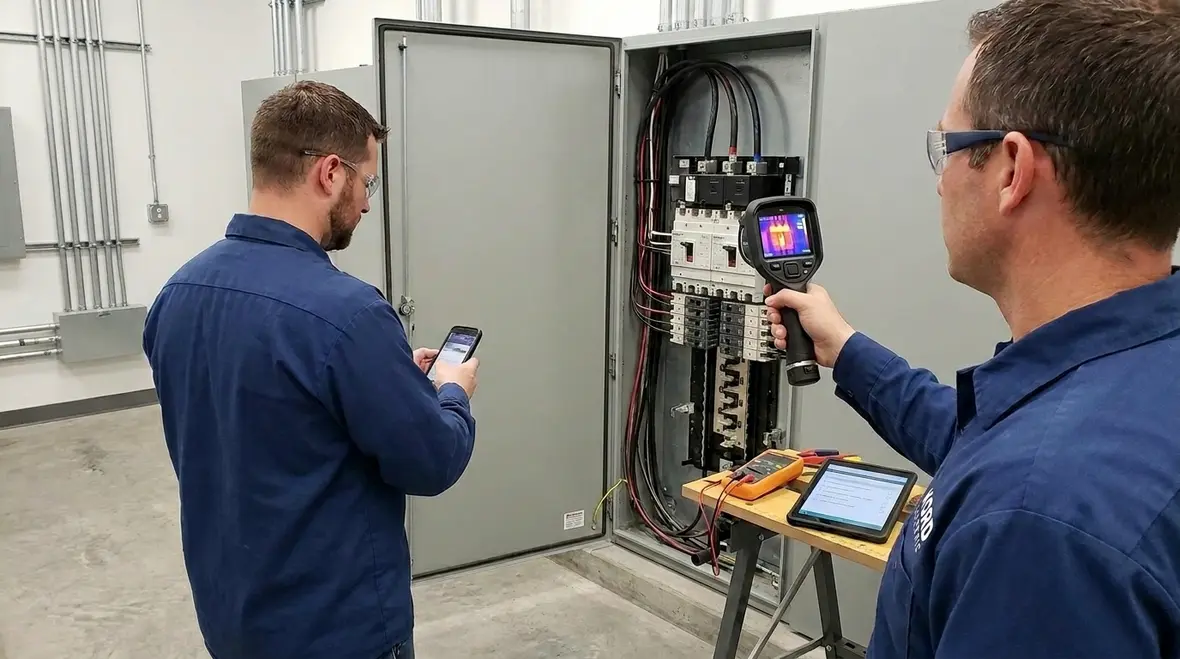
Afterward, we document findings in a way your site team can use. That includes photos, torque and condition notes, and circuit-level context. Then, we help you decide what to fix first. In many facilities, the most expensive downtime comes not from a single catastrophic failure, but from multiple smaller issues that remain unnoticed until they add up.
Meanwhile, we keep compliance in mind. Kord Electric aligns our panel maintenance approach with NFPA 70B guidance, because it reflects practical service logic for electrical equipment care. If you want maintenance that holds up under scrutiny, you should plan like a professional, not like a hope-based strategy. (Hope is great for sports. Panels need more than that.)
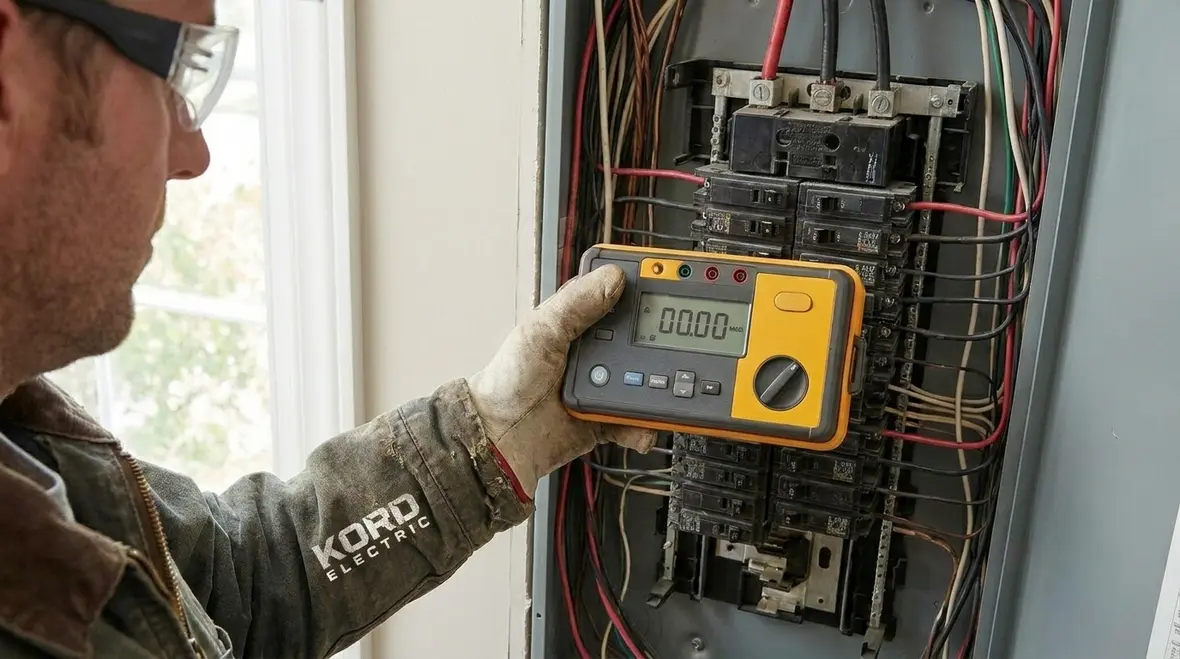
Thermal, load, and power quality: the hidden drivers of panel aging
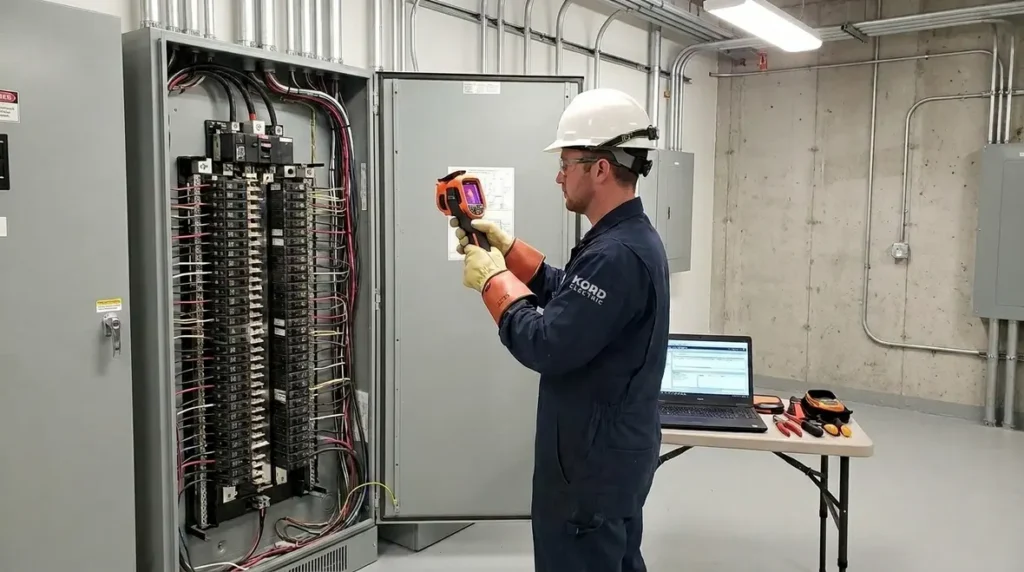
Panels age faster when heat and electrical stress build quietly over time. Even when breakers still “work,” thermal cycling can loosen connections, degrade insulation, and stress bus bar interfaces. So, we treat heat like a signal, not a side effect. We examine how the facility runs and how it changes.
For industrial plants and major commercial buildings, loads often fluctuate. Process equipment ramps up, HVAC cycles change, and tenant spaces evolve. As a result, the distribution system may see higher current, different load balance, and more harmonic content than it did during commissioning. Therefore, we evaluate whether the panel is operating within its intended limits and whether protective devices still coordinate properly.
Our technicians also look for symptoms that a facility team might notice but not connect to the panel lifecycle. Flicker, nuisance trips, intermittent alarms, and recurring breaker maintenance can point to deeper issues. And when power quality issues show up, we do not simply blame the utility or the last contractor. We verify what the equipment is experiencing inside the building.
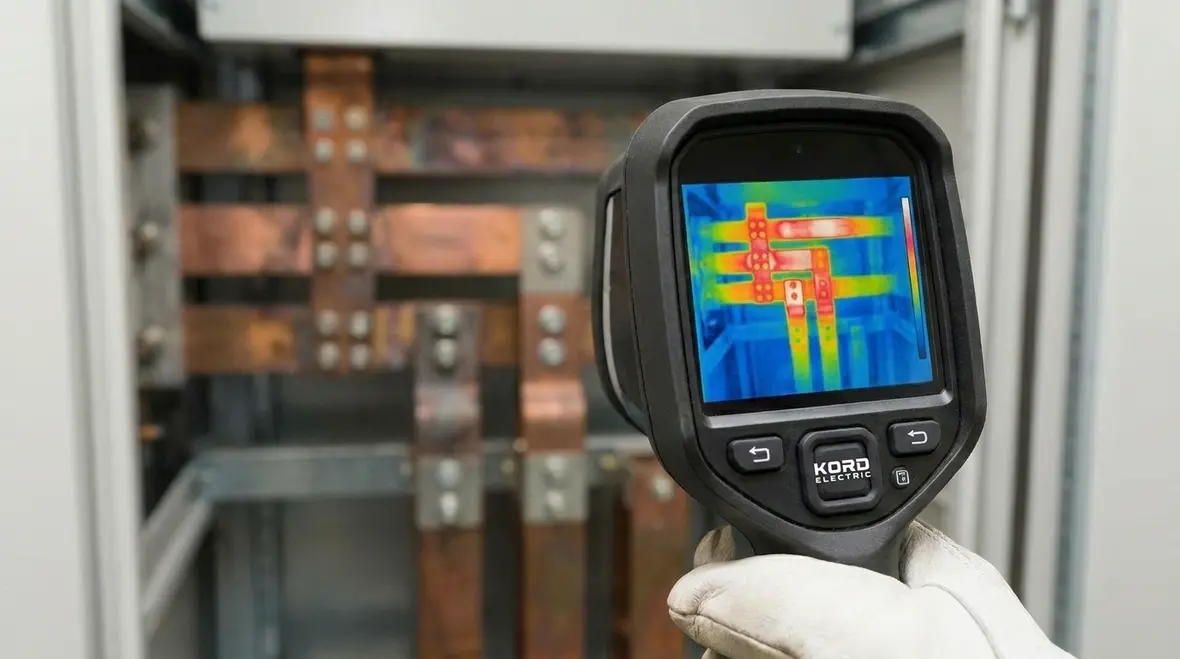
From tightening to parts replacement: what we do at each service stage
When the distribution system enters a maintenance stage, we focus on precise actions that match the condition we observe. This may include cleaning, inspection of breaker contacts, review of torque integrity, and evaluation of mechanical operation. In addition, we assess protective device settings and coordination to confirm that the panel protects circuits as intended.
As components reach the point where repair no longer makes sense, we shift into replacement. That decision matters in commercial and industrial environments, where downtime costs can climb fast. So we plan replacement windows, we select correct parts, and we verify compatibility with existing gear. We also label work clearly so your electrical room remains readable for the next shift, the next vendor, and the next maintenance cycle.
Now, let us address the elephant in the switchgear room. Some teams delay service because “it seems fine.” However, fine often means “it has not failed yet.” Then, when the first failure arrives, everyone suddenly becomes a panel expert overnight. Our expert service staff helps you avoid that by staging work based on risk and condition, not on luck.
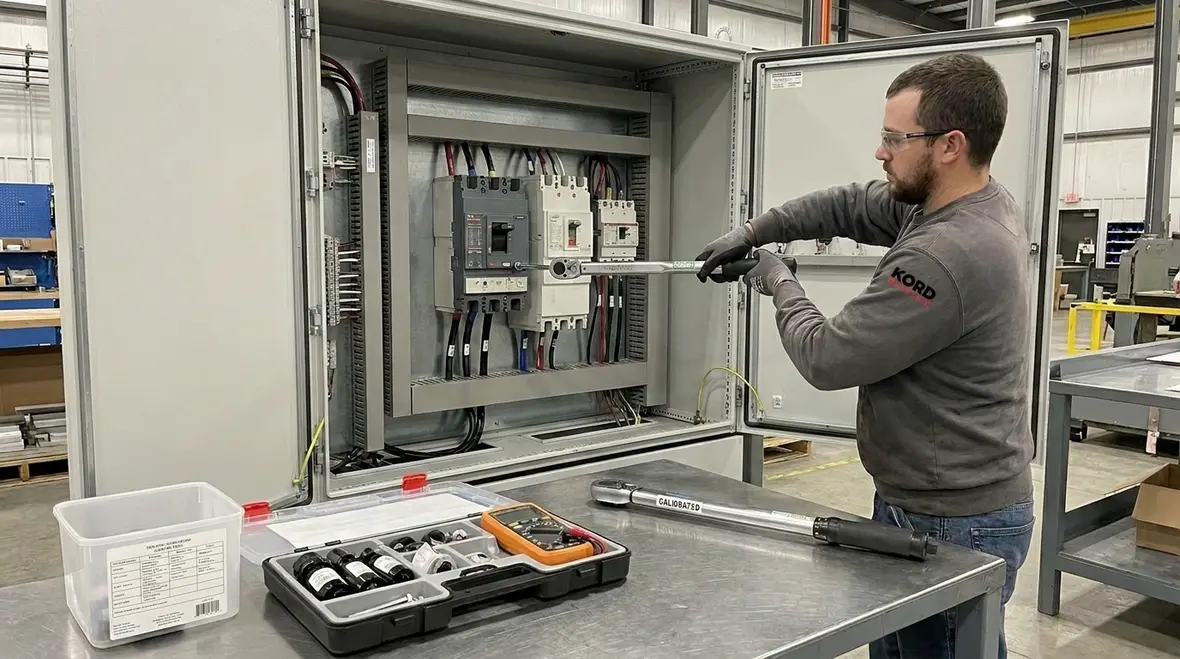
NFPA 70B aligned maintenance planning for commercial and industrial panels
Our team uses the same core philosophy described in our reference on NFPA 70B electrical panels and switchgear maintenance: maintenance should be periodic, measured, and designed to keep equipment reliable. We apply that thinking to commercial and industrial facilities, where equipment operates under real stress and real schedules. We also treat maintenance as part of asset management, which means you should plan for labor, parts, and access.
So, we help facilities build a service rhythm that fits their operation. For some sites, that means more frequent checks during high production seasons. For others, it means deeper work during planned outages. We then align our service scope with panel type, load profile, and environmental conditions such as dust, moisture risk, and vibration.
Just as importantly, we guide site managers on how to use the maintenance data. When you can see trends, you can schedule work before failures appear. Without trends, you only discover problems after the lights go out. And in a facility that sells time by the minute, that is an expensive habit.
Upgrades and lifecycle extension when demand grows
Most facilities do not stay the same. As operations expand, we see new circuits, upgraded motors, additional production lines, and EV charging plans that arrive like clockwork. At that point, the existing panel must support growth without pushing beyond safe limits. Therefore, we evaluate capacity, conductor loading, and protective device ratings. We also review whether bus bars and feeder pathways can handle the new demands.
Sometimes the best answer is a targeted upgrade such as added sections, updated protective devices, or improved monitoring. Other times, full replacement or parallel solutions make more sense. Either way, our goal is to extend performance and reduce risk while keeping operations moving.
We also coordinate upgrades with the rest of the electrical system. If we add load and ignore coordination, we can create new failure points. However, when we treat the panel lifecycle as a continuous plan, we can add capacity while protecting the entire distribution network.
Common panel lifecycle problems we see in the field
Even with regular service, certain problems appear again and again. First, loose terminations can develop after thermal cycling, vibration, or repeated breaker operation. Second, degraded insulation and contaminated internal surfaces can create tracking risks. Third, unbalanced loading and neutral issues can overheat components quietly.
Another frequent issue involves outdated protective settings and mismatched device coordination, especially when facilities add circuits over many years without a central maintenance plan. Then, there is the human factor. In some rooms, labels fade, documentation goes missing, and the next technician must guess. That uncertainty slows work and increases the chance of rework.
Our technicians address these problems with disciplined inspection, clear labeling, and service records your team can trust. And we explain the outcome in a way that helps decision makers act fast. Because “we recommend” is fine, but “we can schedule this and reduce your risk” is better. We aim for the second.
Maintenance insights delivered clearly by our expert service staff
We believe commercial and industrial facilities deserve service that is both precise and understandable. Therefore, our expert service staff communicates in real-world terms: what we found, what it means for equipment reliability, and what it changes for your uptime plan. We also show how the panel lifecycle impacts long-term cost.
Some companies sell maintenance as a box to check. Others sell panic. We sell steady, repeatable reliability. If your facility operates 24 7, you need a partner that treats your electrical system like a critical asset, not a background detail.
And yes, we occasionally add a joke when the situation allows it. Not because electrical work is funny, but because good teams stay calm, focused, and coordinated. If we can lower stress, we can often lower risk too.
FAQ
Plan electrical distribution panel lifecycle care with a structured maintenance partner
If you want to go deeper into structured maintenance thinking, Kord Electric also shares broader strategies in their article on commercial and industrial electrical maintenance plans, where preventative programs are built to match real facility conditions and long-term reliability goals.
For facilities ready to put that strategy into practice, exploring Kord Electric’s dedicated electrical preventive maintenance services gives you a clear path to organizing inspections, coordinating panel work with the rest of your distribution system, and scheduling upgrades that support uptime instead of interrupting it.
Conclusion
Kord Electric helps your team protect uptime by managing the electrical distribution panel lifecycle with disciplined inspections, condition based service, and upgrades planned for real facility growth. We align our approach with NFPA 70B guidance and we explain findings in clear, business friendly terms. If you want fewer surprises, steadier power, and better budgeting for electrical work, contact Kord Electric today. We will review your panels, map risk, and schedule service that supports your operation. You run the business. We keep the power steady.