California Commercial Electrical Compliance Checklist
At Kord Electric, we help California commercial owners stay confident with an electrical compliance checklist california commercial buildings approach that is practical, clear, and built for the way your facility actually runs. We know that when people hear “compliance,” they think paperwork, delays, and a lot of meetings where nobody brings donuts. Instead, we focus on what matters in the field: safe systems, documented checks, and corrections that reduce risk before an inspector, an insurance adjuster, or physics does the talking.
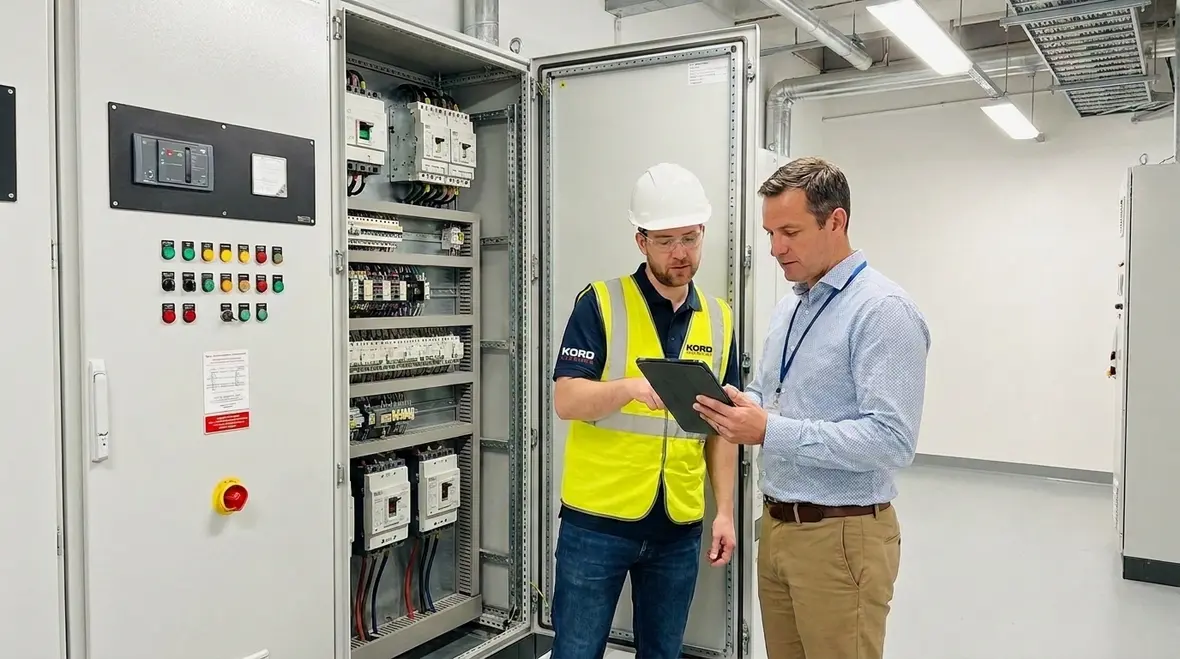
And yes, our technicians and expert service staff explain what they find in plain language. So, when they point out a problem, you do not have to guess whether it is urgent or just “kind of interesting.” You get the facts, the next steps, and the timeline you can plan around.
Start with California code reality, not guesswork
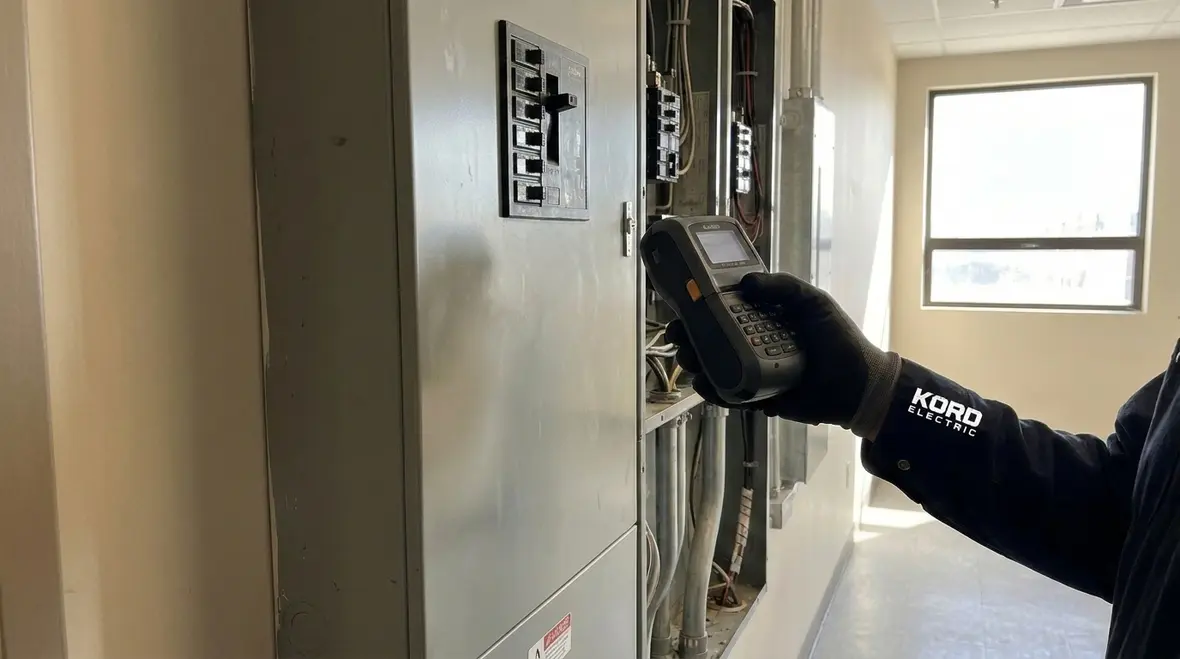
Before any cover comes off a panel, we anchor the work in the reality of California commercial electrical requirements and the inspections that follow. Then we map your building’s electrical system into a checklist you can use, not a pile of notes you will lose. That is how we build an electrical compliance checklist california commercial buildings workflow that stays useful across renewals, remodels, tenant changes, and maintenance cycles.
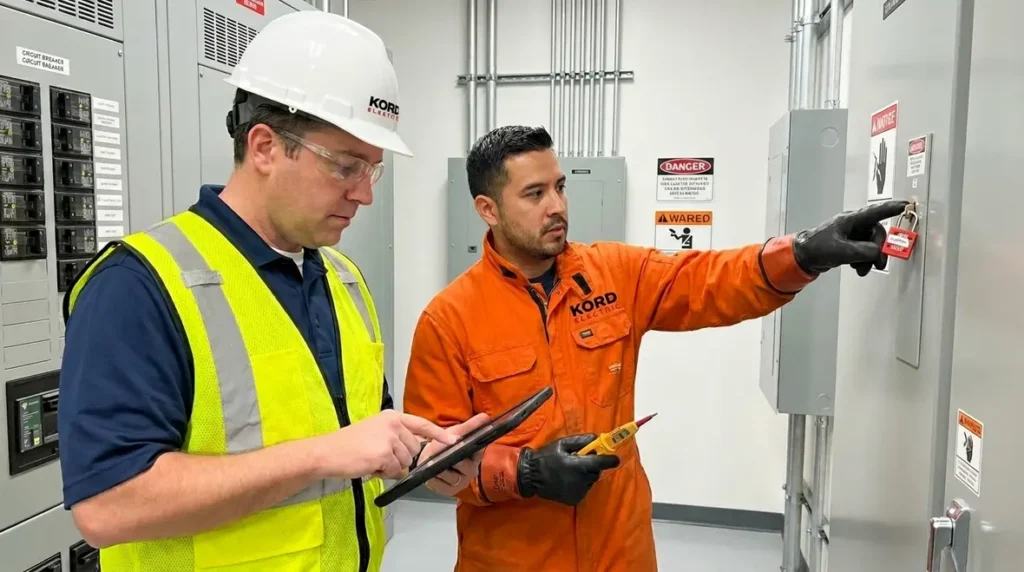
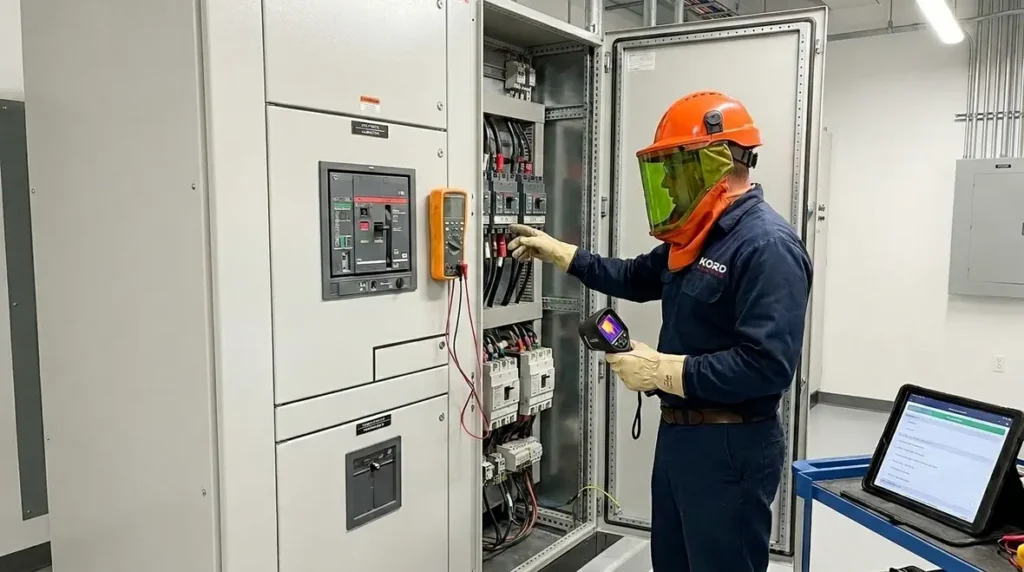
In practice, compliance starts with visibility. We review available documentation and then validate it in the field. For example, we verify panel labeling, circuit identification, and whether equipment match the as-built expectations. Next, we check protective devices, grounding and bonding paths, and the condition of conductors and terminations. Finally, we confirm that the system supports safe operation under normal and abnormal conditions.
Because commercial and industrial facilities do not get the luxury of “we will fix it next month.” When you run equipment daily, small electrical weaknesses become big operational problems fast.
Dual column walkthrough: what we inspect and what it prevents

Our technicians follow a stepwise process. We confirm condition, functionality, and documentation. And we connect each finding to the risk it reduces. Below is the kind of clarity you get when we build your program.
|
Inspection focus Panelboards and switchgear condition Cable terminations and conductor condition Grounding and bonding integrity Working clearances and access paths Overcurrent protection and protective device status Surge protection and damage signs |
What it helps prevent Loose connections, heat buildup, and fault escalation Arcing events and intermittent failures that waste production time Unsafe touch voltage and damaged equipment pathways Noncompliant spacing that can block safe servicing Undersized or mismatched protection that causes repeat outages Surges that degrade electronics and control systems |
In other words, we do not just “look.” We verify. And then we explain how each item fits into compliance and safety. If an issue is serious, we say so directly. If it is a maintenance priority, we put it in a realistic order that your team can execute.
Electrical preventive maintenance that supports compliance
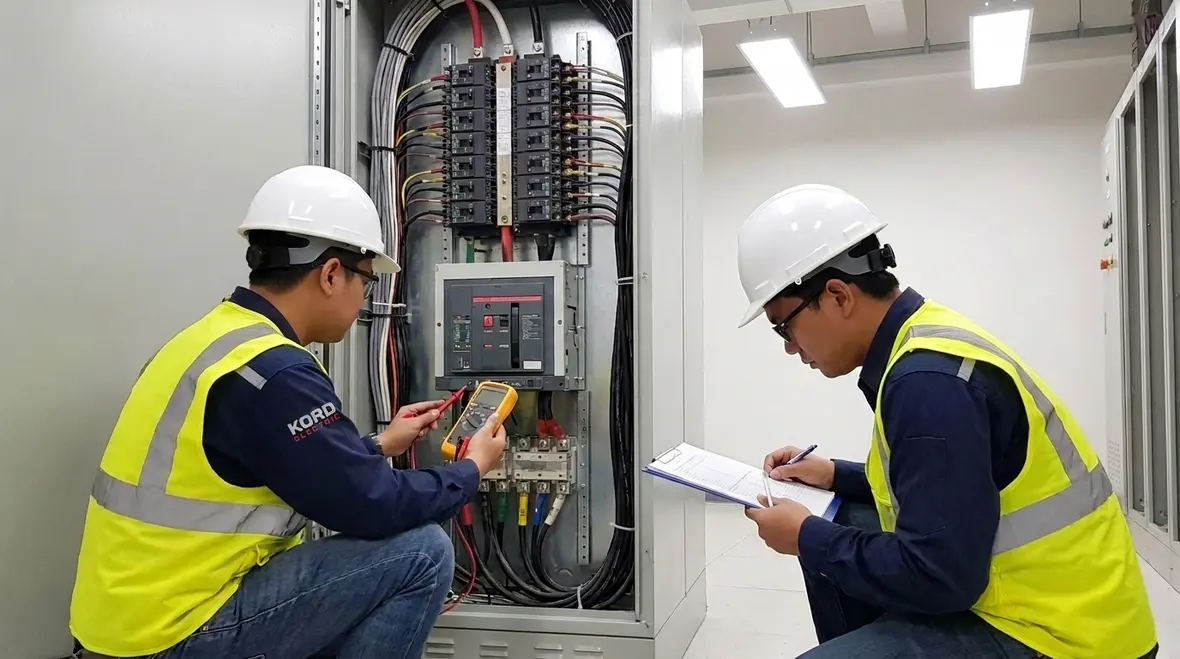
Many facilities treat preventive maintenance like a generic calendar event. We treat it like a compliance engine. If you follow the right routine, you reduce the chance that minor defects grow into failures that trigger compliance issues later.
We align our work with the same logic you see in our electrical preventive maintenance approach. That means we do more than checkboxes. We look for early warning signs, confirm readings, and make sure the building electrical system operates with safety margins intact. Then we document what we did so your records remain ready for review.
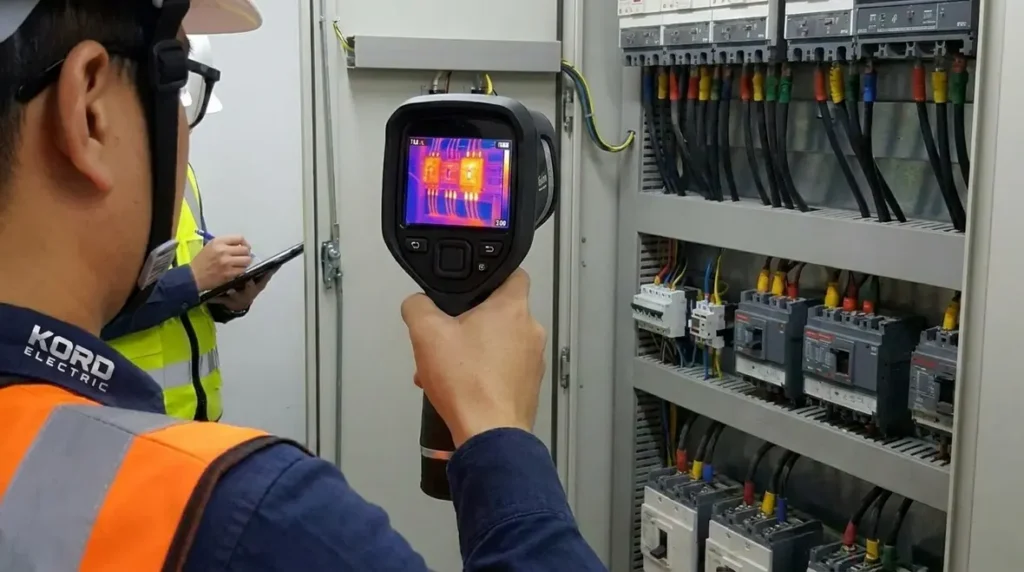
Depending on your equipment and usage, preventive maintenance often includes inspection of panels, switchgear, and distribution gear, along with verification of component condition. We also evaluate components that commonly create hot spots and nuisance trips. And when the system shows wear, we help you plan repairs before the problem spreads.
Think of it like changing the oil in your vehicle. Sure, you can drive it to “when it breaks.” But then you are living like a sitcom character who never learns. In commercial operations, we choose the grown up path.
Documentation and labels that make inspections easier
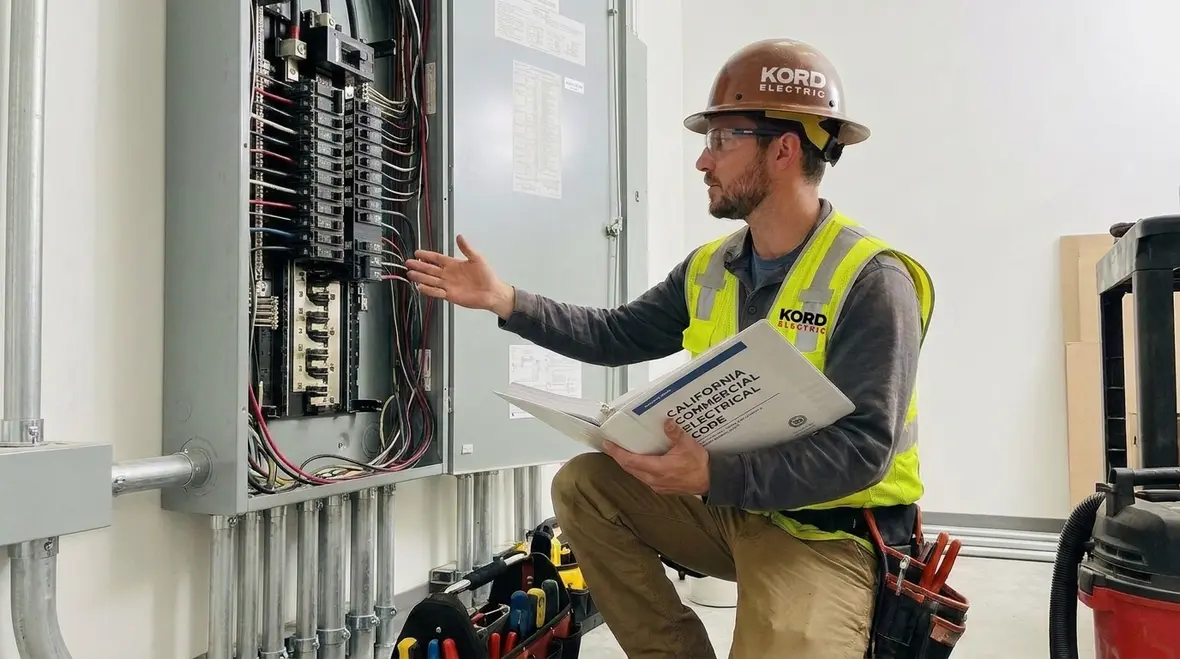
In commercial buildings, compliance is not only about electrical hardware. It is also about the story you can prove. Inspectors want to see that your system has been maintained and understood. And we help you keep those records clean, consistent, and tied to real work.
Our expert service staff pays close attention to labels and documentation because it reduces confusion when something changes. For example, we confirm that circuit directories in distribution equipment match the actual circuit connections. We also encourage clear labeling across panels so your staff can identify circuits quickly and safely.
Meanwhile, we track findings in a way that helps you plan next steps. So, when a repair happens, the documentation reflects the “before,” the correction, and the reason. That matters during audits, renewals, and when multiple vendors touch the same gear over time.
And yes, we also help teams understand what the documentation means. If a technician says “we found loose terminations,” we make sure the facility manager understands what that implies for downtime, risk, and priority.
Common compliance gaps we spot in commercial and industrial sites
Every facility has its own history, but the gaps often rhyme. We frequently see issues tied to aging gear, tenant modifications, deferred repairs, and equipment that operates under heavy loads. Also, sometimes the building looks fine until you check the details where heat and stress hide.
Here are examples we routinely address in commercial and industrial properties:
Inadequate working clearances around electrical equipment, often caused by stored materials or blocked access routes
Panel labeling that does not reflect actual circuitry, which creates delays during troubleshooting and increases service risk
Signs of overheating at terminations, including discoloration or signs of arcing
Grounding and bonding issues that can increase electrical shock risk and cause equipment problems
Protective device mismatches after modifications, including incorrect replacements or improper coordination
Then we make it actionable. We explain what we found, what needs correction, and what can wait. In addition, we help align the work with your operational schedule so your team does not lose production time.
How we keep your facility safe year round
Compliance does not happen once. It happens continuously through consistent maintenance, careful repairs, and clear communication. At Kord Electric, we support commercial and industrial facilities and major property buildings, which means we plan for steady workloads and multiple stakeholders.
Our process is straightforward. First, we inspect and document. Next, we prioritize based on safety impact, operational risk, and regulatory readiness. Then we schedule repairs or upgrades and verify the system after work is completed.
To keep things smooth, our technicians explain findings as we go. That approach reduces misunderstandings and helps your team make decisions faster. And if you need a compliance driven plan that connects preventive maintenance with documentation readiness, we help build it that way.
Because if your electrical system is stable, your entire facility runs calmer. And in a world full of chaos, that is not a small thing.
If your properties span multiple sites across the region, tying this electrical compliance mindset to structured maintenance and upgrades can also support larger initiatives like energy efficiency, fire pump reliability, and panel labeling consistency. For many California operators, that means leaning on ongoing services that already support panel maintenance, labeling, and inspections instead of trying to manage everything piecemeal.
For businesses across the region, coordinating compliance work with broader Los Angeles County electrical services keeps documentation, upgrades, and repairs moving in the same direction instead of scattered across different vendors.
FAQ
Conclusion and call to action
If you want confidence, not surprises, start with a focused electrical compliance checklist california commercial buildings plan that matches how your facility operates. Kord Electric helps commercial and industrial property teams inspect, document, and correct issues with an organized preventive maintenance mindset. Our technicians explain each finding clearly, and we prioritize work to reduce risk and downtime. Whether you are coordinating across a single site or multiple locations, pairing your checklist with structured services like preventive maintenance and regional electrical support helps keep everything consistent and ready for inspection.
Contact us today to discuss your facility’s electrical condition and build a compliance driven plan your team can trust. If you are also reviewing long-term maintenance or upgrade strategies, exploring services like dedicated commercial and industrial electrical maintenance, Title 24 lighting compliance, or Los Angeles County-wide support can help you turn today’s checklist into a durable roadmap for safer, more reliable power.