California Workplace EV Charging Requirements
California workplace EV charging requirements California businesses face are not casual suggestions. They shape how employers design power, manage parking, and budget for growth. At Kord Electric, we help commercial and industrial facilities, as well as major property buildings, build charging systems that work today and scale tomorrow. We also make sure our technicians and expert service staff explain each decision clearly, so your team can move forward without guessing.
And yes, the rules can feel like a sequel nobody asked for. However, the right plan turns “maybe later” into “installed and operating,” with fewer surprises than a pop quiz on a Monday morning.
Workplace EV charging in California: what businesses must plan for
To understand what applies, facility leaders need to connect state expectations to the practical setup on site. First, businesses must look at the type of property, the parking layout, and the electrical capacity feeding the lots. Then they match those details to the charging goals, whether the site supports employee charging, customer access, or fleet operations. Most importantly, property owners should not wait for compliance deadlines to start the engineering work.
Next, they should review the number of spaces and how many are under the charging plan. In many cases, requirements focus on which parking bays must be ready for EV charging, and which bays must actually be installed. Additionally, businesses must plan for ongoing access, signage, and power delivery, not just cable runs. A charging station without a stable electrical backbone becomes a very expensive planter, and nobody wants that.
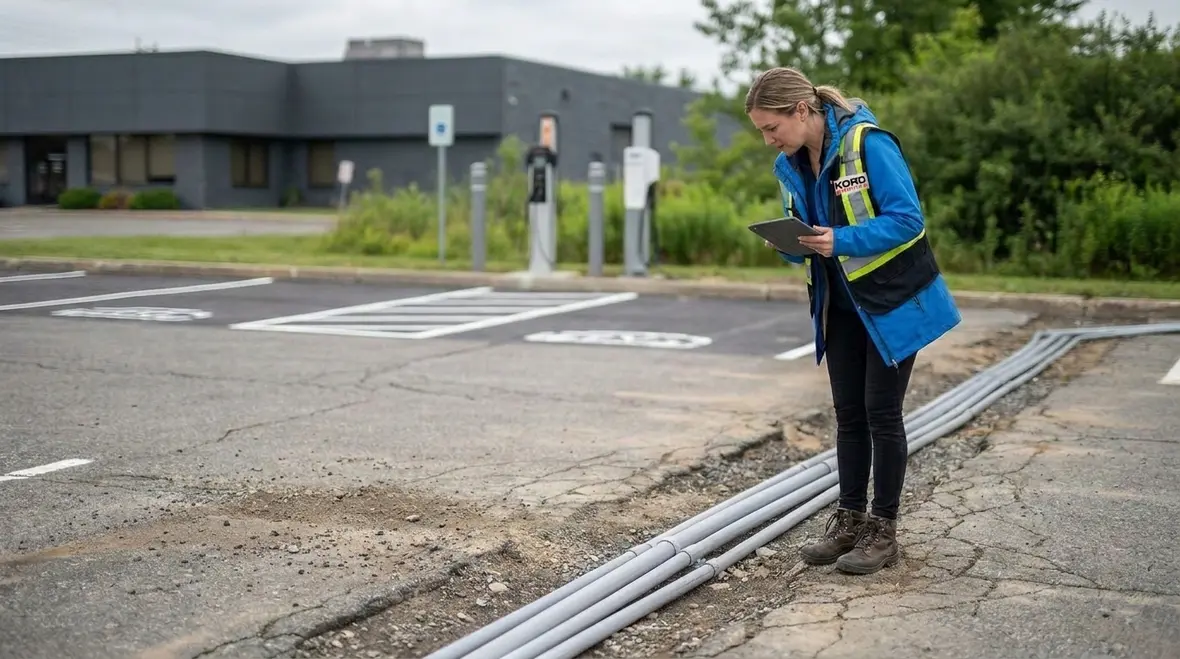
Finally, we recommend a compliance and buildability review early, because utility coordination, transformer lead times, and panel upgrades can affect timelines. Our team at Kord Electric maps these items step by step, and our expert service staff explains what each phase means for operations, construction noise, and downtime.
What workplace EV charging requirements California businesses usually trigger
California workplace EV charging requirements California businesses track do not appear in a vacuum. They interact with the way you assign parking, serve employees, and plan long term property upgrades. New construction and major alterations often must include a minimum share of EV capable and EV installed spaces, especially in markets that expect a high percentage of electric vehicles over the next decade. That reality turns “maybe someday” conversations into concrete decisions about conduit, panels, and where charging lives in the lot.
For many employers, the first trigger is project scope. When you add new parking, renovate an existing structure, or change how a building is used, code requirements can require a certain percentage of spaces to be EV ready and a smaller share to have active charging. That mix matters, because EV capable stalls need proper raceways and electrical capacity behind the scenes, even if the chargers themselves arrive in a later phase. In other words, you plan the backbone now so future projects do not turn into concrete demolition and expensive rework.
Next, the type of workplace influences how you interpret those rules. An office that hosts long dwell employee parking uses charging differently than a distribution center with fleet vehicles returning and leaving on tight cycles. Retail or mixed use sites must consider visitor turnover, ADA access, and how charging fits alongside short term parking. Kord Electric helps facility teams translate workplace ev charging requirements california projects face into clear layouts, panel capacity plans, and construction steps that everyone can understand.

Additionally, employers must plan for operational policies, not just hardware. That includes who can use workplace charging, how long vehicles may stay in an active charging stall, and whether the company bills for usage or treats it as an employee benefit. We often help clients define simple rules and signage that keep spaces turning over instead of becoming an unofficial reserved spot for the earliest arrivals.
Because these decisions add up, many organizations find it helpful to pair a workplace charging strategy with a broader planning resource that focuses on scale. Our commercial EV charging planning guide for scalable infrastructure walks through how to balance today’s needs with tomorrow’s demand, giving facility leaders a framework they can reference as regulations and vehicle adoption both evolve.
Electrical capacity and site power: where most plans break
EV charging does not run on hopes and good intentions. It runs on real power, and commercial sites need a plan that accounts for load, demand, and future usage. Therefore, we start with an electrical assessment that looks at service size, panel capacity, feeder ratings, and any existing building loads. Then we evaluate how charging will share power with HVAC, lighting, process equipment, and other motors.
After that, we model charging load so the system can manage peaks. For example, if several vehicles plug in at the same time, the demand spikes fast. At the same time, dynamic load management can reduce stress on the electrical system. However, it must be designed correctly, not simply selected from a brochure. We explain how managed charging, demand limits, and time of use strategies can keep bills predictable while still giving drivers enough power to leave on schedule.
Moreover, businesses should consider charging location and wiring paths. Long conduit routes can raise cost and installation time, so layout decisions matter. Also, installing charging equipment in places that block emergency access or violate parking design standards creates delays later. Kord Electric helps teams avoid those late surprises by aligning electrical design with site operations during planning.
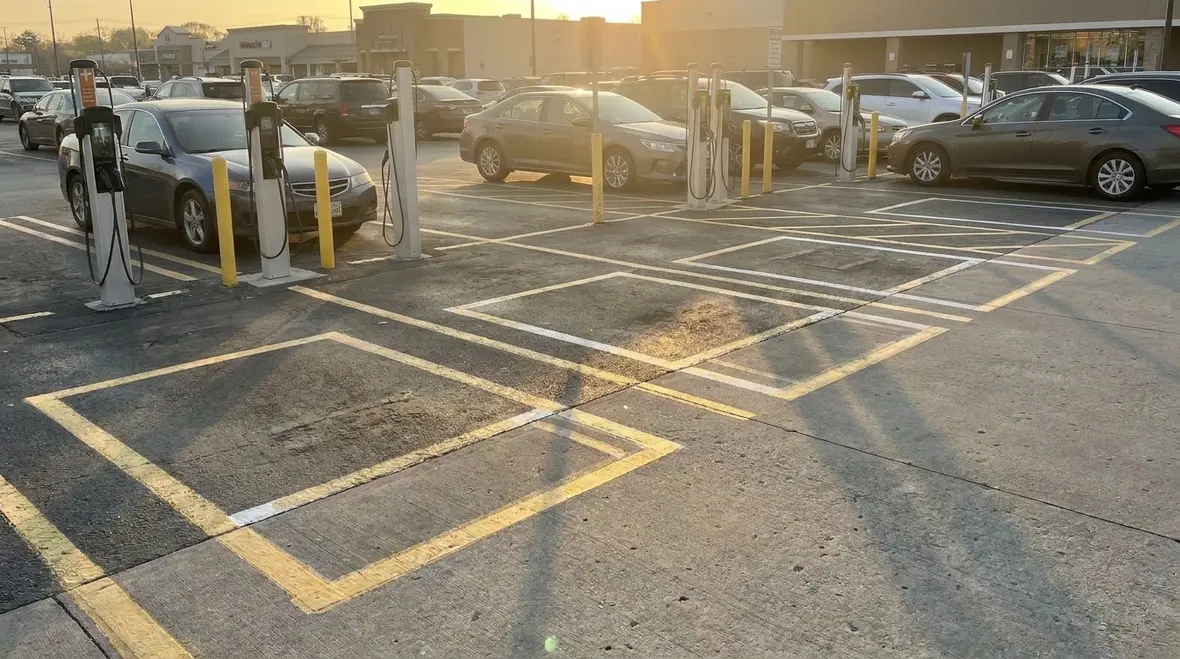
Finally, if the building needs an upgrade, we coordinate that work with charging installation. Our technicians handle the field realities, and our service staff walks clients through what to expect, including permitting steps, inspections, and commissioning. For leaders managing properties across the region, connecting these upgrades to broader Los Angeles County electrical services for commercial facilities keeps the big picture aligned instead of scattering projects across multiple vendors.
Designing charging bays for real use, not just compliance
Once the electrical plan is solid, the next step focuses on how people actually use the system. Businesses need clear station placement, safe cable routing, and reliable access. Then they need user-friendly controls for billing, permissions, and troubleshooting. In commercial and industrial environments, we often see charging used for shifts, breaks, and fleet cycles. Therefore, the system must support predictable daily behavior and also handle occasional surges.
Also, companies should think about vehicle types. Light duty vehicles, delivery vans, and heavier fleet units draw different charging profiles. As a result, equipment selection should match expected plug standards and charging power levels. In many workplaces, a mix of Level 2 chargers and higher output options can serve both employee and fleet needs. We discuss these tradeoffs with stakeholders early, so the final layout feels intuitive instead of patched together.
Next, businesses should plan for signage and wayfinding. If drivers cannot find stations quickly, charging adoption drops. And when adoption drops, the entire plan feels like a “green initiative” that got parked in the back row. Clearly marked routes, pavement markings, and simple instructions at each station help new users plug in without hunting for cables or guessing which stalls are open.
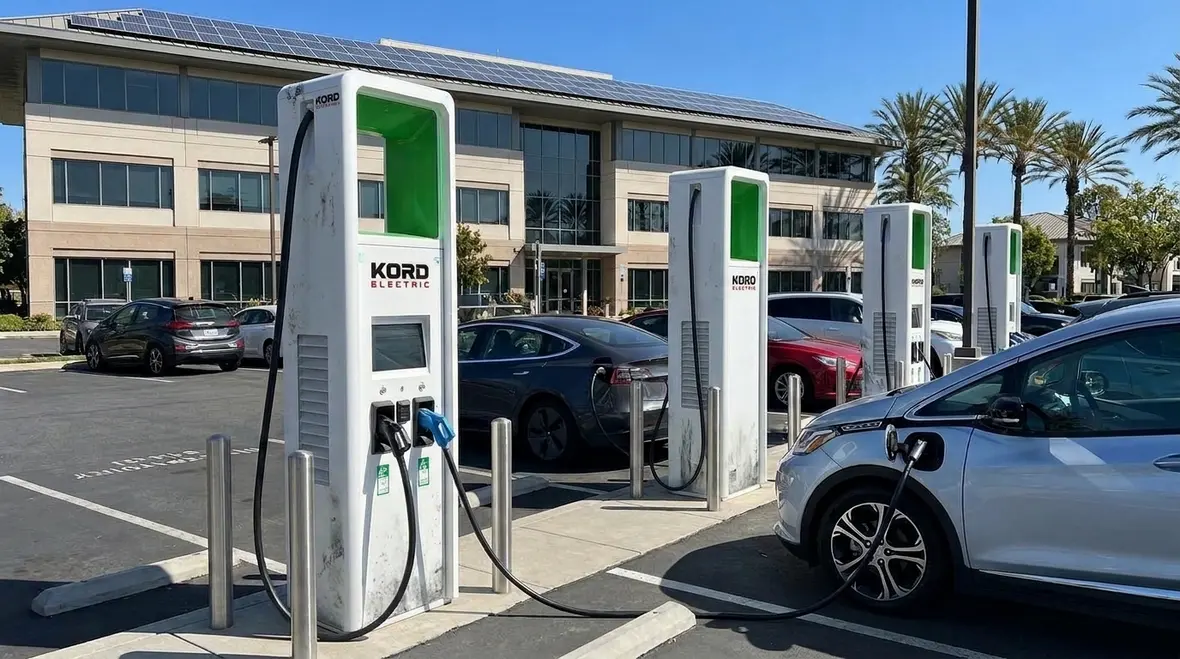
Additionally, we recommend weather and physical protection. Outdoor sites need equipment designed for the environment, along with proper mounting and conduit sealing. At Kord Electric, our technicians install with attention to long term durability, and our expert service staff provides guidance on routine maintenance and safe usage rules. We also coordinate with facilities teams on bollards, wheel stops, and other protective measures so drivers can park confidently without threatening the hardware every time they pull in.
How we scale EV charging without rebuilding the whole site
Scaling is where smart planning pays off. We do not want your organization to rebuild after a single growth cycle. Instead, we design for future expansion by setting up electrical headroom, reserving space in panels, and choosing systems that can add ports without major rework.
We also borrow from best practices in our commercial EV charging planning guide, which supports scalable infrastructure as sites expand. That planning approach emphasizes staged upgrades, thoughtful trench and conduit routing, and the right level of electrical provisioning. In other words, it helps businesses add capacity when they truly need it, rather than adding cost before it delivers value.
Moreover, businesses should consider how the system will evolve across departments. HR may want employee charging. Fleet managers may want vehicle turnover. Facilities may care about maintenance and uptime. Then finance wants predictable budgeting. Our job is to align these priorities into a single build strategy.
Furthermore, we recommend checking utility interconnection timelines early. If a site needs utility upgrades, that schedule can control the entire project calendar. So, we map those risks during planning and keep stakeholders informed. When your team is ready to move from planning into consistent execution, Kord Electric’s broader EV charger installation and commercial electrical experience helps each phase feel like a continuation of the same roadmap, not a brand new adventure every time you add stalls.
Finally, we verify commissioning and performance after installation. Our technicians test key functions and ensure the stations operate safely and consistently. Then our expert service staff explains the system settings and support process so the team can manage it without drama.
Permits, inspections, and documentation for major properties
Commercial and industrial properties require careful documentation. That is not the fun part, but it matters. First, Kord Electric prepares designs that support permitting and inspection needs. Then we coordinate with the right stakeholders, so the plan matches the actual field installation.
Next, businesses should expect inspection milestones around electrical work, equipment placement, conduit runs, and safety labeling. If the system uses network features or load management, we also verify those controls during commissioning. That way, when inspectors show up, your system does not look like a mystery novel with missing pages.
In addition, major property buildings often have multiple tenants or complex operations. Therefore, the project schedule should respect access needs, maintenance windows, and safety requirements for tenants. We plan around those realities, and we keep communication steady so on site staff can coordinate effectively.
Also, recordkeeping matters for long term operation. We help clients maintain installation documentation, which supports future service, warranty work, and audits. Our expert service staff then offers guidance on how to request service and how to handle routine issues quickly. For organizations that also want a broader roadmap for energy and electrical reliability, it can be helpful to connect EV charging documentation with other capital projects and preventive maintenance plans so nothing falls through the cracks.
FAQ: quick featured answers for California commercial charging
Choosing Kord Electric for compliant, scalable commercial infrastructure
In California, workplace charging is not a one and done install. It is an infrastructure program that needs correct power design, smart station placement, and a plan for expansion across years, not weeks. Kord Electric focuses only on commercial and industrial facilities and major property buildings, and we bring technicians and expert service staff who explain the process clearly. If your organization is ready to plan or upgrade charging, contact us now so we can build a system that meets requirements and stays reliable.
When you are ready to connect planning and execution, it also helps to anchor workplace charging in a larger commercial electrical roadmap. Coordinating EV capacity upgrades with lighting improvements, panel work, and broader service strategies keeps your infrastructure cohesive instead of piecemeal. Our team treats each workplace EV project as one chapter in a longer story about how your facilities power daily operations, support employees, and prepare for the next generation of vehicles in California.
From the first feasibility questions to the final commissioning report, we keep the tone calm, the steps transparent, and the infrastructure built for the long run. That way, when new vehicles show up in the parking lot, your team sees a charging system that simply works instead of a list of unfinished upgrades and confusing diagrams.
If your facility is navigating workplace EV charging requirements California regulators and local codes expect you to meet, partnering with a commercial electrical contractor who lives in this world every day can turn an overwhelming checklist into a manageable project plan. Kord Electric’s focus on commercial EV charging, regional electrical services, and clear communication gives your team a single point of accountability from design through long term support.