California Commercial EV Charging Electrical Requirements
When a business in California plans for EV charging, commercial ev charging station electrical requirements decide whether the project runs smoothly or turns into a long, expensive wait. We at Kord Electric focus on commercial and industrial sites, along with major property buildings, where power planning must match real usage, local rules, and safe electrical design. That means we look beyond “will it plug in” and we confirm what the site can actually support. And yes, we have seen chargers installed with enthusiasm and then reality shows up like a guest who overstays their welcome. In this guide, we explain the main electrical needs for California commercial EV charging so you can scale confidently, stay safe, and avoid surprises.
What electrical planning drives a California commercial EV project?
In commercial EV charging, electrical planning is not a checklist item. It is the foundation. First, the site must have enough electrical capacity at the service entrance, and the distribution system must handle the charging load without overheating or nuisance tripping. Then, the design must match charger type, user pattern, and how the building operates during the day.
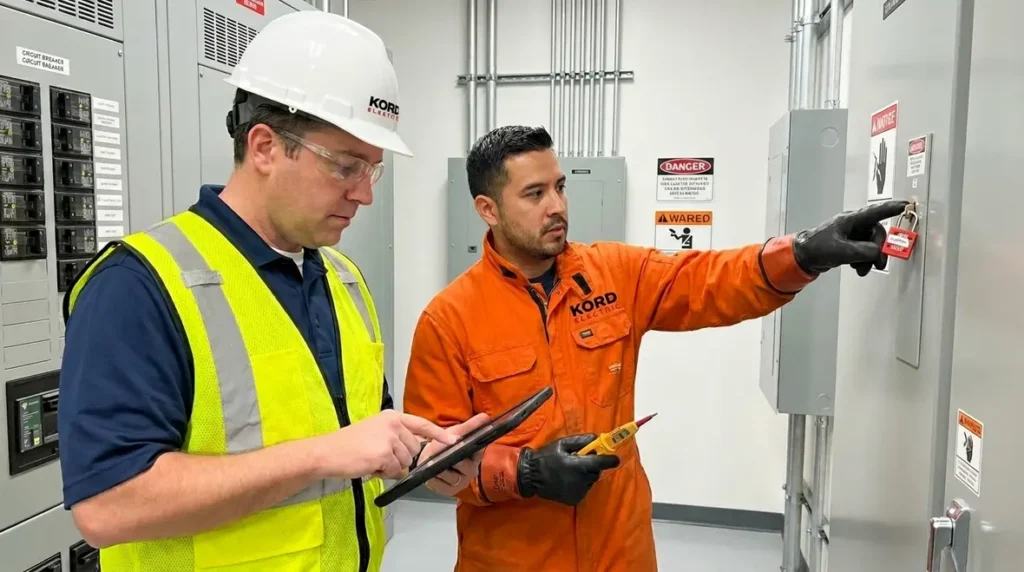
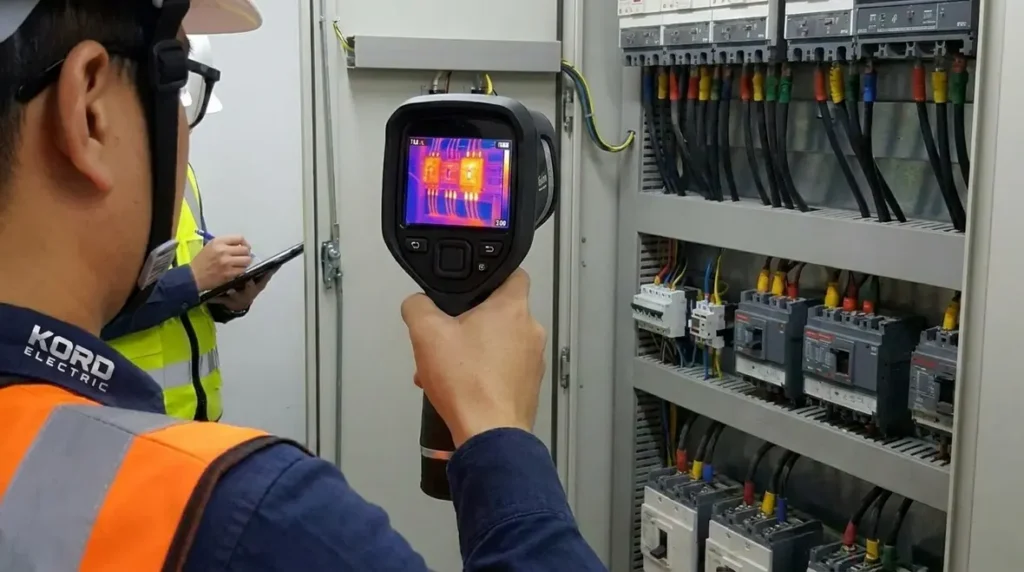
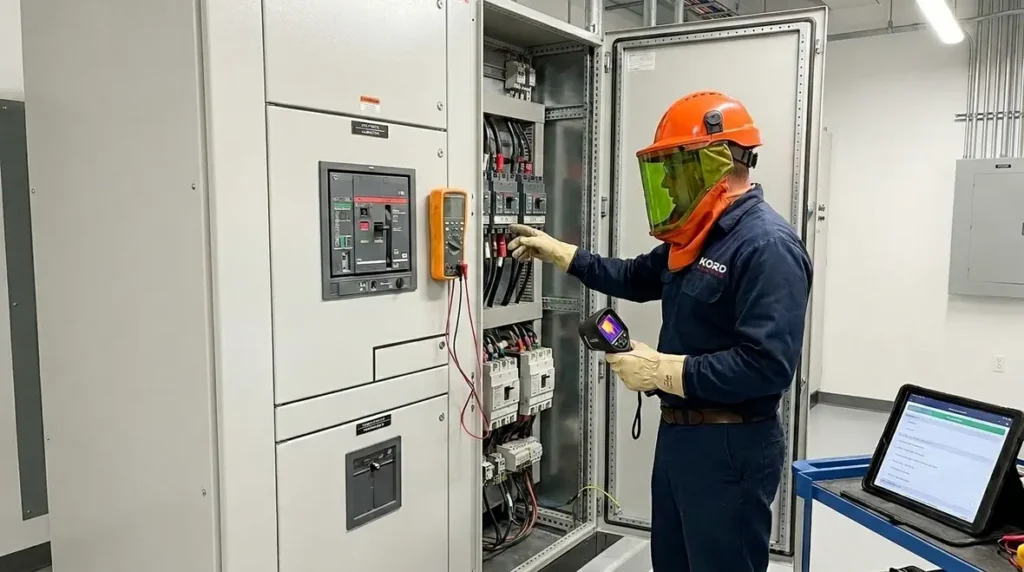
To keep things practical, we start with a clear load picture. For example, a retail center with short parking sessions needs a different plan than a warehouse with a mix of depot charging and occasional peak events. Next, we examine how power flows from utility to switchgear, then to panels and branch circuits. Finally, we confirm that the protection devices, conductor sizing, and grounding meet code and jobsite safety rules.
Our technicians and expert service staff explain each step in plain language. So instead of “trust us,” you get “here is why this conductor size and breaker setting matter.” We believe the best projects do not hide the details, they teach the details.
Commercial EV charging station electrical requirements: power, panels, and protection

California projects often require a strong approach to capacity and protection. Under commercial ev charging station electrical requirements, the design must include correct sizing of feeders and branch circuits, proper circuit breakers or fuses, and safe grounding and bonding. We also confirm that the electrical rooms and cable paths can handle the installation method and the environment.
To do this well, we look at several key items:
Service capacity and demand. We review available utility service and how the site’s existing loads behave, especially during peak hours.
Panel and switchgear headroom. We check whether existing panels have the space and rating to add chargers, or whether upgrades are needed.
Branch circuit design. We match conductor size and breaker ratings to the charger requirements and installation conditions.
Protection and disconnects. We ensure equipment includes proper overcurrent protection and that disconnects are accessible and code compliant.
Grounding and bonding. We keep the system safe and stable for people, equipment, and fault conditions.
Then, we connect the dots between electrical hardware and charger behavior. Many facilities discover that power management features matter, because they control how many chargers run at once. In other words, the charger is not just a device, it is part of the site’s load strategy. Think of it like a movie set: if you do not manage who shows up when, the whole production hits chaos, and nobody gets paid.

How we scale charging infrastructure without overspending
Scaling matters most for major properties and industrial campuses. A business rarely stops at a single phase. Instead, demand grows with new vehicles, new tenants, or fleet expansion. As a result, we plan for the next build step while we complete the first one.
Our team uses the same mindset described in our commercial EV charging planning guide on scaling infrastructure, where we focus on scaling infrastructure in a logical order rather than a random scramble. First, we identify where future chargers can connect without major demolition. Next, we allocate conduit routes and reserved capacity in panels or switchgear so later phases cost less. Then, we design for load management so you do not “buy power twice.”
Load management deserves extra attention. If the site supports fewer charging sessions at the same time, we can often avoid costly full capacity upgrades by coordinating charger output. Therefore, the electrical plan becomes smarter, not just larger. Our service staff walks through options in a calm, direct way, so decision makers understand what changes now and what changes later.

Site conditions and installation details that affect code compliance
Even when the electrical math looks right, site conditions can change the result. California commercial sites often include multiple buildings, shared parking lots, underground duct banks, and long cable runs. These realities affect voltage drop, raceway fill, labeling, and how we route conductors to chargers.
We also consider environmental factors. Outdoor installations need weather resistance, correct enclosure ratings, and proper protection from corrosion and physical damage. Indoors, we check clearances, ventilation, and cable routing so equipment stays serviceable and safe for future maintenance.
In addition, we pay attention to switching and metering needs. Some facilities want dedicated metering per charger, while others prefer shared measurement with smart power reporting. Either way, the wiring and electrical integration must match the plan.
Our technicians explain these details because they often sound minor, until they become the reason a permit review stalls. And let us be honest, nothing drains morale like waiting on a correction that could have been handled in the design stage.
Permits, utility coordination, and why timing matters
California projects frequently require utility coordination, electrical permits, and sometimes additional approvals based on site scope. Therefore, we align the electrical design with the permit pathway early. Then, we coordinate with the utility so service upgrades or transformer work do not appear at the last moment.
When we build in this order, we reduce delays. We confirm whether the utility requires a new service or additional equipment. We also confirm whether the site needs revisions to existing single line diagrams, load calculations, or equipment schedules. If the facility already has switchgear or a main panel from an older design, we review compatibility carefully.
Our expert service staff keeps communication steady. They share what to expect, what documents help, and how long lead items can take. Think of it like planning a business trip. If you book last minute, you pay more. If you plan early, you arrive ready.
Common mistakes we prevent on commercial and industrial installs
We see patterns across major properties and industrial facilities. Some mistakes come from rushing the electrical scope. Others come from treating chargers like plug in appliances instead of engineered electrical loads.
Here are the most common issues we help clients avoid:
Underestimating peak demand. A site that looks quiet can spike during loading hours, shift changes, or scheduled events.
Ignoring future expansion. Installing with no spare conduit, no reserved panel space, and no reserved switchgear capacity forces expensive rewiring later.
Overlooking power management. Without coordination, multiple chargers can exceed demand targets even if individual chargers appear sized correctly.
Using the wrong installation approach. Cable routing that does not match the environment can create heat and protection issues, which then triggers corrections.
Skipping coordination with utility and AHJ steps. If electrical plans and timing do not match the permit and utility process, the project slows.
To be clear, we do not just install hardware. We design the electrical pathway so chargers work well now and later. And we explain the “why” so your team can support operations without guessing.
FAQ for commercial EV charging electrical planning
Integrating EV charging with broader Los Angeles County electrical services
Commercial EV charging does not live in a vacuum. For many facilities, the same electrical backbone that supports chargers also supports production equipment, lighting, and critical building systems. As you plan your next project, it often helps to view charging as one part of a larger electrical roadmap that keeps your site reliable, code compliant, and ready for expansion.
That is why many California facilities connect their charging plans with broader regional support such as Los Angeles County electrical services for commercial and industrial sites. When the same team understands your panels, switchgear, maintenance routines, and EV charging goals, upgrades line up cleanly instead of colliding in the field.
If you manage a portfolio of properties, this integrated approach also helps standardize how electrical work is documented, permitted, and inspected. The result is a cleaner expansion path for future charging projects, panel changes, and energy upgrades across your facilities.
Ready to build EV charging that performs for years?
When your facility needs reliable charging, you need electrical planning that respects California site rules, real demand, and safe installation practices. Kord Electric builds EV charging systems for commercial and industrial facilities, and for major property buildings that must work every day, not just for the opening photo. Contact us to schedule a site evaluation, get a clear electrical plan, and move from guesswork to execution. We will walk you through the options, timeline, and scope so your project stays on track and your chargers stay ready.
As you move from concept sketches to real trenches, panels, and commissioned chargers, pairing your planning work with a dedicated service partner makes the process far easier to manage. Kord Electric’s team is ready to connect your EV charging goals with practical designs, sequenced construction, and long term support that fits how your facility actually runs.