Commercial Building Electrical Load Audit Guide
Why a Kord Electric Commercial Building Electrical Load Audit Starts Smart Decisions
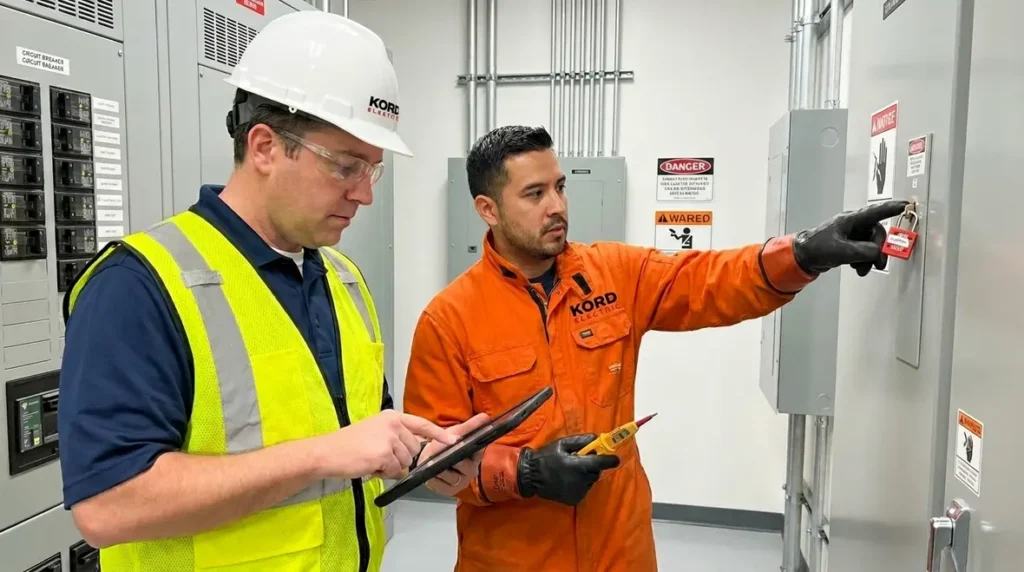
A well run commercial building electrical audit does more than “check the panel.” In the first 100 to 150 words, that matters because most facilities only discover electrical strain after something trips, heats up, or costs them a client. At Kord Electric, our commercial building electrical audit begins with real-world measurements and practical observations from our technicians and expert service staff. Then we translate the results into clear next steps the facility team can actually use.
And yes, we know electrical systems can feel like they were designed by someone who hates calendars. Loads change, tenants come and go, equipment upgrades stack up, and the building keeps moving on like nothing happened. However, the power does not forget. Sooner or later, the load tells on itself, and we help you catch that story early.
What electrical load audits reveal in real commercial settings

In most commercial and industrial facilities, electrical demand does not stay still. Equipment cycles, HVAC behavior changes by season, production lines ramp up, and lighting strategies shift. As a result, the electrical system experiences different stress at different times. Our team treats the commercial building electrical audit as a structured look at that stress over time.
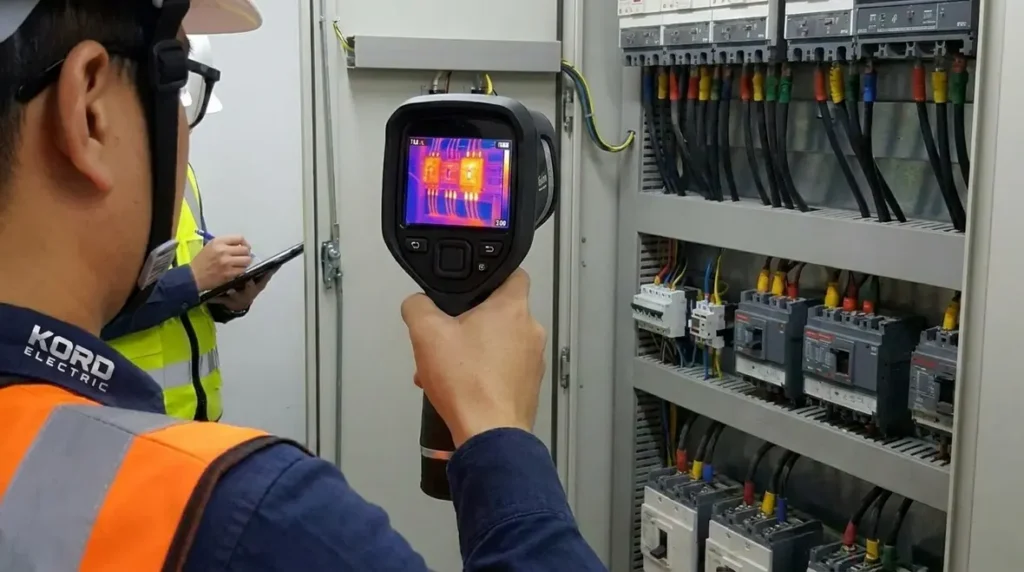
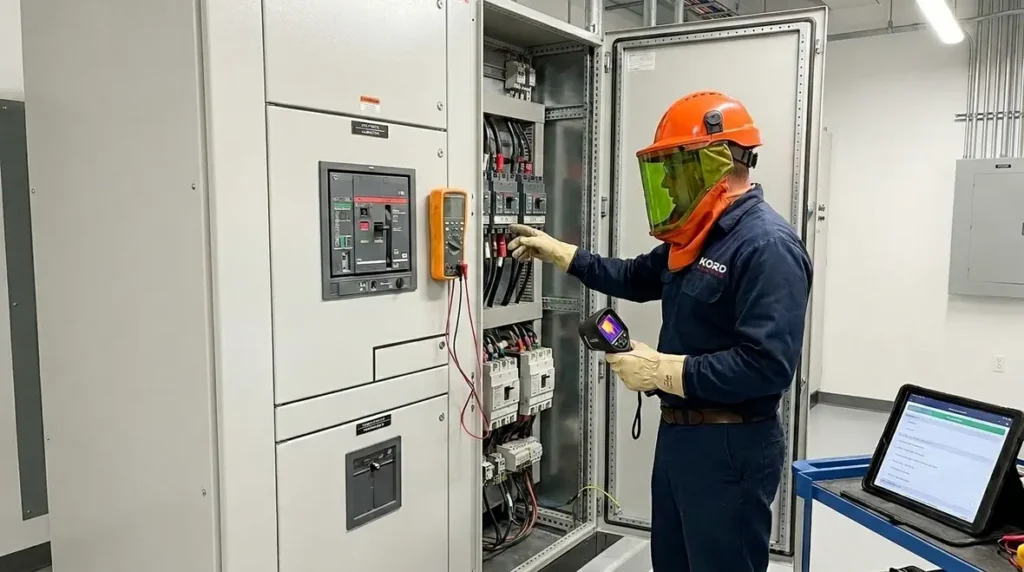
During an audit, our technicians typically track load balance, harmonic impact, voltage drop, and thermal hotspots that can build quietly. We also review existing single line diagrams, breaker sizing logic, feeder capacity, and how the building operates during peak hours. In other words, we do not guess. We verify.
Then, we connect the dots. A transformer may run within a comfortable range during one shift, yet heat up during another. A panel may appear “fine” at a glance, but the distribution across phases might be uneven. Even a small imbalance can create bigger losses over the long run.
And if someone says, “We never had an issue,” our service staff responds calmly, “That is adorable.” The building is still paying the bill, just not loudly.

Why periodic electrical load checks protect capacity and reduce surprises
Periodic electrical load audits matter because electrical capacity acts like a budget. You can spend it slowly for a while, and everything looks steady, until one day your costs spike. With commercial and industrial properties, that spike often arrives when a tenant adds new equipment, a contractor installs upgrades, or a production schedule changes.
When Kord Electric performs load audit work on a schedule, our clients gain early signals. We identify where current demand gets close to design limits and where equipment may be drifting out of specification due to age, corrosion, or maintenance gaps. Next, we recommend adjustments that match the building’s actual use, not some old assumption.
That means fewer shutdown events and fewer “emergency only” repairs. It also means you keep capacity for the next project instead of borrowing it from the future. In business terms, you protect uptime. In engineering terms, you reduce the chance of overheating, nuisance trips, and premature equipment aging.
Finally, we give your facility team a roadmap. Our expert service staff explains findings in plain language, so owners and managers can plan confidently with operations and finance in the same room.

Meeting code and insurance requirements without guessing
Commercial and industrial buildings operate under strict expectations. Electrical systems must meet code requirements, and many owners also manage insurance risk based on documented inspection and maintenance practices. A periodic electrical load audit supports those goals by providing measurable evidence of system condition and performance.
Instead of relying on “it seems okay,” we provide data that shows how the system actually behaves during real loads. Our technicians review protective device coordination, check for signs of deterioration, and look for conditions that commonly trigger compliance problems. Then we outline which items need attention now, which items can be scheduled later, and which items simply need better documentation.
Also, we help facility teams avoid the trap of treating compliance as a yearly scramble. With steady audit cycles, you close gaps before they become expensive. You also avoid the common scenario where a building receives a surprise note from a third party after problems already exist.
And just to keep it light, if code enforcement felt like a math test, we are the ones showing your work so you do not lose points for “mysterious black box failures.”
How load audits cut operating costs and improve power quality
Electrical inefficiency costs money in quiet ways. Voltage drop wastes energy. Imbalanced loading increases heat. Harmonics can overwork components and add stress to conductors, transformers, and motors. A strong commercial building electrical audit targets these cost leaks with practical measurements and system review.
For example, we examine how feeders behave under load and whether panel busbars show early signs of overheating. We also evaluate power factor trends, harmonic distortion, and how these factors affect equipment losses. Then we compare what the building uses today to what the electrical system can safely support.
Next, we recommend improvements based on impact and feasibility. That might include load balancing strategies, adjustments to protective settings, equipment upgrades, or better sequencing for large motors and HVAC equipment. Sometimes, the best solution is not a full replacement. Sometimes it is better distribution, better control, or the right capacity where the building actually needs it.
Our technicians and expert service staff explain each recommendation with a focus on outcomes: lower energy waste, steadier operation, and fewer “mystery failures” that steal staff time. We treat your electrical system like a living toolset, because it is.
What to expect when Kord Electric audits your facility
When Kord Electric comes onsite for load audit work, our process stays organized and business friendly. We start by reviewing available drawings, past maintenance records, and the building’s operating schedule. Then we plan measurement points so our technicians can observe the system the way it truly performs during normal operation.
During the audit, we collect load profiles across typical peak and off peak periods. We also inspect key distribution equipment, evaluate connections, and look for patterns that correlate with recurring issues. As we work, our expert service staff communicates what we are seeing, so facility leadership does not feel like they are waiting for a report written in secret code.
After measurements, we analyze results and build a prioritized set of recommendations. We separate urgent safety risks from operational efficiency opportunities. Then we include explanations that match the audience, whether that audience is engineering leadership, property management, or operations supervisors.
And yes, we do use jokes sometimes, because stress management matters. But our humor stays in the room, not in the wiring. Your building deserves serious work done carefully.
Making the audit actionable for property teams and operations
Many audits die in a PDF folder. That is not how we operate. Kord Electric helps commercial and industrial facility teams convert audit results into decisions that align with budgets, tenant needs, and maintenance schedules.
First, we map findings to likely causes and expected effects. Then we suggest next steps with practical timing. For example, we may recommend short term actions to reduce risk before peak season, followed by longer term improvements aligned with planned upgrades.
Next, we help teams understand how electrical load audits connect to real operations. If a building has variable production, we account for that in the recommendations. If the facility has multiple tenants, we consider how additions and expansions affect distribution and capacity planning.
Finally, our expert service staff supports communication between stakeholders. Owners want cost control. Operations wants fewer shutdowns. Maintenance wants clarity. We help bridge those needs so the facility team can move from “we should” to “we did.”
If your recent projects include lighting changes, equipment additions, or outdoor upgrades, coordinating load studies with services like electrical preventive maintenance and hidden electrical risk inspections keeps the whole picture aligned and easier to manage over time.
FAQ
Call Kord Electric for load audit guidance before the next peak
When electrical demand changes, risk changes with it. Kord Electric helps commercial and industrial facilities protect capacity, control costs, and plan repairs before failures force them to react. If you are planning tenant build outs, equipment upgrades, or seasonal operating peaks, now is the smart time to schedule an electrical load audit. Our technicians and expert service staff will walk your team through findings and next steps in clear terms.
For sites planning larger improvements, pairing your load study with focused services such as electrical preventive maintenance programs or commercial lighting installation services can turn a single audit into a broader, phased plan that supports both uptime and long-term modernization.
Contact Kord Electric today to set an audit date, coordinate any needed upgrades, and keep power dependable across your entire facility.