Industrial Electrical System Troubleshooting Guide
When an industrial electrical system starts acting up, the failure is rarely “random.” It usually tells a story, and our job at Kord Electric is to read it fast and accurately. In the first moments, we focus on industrial electrical system troubleshooting: we check load balance, verify incoming voltage, confirm protective device operation, and inspect for heat damage where it shows up first. Then we track the path from the utility feed to the panels, to the motors, and finally to the controls that quietly run the place when nobody is watching. And yes, we have seen failures that look like ghosts at midnight, but they always leave evidence during a proper diagnostic procedure.
1) How we spot failure patterns before they turn into shutdowns
In commercial and industrial facilities, small electrical problems grow quickly. Therefore, our technicians and expert service staff begin with a structured look at symptoms, timing, and repeat events. For example, when a motor trips right after a shift change, we do not just reset the breaker and hope. We note the sequence, check starting current, and confirm that set points and contactor condition match the load profile.
Meanwhile, we also treat “trends” as real data. Over time, infrared scans can reveal hot spots on bus bars, lugs, and terminations. Then we cross check those findings with torque marks, corrosion, and signs of moisture intrusion. If someone tries to “band-aid” a loose connection with a tighter screw, the metal may still be damaged underneath. So, we document what we see and then we test what we suspect.
And for the record, breakers do not fail for no reason. Even when they act like they are channeling a bad sitcom plot, protective devices respond to heat, fault current, and time current curves. Our job is to make that response make sense.
2) Common industrial electrical system failures we see in the field
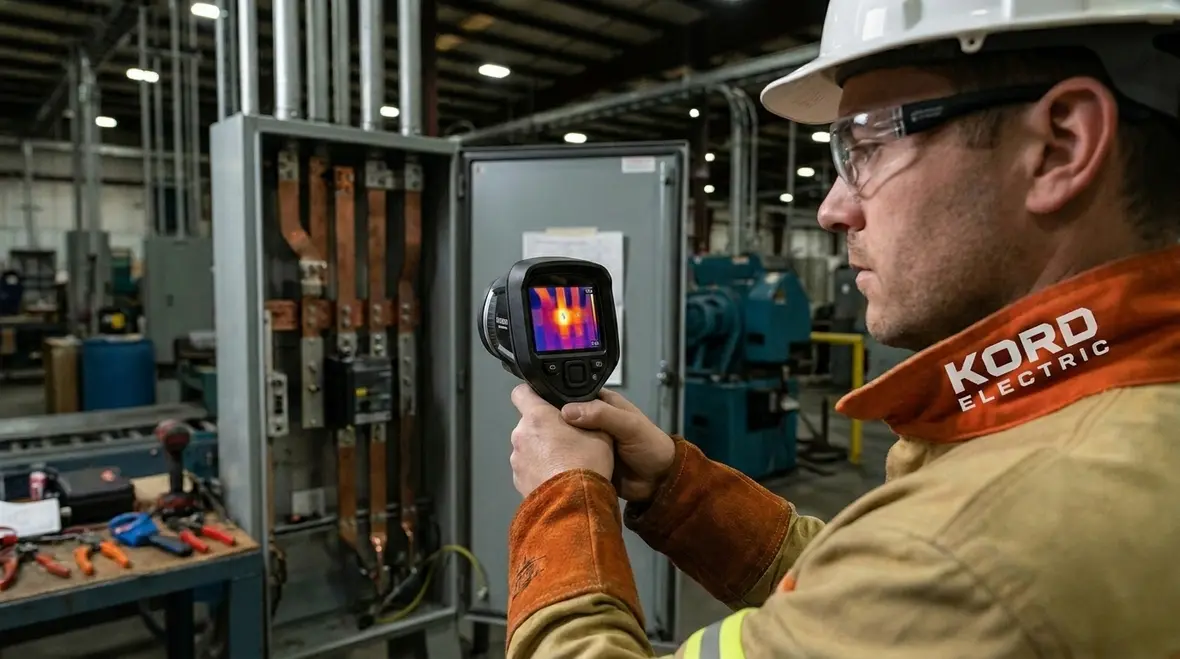
Our teams work across manufacturing plants, warehouses, office towers, and major property buildings. In these environments, the most frequent failures usually fall into a few clear categories.
- Loose or corroded connections that create heat at terminals and eventually lead to voltage drop or open circuits.
- Insulation breakdown in feeders, motor leads, or control wiring caused by age, vibration, heat, or moisture.
- Contactor and relay wear including pitted contacts that cause intermittent operation, sticking, or nuisance trips.
- Ground faults that show up as tripping, control instability, or nuisance protection events.
- Harmonics and power quality issues that stress transformers, neutral conductors, and sensitive drives.
- Control system faults such as miswired inputs, failing sensors, and logic issues in panels.
However, the same outward symptom can come from different root causes. A motor that stalls might be mechanical, but it might also be a voltage sag, a failing contactor, or a drive parameter mismatch. That is why our technicians do not chase only the last observed problem. Instead, they follow the electrical path and validate each step with tests that make the diagnosis precise.
3) Industrial electrical system troubleshooting steps our teams follow

When a failure happens, speed matters. Still, speed without method can cost a facility far more than a careful plan. Therefore, Kord Electric uses a repeatable diagnostic approach that keeps everyone safer and cuts the time to truth.
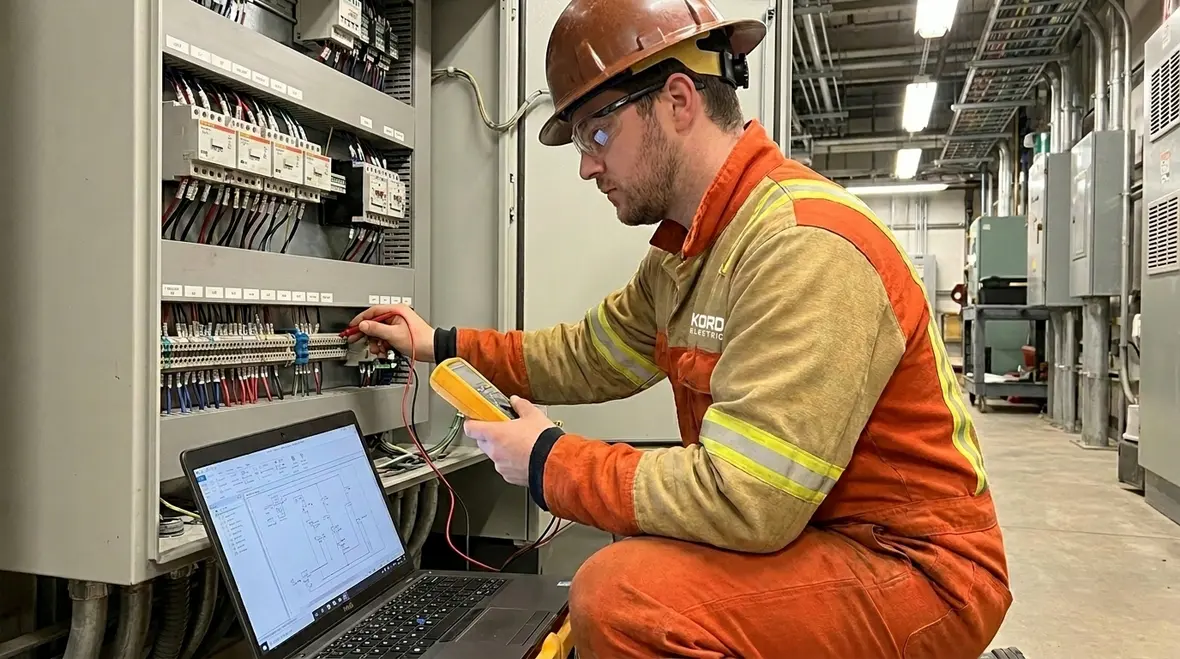
First, we confirm the safety conditions and verify that the equipment can be tested without creating new hazards. Next, we gather the facts: alarms, event logs, fault codes, and the timeline of when the issue started. Then we begin electrical measurements in a sensible order.
- Verify supply voltage at the main and at distribution points to spot sag, imbalance, or missing phases.
- Measure current and check load balance across phases to uncover abnormal draw or motor imbalance.
- Inspect protective devices for signs of overheating and confirm settings against the equipment nameplate.
- Test insulation resistance on feeders and motor circuits to find hidden degradation.
- Evaluate grounding and bonding to reduce ground fault risk and stabilize protective behavior.
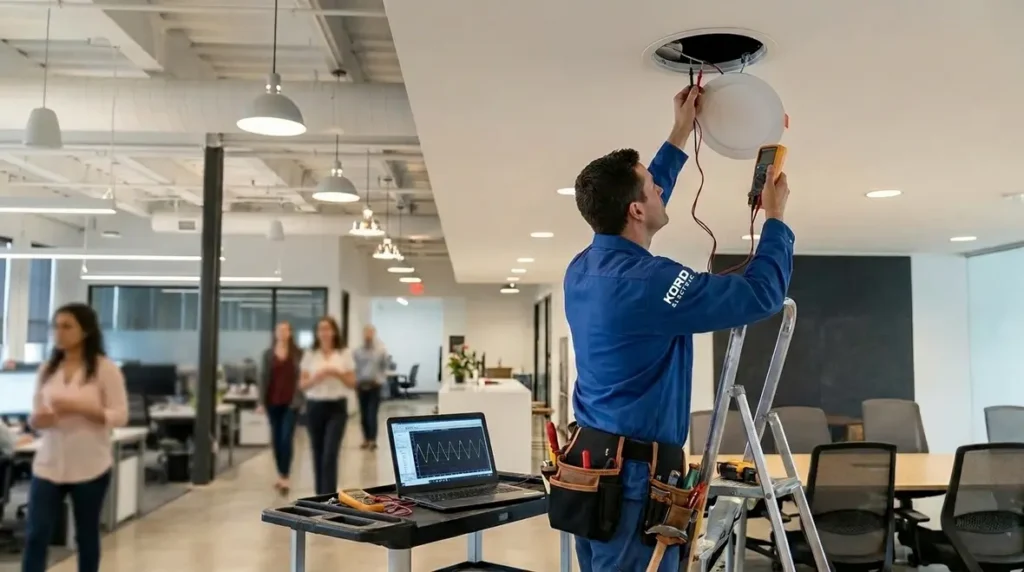
- Check power quality where needed, including harmonics and waveform distortion impacts on drives.
As we move through these steps, our expert service staff explains the “why” in plain terms. For instance, when we show a facility manager that a loose lug is heating, we also connect it to voltage drop, contactor coil behavior, and eventual protection trips. In other words, we do not just report numbers. We translate them into operational risk.
And yes, it can feel like we are doing detective work. But the difference is, unlike some mystery TV shows, we do not guess. We test.
4) Diagnostic procedures for panels, motors, and drives that actually reduce downtime
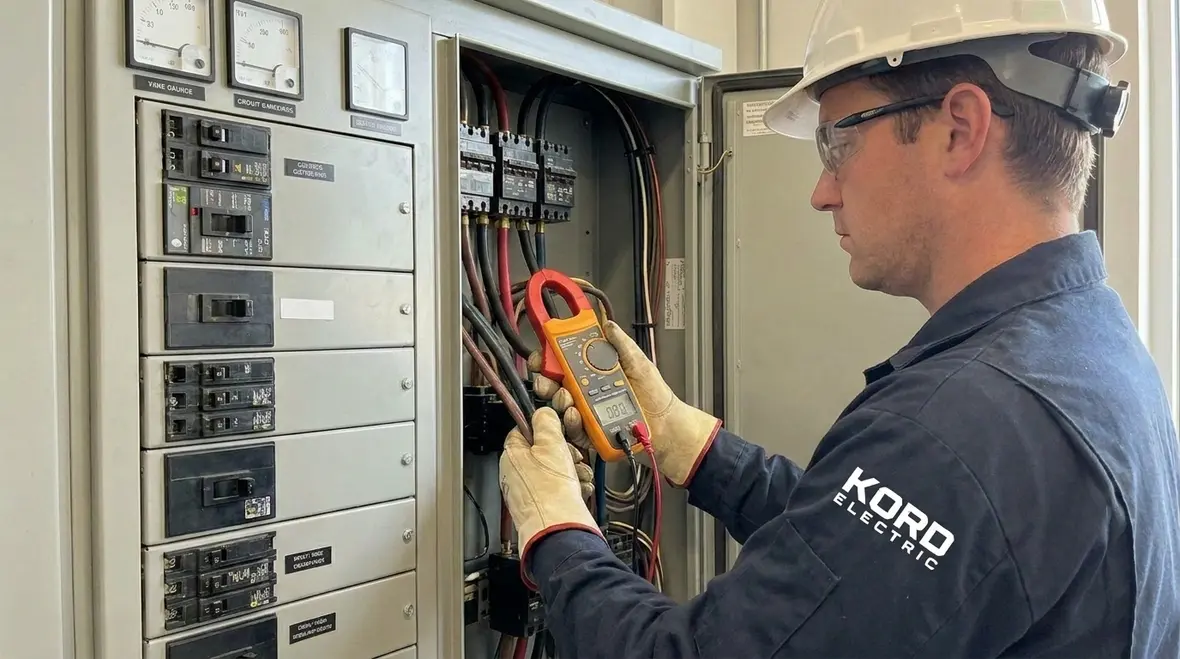
PVC pipes and duct tape fix leaks in cartoons. Real electrical work takes precision. So, when we troubleshoot panels, motors, and variable frequency drives, we keep the procedure grounded in what each component does under stress.
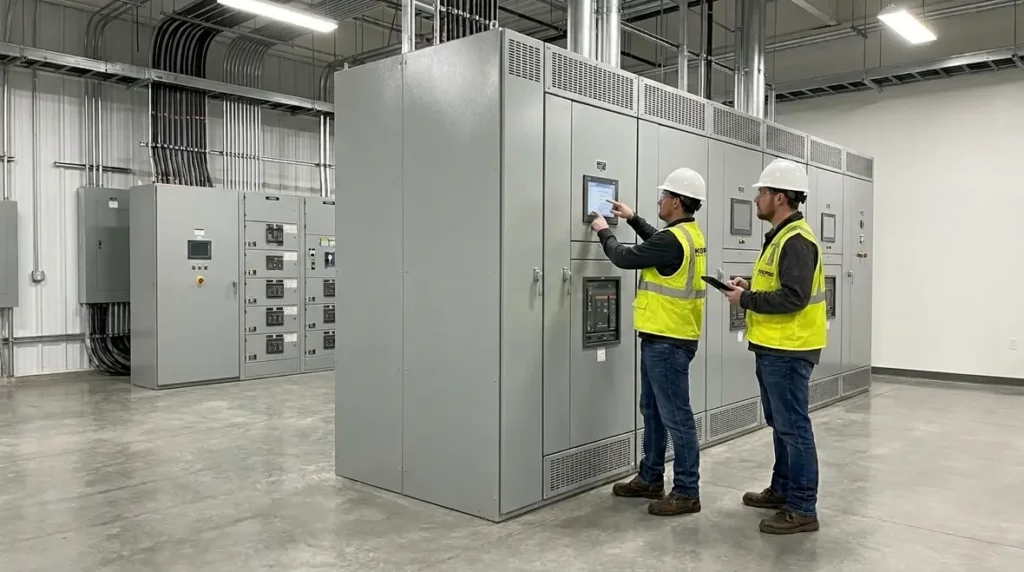
Panels often hide the real problem at connections, bus bars, and neutral paths. We check torque condition, inspect for discoloration, and verify phase conductors. Then we confirm the protective device response matches the fault type. If a breaker trips too quickly or not fast enough, we test the logic and coordination, because coordination issues can turn a manageable event into a full outage.
Motors require a careful balance of electrical and practical inspection. We check winding resistance trends, look for signs of overheating, and test insulation integrity. Then we confirm that starting methods align with the load. If soft starters or drives run the motor, we review parameters because a wrong ramp time or protection setting can cause repeated stress and premature failure.
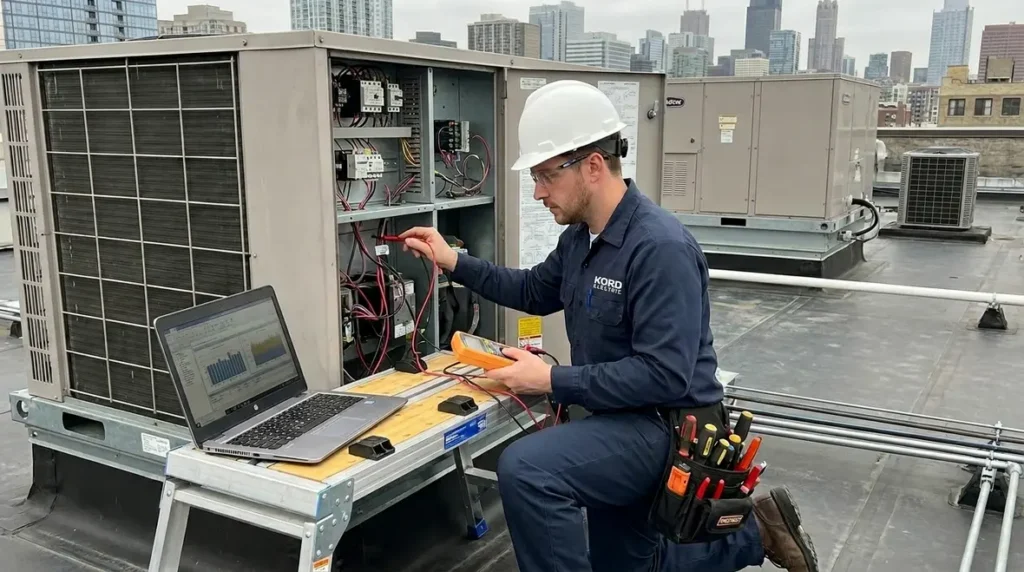
Drives can fail quietly, or they can fail loudly with alarms. Either way, we verify inputs, control wiring, and output behavior. Additionally, we test for earth leakage behavior where applicable, because the drive can reveal system issues long before they show in simple meter readings.
Just as important, we explain what we find in business casual language. For example, when we recommend an upgrade or correction, we connect it to the facility’s operating profile, not a generic checklist. That approach keeps decisions practical.
5) Preventive maintenance that prevents repeats, not just “routine” checks
If a facility only reacts after a failure, it stays stuck in the same cycle. However, a well built maintenance plan changes the outcome. In fact, our process aligns with the ideas we outline in our commercial and industrial electrical maintenance plans, where we focus on inspections, testing, and corrective actions that match the risk level of the site.
In practice, this means we prioritize the highest consequence parts first, such as switchgear, feeders, bus systems, motor control centers, and critical drives. We do not treat every site the same. Instead, we adjust the schedule based on operating hours, load type, past fault history, and the conditions that accelerate wear like heat, vibration, and moisture.
What we inspect regularly
- Connections, terminations, and bus bars for heat and corrosion
- Breaker and protective device condition with functional checks
- Control cabinet components for loose wiring and failed relays
- Motor circuit health signals such as insulation resistance trends
What we plan for corrective action
- Torque corrections and rework where heat damage appears
- Cleaning and moisture mitigation on vulnerable enclosures
- Replacement of contactors, relays, and worn components
- Parameter review for drives and starter coordination
As a result, maintenance becomes more than a calendar event. It becomes a controlled system that reduces repeat failures. And when a new issue shows up, our industrial electrical system troubleshooting process becomes faster because the facility history already tells us what to expect and where to look first.
6) Why power quality and load changes trigger hard to explain faults
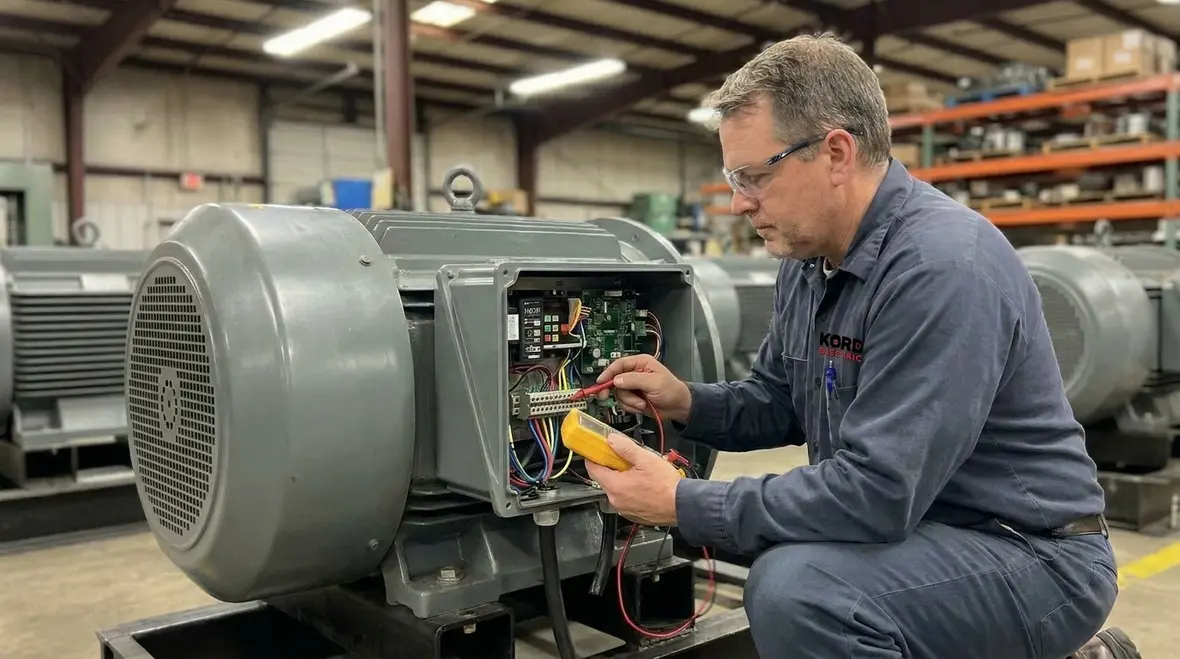
Many facilities upgrade equipment without thinking about the electrical impact. Then they notice “mysterious” behavior: flicker, nuisance trips, repeated drive errors, or controller resets. Meanwhile, the facility believes the fault must be random. Yet power quality issues often trace back to harmonics, voltage imbalance, or a neutral conductor carrying more than it should.
Therefore, our team checks the basics and goes deeper when the symptoms point that way. We verify voltage balance under real load, then we test for harmonic distortion and waveform quality where drives, UPS systems, and large motor loads exist. Then we connect the dots between electrical behavior and operational changes, like adding a production line or swapping lighting systems.
Here is the playful part, though we keep it professional: electricity does not care that an upgrade was “supposed to work.” It cares about heat, current, and the way the wave behaves. If the wave is stressed, components will eventually complain loudly. We help you catch that complaint early.
7) FAQ: Industrial electrical failures and quick answers
Conclusion
At Kord Electric, we serve commercial and industrial facilities and major property buildings, and we treat electrical failures like preventable events, not surprises. If your panels, motors, or drives keep acting up, our technicians and expert service staff will explain what is happening and why, then we will fix it with a diagnostic procedure that reduces repeat downtime. From power quality issues to industrial electrical system troubleshooting during emergencies, our goal is to keep your operation stable, safe, and predictable.
If you want to get ahead of failures, consider pairing this troubleshooting approach with a structured electrical preventive maintenance program so your system gets regular inspections, testing, and documented follow up instead of last minute repairs.
And when you are ready to review a problem area or build a long term plan, our commercial and industrial specialists are ready to help you stabilize your electrical infrastructure and protect production time.