Commercial Circuit Breaker Keeps Tripping Causes
When a commercial circuit breaker keeps tripping, the building stops acting like a building and starts acting like it is “taking a nap.” Lights dim, HVAC cycles oddly, and tenants start calling maintenance with the same urgency they reserve for movie villains. At Kord Electric, we often hear the same story: the breaker trips again, the reset works for a moment, and then the problem returns like a sequel nobody asked for. However, the good news is this: most causes are knowable, testable, and fixable. And importantly, our technicians and expert service staff explain what they find in plain language, so our clients do not have to guess.
Common causes of a breaker that trips again and again
In commercial and industrial spaces, breakers trip for a reason. They protect conductors, keep equipment safe, and limit damage when something goes wrong. Therefore, the first step is not simply resetting and moving on. Instead, we start by treating the symptom like a clue.
Over the years, our expert team sees a few usual culprits. First, overloads occur when equipment pulls more current than the circuit can handle. This can happen when a tenant adds load, when motors age, or when controls fail. Next, short circuits or ground faults can cause faster, harder tripping. Even small insulation problems can create enough leakage current to trip sensitive protection.
Then there are issues inside the panel itself. Loose connections create heat. Heat creates resistance. Resistance creates more heat. And eventually, the breaker trips to stop the damage. Finally, wrong settings can play a role. If protection settings do not match the actual system load or coordination plan, nuisance trips become predictable.
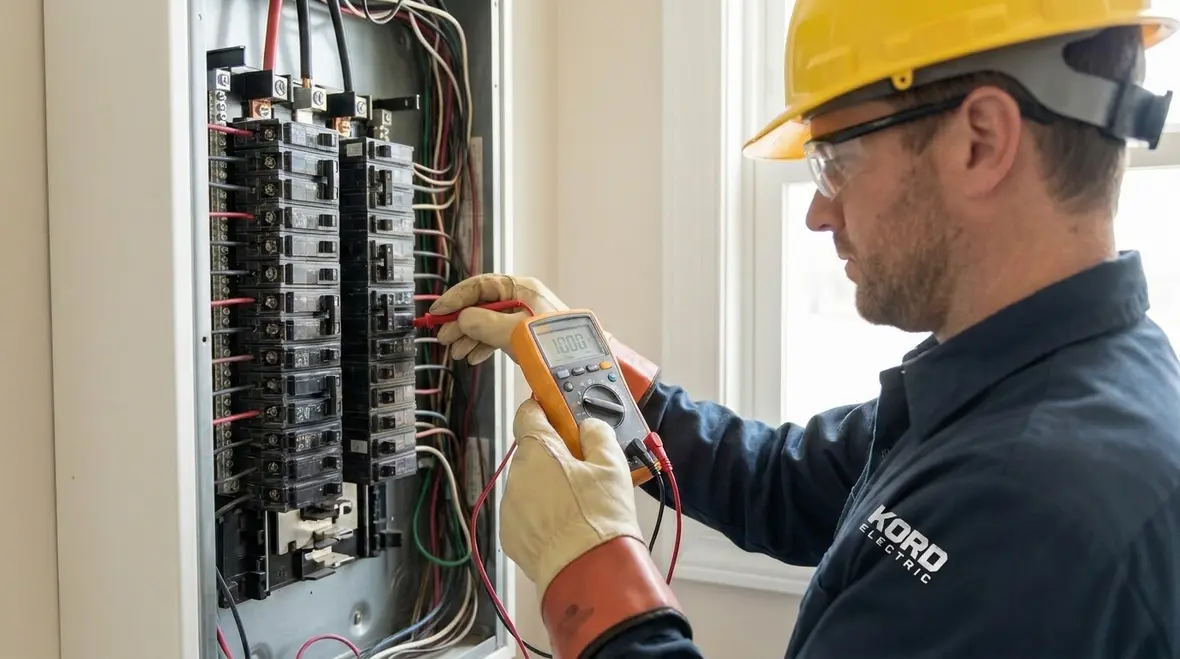
Overload and harmonics: why modern equipment pushes limits
Commercial sites do not run like they used to. Today, many buildings use variable speed drives, high efficiency lighting, server rooms, and motor systems with sophisticated controls. So, even if the load looks “normal” on paper, the power quality may tell a different story.
Overload trips can come from real increases in demand, like new production lines, more kitchens, extra compressors, or extended operating hours. Yet we also see “soft overloads,” where loads creep up over time. A refrigeration compressor might not fail, but it runs hotter, draws more current, and pushes the breaker closer to its trip curve.
Harmonics add another layer. When non linear loads create distorted current waveforms, the effective heating in cables and transformers can rise. Meanwhile, some breakers respond differently depending on their thermal and magnetic trip behavior. As a result, a panel may trip even if the average current seems acceptable.
To address this, we do not rely on guesswork. Our technicians review site load profiles, check nameplate ratings, and compare them to circuit breaker sizing and expected duty. Then we test with proper tools to see what the power is doing during real operation, not during a quiet moment when everything looks fine.
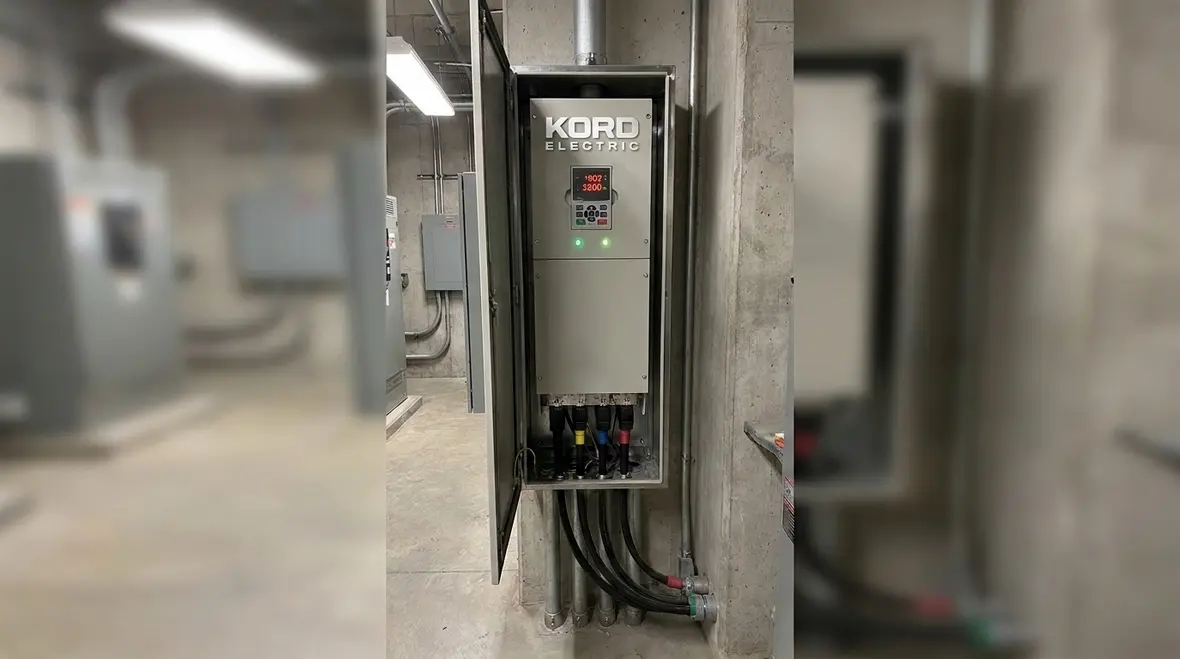
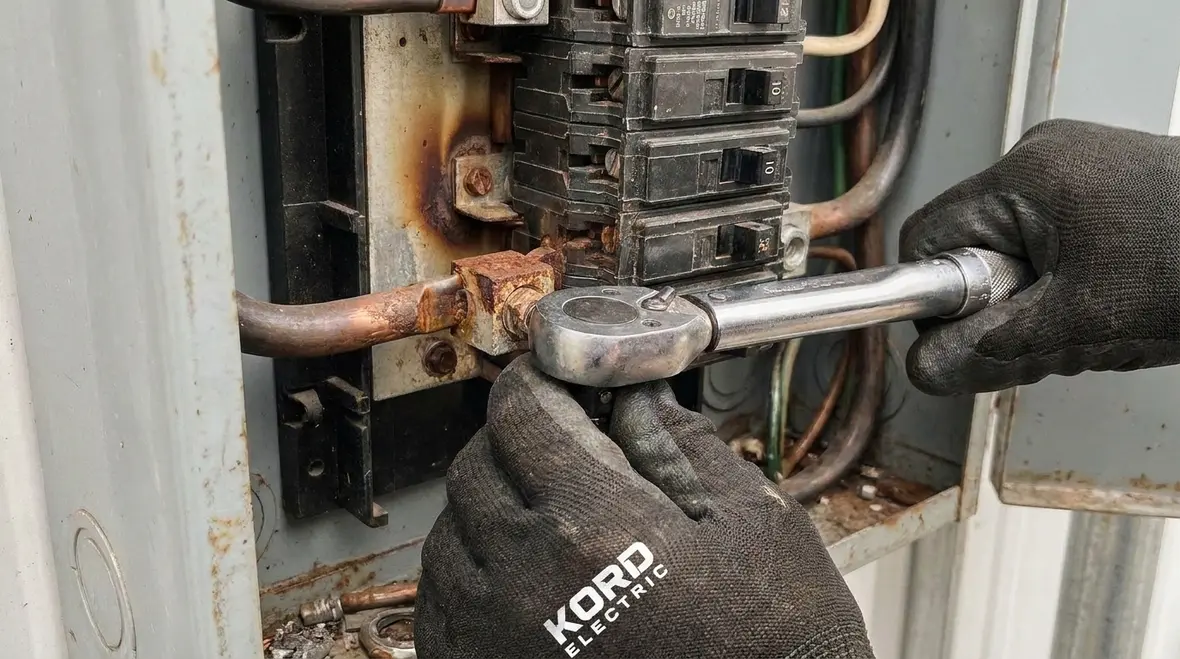
Loose wiring, corroded terminations, and heat that forces shutdown
Some failures announce themselves, and others hide until the building works hard. Loose wiring is one of the quiet troublemakers. Over time, vibration, thermal cycling, and installation drift can loosen terminals. At first, the panel may look fine. However, when current flows, a loose connection heats up. That heat degrades insulation, increases resistance, and can lead to arcing faults.
Now here is the frustrating part for facility managers. The breaker trips, the circuit cools, and the system returns to life. Then the cycle repeats. It is like a coworker who keeps borrowing your stapler and returning it with the same broken problem, week after week.
Corrosion matters too, especially in older commercial and industrial installations where moisture or humidity has found its way into enclosures. Corrosion raises resistance, and resistance raises temperature. Additionally, dust and contamination can contribute to poor contact if the panel is not maintained.
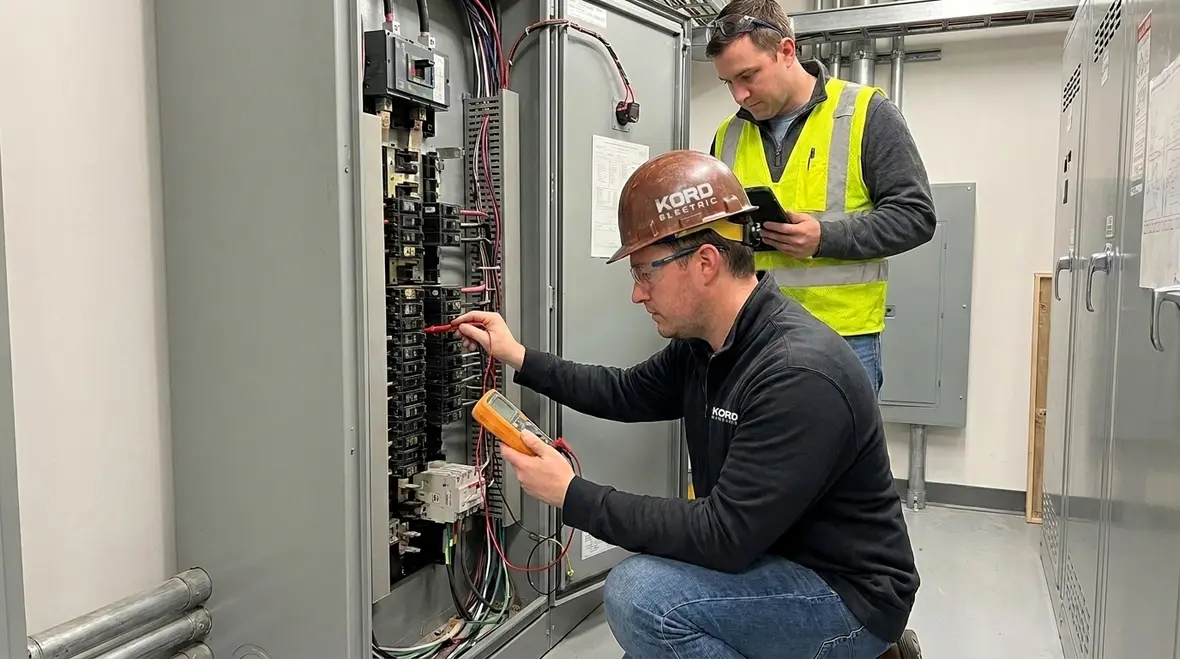
Our approach focuses on verification. Our expert service staff inspect torque values, look for discoloration, check for signs of heat, and use electrical testing to confirm whether resistance and insulation issues exist. When we fix the connection and restore proper contact, the breaker does not just “stop tripping.” It stays stable under load.
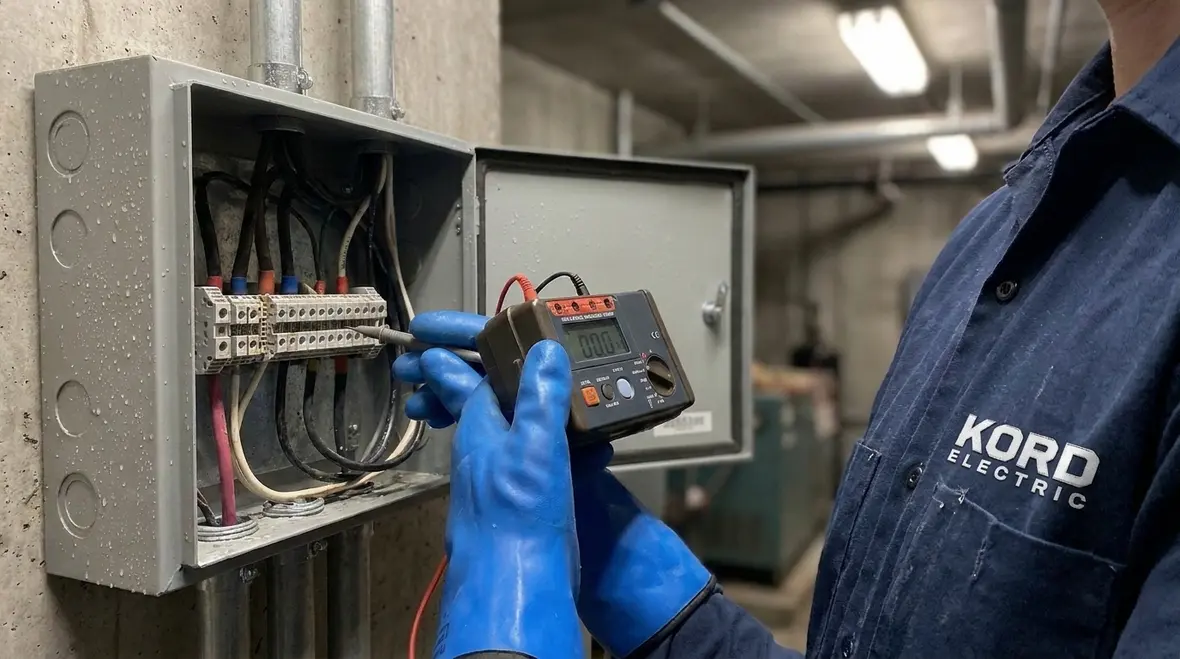
Ground faults, insulation breakdown, and moisture in the system
A commercial circuit breaker keeps tripping can also signal a ground fault or insulation breakdown. Ground faults may be subtle, especially when leakage current increases with heat, humidity, or mechanical stress. Therefore, a site with wet processes, washdown areas, or condensation cycles may see problems that track weather patterns or seasonal changes.
Insulation does not fail all at once. Instead, it degrades, often from age, chemical exposure, or thermal stress. When insulation weakens, current finds an easier path. That path can trip protection even if no major short circuit is visible.
In many buildings, the cause sits closer than people think. We frequently find damaged cable jackets, worn conductor insulation in flexible conduits, or issues near motor leads and terminations. And because the breaker trips when current balances shift, the pattern can appear random to the untrained eye.
To avoid misdiagnosis, we test and isolate. Our technicians check insulation condition, verify grounding paths, and examine circuits feeding motors, pumps, and other equipment that often experiences harsh operating conditions. Then we recommend fixes that match the facility’s actual risk profile, not a generic guess.
When breaker settings and coordination do not match reality
Even the best hardware can cause nuisance trips if settings do not align with the system design. In commercial and industrial buildings, protection coordination matters. It ensures that the right device clears the fault, at the right time, for the right reason. If coordination breaks down, a main breaker or feeder breaker may trip even when a downstream device should handle the issue.
We also see mismatches when equipment gets upgraded. A panel may be designed for older loads, and later, someone adds new equipment, changes operating schedules, or swaps out motors and drives. Then the breaker curve and protection plan no longer reflect the new electrical reality.
Sometimes the issue is simpler. Someone sets a trip unit to a value that feels “safe,” but it leaves no margin for normal starting currents. Motor starting can briefly draw higher current. If the trip settings do not allow for that, nuisance trips happen during regular operations, not during faults.
Our expert service staff review the breaker type, trip curves, and coordination with upstream and downstream devices. After that, we adjust settings only when it is appropriate and compliant with the design requirements for the site. In other words, we do not chase the symptom. We fix the underlying mismatch.
If these coordination issues keep recurring, it can be helpful to pair troubleshooting with a broader look at your distribution and protection strategy. For example, Kord Electric’s circuit breaker tripping fixes for commercial buildings article walks through related scenarios where protection design, aging equipment, and real operating conditions intersect.
Test-first troubleshooting for fast, reliable results
Here is where we slow down. We do not treat tripping like a guessing game. Instead, we test first, verify, and then repair. Our technicians start by documenting when the breaker trips, what loads were running, and how long it stayed reset. Then we inspect the panel and the circuits feeding it.
Next, we evaluate the electrical data. We look at current levels, check for imbalance, and confirm whether the tripping aligns with overload, ground fault behavior, or another failure mode. If possible, we verify with tools that capture waveforms and trends. That tells us what the system did just before the breaker opened.
After we narrow the cause, we repair with care. We tighten and correct terminations, replace damaged conductors or components, and address insulation risks. Then we test again under realistic operating conditions. That final step matters because a repair that looks good on a quiet day can fail when the building runs at full load.
As a result, facility teams get fixes that hold, and tenants get fewer “surprise outages.” Nobody wants the electrical system to act like a haunted house.
What our team recommends for prevention in commercial and industrial panels
Prevention costs less than repeat trips. And it protects equipment that supports revenue, operations, and safety. Therefore, our approach includes maintenance practices that fit real schedules and real site needs.
We recommend targeted inspections before problems become outages. We also advise load reviews whenever tenants change equipment or operating hours shift. In addition, we encourage checking torque values, monitoring thermal conditions when feasible, and verifying grounding and bonding integrity.
For sites with sensitive loads or complex motor systems, we suggest a power quality review. Harmonics and recurring nuisance tripping often show up only when measurements capture actual behavior during operation.
Finally, we urge facilities to keep documentation updated. That means breaker schedules, panel one lines, and equipment details that show what changed and when. With good records, troubleshooting becomes faster, and decisions become clearer. If you are building a broader reliability roadmap, you can also look at how Kord Electric’s Los Angeles County electrical services support panels, emergency power, lighting, and troubleshooting under one regional service umbrella.
FAQ
Final word from Kord Electric
If your commercial circuit breaker keeps tripping, we help you stop the cycle and protect your operations. Our technicians and expert service staff troubleshoot with a test-first method, then repair and verify under real load conditions. We focus on commercial and industrial facilities, major property buildings, and the systems that keep them running. Call Kord Electric today for a site assessment and a clear plan to restore stability, reduce downtime, and keep the lights behaving like they should.
For facilities that rely on steady uptime, pairing targeted breaker troubleshooting with broader electrical strategy can prevent future headaches. Kord Electric’s team can align panel maintenance, emergency power design, and electrical troubleshooting so your building behaves like a coordinated system instead of a set of isolated fixes. When you are ready to connect this kind of root cause approach with ongoing support, our regional service team is available to help you plan the next steps.
To extend that support beyond a single issue, many facility teams also schedule follow up services that include load reviews, coordination checks, and preventive testing. Exploring Kord Electric’s broader service offerings helps align today’s troubleshooting with tomorrow’s reliability, so the same breaker does not get to play the lead role in your next outage story.