
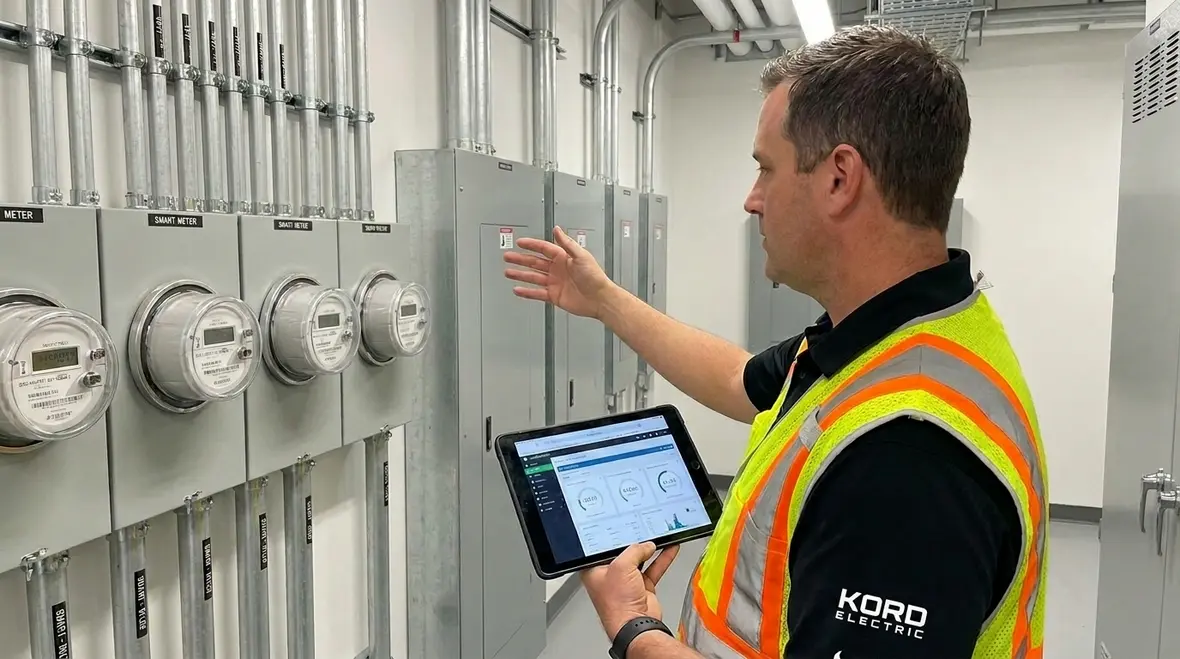
Commercial Electric Load Management to Cut Costs
Commercial electric load management that cuts waste fast
At Kord Electric, we focus on commercial electric load management to help building owners reduce costs without risking reliability. Others often chase the cheapest kWh and call it a day, but we build smarter habits into how power moves through a facility. We help teams coordinate loads, smooth peaks, and protect critical equipment so operations stay steady when demand spikes. And yes, we also help prevent the kind of “surprise” power bill that hits like a pop quiz you didn’t study for.
In this article, our technicians and expert service staff explain practical steps for optimizing commercial systems, especially for commercial and industrial facilities and major property buildings. Then we connect those steps to distribution design choices that support reliability, like the ones we discuss in our data center electrical distribution design guidance.
Start with the real load picture, not guesswork
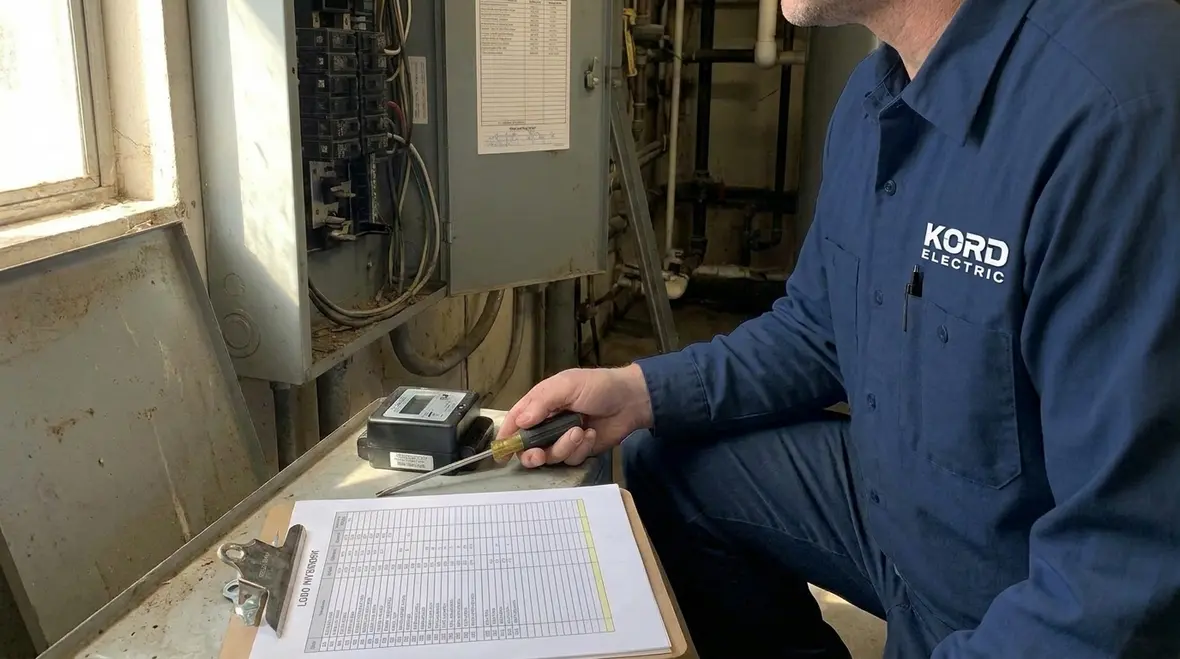
Every efficient plan begins with a clear view of how a building actually uses electricity. Then we move from assumptions to facts using interval data, submetering, and a load inventory that matches your equipment. In other words, we stop treating a facility like a black box and start treating it like an asset you can manage.
Our technicians typically guide clients through this process in three stages. First, we map major feeders and panels to the equipment they serve. Next, we identify what changes during the day, the week, and seasonal cycles. Finally, we confirm which loads are flexible and which loads must stay locked in.
Transitioning from basic billing data to operational load data is where savings often show up. If a facility peaks because of HVAC ramping, production schedules, or charging equipment, then the optimization plan needs to target those behaviors. If the peak comes from something less obvious, like intermittent large motors or intermittent reheat cycles, then we design a strategy around that too.
And if someone says, “We already know our load,” we politely ask, “Do you know it at 3:17 p.m. on a Thursday in July?” That question usually gets everyone’s attention.
Right-size distribution and coordination for efficiency
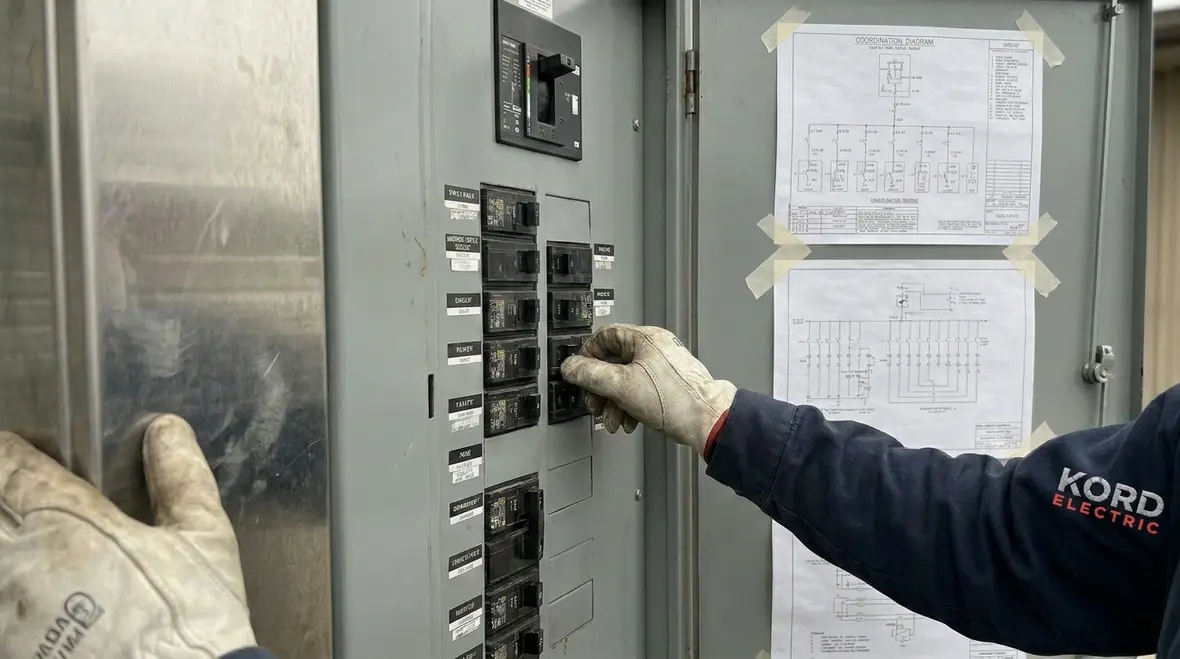
Efficient load management depends on the electrical distribution system doing its job without extra losses and avoidable constraints. Therefore, we pay close attention to design choices that influence reliability and performance. In our data center distribution design guidance, we emphasize the way redundancy, switching, and protection work together to maintain uptime. Those same principles matter in commercial and industrial environments, even when the facility is not a data center.
For example, if distribution equipment operates far from its optimal range, losses increase. Additionally, poor coordination can limit how flexibly you can shift load without tripping protection or triggering nuisance alarms. So we align load management goals with protective device settings, feeder capacity, and busbar ratings.
Our expert service staff often explains it this way: load management is not just about telling systems to “use less.” It is also about ensuring the power path can handle the way loads move over time. If the electrical system stays stable and well coordinated, then the facility can take advantage of demand response, scheduled load shifting, and controlled ramping.
We also help teams avoid a common trap: upgrading one piece of gear while leaving upstream limitations untouched. Then the building ends up with a fancy new asset that still can’t run when demand hits. That is not a win. It is a bill with better branding.

Use load shifting, shedding, and scheduling with care
Once we understand your load behavior and distribution constraints, we implement strategies that reduce peak demand and stabilize power use. However, we do not treat these tools like one-size-fits-all controls. We tailor them to the criticality of loads, your operating rules, and your comfort or production requirements.
Three approaches usually deliver results:
Load scheduling: We schedule flexible equipment to run during off peak or lower demand windows. Examples include certain HVAC sequences, laundry cycles, pumping schedules, and non critical process steps.
Demand limiting: We cap total facility load by controlling starts and ramp rates. This helps prevent sudden spikes that trigger utility charges.
Selective load shedding: We reduce or pause low priority loads when demand crosses a set threshold. Crucially, we design shedding logic so critical systems stay online.
Next, we add a safety layer by using sequence logic and alarm review. As a result, operators gain visibility into what the controls do and when. Our technicians walk the facility team through the logic in plain language so controls do not become a mystery box. And if someone thinks the controls should be “set and forget,” we remind them that electricity changes behavior with seasons, maintenance, and production shifts.
We also align the strategy with utility program rules, such as demand response events. Transition words matter here: when an event arrives, then the building should respond in a predictable way. Afterward, we verify the recovery pattern so comfort and production remain steady.
Control power quality and motor load to avoid hidden losses
Peak demand is only one piece of the puzzle. In commercial and industrial facilities, power quality and motor load behavior can quietly inflate operating costs. Therefore, we evaluate harmonics, voltage drops, and starting currents, especially in systems with variable frequency drives, large motors, or mixed equipment loads.
Here is what we look for. We assess how motor starts line up with other major events. We check whether HVAC cycles trigger multiple high draw moments at the same time. Then we review how harmonic distortion might stress transformers, cause overheating, or interfere with sensitive controls.
Our expert service staff typically explains that improving motor management reduces both electrical stress and operational downtime risk. That matters because downtime is the one cost people remember, while extra losses fade into the background. Yet losses can add up quietly over months.
We also optimize the ramping logic for motor driven equipment. Instead of slamming loads on at full speed, we coordinate starts and use controlled ramp rates. As you do this, demand peaks soften and the system avoids unnecessary voltage dips. And yes, it makes the facility feel smoother too. Like a well-tuned playlist instead of someone skipping to the loud part every ten seconds.
Measure results with submetering and analytics that operators trust
Real optimization requires verification, not vibes. So we help clients install or refine submetering to break down consumption by area, process, and equipment. Then we connect that data to a clear performance plan. If the goal is peak reduction, we track kW behavior. If the goal is overall cost, we monitor kWh and demand charges together.
Transitioning from “we changed something” to “we proved it worked” is where our projects tend to stand out. Our team uses a review cycle that ties electrical changes to operational outcomes. We check whether load shifting reduced peak demand without causing comfort complaints, process interruptions, or alarms.
We also build operator trust. That means dashboards and reports that match how your team thinks. We explain results in simple terms, then we offer next steps. If a control scheme reduces peaks but also creates new runtime patterns that strain equipment, then we adjust. If the data shows savings, then we lock in the settings and document them.
And whenever possible, we help facilities build internal ownership so the next optimization phase can start quickly. That is how load management becomes a system, not a one-time project.
Plan for growth without breaking your power strategy
Commercial and industrial facilities rarely stay the same. Therefore, your load management strategy must handle expansion, tenant changes, and equipment replacement. Many buildings grow in ways that surprise the electrical team. Then the facility hits peak limits again, and everyone wonders why costs climb.
We support planning by looking at future load additions during distribution evaluations. We review capacity margins, consider staged upgrades, and align future controls with current protective coordination. If the facility needs more capacity, we do not just add more gear. We add it in a way that preserves reliability and keeps load shifting options available.
Our approach also addresses documentation. We make sure the logic behind commercial electric load management is recorded and maintainable. As a result, future contractors and facility engineers can understand what was done and why. That reduces downtime during troubleshooting and prevents accidental changes that undo savings.
If you have ever watched a facility manager inherit a control system like it is a time capsule, you know the pain. We help prevent that. We keep the system readable, so the facility stays manageable.
If your site is also planning upgrades to critical infrastructure, it can be helpful to align load management with broader reliability work, like the approach we lay out in our data center electrical distribution design guidance. Thinking about future loads, redundancy, and coordination together keeps your commercial electric load management strategy from getting boxed in as the property evolves.
Connect load management with broader electrical services
Commercial electric load management works best when it is part of a larger, deliberate power strategy. For many facilities in Southern California, that means tying optimization work to a consistent service relationship and a clear roadmap for upgrades. That way, when you change tenants, add EV charging, or expand production, your electrical system keeps up without scrambling for last-minute fixes.
Kord Electric supports commercial and industrial properties and major property buildings across the region with design, installation, and ongoing service. If your facility is in or around the Los Angeles area, you can tap into our broader capabilities through our Los Angeles County electrical services, then pair that work with a targeted load management plan for your specific building.
When we connect these pieces, your electrical strategy stops being a patchwork of separate projects and turns into a coordinated roadmap: service capacity that supports growth, distribution that stays reliable, and commercial electric load management that keeps monthly bills in check.
FAQs for commercial and industrial facility load control
Call Kord Electric and make your power strategy deliberate
If your facility pays for peaks you do not need, Kord Electric can help you regain control with optimized load planning, reliable distribution coordination, and clear measurement. We work with commercial and industrial sites and major property buildings, so the solution fits real operations, not theory. Reach out to discuss your load profile, your critical systems, and your cost targets. Then we build a practical plan your team can run confidently. Let’s turn your electrical system from reactive to ready.
When you are ready to turn commercial electric load management into a lasting advantage instead of a one-time project, our technicians and expert service staff are here to help you build a deliberate, data-driven power strategy that grows with your facility.


