Commercial Electrical Circuit Troubleshooting Guide
Commercial Electrical Circuit Troubleshooting Starts With the Usual Suspects
When a commercial electrical circuit fails in a major property building, we do not guess. We start with commercial electrical circuit troubleshooting that follows how the system actually behaves, not how it should behave on paper. Our technicians and expert service staff begin by checking load patterns, protection devices, wiring paths, and the control components that quietly decide whether power flows or refuses to. Then, step by step, we narrow the fault to the smallest realistic area and test until the cause shows itself.
And yes, sometimes the cause is something “simple,” like a loose connection. Other times it is the kind of issue that reminds you of sitcom chaos, where everyone blames everyone else while the building stays dark. Either way, we follow a clear process that protects people, keeps downtime low, and helps property managers get back to doing what they do best.
Why Commercial Circuits Fail in the First Place
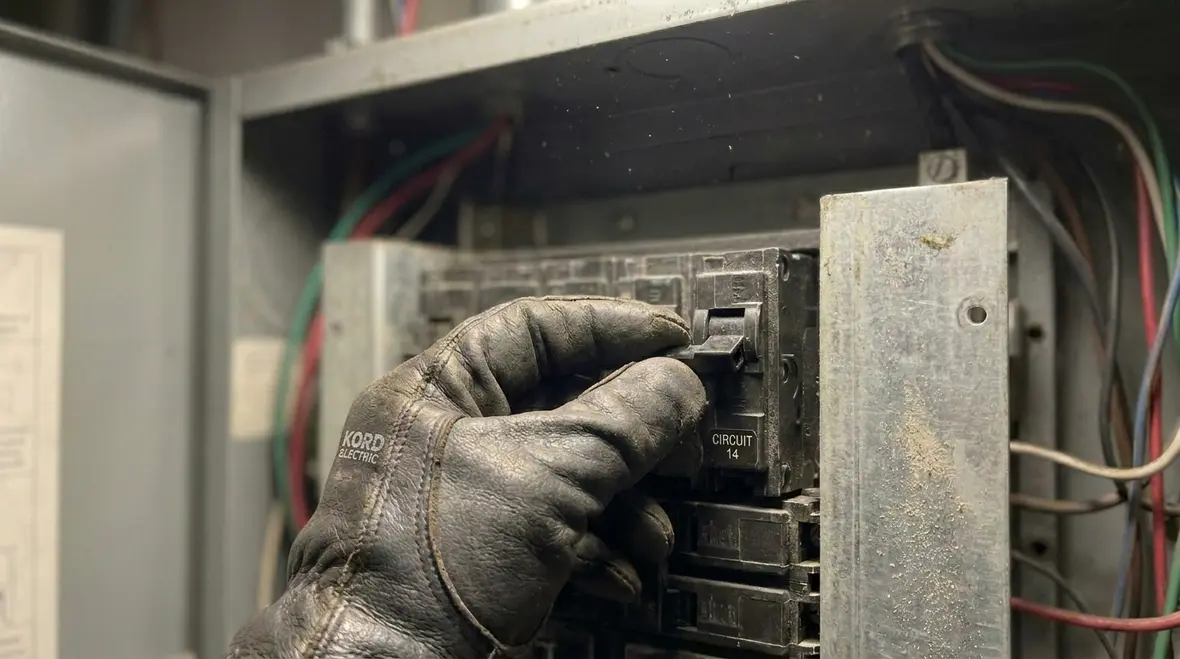
Commercial and industrial facilities run with steady demand, but the stress still stacks up. Over time, equipment cycles, environments change, and maintenance budgets get squeezed. Consequently, circuit failures often show up where heat, vibration, and electrical load meet. For modern buildings, this gets even more complex because power systems integrate with lighting controls, HVAC drives, fire safety gear, elevators, and data networks.
In our experience, most failures come from a handful of drivers. If a circuit depends on older components, or if it sits in a location that collects dust, moisture, or metal debris, problems grow faster. Furthermore, poor coordination between breakers, relays, and protective devices can turn a minor issue into a bigger outage. Our technicians explain these links in plain language, because when teams understand the “why,” they make better decisions about repairs, replacement timing, and next steps.
Commercial circuit performance also ties directly into how the building’s electrical system was designed and maintained over time. For a deeper look at how these systems support modern facilities, many property teams review resources like Kord Electric’s guide on commercial electrical systems for modern buildings, which explores how power distribution, controls, and safety layers work together behind the scenes.
Overcurrent and Protection Issues That Trip Too Much or Not Enough
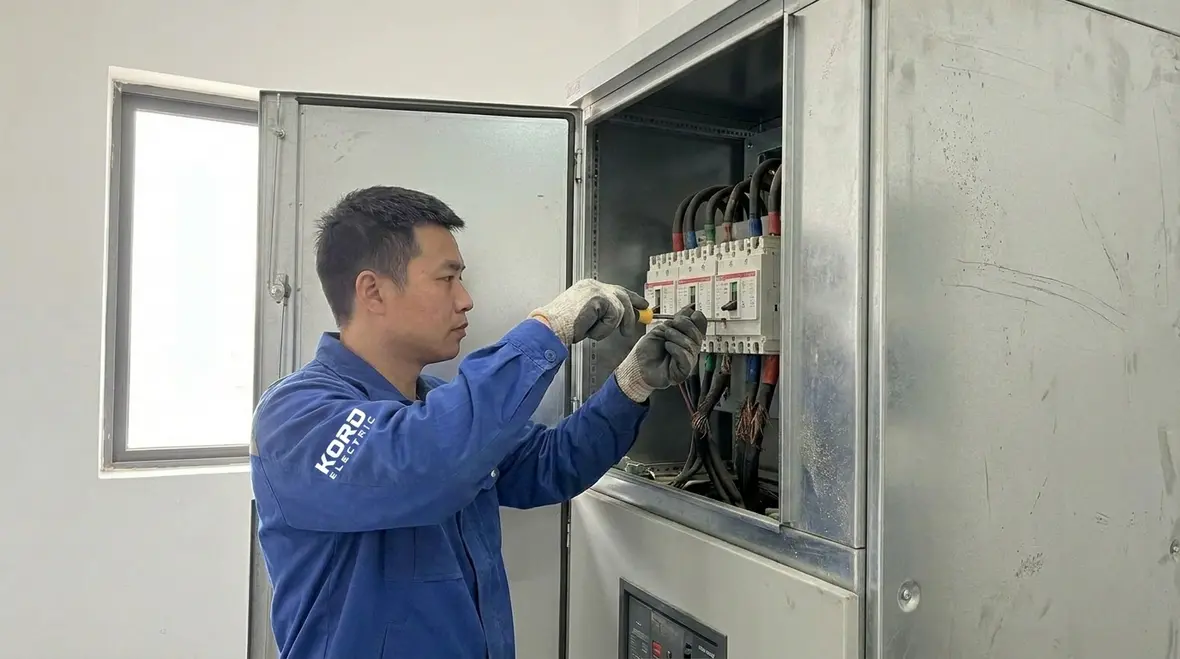
A circuit can fail because protection works perfectly, or because protection fails quietly. When breakers trip without reason, teams often assume the breaker is weak. However, the real story usually involves overload conditions, bad connections, or harmonics that push currents higher than expected. On the other hand, if a breaker does not trip during a real fault, the damage grows. Then, what begins as a small problem becomes a burned contact or a damaged bus.
We commonly see two patterns. First, equipment loads increase over the years, and the circuit no longer matches the original design. Second, protection settings or selectivity assumptions were never revisited after renovations. Our expert service staff checks the coordination of devices and compares what the building actually draws with what the protection devices should handle.
Sometimes, the building’s protective scheme is like a group project. Everyone thinks someone else did the coordination. In reality, nobody did, and now the circuit pays the price.
Coordinating Protection With Real-World Loads
During commercial electrical circuit troubleshooting, the goal is not just to reset a breaker but to understand why it operated. We compare time-current curves, review available fault current, and confirm that upstream and downstream devices work together instead of against each other. When needed, we recommend adjustments or equipment upgrades so that minor faults stay local and major faults get cleared safely and quickly.
Loose Connections and Aging Terminations in Modern Buildings
Loose connections remain one of the most common causes of circuit failures in commercial spaces. Heat builds at contact points, insulation weakens, and resistance rises. After that, voltage drop becomes a problem, and equipment performance declines before full failure hits.
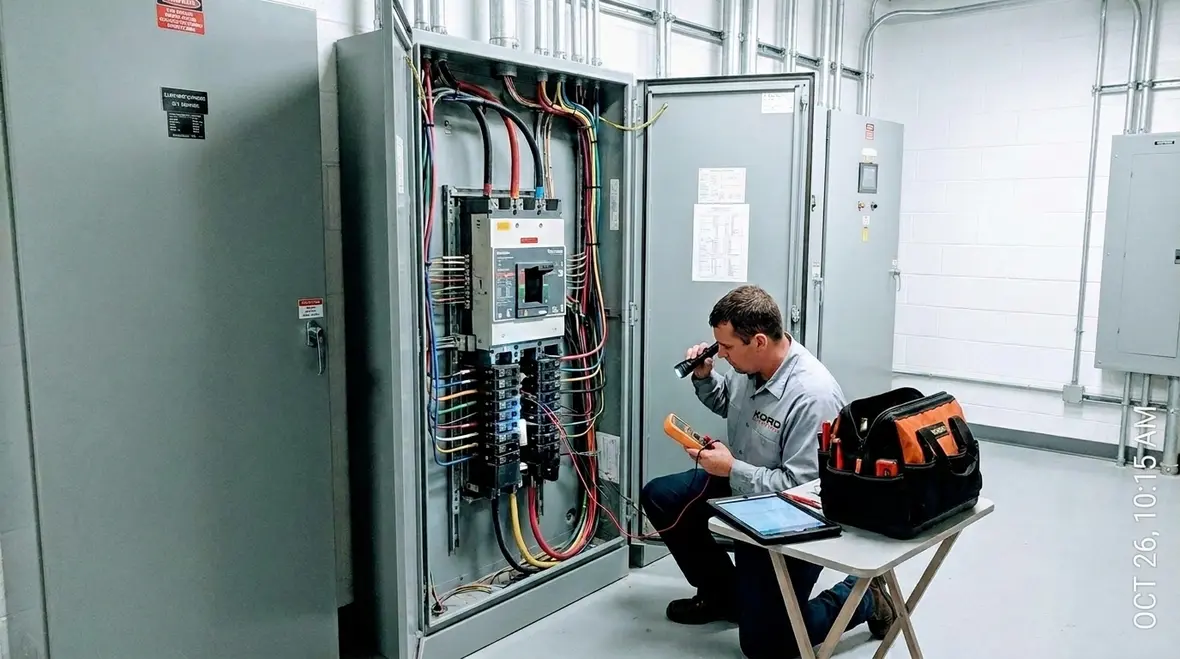
In major property buildings, connections often sit in electrical rooms, near switchgear, inside distribution panels, or behind access doors that rarely see daylight. Because these areas get covered during renovations, some terminations also age faster than expected. Even minor movement from vibration or maintenance work can loosen a terminal.
When we handle commercial electrical circuit troubleshooting, we examine the termination points, measure voltage drop under load when possible, and look for signs of overheating. Then we confirm whether the issue is local, or whether it is part of a wider busbar or feeder problem.
Our technicians also explain the fix in a practical way. We do not just replace a part and move on. We show how the condition formed, what it does to current flow, and why similar connections should get inspected too. That way, the repair lasts longer than the next billing cycle.
Why Terminations Deserve a Maintenance Plan
Loose terminations are a maintenance issue as much as they are a troubleshooting target. A structured inspection program that checks torque, infrared signatures, and visual condition helps catch these issues early. That is why many facilities pair circuit troubleshooting efforts with broader electrical preventive maintenance, especially in high-load environments where downtime is expensive.
Water, Dust, and Environmental Changes That Attack Insulation
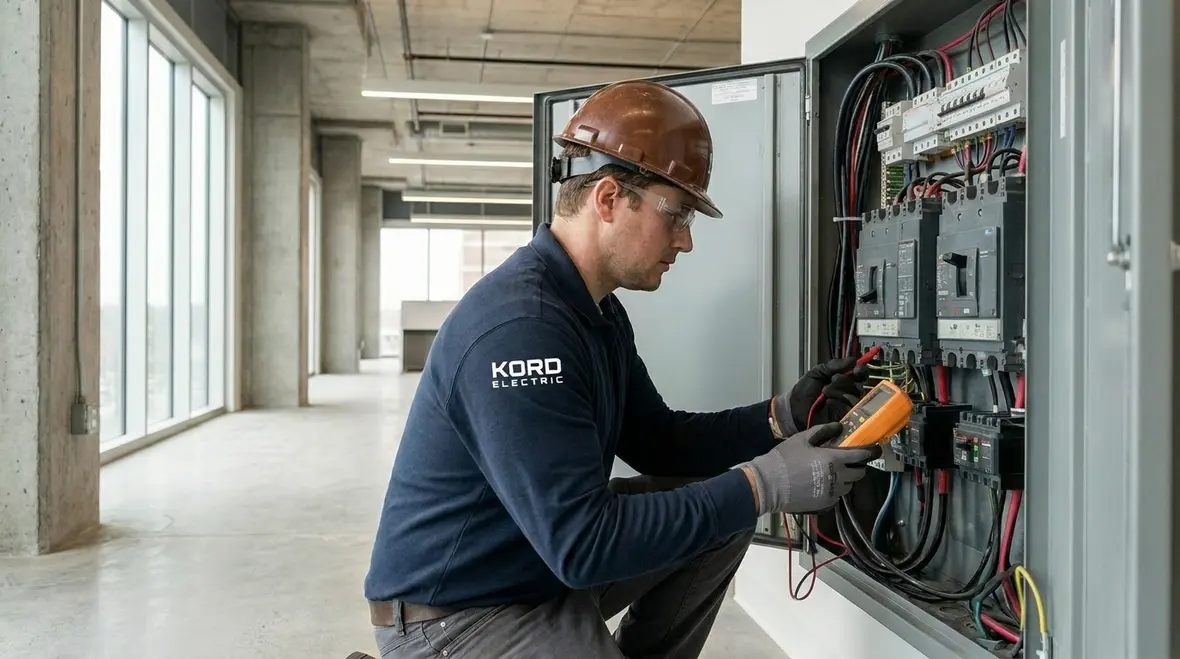
Moisture and contaminants are not just “annoying.” They change insulation resistance and can create leakage paths that lead to nuisance trips, ground faults, or eventual breakdown. Even buildings designed with solid electrical planning can face new risks after roof repairs, landscaping changes, sprinkler system issues, or HVAC duct condensation.
Dust, metal filings, and chemical vapors also matter, especially in industrial-adjacent facilities. These elements can settle in enclosures, spread through small gaps, and degrade insulation over time. Additionally, repeated temperature swings can cause condensation to form inside panels.
In modern building systems, electrical gear often sits near mechanical spaces and shared risers. That means the electrical team and the facilities team need to coordinate. We work with property managers to identify the environmental sources, then we recommend sealing, cleaning, and targeted protection upgrades where needed.
Think of it like leaving a soda cup on a desk. It starts as a small mess. Then, eventually, it soaks into everything and suddenly you are living in a stain documentary.
Inspection Clues for Environmental Damage
During commercial electrical circuit troubleshooting, we look beyond the immediate fault. Staining around conduit entries, rust on enclosure hardware, or residue near terminations can all signal environmental intrusion. When we see those clues, we focus testing on insulation resistance, grounding integrity, and any components that may have absorbed more than their share of moisture or debris.
Surges, Lightning, and Utility Disturbances
Even when a circuit is wired correctly, power can still arrive with problems. Utility switching, nearby motor starts, transformer inrush, and intermittent faults on the grid can create surges. Lightning events or nearby electrical switching can also push transient energy into building systems.
When protection devices and surge suppression are missing, outdated, or undersized, sensitive equipment feels the hit first. Computers, controls, VFDs, and automation systems can fail in ways that look unrelated. Meanwhile, the circuit may still power loads, so teams miss the root cause.
Our expert service staff performs a careful review of surge history, protection levels, and equipment susceptibility. Then we help teams align their surge strategy with the building’s actual risk. Because in commercial and industrial facilities, “it only happened once” does not mean the risk disappeared. It just means the system got lucky, and luck is not a maintenance plan.
Making Surge Protection Part of Troubleshooting
When troubleshooting unexplained failures on circuits feeding sensitive gear, we often inspect existing surge protective devices and grounding. If surge protection is missing at key distribution points, or if devices show signs of end-of-life, upgrading that layer becomes part of the long-term fix. That way, you are not just replacing one failed controller—you are reducing the odds of a repeat hit across the whole system.
Load Changes, Renovations, and Hidden Wiring Mismatches
Commercial buildings evolve. Tenants move, spaces get reconfigured, and electrical loads shift. Renovations add lighting, equipment, kitchens, charging stations, or new HVAC systems. However, the electrical design does not always keep pace with reality. Sometimes circuits get extended in ways that do not match original load calculations. Other times, labeling gets updated, but wiring identification stays wrong.
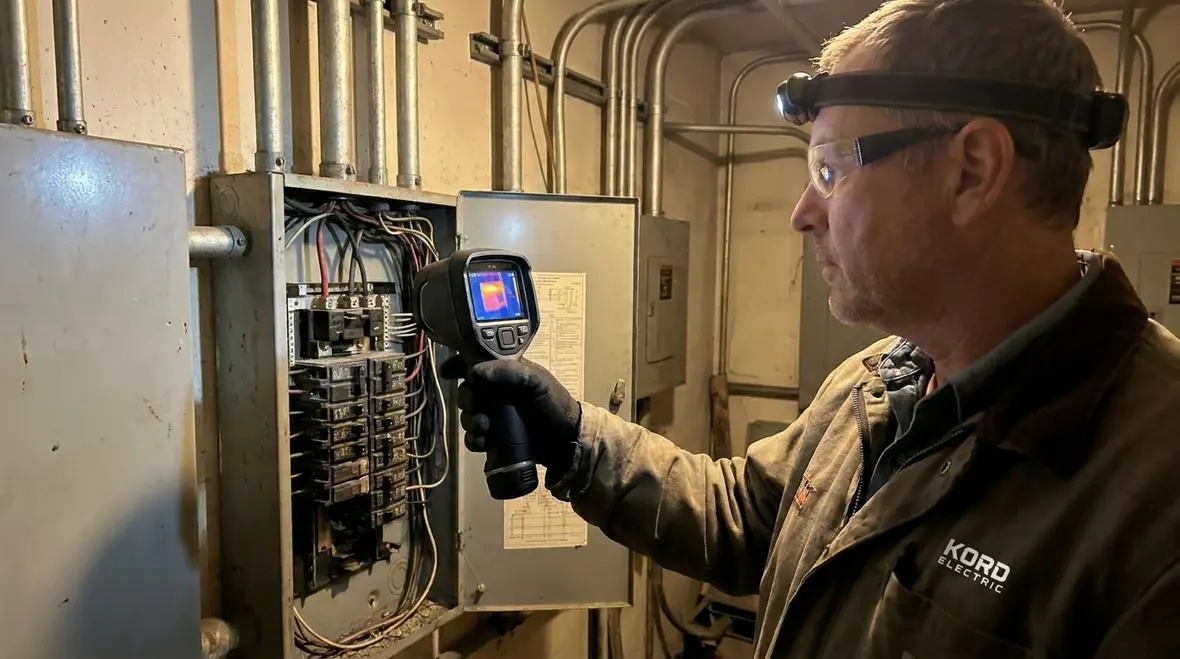
This is where commercial electrical circuit troubleshooting becomes a detective job. We trace circuit paths, verify phase and load assignments, and confirm conductor sizing against the true demand. Then we examine whether breakers, bus capacities, and feeder routing align with the modern use of the building.
Our technicians explain findings clearly and document what they verify. Furthermore, we help property stakeholders avoid costly rework by suggesting practical upgrades that fit current usage and planned expansion.
Labeling, Documentation, and Future Projects
Hidden wiring mismatches are more likely when panel directories, one-line diagrams, and past project notes do not match reality. Part of our service is updating what we find so that future renovation work, maintenance, and commercial electrical circuit troubleshooting start with accurate information instead of guesswork. That accuracy pays off every time a new project kicks off or a new tenant arrives.
Data and Documentation That Makes Troubleshooting Faster
Successful troubleshooting is not only about tools. It is also about information. When we arrive on site, we look for one-line diagrams, panel schedules, prior work orders, maintenance logs, and any earlier notes on nuisance trips or overheating events. Then we compare that documentation to what we observe during testing.
As a result, we reduce time spent on blind checks and focus on likely fault zones. We also help teams plan better next steps. If we find patterns that point to recurring connector failure, outdated protection coordination, or recurring environmental exposure, we recommend a fix that addresses the root cause.
And yes, we also respect your day. Nobody wants electrical downtime to stretch like a slow morning coffee commercial. We plan the work, we communicate the steps, and we keep the building stable while we find the cause.
Pairing Troubleshooting With Preventive Maintenance
Once the immediate fault is resolved, many facility teams use that moment to talk about long-term stability. Integrating findings from commercial electrical circuit troubleshooting into a broader maintenance plan helps prevent repeat outages. For example, Kord Electric’s electrical preventive maintenance programs support ongoing inspections, testing, and optimization so that today’s fix becomes tomorrow’s reliability gain.
FAQ
Get Commercial Electrical Circuit Troubleshooting From Kord Electric
When a commercial circuit fails, we help your team stop the guessing and start the fixing. Kord Electric brings expert technicians, clear explanations, and a careful process designed for major property buildings and industrial facilities. If you want fewer outages, faster repairs, and documentation you can trust, call us for an on site assessment. We will review the system, identify the root cause, and recommend next steps that reduce repeat failures. Let us handle the electrical detective work, while you run the property.
For facilities looking beyond one-time repairs, pairing commercial electrical circuit troubleshooting with structured service offerings like electrical preventive maintenance or rapid-response emergency electrical services helps protect operations, budgets, and safety. That combination keeps your systems stable today and better prepared for tomorrow’s load changes, upgrades, and renovations.