Business Continuity Backup Power Planning
In the quiet moments before a storm, a power cut, or an ugly equipment failure, commercial and industrial teams usually discover one truth: the lights do not care about your schedule. That is why Kord Electric treats business continuity power planning as a living plan, not a folder. We help others protect operations by mapping how electrical power should flow during the worst hours, so critical loads stay online and staff can keep working. Then, when reality shows up wearing a hard hat and carrying a clipboard, we already have a calm answer. We build for reliability, we coordinate with your team, and we make sure your backup power system does what it should.
Backup power that actually protects operations
When a facility loses utility power, the business risk does not start at “no lights.” It starts when control systems reset, safety systems delay, refrigeration warms, servers reboot, and production lines pause. Therefore, our approach focuses on how power systems behave under stress, not just how they look on paper. We plan for the moments right before and right after the transfer to backup power, because that is where many failures hide. One small timing mismatch can turn a planned switchover into an unplanned downtime event. And yes, we have seen it. It is like inviting a guest to dinner and forgetting to preheat the oven. They still arrive, but the meal does not land on time.
From the first design meeting, our technicians and expert service staff explain the process step by step. We walk others through how critical loads get prioritized, how transfer switches control the transition, and how standby generators or UPS systems coordinate to keep systems stable. Then we confirm the protection strategy with practical tests and clear documentation that your operations team can use. The goal is simple: keep mission critical equipment powered in a way that matches your real operating needs, not a generic checklist.
Reliability starts with distribution design and load strategy
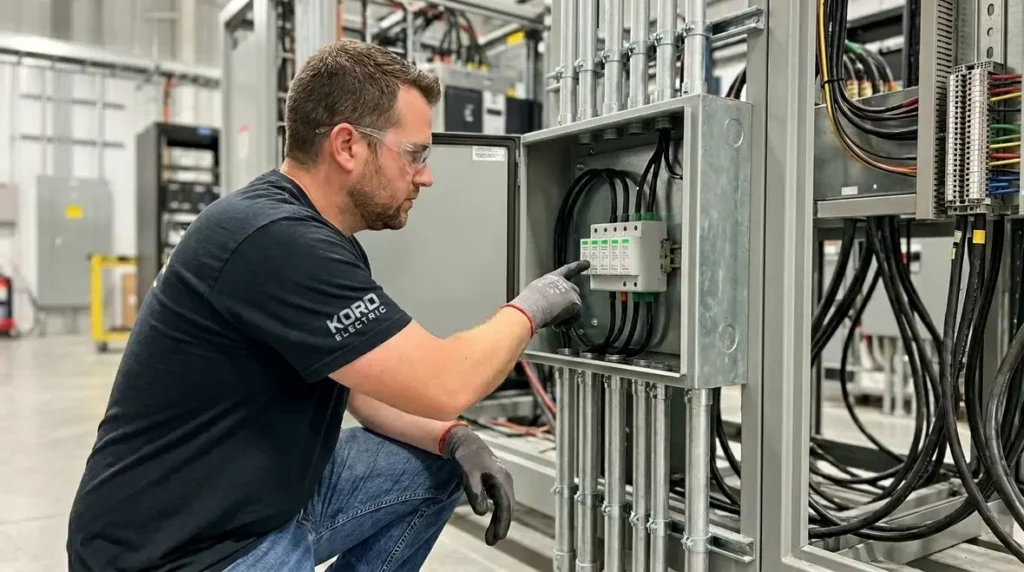
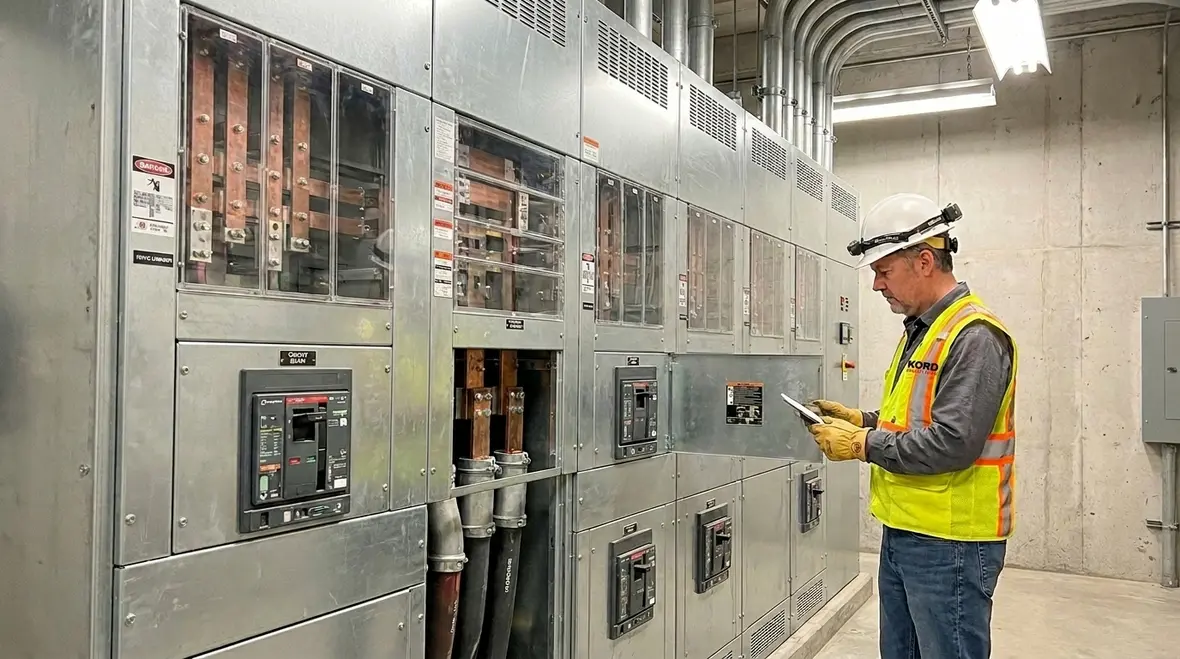
Many facilities invest in backup generation, but the distribution design determines how well that backup performs. In other words, the generator can be fine and still fail you if the electrical distribution cannot manage the load profile. In our work, we follow the reliability mindset we discuss in our article on data center electrical distribution design for reliability. We apply those same principles to major property buildings and complex commercial sites where uptime matters. The difference is that we tailor the design to your loads, your operating patterns, and your safety requirements.
First, we identify critical loads and group them logically. Then, we plan how power travels from source to equipment. We use selective coordination, proper protective device sizing, and clear labeling so the system isolates faults quickly. As a result, a single fault does not trigger a full shutdown. Next, we consider redundancy where it makes sense, but we never treat redundancy as a substitute for correct protection and good engineering. A backup system should reduce risk, not just add equipment that needs maintenance. Our technicians explain why that matters, because a “bigger” system can still perform poorly if the distribution strategy does not support it.
What business continuity power planning should include
Business continuity power planning covers more than generator runtime. Therefore, we design for the full chain of reliability: power quality, transfer behavior, protection settings, fuel readiness, and operational readiness. We also ensure the facility can run safely during extended outages, not just through the first few minutes.
Here are the core elements we include for commercial and industrial facilities and major property buildings
- Critical load mapping so you know exactly what must stay online and why
- Transfer sequence design so switchover happens smoothly and does not trip sensitive controls
- Backup source selection such as UPS for ride through and generators for sustained power
- Fuel and maintenance planning so runtime matches your risk profile
- Protection and coordination review so faults do not spread and outages do not expand
- Testing and documentation so your team can verify performance, not hope for it
Transition matters in every sentence of that plan. For example, UPS systems handle the first moments, while generators take over next. Then, distribution equipment ensures critical panels and loads receive stable power. We coordinate these stages so your processes stay steady, even when the grid stops being cooperative. And no, the grid does not ever say “sorry.” It just goes quiet.
How we design backup transfer and protection for real-world events
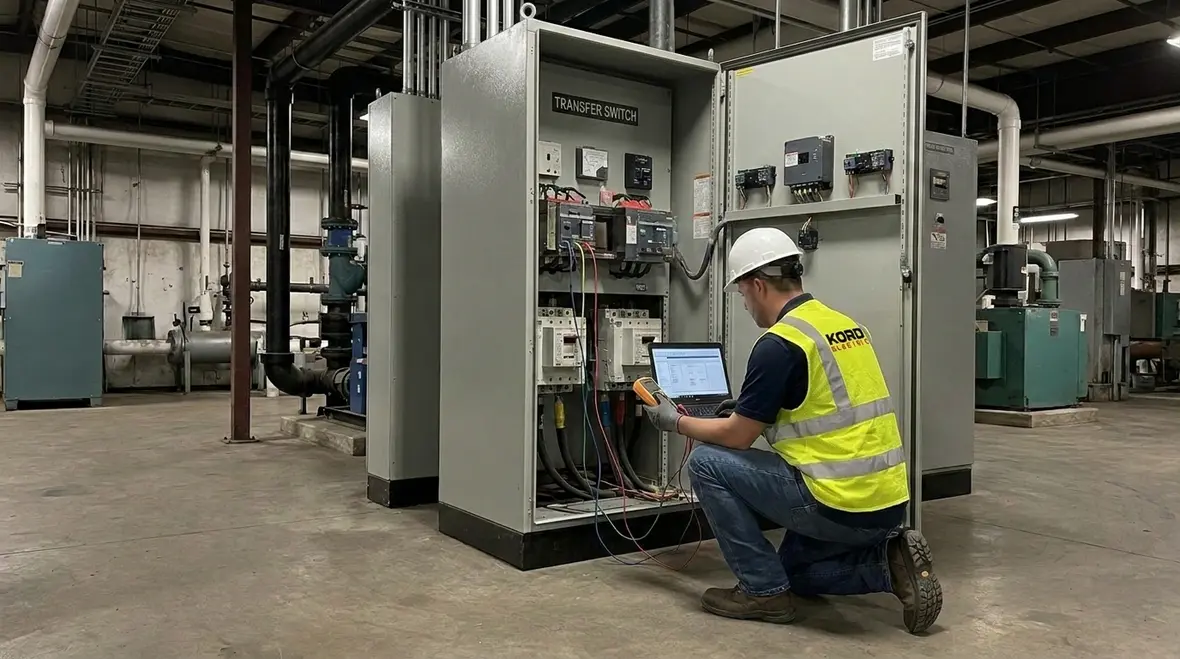
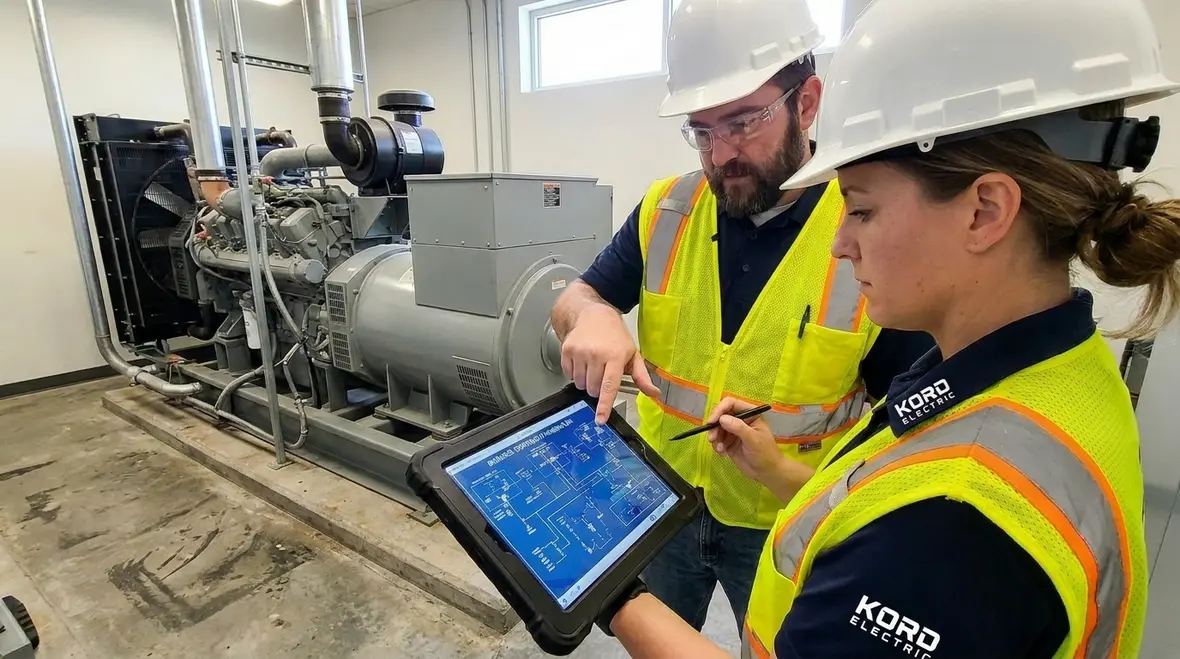
Switchover is where reliability goes to either shine or stumble. To protect business operations, we design transfer and protection so the electrical system responds in a predictable way during outages. First, we confirm how your standby sources start, how quickly they reach usable output, and how the transfer switches execute that sequence. Then we align those behaviors with the sensitivity of your loads, including controls, drives, and communications equipment.
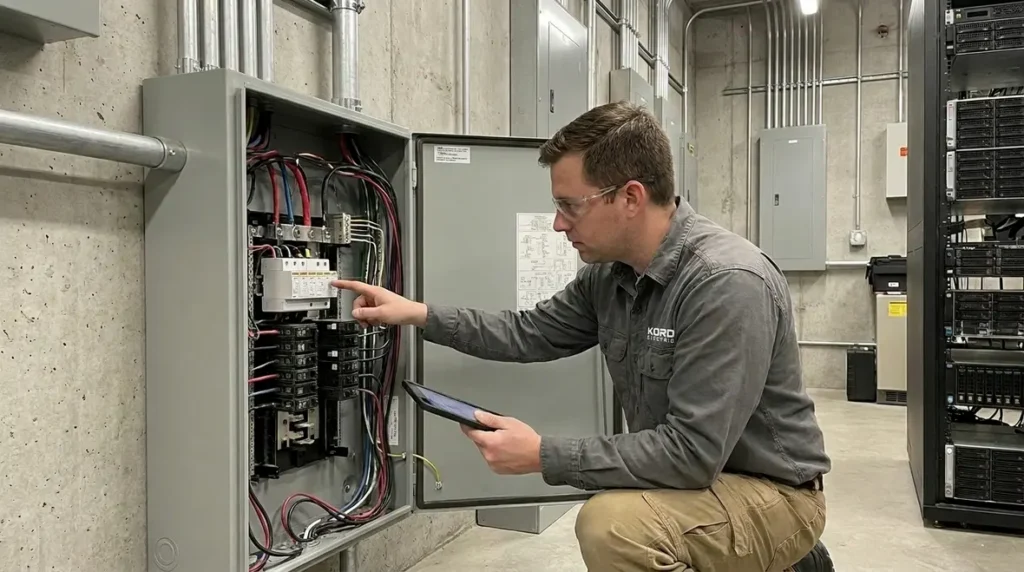
Protection is the next major piece. Even during an outage, your system should handle faults without turning the whole facility dark. So we review protective device coordination and ensure the system isolates the correct part of the network. That approach limits the impact of short circuits and ground faults. It also supports faster restoration after an event, because maintenance teams can find the issue with less guesswork.
Our expert service staff reinforces these designs during commissioning and ongoing care. They explain the “why” behind each setting and show your team how to interpret results. If a technician can explain a protective action in plain language, then the plan becomes easier to manage under pressure. That calm understanding helps when an incident occurs and your team needs clarity instead of confusion.
Testing, maintenance, and readiness go beyond the first install
Backup power systems do not stay reliable by accident. Over time, components age, settings drift, and conditions change. Because of that, we treat maintenance and testing as part of the business continuity power planning lifecycle, not as optional add-ons.
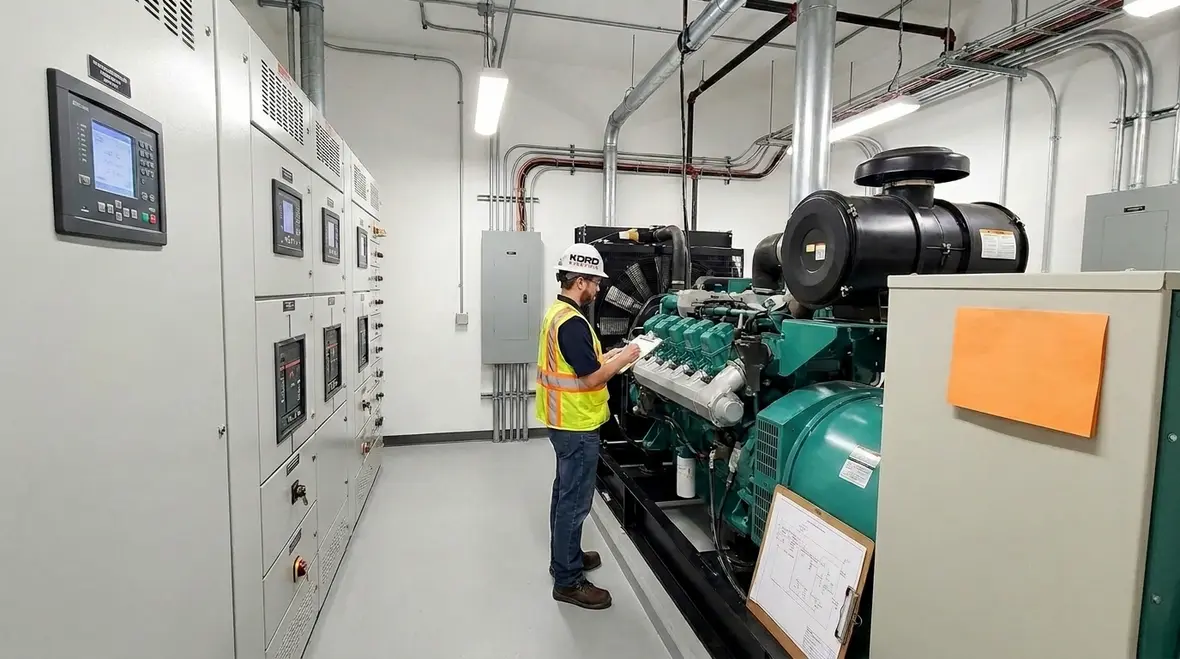
We help others build a maintenance rhythm that matches how the facility operates. For example, we plan periodic checks for standby generators, transfer equipment, battery systems, and distribution devices. Then we verify alarms and monitoring points so staff can respond quickly. Testing should not be vague. It should prove key capabilities such as transfer timing, load pickup, voltage stability, and system response to simulated disturbances.
Moreover, we support your team with clear service reporting. Our technicians document what they test, what they measure, and what they recommend next. That way, your facility can stay prepared, even as new equipment gets added or processes change. And when someone asks, “How long does the backup actually run?” we want your answer to be confident, not hopeful. Hope is not a fuel source.
Common backup power planning mistakes we help you avoid
In commercial and industrial buildings, reliability failures often share patterns. First, teams assume that the generator size alone determines success. In practice, the distribution design, transfer control, and load behavior often decide outcomes. Next, others fail to prioritize critical loads, which results in overloading the backup source during real events. Then, some facilities skip protection coordination review, so a minor fault triggers a major shutdown. It is like a smoke alarm that only works after the house is already fully on fire.
Another mistake involves testing without a plan. If the tests do not match your operating needs, you might discover problems only when you least want them. Also, facilities sometimes ignore fuel readiness and maintenance schedules, which can reduce runtime or increase failure risk. Finally, teams may not update the plan when they add new equipment, renovate spaces, or change staffing patterns.
We help you prevent these issues through structured design reviews, coordinated commissioning, and ongoing service. Our technicians communicate plainly and guide others through decisions that affect real uptime. When you know where risk sits, you can reduce it with purpose.
Backup power planning roadmap for C&I buildings
To keep the process clear, we use a practical roadmap that supports commercial and industrial facilities and major property buildings
- Step 1: Define critical operations and identify loads that must run during outages
- Step 2: Review existing electrical distribution for protection coordination and load paths
- Step 3: Design the backup strategy using the right mix of UPS and standby generation
- Step 4: Engineer transfer behavior to match timing and equipment sensitivity
- Step 5: Commission and test so performance matches the design intent
- Step 6: Maintain and update so business continuity power planning stays current as your facility evolves
Because transition points and protection behavior matter, we make sure each step feeds the next. Then we confirm that the entire system works as one coordinated solution. That approach reduces surprises and protects operations during the real events that interrupt business.
FAQ
Closing call to action for uptime you can trust
If your facility runs on uptime, then backup power planning needs to run on purpose. At Kord Electric, we help commercial and industrial teams build reliable backup strategies, coordinate distribution design for protection and transfer performance, and support ongoing testing and service. Our technicians explain each decision clearly, so your team understands what happens during an outage and how the system responds. If you want calm confidence when the grid stops cooperating, reach out to us and schedule a reliability review.
To take the next step beyond planning and into proactive care, explore how structured preventive programs like our commercial and industrial electrical maintenance plans help keep distribution equipment, backup systems, and protection settings aligned with your long term reliability goals.
When you are ready to turn business continuity power planning into a concrete project, our team can evaluate your current infrastructure, map critical loads, and design a roadmap that fits your facility. From selective coordination to transfer behavior and maintenance strategies, we build systems that support your uptime targets and your budget.
For facilities that need hands-on implementation support, Kord Electric delivers full-service commercial electrical services across major property buildings and complex industrial environments, integrating design, installation, and long term service into one reliable partnership.
If your organization is ready to align business continuity power planning with real-world electrical reliability, schedule a conversation with our team and start building the backup strategy that your operations deserve.