
Commercial Electrical Infrastructure Assessment
When your commercial or industrial facility relies on electricity for safety, productivity, and uptime, guessing is not a strategy. That is why we at Kord Electric begin every job with a commercial electrical infrastructure assessment, designed to map what you have, what is aging, and what could fail when conditions get rough. In fact, we run our evaluation like a calm, methodical audit of your power system, not like a chaotic “check-the-box” walkthrough. We look at the full chain, from utility entry to final distribution, so your team gets clear recommendations you can budget for. And yes, we still find surprises, because electricity has a sense of humor. Usually it waits until someone turns the wrong breaker.
What Kord Electric checks during an electrical infrastructure assessment
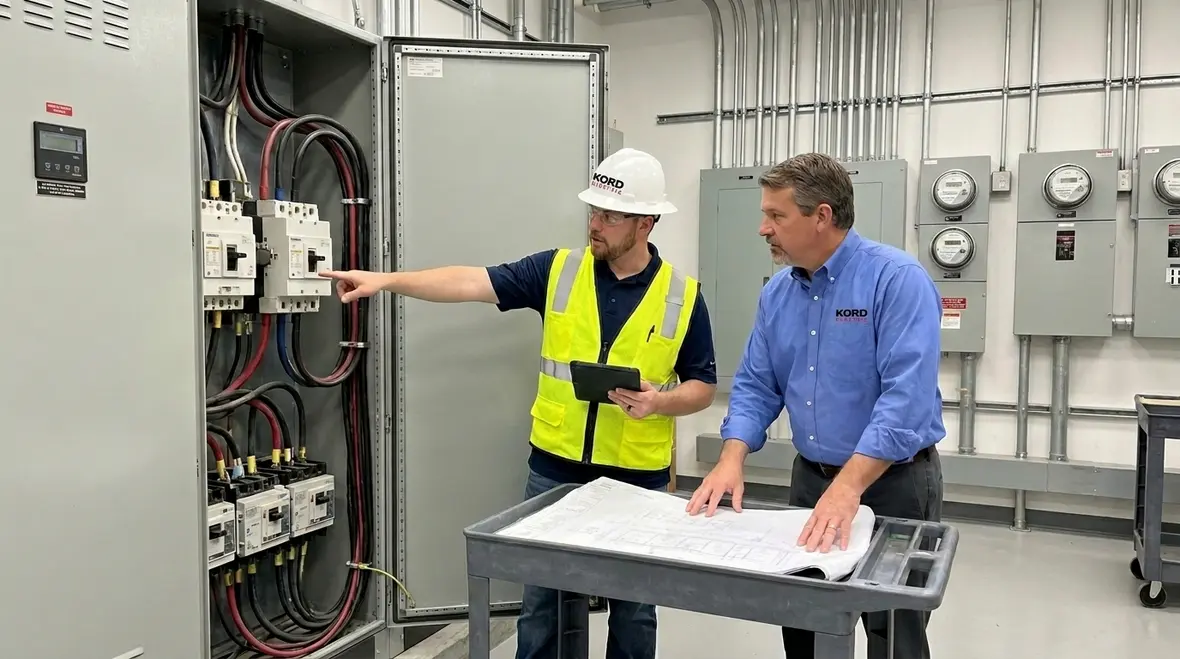
We approach your site with a steady plan. First, our certified technicians review documentation and site drawings, so we do not waste time reinventing your system. Next, we verify field conditions because printed diagrams sometimes look cleaner than reality. Then, we measure key electrical variables and inspect physical components that handle current, heat, and switching every day.

To keep the process thorough, our expert service staff confirms the health of major parts of your infrastructure. That includes service equipment, switchgear, transformers, busways, feeders, branch panels, and distribution gear. We also examine grounding and bonding practices, because proper grounding supports protection and helps equipment behave the way it should. After that, we evaluate protective devices, coordination, and labeling so faults get cleared correctly without unnecessary downtime.
Finally, we connect the dots across the system. Power quality affects motors, drives, lighting, and sensitive controls. As a result, the assessment does not stop at “is it working.” We also ask “is it working well enough to prevent repeat failures.” Along the way, we often uncover issues similar to those found in broader preventive programs like electrical preventive maintenance services, which helps your team tie daily operations to long-term reliability.
Site walkthrough and field data collection that actually matters
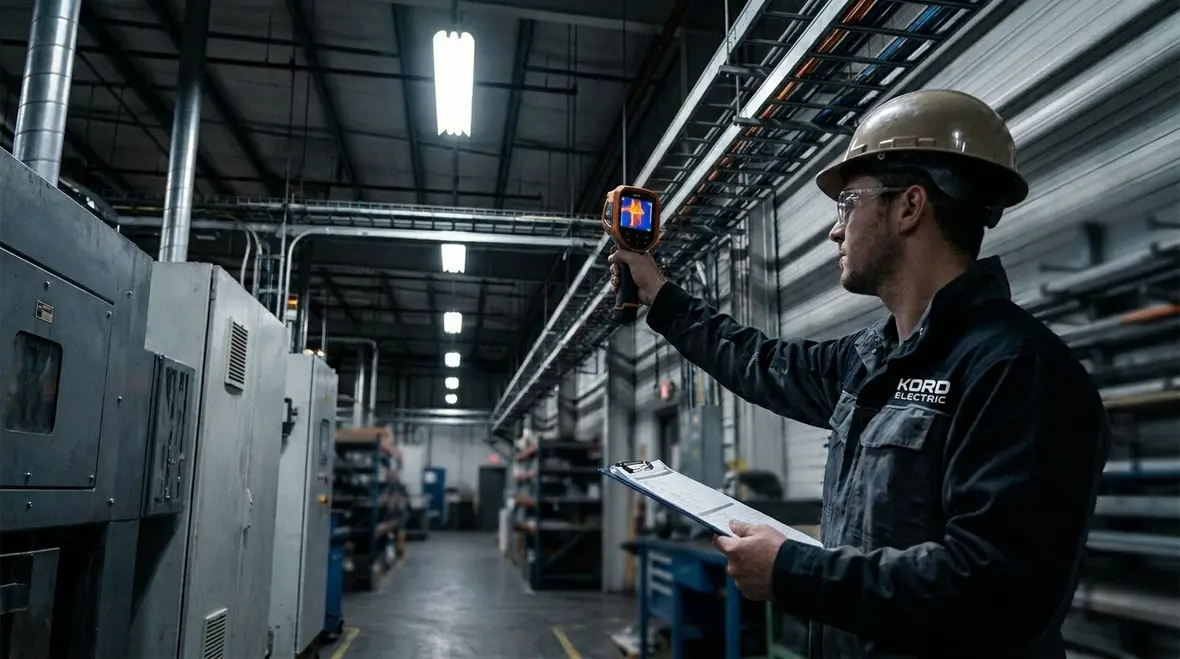
We start with a careful walkdown of equipment and routing paths. Then we collect field data using industry standard methods. For example, we inspect terminations and connections for looseness, corrosion, and signs of heat. Even small issues can grow into major problems when loads increase, seasons change, or maintenance schedules get skipped.
Next, our technicians focus on patterns. They look for recurring hotspots, moisture exposure, dust buildup, or inconsistent cooling. If a room is too warm, breakers and transformers suffer. Therefore, we check ventilation, clearances, and ambient conditions.
At the same time, we verify circuit loading and identify areas where equipment operates near its limits. Then we compare measurements with nameplate data and historical demand. This is where we bring experience that makes the report practical, because a recommendation that cannot be carried out is just decoration.
And because we know facilities teams have enough on their plate, we plan our data collection to minimize disruption. We coordinate access, schedule testing windows, and keep communication clear. You should not feel like the site has to pause life for our clipboard work. We aim for quiet efficiency, not drama.
Power quality, protection coordination, and system reliability
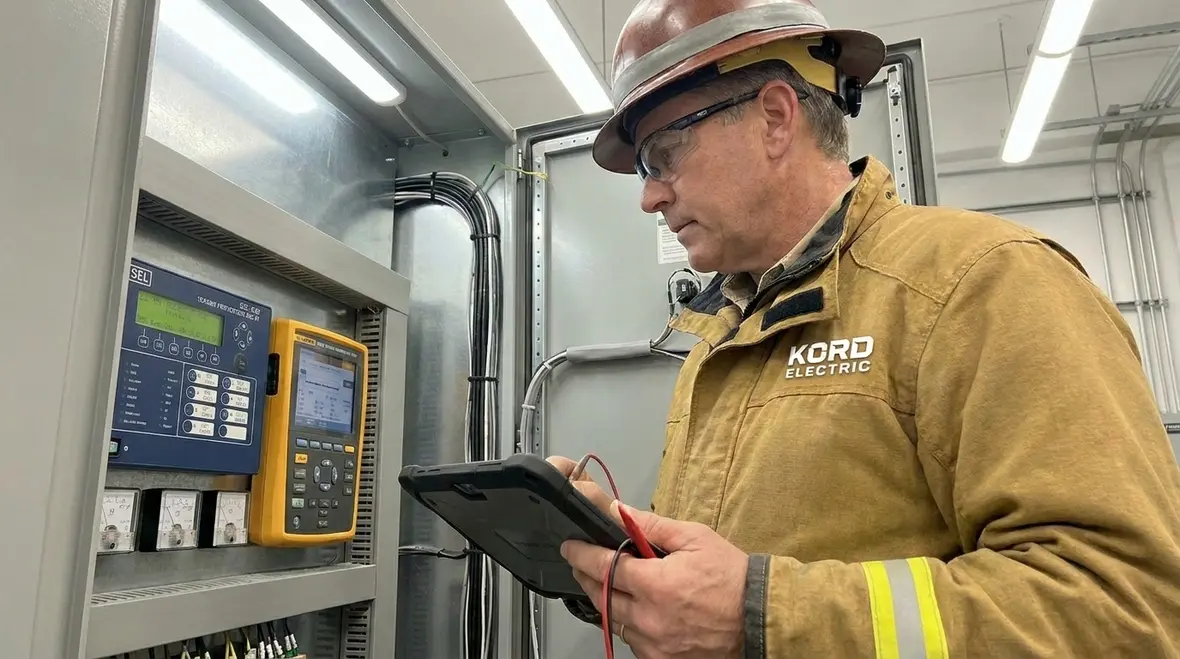
Once we gather data, we dig into what it means for system reliability. Many facilities blame “random outages,” but power problems often leave fingerprints. We evaluate things like harmonics, voltage drop, and recurring transients, because these can stress insulation, cause nuisance tripping, and shorten equipment life.
Then we examine protective devices and their coordination. In plain terms, the right protection should clear a fault fast, but not more equipment than necessary. If breakers trip incorrectly or too broadly, you lose more area than you need to. That is not just an inconvenience, it can affect operations and safety.
We also review arc flash concerns and switching practices. Our team helps you understand risk levels and the practical steps to reduce hazard. We do this in a way your safety manager and operations leads can use, not in a way that only fits a textbook. And yes, we explain things. If you have ever sat through a meeting where someone used three acronyms per sentence, you understand why we keep it human.
As loads change over time, coordination can drift. Therefore, we consider future expansion, planned equipment upgrades, and seasonal load patterns. This turns the assessment from a snapshot into a roadmap. For facilities already struggling with unstable power, it often pairs well with focused services around voltage fluctuations in commercial and industrial buildings, so both root causes and symptoms get addressed.
How we evaluate service capacity and future load growth
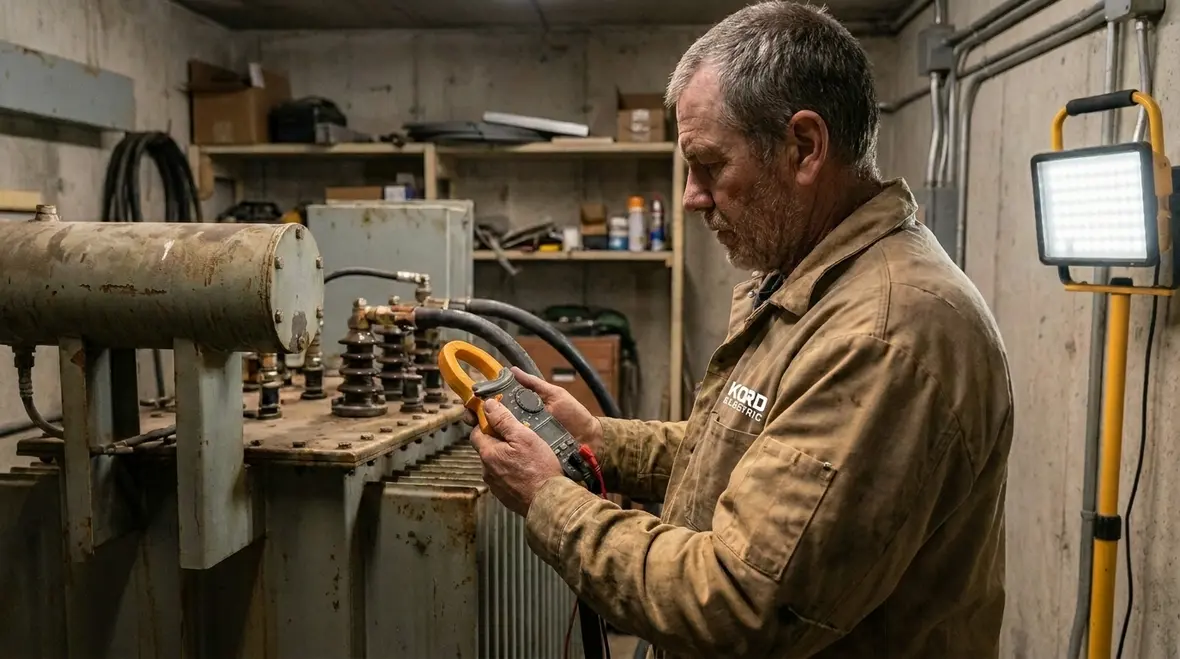
Electrical infrastructure is like a building’s circulatory system. When demand grows, supply must keep up. So we evaluate your service capacity by analyzing historical usage, peak demand, and available spare capacity. We also confirm transformer sizing, voltage regulation, and feeder performance. If one link in the chain cannot handle demand, the whole system feels it.
We then map the planned growth that many major property owners face. That might include new production lines, additional HVAC, upgraded lighting, electric vehicle charging, or tenant improvements in shared facilities. Even when no one says “we are expanding,” load often creeps upward through “just a few more” equipment changes. Eventually, the system pays the bill.
Our expert service staff helps you identify where capacity is tight, where upgrades are sensible, and where operational changes can reduce stress. In addition, we look at redundancy and resiliency options. Some facilities need graceful fallback when a component fails. Others need quick restoration. We consider the real goals of the site.
Because we serve commercial and industrial facilities only, our approach focuses on the realities of those environments: higher loads, continuous operations, compliance needs, and the expectation of uptime. We do not build generic guidance for generic buildings. We build plans for your world, whether you operate a data center, a campus, or a major property building supported by regional services such as Los Angeles County electrical services for commercial facilities.
Common findings from professional electrical reviews
Every facility has its own personality, but electrical issues often repeat across sites. One frequent finding is deteriorating connections. Over time, vibration, thermal cycling, and moisture can loosen terminals or degrade insulation. Then, that heat buildup turns into failure risk.
Another common issue is inadequate labeling and unclear asset identification. When a future electrician opens a panel, they should not have to guess what a breaker feeds. We check labeling accuracy and recommend updates so the next maintenance event stays quick and safe. If you have ever opened a panel and felt like you needed a decoder ring, you already understand why clear labeling and guides such as an electrical panel labeling best practices guide matter.
We also see corrosion and dust in equipment rooms that lack proper protection or cleaning routines. Even if gear keeps running, it may be running out of margin. So we identify where conditions accelerate wear.
Power quality problems show up as well. Sometimes facilities experience nuisance trips, flicker, or equipment degradation that management cannot tie to one cause. Our assessment helps link those symptoms to measurable electrical conditions.
Finally, we find cases where maintenance schedules exist, but they do not cover the right details. Inspection should not stop at “looks okay.” Therefore, we recommend specific checks tied to your equipment type and operating conditions.
And if you are thinking, “Great, so it is all bad,” no. It is usually mixed. The best news is that we find issues early, which gives your team options before an outage forces the decision. Think of it as preventive maintenance with better lighting and fewer surprises.
Detailed report, prioritized recommendations, and clear next steps
After we complete testing and inspection, we deliver a structured report that your team can act on. First, we summarize what we found in plain language. Then, we connect each observation to risk, operational impact, and possible root causes.
Next, we prioritize recommendations. We separate urgent safety items from reliability improvements and future capacity planning. That way, your leadership can build a phased plan instead of forcing everything into one budget cycle. We also include practical notes on what to verify during the next maintenance window, so results hold up over time.
Because commercial and industrial facilities need schedules that stay real, we propose options with clear tradeoffs. Some upgrades reduce risk immediately. Others require planning around production downtime. We help you understand those differences before decisions get made in a rush.
Dual-column overview
Assessment Focus
Equipment condition, terminations, grounding, protection, and power quality measurements
Outcome
A prioritized plan for safety improvements, reliability upgrades, and capacity growth
Throughout the process, our technicians explain what they measure and why it matters. We share context so your facility team can communicate clearly with operations, safety, and finance. In other words, you do not just get a report. You get understanding you can use.
FAQ about commercial electrical infrastructure assessment
Request your assessment from Kord Electric
If your facility runs on electricity and you want fewer surprises, it is time to act. We at Kord Electric conduct a thorough commercial electrical infrastructure assessment for commercial and industrial properties, then deliver prioritized, practical recommendations you can schedule. Call us to talk through your equipment, load goals, and reliability targets. We will walk your team through what we find, why it matters, and how to move forward with confidence. From targeted troubleshooting to broader support like regional Los Angeles County electrical services for commercial and industrial facilities, our goal stays the same: keep your power steady, safe, and ready for what comes next.
If you are ready to line up your next steps, our team can also connect this assessment with ongoing programs such as electrical preventive maintenance for commercial and industrial sites, so findings turn into long-term reliability instead of a one-time snapshot.


