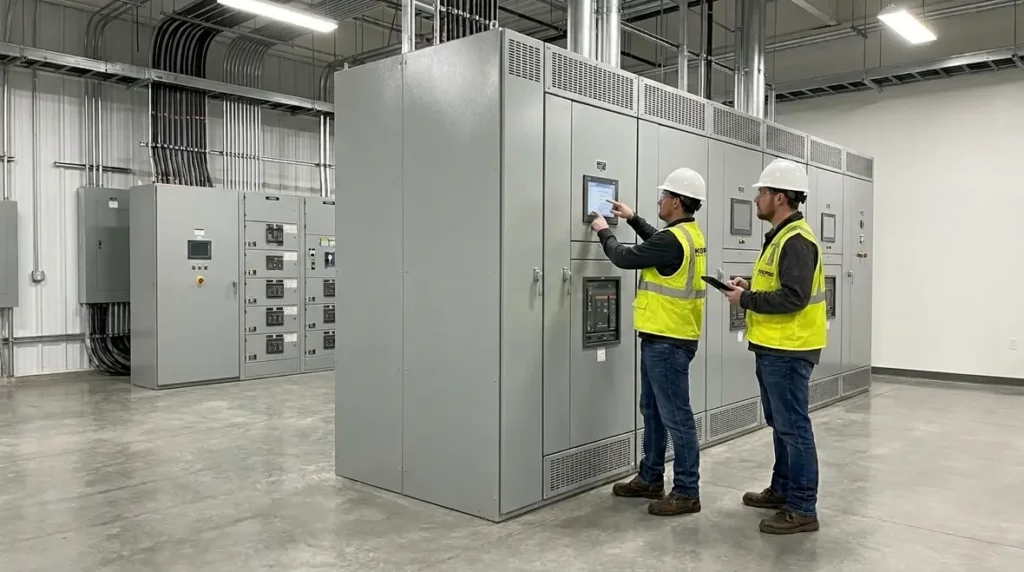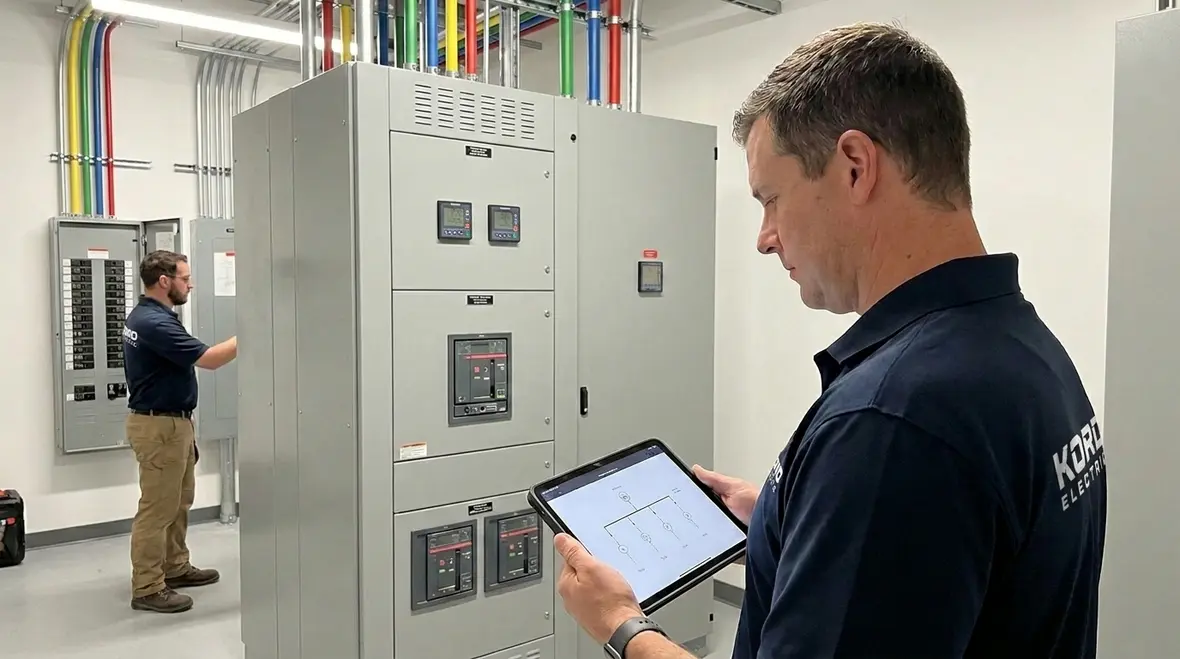
Commercial Electrical Load Management to Cut Costs
Commercial Electrical Load Management that Cuts Costs Without Cutting Corners
At Kord Electric, we believe commercial electrical load management is one of the most practical ways for owners and facilities teams to lower utility bills while keeping power steady for people, processes, and equipment. We see it all the time: a building that runs perfectly fine on paper, but in the real world it pays more because loads get pushed around at the wrong time, or because the system lacks visibility. That is where good load management starts to work, quietly and consistently.
When our technicians and expert service staff explain the approach, they keep it simple: measure what you use, understand what you can shift, and control what you must protect. If you have ever watched a spreadsheet argue with a real electrical panel, you will appreciate why we start with reality, not assumptions. And yes, we promise to keep the process calm, like a late night podcast that helps your building pay fewer dollars.
Why load management lowers commercial operational costs
Most commercial and industrial facilities lose money in predictable ways. First, they pay more when demand peaks. Second, they incur avoidable wear when equipment runs at the edge of its comfort zone. Third, they miss opportunities to right size schedules for HVAC, lighting, pumping, and process loads. Then the team spends time dealing with problems that could have been prevented.
Commercial electrical load management reduces these losses by smoothing demand and improving how power gets distributed. Instead of letting every system start at once, we coordinate major loads so they draw power in a planned sequence. As a result, demand charges often drop, utility profiles flatten, and the facility operates more efficiently.
Just as importantly, load management improves long term reliability. When compressors, chillers, pumps, and large motors avoid harsh cycling, they typically last longer and require less emergency service. And emergencies, as anyone who has stared at a dark loading dock at 2 a m can tell you, are never the cheapest plan.

How our technicians model real building demand before changes
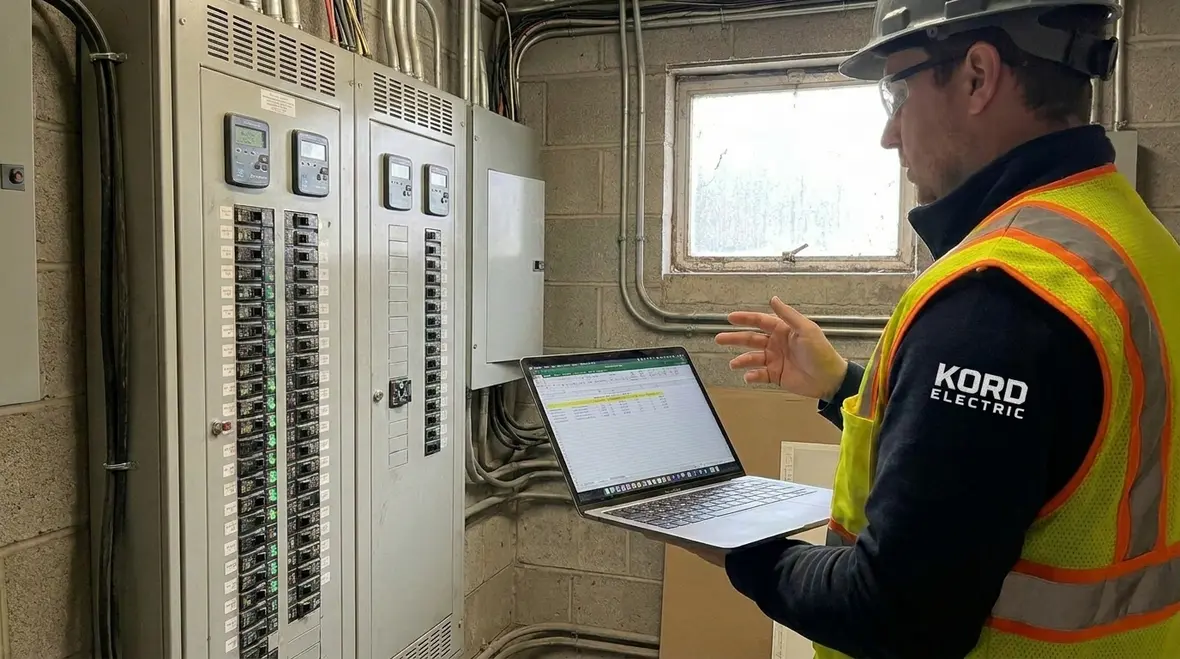
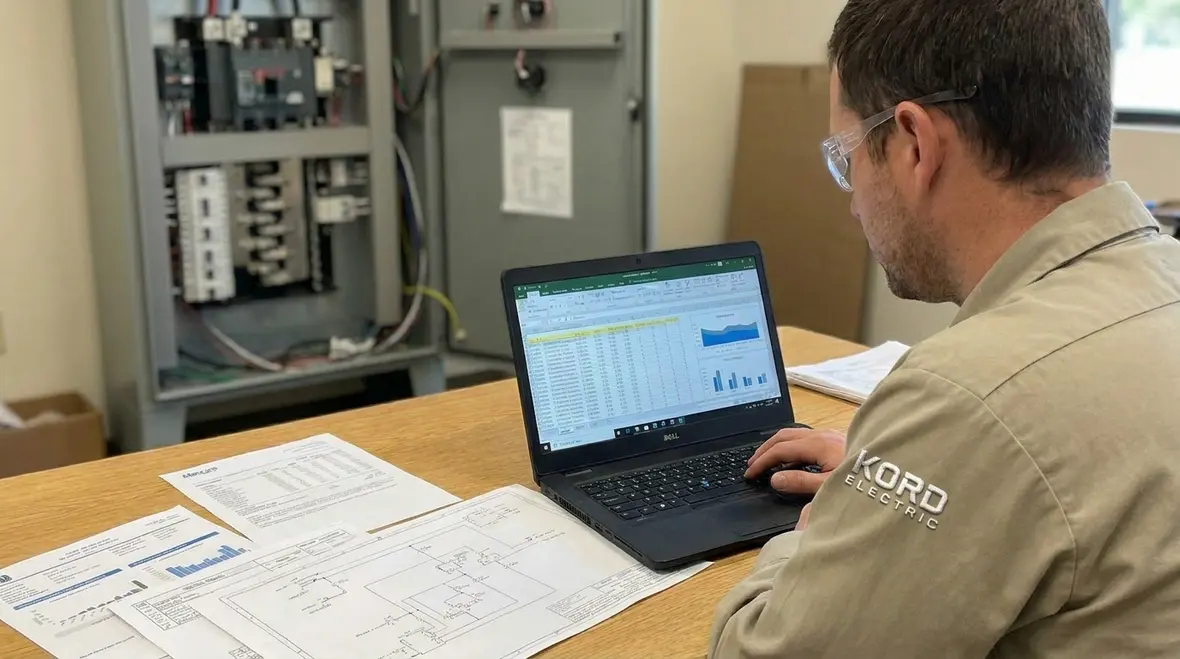
We do not ask facilities to guess. Instead, our technicians begin with a clear electrical load assessment focused on commercial and industrial needs, including major property buildings. We review utility data, circuit behavior, equipment schedules, and the way the facility actually runs day to day.
Then we translate that information into a practical plan. Our expert service staff explains what each load does, where peaks come from, and which loads can shift without harming operations. After that, we map control strategies that match your environment, such as office towers, warehouses, manufacturing floors, and mixed use property systems.
To make this useful, we explain it in plain language. If someone can explain it back, they can maintain it. So our team walks the customer through the reasoning, not just the controls. That approach helps your staff trust the system and reduces the chance that a good idea becomes a confusing one.
Peak demand, demand charges, and the “why now” problem
Utility rate structures often include demand charges tied to the highest level your facility uses during a billing window. When multiple systems ramp up during the same short period, the building produces a demand spike that can outweigh the savings from overall energy efficiency. In other words, you can cut energy use and still pay high charges if peaks remain.
Commercial electrical load management addresses this “why now” problem by controlling when loads start and how they ramp. For example, we can coordinate HVAC stages, schedule pump cycles, and manage other large electrical loads so the building avoids sudden jumps. Consequently, the facility can lower its highest demand readings, not just its average consumption.
In many cases, load management also helps during unusual conditions. If the building experiences a hot day, a recovery cycle, or a maintenance schedule that creates irregular operation, the system can still keep power use within planned limits. That stability reduces the odds of nuisance trips and reduces strain on switchgear and feeders.
What systems we typically coordinate in commercial and industrial buildings
Load management works best when it targets the loads that actually drive cost and risk. For commercial and industrial facilities, we commonly coordinate the following systems with a focus on safe, business critical operation:
- HVAC systems including chillers, air handlers, and rooftop units where staging affects demand peaks
- Pumps and pumping systems used for cooling loops, domestic supply, fire protection supervision where applicable, and process needs
- Lighting and control loads that can shift with occupancy and daylight response
- Large motors used in ventilation, material handling, and process support, where sequencing matters
- Building automation and control panels so commands match the equipment reality
As we plan, our expert service staff explains tradeoffs. For instance, we avoid strategies that create comfort problems or disrupt production schedules. Instead, we favor approaches that protect critical operations, keep safety margins, and still reduce cost drivers. That is how we turn load management from a “nice idea” into a system that performs like a reliable employee who never calls in sick.

From strategy to wiring: implementing load controls the right way
Some facilities treat load management like a software feature. Others treat it like a wiring project. We treat it like an integrated electrical and controls upgrade, because that is what it becomes in the real world.
First, we confirm measurement points and monitoring. Then we verify that control signals match the equipment interface. After that, we set up sequencing logic that reduces spikes while maintaining safe ramp rates and correct interlocks.
Our technicians also pay attention to the details that prevent headaches later. We handle installation discipline, labeling, and documentation so the facility can operate confidently after go live. Then we test under expected conditions and under stress scenarios, because buildings rarely follow scripts written by ideal engineers.
At this point, our team usually references guidance from our commercial electrician cost and planning materials, including topics that help facilities understand how to budget and plan for electrical upgrades tied to efficiency and control improvements. For example, facility managers can review resources such as our electrician cost LOS guide for commercial facilities to connect project scope, commercial electrical load management strategies, and long term investment planning. We do not just talk about cost. We show how to connect project steps to operational outcomes, so leadership sees the business value instead of a pile of invoices.
FAQ: Quick answers on load management for commercial facilities
Why facilities choose Kord Electric for expert service staff support
Facilities need more than a generic recommendation. They need a plan that fits their site, their utility rate structure, and their operational reality. That is why commercial and industrial customers choose Kord Electric. We support only major property buildings, commercial sites, and industrial facilities, so our process targets the types of systems and loads that matter most.
Meanwhile, our expert service staff keeps the work understandable. We explain what we change, why it matters, and how your team can monitor performance. As a result, decisions stay grounded in electrical facts, not buzzwords. And honestly, when everyone understands the plan, it is like fewer alarms at 3 a m. That alone feels like a win.
For facilities that want to keep those alarms quiet over the long term, structured maintenance support also helps. Many teams pair commercial electrical load management projects with programs like commercial and industrial electrical maintenance plans, so their demand control, switchgear, and critical loads stay inspected, tested, and tuned as operations evolve.
If your property spans multiple buildings or campuses across the region, you can also coordinate load management with broader Los Angeles County electrical services support from Kord Electric. That way, upgrades, maintenance, and new projects all follow a consistent strategy instead of being handled one panel or one building at a time.
Commercial electrical savings start with a smart load management plan
If a facility wants lower operational costs and steadier power performance, commercial electrical load management is a strong place to start. Kord Electric can assess your demand drivers, recommend safe control strategies, and implement changes that match commercial and industrial operations. We will help your team understand the system, tune it after commissioning, and track progress over time. Reach out to Kord Electric today to schedule a load management consultation for your property, so you stop paying for avoidable peaks and start running smarter.
As you plan next steps, consider how a tailored load management roadmap can align with other upgrades, from lighting and HVAC improvements to EV charging infrastructure and critical power redundancy. Taking a coordinated approach keeps projects from fighting each other on the same feeders and panels, and helps your leadership team see how each investment ties into a bigger operational story rather than a series of one off fixes.
Whether you are managing a single high rise or a portfolio of industrial sites, the core idea stays the same: let the electrical system work for your budget, not against it. With the right measurements, the right controls, and the right partner, commercial electrical load management becomes less of a technical buzzword and more of a daily advantage that shows up quietly on each utility bill.