Commercial Electrical Panel Replacement Benefits
Stronger Power, Safer Buildings: Commercial Electrical Panel Replacement Benefits
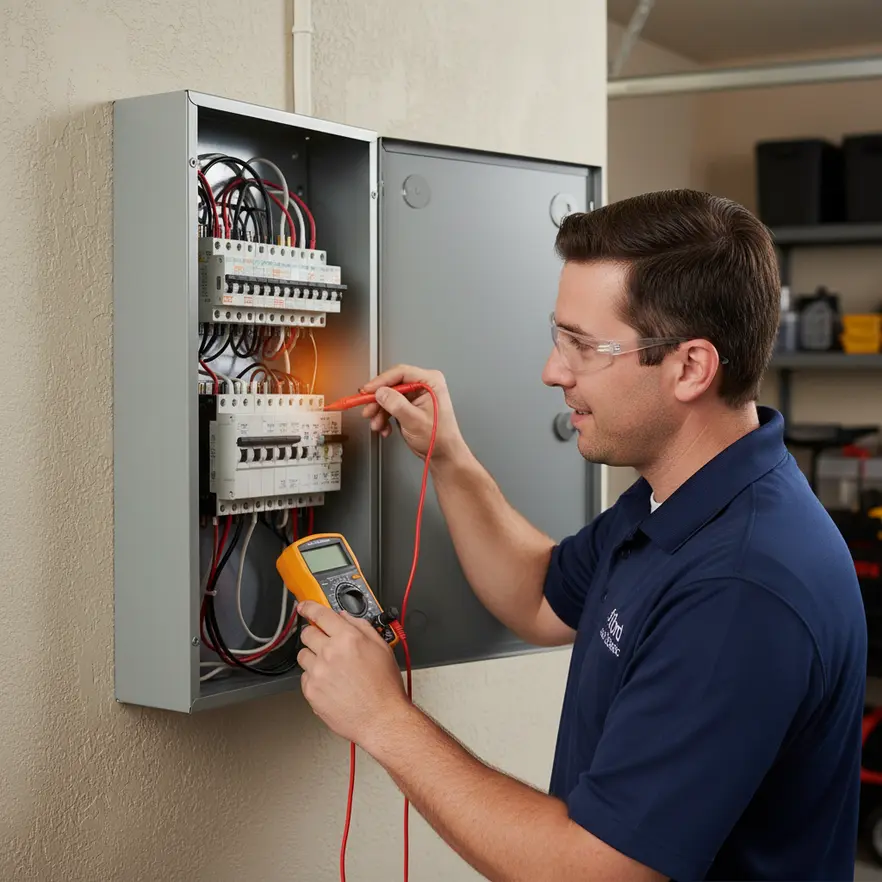
At Kord Electric, we see the same pattern across commercial and industrial facilities: the electrical panel quietly ages, then one day it starts acting like a smoke detector during a taco cook-off. When we perform commercial electrical panel replacement benefits for a property, we help improve safety, reduce nuisance trips, and keep critical systems running when they matter most. Also, we help protect the building’s wiring, appliances, and the people inside it, while giving owners clearer visibility into how their power is distributed. That is not just comfort. It is operational stability.
In this guide, our expert service staff and licensed technicians walk you through when an upgrade makes sense, what to look for, and how we evaluate panel health in the real world. And yes, we explain things in plain language, because nobody should need a degree to understand their building’s electrical backbone.
How Kord Electric Reviews Panel Health Without Guesswork
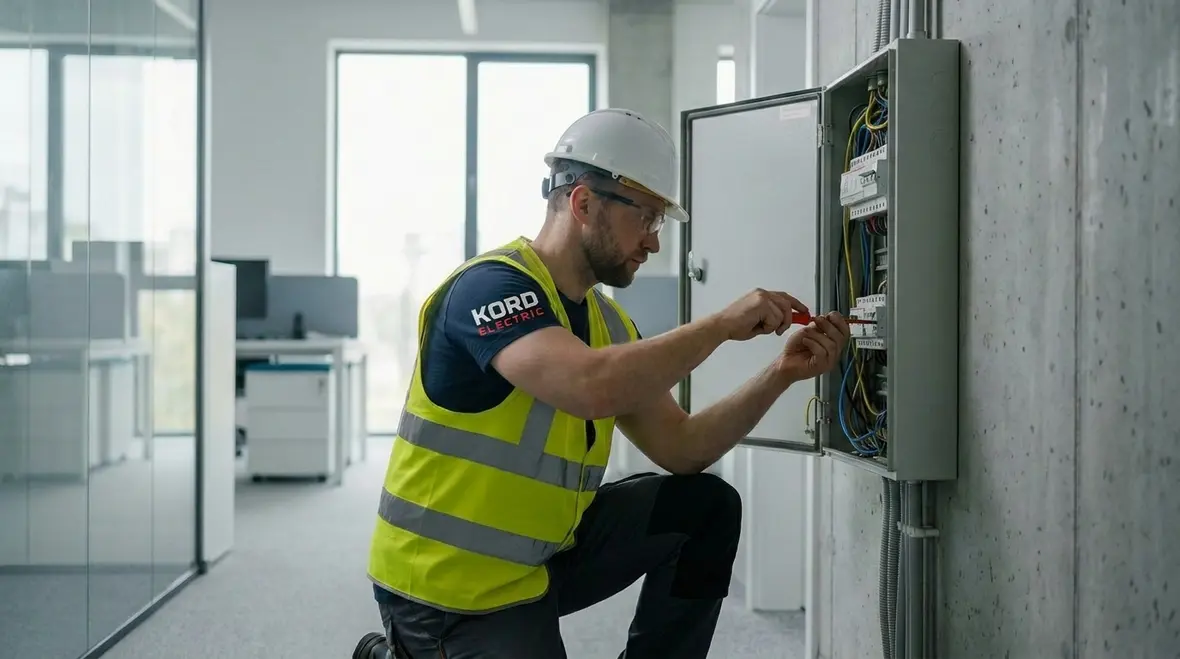
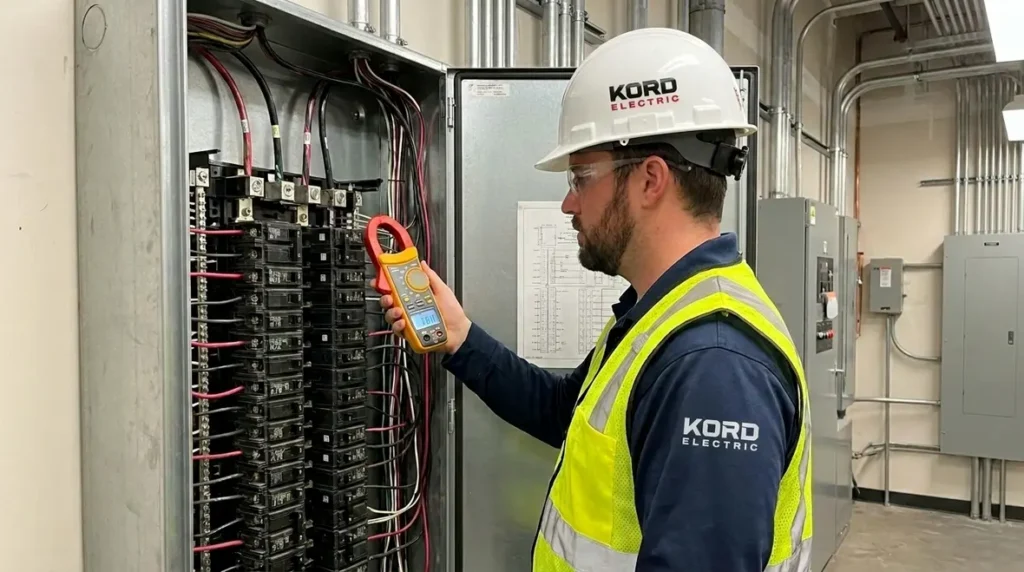
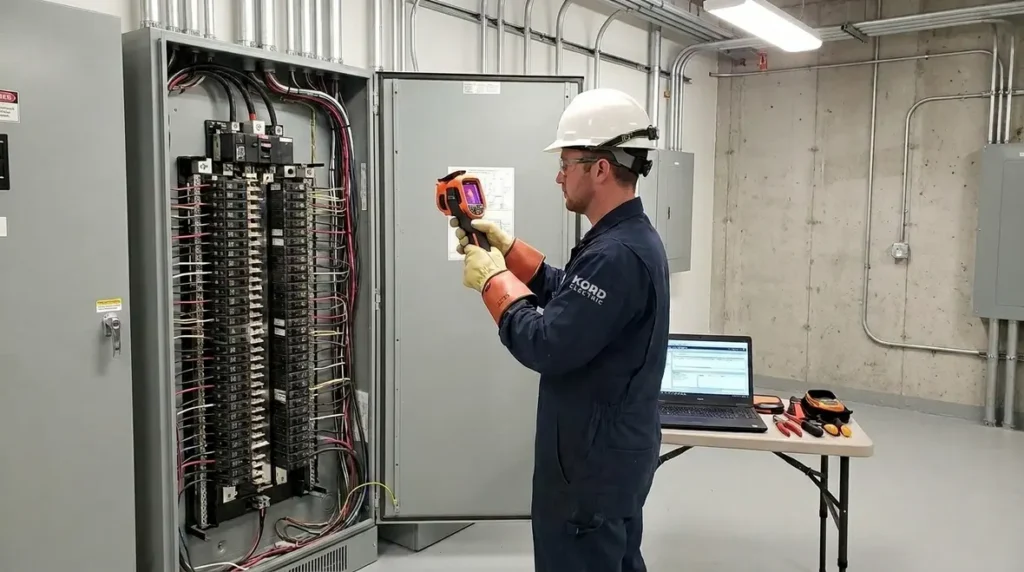
To decide if an upgrade is needed, others often rely on a feeling: “It’s probably fine.” However, we treat panel health like a business asset, not a coin toss. Our technicians use a structured evaluation process that starts with what the system shows us today, and it ends with what it will likely do under load next month.
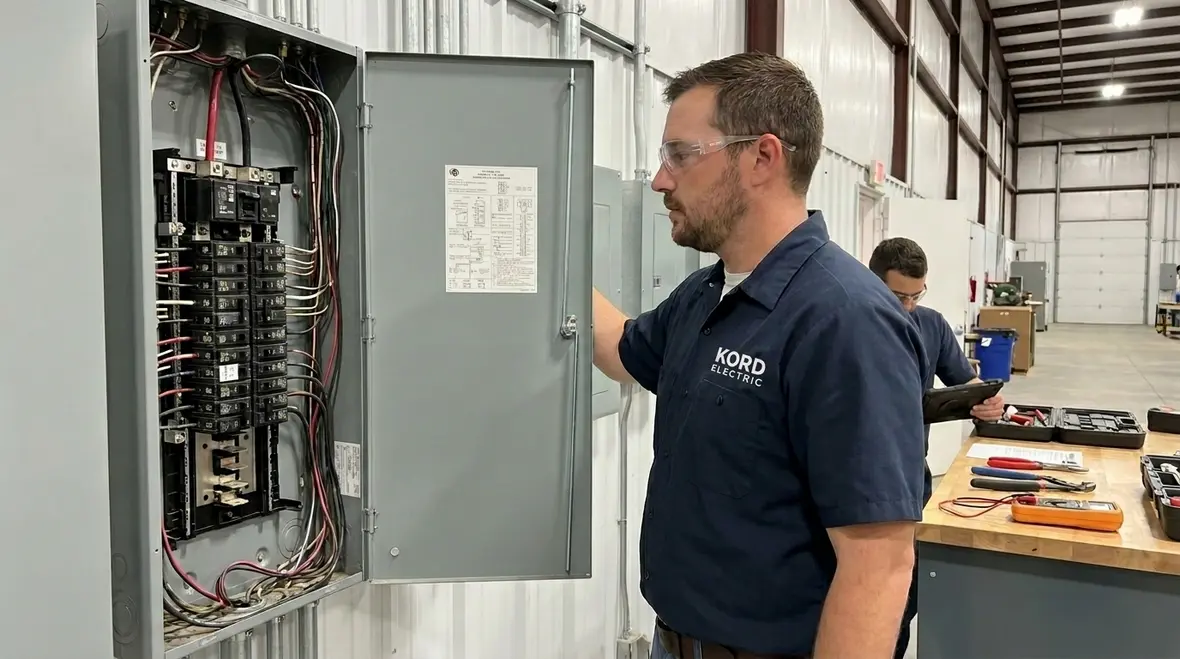
First, we review the panel’s age, brand, and configuration, because older equipment frequently lacks modern safety features. Then, we inspect for physical signs of wear, corrosion, loose terminations, and evidence of overheating. After that, we validate capacity and load balance, since many failures happen when demand quietly increases over time.
Meanwhile, we do not ignore the “nearby problems.” For example, if feeders show damage or if the grounding system looks compromised, the panel becomes only part of the story. Therefore, we look at the whole power path to make sure the fix actually solves the cause.
Signs Your Panel Is Getting Close to the Edge
If a commercial building runs 24/7, small electrical issues can turn into big interruptions. So, we help facility managers spot early warning signs before the panel forces the schedule to take an unscheduled vacation.
Here are common indicators we look for during onsite visits:
- Nuisance tripping that happens more often, especially during normal operations
- Burn marks, discoloration, or a plastic smell near breakers or bus bars
- Corrosion inside cabinets, including signs of moisture intrusion
- Hot spots at breaker connections, lugs, or wiring entry points
- Buzzing, crackling, or vibration from within the panel during load changes
- Rusty or loose hardware that suggests poor connections over time
- Insufficient breaker space that leads to creative, unsafe add-ons
Also, we pay attention to patterns. For instance, if problems start after new equipment, a remodel, or an HVAC upgrade, then the electrical system likely struggled to adapt. That is where we separate “annoying” from “dangerous,” and we help owners understand which scenario they face.
When to Upgrade Your Commercial Panel: Time, Load, and Risk
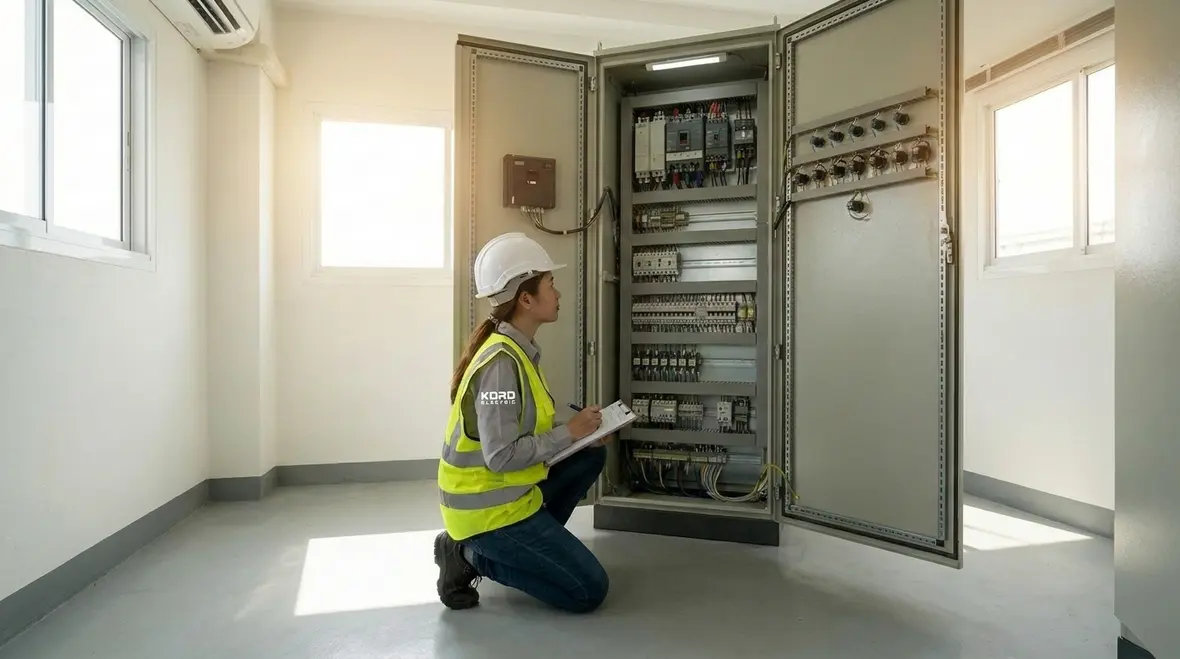
Some building owners wait for failure. Others wait for a perfect slideshow of warning signs. We recommend a third path: evaluate based on time, load growth, and risk. In other words, we upgrade when the math and the evidence tell the same story.
Timing often depends on panel type and environment, since heat, humidity, dust, and frequent switching affect components. Therefore, a panel in a clean office can age differently than one in a heavy-load environment like a commercial kitchen, a manufacturing area, or a warehouse.
Load changes also matter. When facilities add new refrigeration, new cooking equipment, additional lighting, or new power-hungry machines, the panel may not have enough capacity or the right distribution. Even if existing circuits still work, the balance across phases and breakers may become unhealthy.
Finally, we weigh risk by considering what depends on that power. If a building supports critical services, then even a short outage can carry a high cost. At that point, we plan the upgrade like a business decision, not a last-minute rescue.
Commercial Kitchens and High-Load Spaces: A Special Reality
Commercial kitchens and similar high-load areas demand steadier performance than people expect. And we do not blame anyone for thinking electricity behaves. It does not. It behaves like electricity always has: it follows physics, not hope.
When a property uses intense heating equipment, motors, ventilation systems, and controls that cycle often, the electrical panel takes more stress than a typical office load. That stress can show up as loose connections, thermal fatigue, and wiring strain over time.
In our own experience, we often see wiring layouts that no longer match today’s workflow. For example, older circuits may have been extended with multiple junctions, or equipment may have been added without updating the panel schedule. As a result, the panel can become the busiest junction in the building, even when it was never meant to carry that load.
That is why we also inspect related wiring and breaker coordination in these environments. If the kitchen upgrade happened years ago, we still verify whether the electrical design supports current usage safely. You can read more about our thinking and typical upgrade considerations here: commercial kitchen electrical upgrades and wiring.
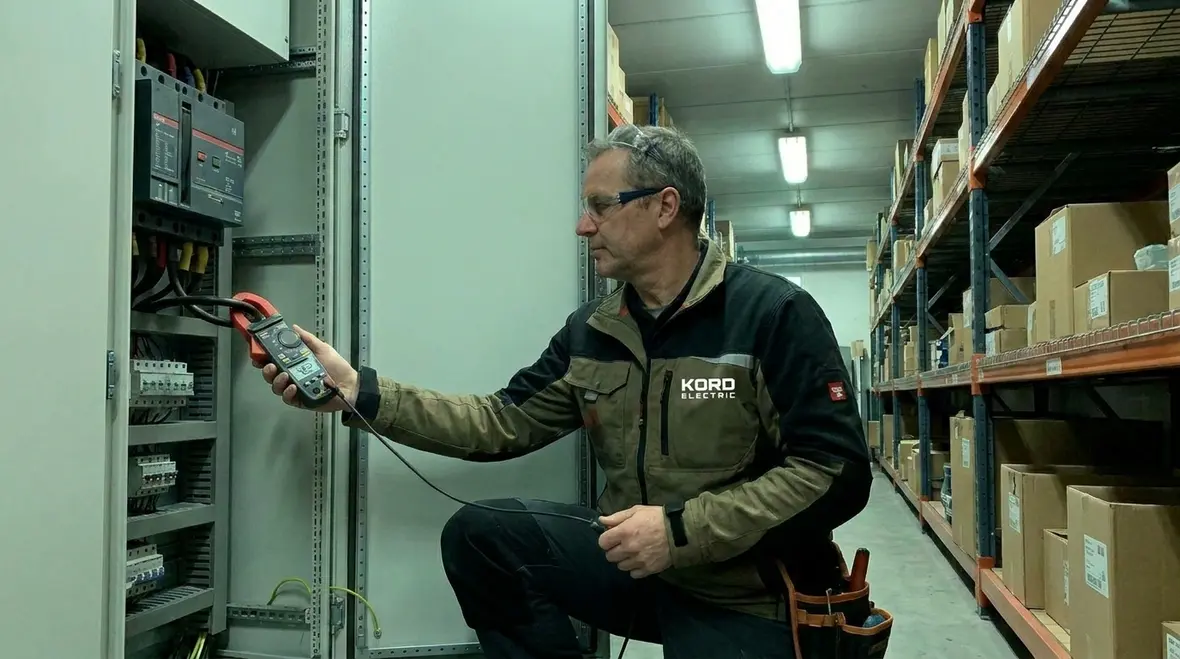
In many kitchen and high-load projects, a panel upgrade pairs well with broader improvements like structured electrical preventive maintenance and targeted power quality work for voltage fluctuations in commercial and industrial facilities. Taking a coordinated approach keeps the “heart” of the system and the everyday wiring in sync.
What a Professional Upgrade Includes (and What It Should Not Skip)
Upgrading a commercial electrical panel replacement is not just “swap the box and call it a day.” If a team skips the steps that prevent repeat failures, the building inherits the same risks with a new label.
Our expert service staff explains each phase in plain terms, so owners and managers know what we are doing and why. Typically, our approach includes these components:
- Load assessment to confirm capacity and distribution across phases
- Inspection of existing conductors for damage, insulation issues, and connection quality
- Breaker and component matching so protection fits the equipment and expected current
- Verification of grounding and bonding to support proper fault performance
- Labeling and panel documentation so future service becomes faster and safer
- Testing and verification after installation to confirm behavior under real conditions
Additionally, we coordinate the work with the facility schedule. We understand commercial and industrial properties cannot always pause operations. So, we plan access, staging, and power downtime carefully when needed. Then, once we finish, we walk the team through what changed so nobody has to play detective later.

Who Should Handle This Work: The Risk of DIY in Commercial Spaces
Some people treat electrical work like an “easy weekend project.” That is cute, in the way a sitcom character tries to fix a car with a toaster. In commercial and industrial environments, that mindset costs money and can create dangerous conditions.
Electrical panels involve energized parts, protection systems, and code requirements that affect how faults behave. Therefore, a proper upgrade requires trained technicians, correct materials, and verification testing. Our technicians bring experience with real building loads, and they focus on reliable outcomes, not shortcuts.
Moreover, we serve major property buildings and commercial operations, which means we understand the coordination needed for safety, downtime, and future maintainability. When others skip documentation or skip load testing, the building ends up with confusion that later teams must solve.
In short, if a panel upgrade affects your business operations, you should treat it like a core infrastructure project. We do.
FAQ: Commercial Electrical Panel Replacement and Upgrade Timing
Conclusion: Call Kord Electric Before the Next Electrical Surprise
If a commercial electrical panel shows stress, owners should address it early. That is how we protect safety, improve reliability, and support smooth operations. Kord Electric helps commercial and industrial facilities evaluate panel health with thorough inspection, clear explanations from our expert service staff, and upgrades that actually match today’s electrical load.
When you are ready, contact us for a scheduled evaluation. We will review what we find, outline the options, and guide you toward a dependable path forward. Your building deserves power that behaves. If your facility is also due for broader system care, we can pair your panel project with structured electrical preventive maintenance services so the entire backbone of your electrical system stays as strong as the new equipment up front.
For properties planning staged upgrades or dealing with older infrastructure across multiple areas, you can also explore our guidance on related topics such as rewiring cost for commercial electrical systems and commercial and industrial electrical maintenance plans. These resources help connect the dots between today’s panel decisions and long-term system performance.