Commercial Electrical Preventive Maintenance ROI
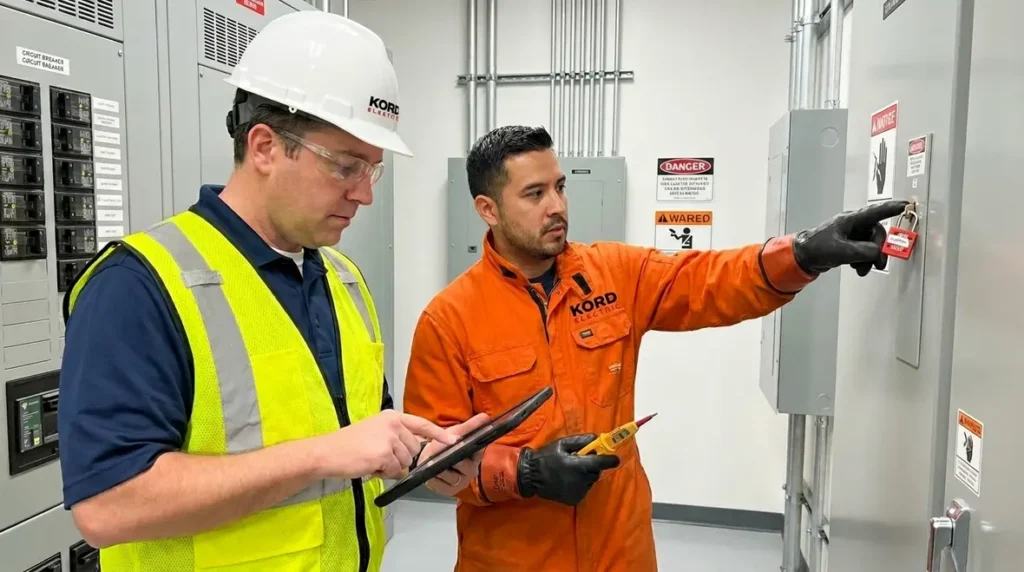
Kord Electric builds long term value through commercial electrical preventive maintenance, and we start with a simple goal. We help commercial and industrial facilities prevent costly surprises before they happen. In our experience, a proactive program is not a luxury, it is a business strategy. We send expert service staff who know how real systems fail in the field, not just how they look on paper. Then we document what we find, explain what it means, and recommend the next steps with clarity.
When a facility owner waits for a breaker to trip, a transformer to heat up, or a panel to show burn marks, that wait becomes an expensive habit. And yes, we have seen it. It is like saying you will fix the roof after it starts raining inside. Sooner is calmer, cheaper, and safer, and that is why we run preventive maintenance with steady discipline.
Long-Term ROI: how proactive planning pays off
Others may think ROI arrives only after a major repair. We see it earlier, because preventive work changes the whole risk picture. First, commercial electrical preventive maintenance reduces unplanned downtime by catching problems while they are still small. Then it lowers the chance of cascading failures, where one bad component stresses others. Over time, this helps facilities avoid production stops, store closures, and costly emergency dispatches.
Now, let’s talk numbers the way operators actually experience them. When we schedule inspections and testing at sensible intervals, we can identify issues like loose connections, failing terminations, worn insulation, or improper load balance. Those findings lead to targeted corrections. Therefore, the repairs stay routine instead of becoming dramatic and urgent. And when the repair stays routine, costs stay predictable.
Additionally, proactive maintenance often extends equipment life. A motor starter, switchgear section, or distribution panel does not “wear out” like a disposable item. It degrades from stress, heat, and misalignment. When we catch stress signals early, the life span improves. In the long run, that delays capital replacement, and that delays the kind of spending that makes CFOs quietly stare at spreadsheets like they are ghost stories.
Finally, ROI also shows up as compliance readiness. Many building owners and facility managers need proof of due diligence. We help compile a maintenance trail that supports audits and internal risk reviews, which makes decisions easier when insurance questions or safety reviews arrive. For facilities that want to go even deeper, many teams pair preventive programs with focused support for voltage fluctuations in commercial and industrial facilities so their most sensitive systems stay protected.
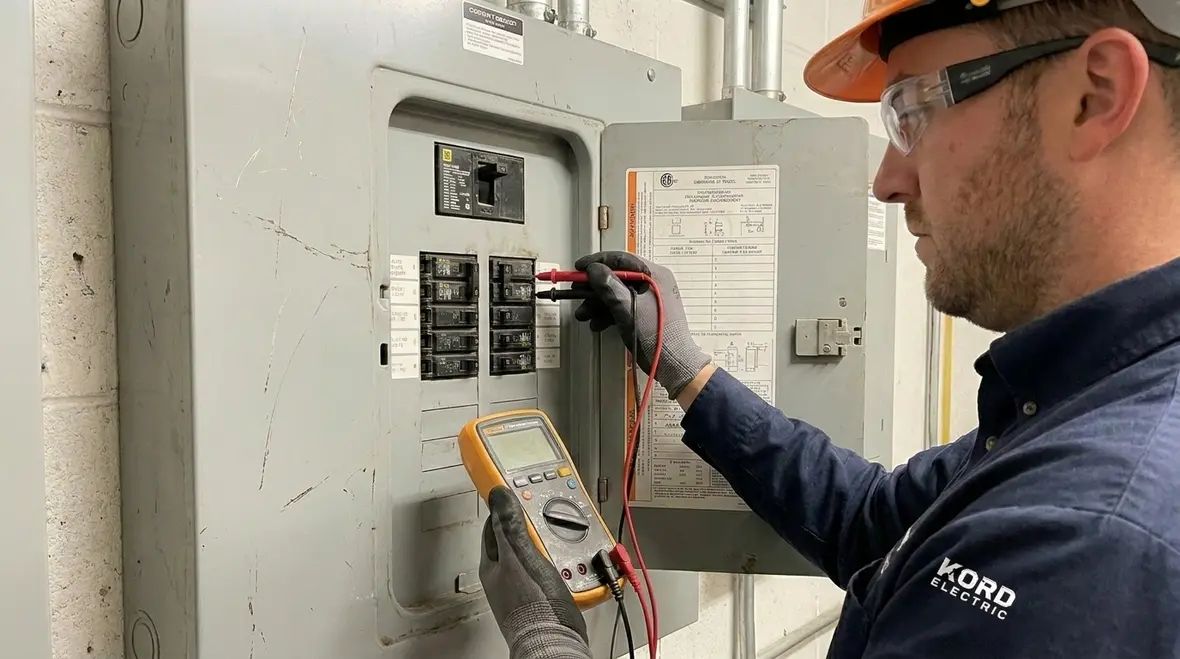
Preventive maintenance protects uptime and margins
For commercial and industrial properties, uptime is not a slogan. It is revenue. So, we design preventive programs to protect critical loads: HVAC systems, lighting circuits, production lines, refrigeration, IT rooms, pumps, and process equipment that keeps the lights on and the operation moving.
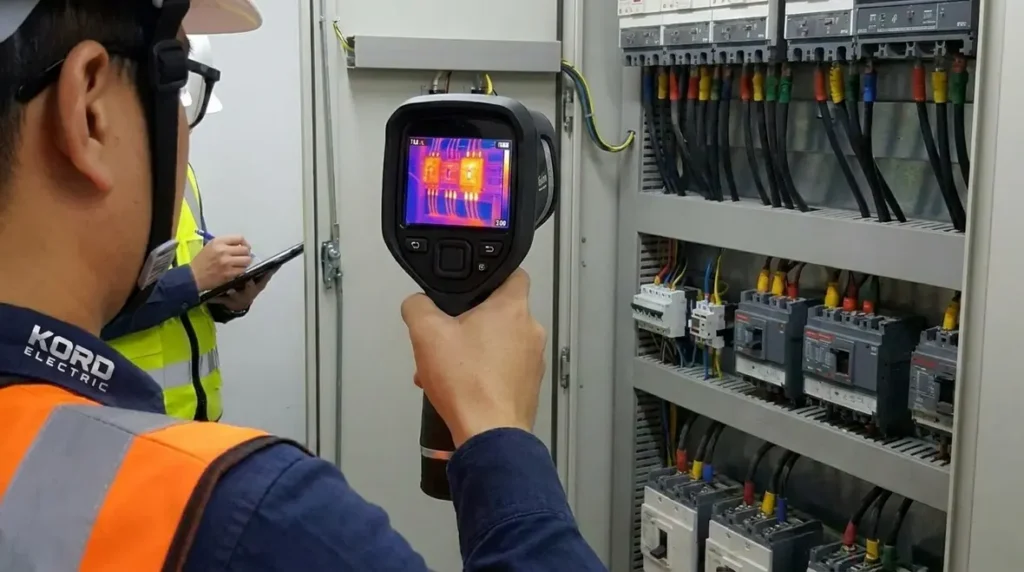
To do that, our technicians follow a systematic approach. They inspect and test based on equipment type, operating conditions, and past history. Then they focus on early warning signs such as abnormal heat, inconsistent voltage readings, and signs of mechanical stress in connections. After that, we recommend improvements that match the way the facility actually runs.
Here is the reality: electrical problems rarely announce themselves with a polite notification. Instead, they develop. A loose lug heats under load. A small arc leaves residue. Over time, that residue builds. Meanwhile, the building keeps running, until it does not. By addressing the beginning of the issue, we help prevent the “sudden failure” timeline that hits budgets hardest.
Also, predictable maintenance improves labor planning. When others scramble for emergency electricians, schedules get chaotic. As a result, labor becomes more expensive, and downtime becomes longer. In contrast, our planning lets your team coordinate shutdown windows and inventory. Therefore, the facility stays stable, and operations keep their rhythm.
Voltage fluctuations: a key driver of wear in commercial systems
In many buildings, the real story hides behind voltage instability. When voltage fluctuates, equipment works harder to maintain performance. Over time, that extra stress reduces efficiency and accelerates aging. If you manage a commercial or industrial site, you already know this can show up as equipment overheating, nuisance trips, or inconsistent performance from motors and drives.
We break down voltage-related risk using our technical guidance for commercial and industrial facilities, including the common causes and what to watch for in real systems. For example, voltage fluctuations can come from upstream issues, uneven loading, loose connections, or aging components. Furthermore, sensitive equipment like controls, drives, and certain power supplies reacts faster to instability.
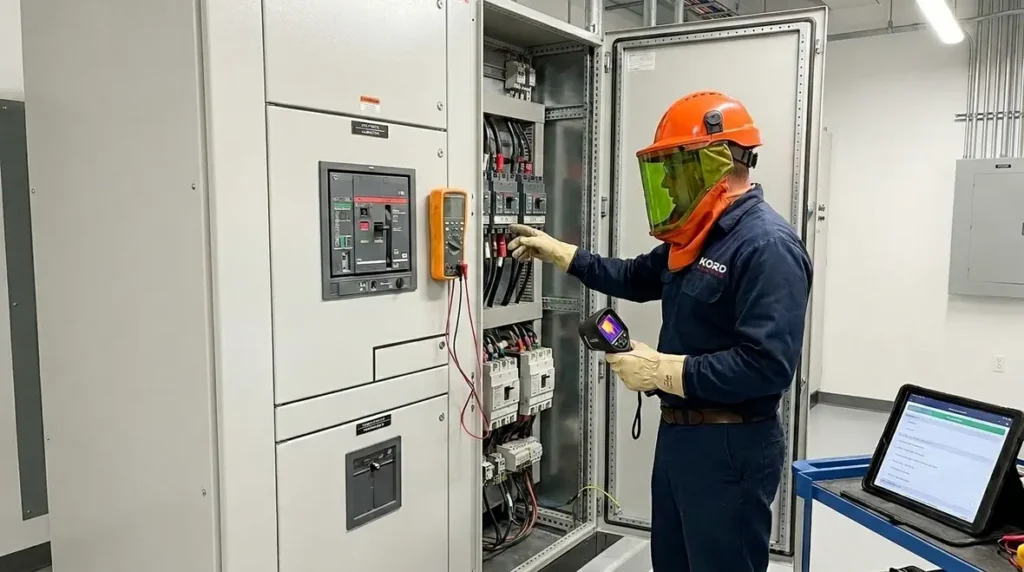
Here is where our commercial electrical preventive maintenance creates value. We do not just “look at panels.” Our technicians evaluate conditions, then they connect observed symptoms to likely causes. Then we help you act before the instability turns into accelerated failure. When we measure, inspect, and verify, we transform guesswork into decisions.
And yes, voltage problems can feel like a mystery novel. The building keeps running, then suddenly a critical circuit acts up and everyone reads the last chapter at 2 a.m. Preventive maintenance helps us find the clues earlier, so the plot twists do not ruin your week. When voltage issues start showing up more often, many facility teams lean on our dedicated guide to voltage fluctuations in commercial and industrial facilities for deeper diagnostics and long-term fixes.
How our expert service team explains findings and next steps
Some companies send a report and disappear. We do not. Our expert service staff communicates in plain language and a steady tone, because your team has work to do. After each visit, we explain what we found, how it can affect reliability, and what the recommended actions accomplish. Then we help you understand tradeoffs, priorities, and timing.
We also keep the conversation grounded in your facility goals. A warehouse has different risks than a manufacturing floor. A property with high seasonal load may need a different cadence. Therefore, we shape the program around the building’s reality and critical systems.
In addition, we help close the loop. We verify corrections and document the results, so the maintenance plan keeps improving. That is how preventive work stays effective year after year. It also helps your internal team build confidence, because you can see progress instead of receiving vague promises.
When our technicians explain issues, they also explain why they matter. For example, a small overheating sign at a termination may look minor at first. Yet that sign can predict a future failure point. So instead of treating symptoms, we guide solutions at the root.
Budgeting for ROI: plan costs, reduce surprise spend
One reason preventive maintenance sells poorly is that people compare it to one-time repairs. We understand that view. However, we help commercial and industrial building owners reframe the decision. Preventive programs shift spending from emergency repair to planned correction. That shift protects cash flow and reduces risk spikes.
So, we build maintenance recommendations that align with system criticality. Critical distribution equipment receives closer attention. Less critical circuits still get scheduled checks, but the priority follows business impact. This approach prevents the “pay for everything, everywhere, all at once” model that wastes budget.
Also, we consider your operational constraints. If a facility cannot shut down certain systems, we plan around that. Meanwhile, we propose options that maintain safety and continuity. Therefore, budgeting becomes smarter, not just larger.
Over time, the ROI improves because the facility’s electrical health becomes more stable. Less instability means fewer repeat failures. Less repeat failure means fewer emergency service calls. That is the kind of ROI you feel, not just calculate. Many facilities combine this planning mindset with structured electrical preventive maintenance programs, so budgeting lines up with documented inspection and testing schedules.
What a quality program includes and why it matters
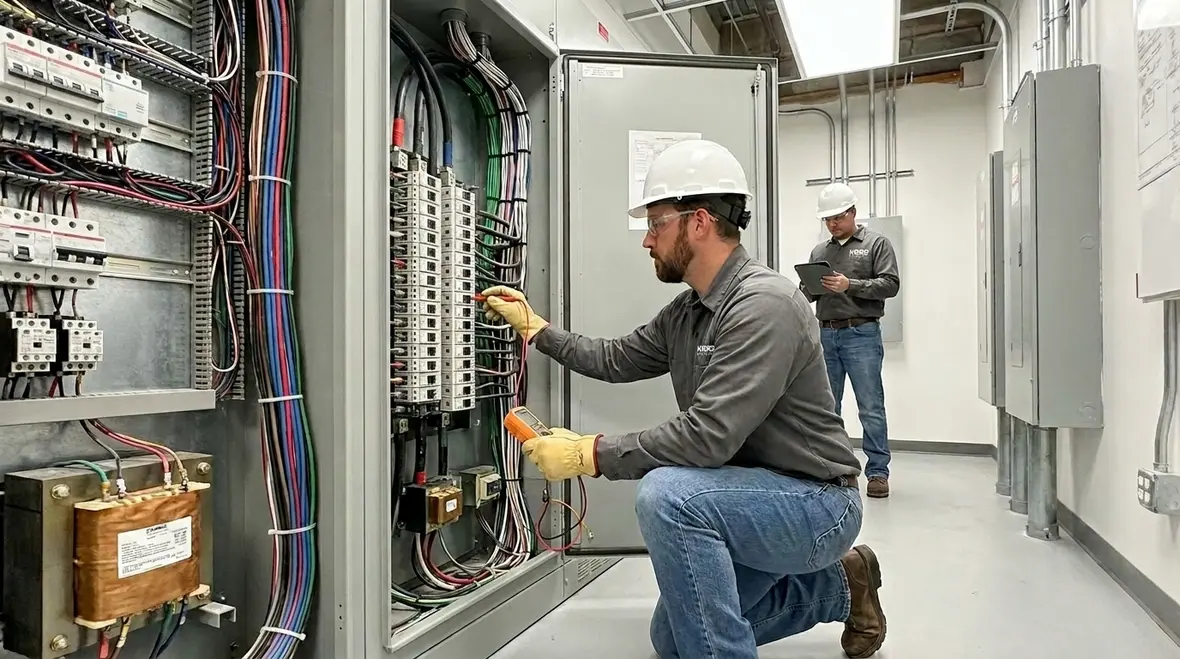
A strong commercial electrical preventive maintenance plan covers both inspection and verification. We look for visual warnings and test for performance. Then we connect the findings to actionable recommendations. This includes work on distribution panels, switchgear areas, motor control systems, grounding and bonding paths, and key power delivery components.
In many facilities, we also evaluate system stress linked to load changes. As occupancy and production schedules shift, electrical loading changes too. Therefore, a program that only runs once a year often misses the real stress cycle. We help you define the cadence based on usage, equipment type, and operating hours.
Additionally, we emphasize safe, documented practices. Preventive maintenance is not only about the next repair. It is about reducing hazards like damaged insulation, unsafe connections, or deteriorating components. When we treat safety as a daily standard, reliability follows.
Most importantly, we aim for continuous improvement. We gather history from each visit, track patterns, and adjust recommendations. When one asset repeatedly shows early warning signs, we identify whether it needs recalibration, tightened connections, component replacement, or operational changes. That is how the program stays aligned with real electrical behavior, not just a template.
FAQ
Ready to turn electrical risk into stable ROI?
If you manage a commercial or industrial facility, we help you move from reactive repairs to a plan that protects uptime, budgets, and equipment life. Kord Electric builds commercial electrical preventive maintenance programs that fit your loads, your schedule, and your priorities. Our technicians and expert service staff explain findings in plain language, so your team can act with confidence. If you want fewer surprises and more predictable operations, contact us today. Let’s make your electrical system feel boring in the best way.
To see how maintenance connects to broader planning, many facility leaders also review our insights on topics like hidden electrical risks in commercial buildings and NFPA 70B electrical panels and switchgear maintenance. And when you are ready to turn planning into action, explore our dedicated electrical preventive maintenance services to build a structured, long-term program for your facility.