Commercial Electrical Safety Checklist Maintenance Plan
Why a commercial electrical safety maintenance plan starts with a checklist
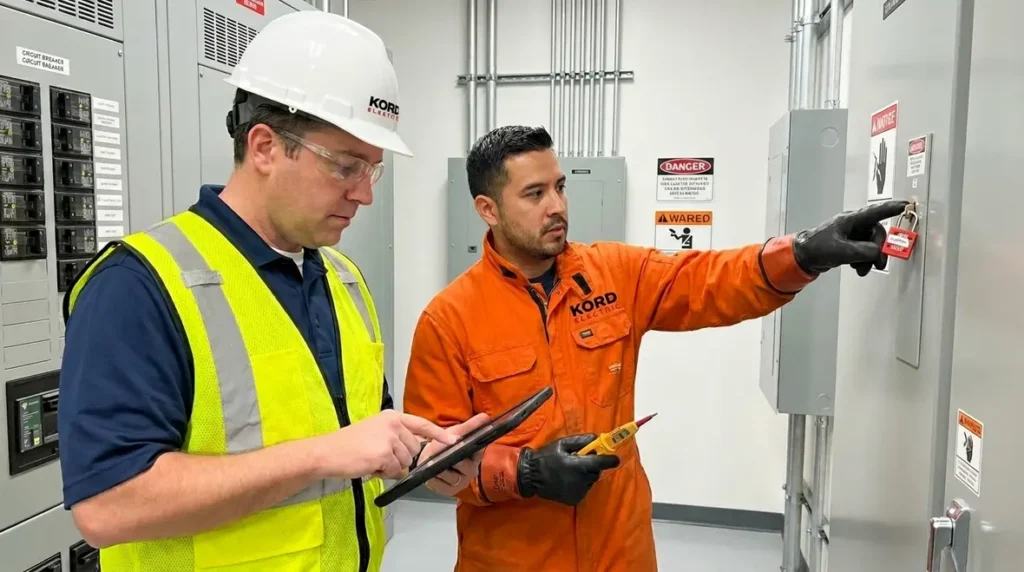
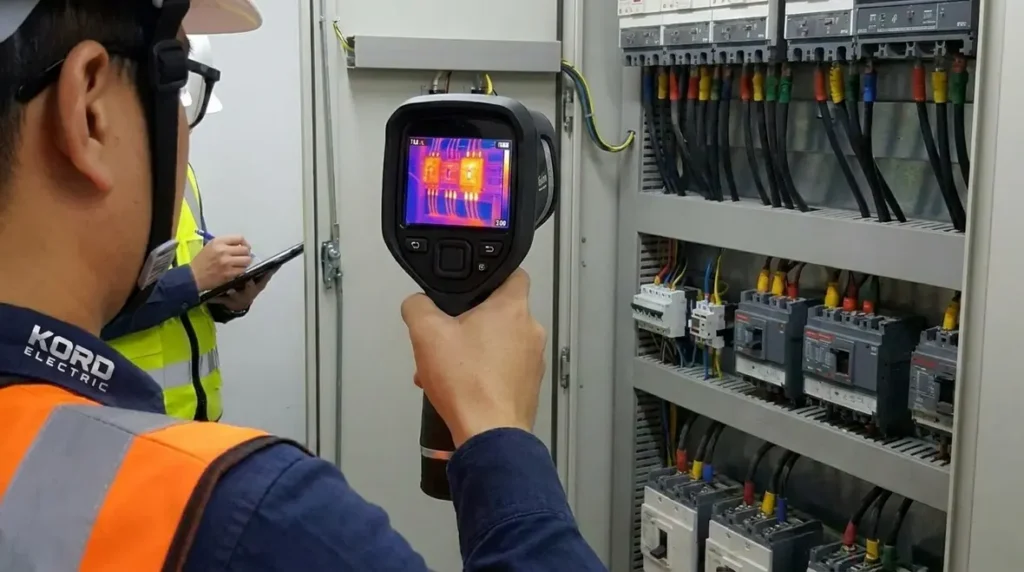
Every commercial and industrial facility has one goal that never changes: keep people working, keep operations running, and avoid the kind of electrical problems that turn a normal day into a “call someone, now” moment. That is why Kord Electric leans on the commercial electrical safety checklist as the first step of our maintenance approach. Within the first few site visits, we confirm the same essentials again and again: inspection of panels and circuits, verification of grounding and bonding, checks for overheating and loose connections, testing of GFCI and AFCI where required, and a review of emergency power and life safety connections. Then, we document what we find and schedule what needs fixing.
And yes, we do laugh a little at the idea that electricity “just behaves.” Electricity does not behave. It negotiates. Poorly.
How our technicians use the checklist without turning it into paperwork theater
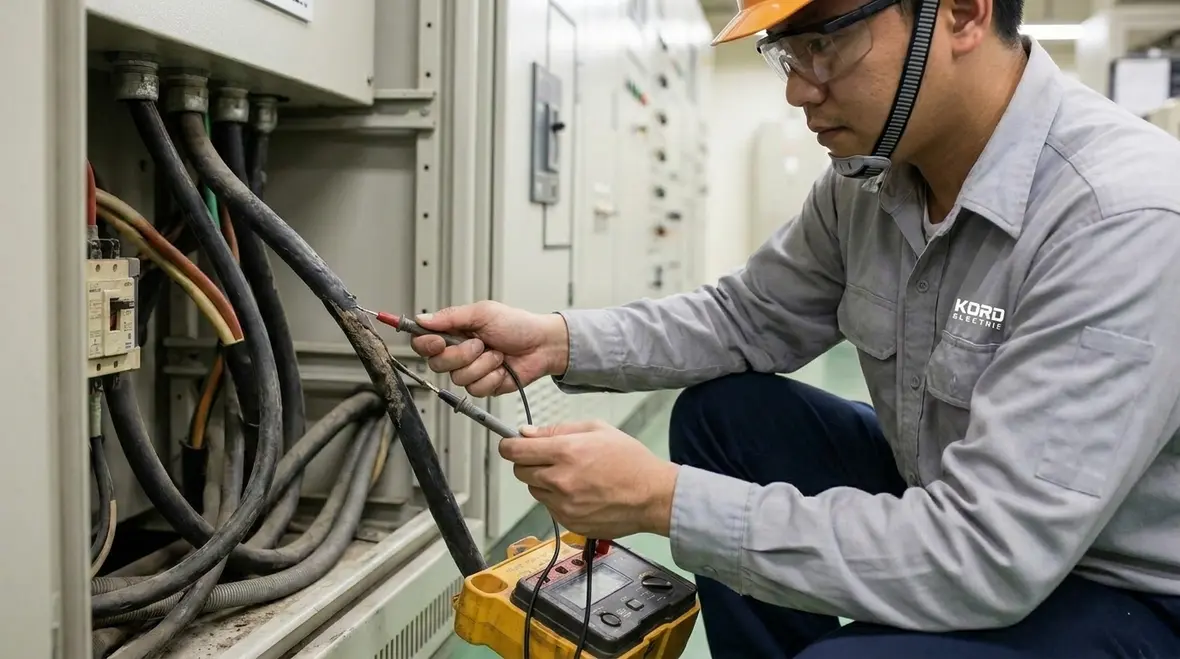
Our technicians and expert service staff do not treat the maintenance checklist like a box to check for a photo op. Instead, we use it as a practical field guide that drives decisions. First, we walk through the facility like we are responsible for the outcome, because we are. Then, we match what we observe to the checklist items, and we prioritize the risks that can affect workers, equipment, and uptime.
For example, when we find signs of heat damage at a breaker or lug, we do not stop at “tighten and move on.” We evaluate the load history, look for patterns, and verify torque and connection integrity. Next, we confirm upstream and downstream protection coordination so the circuit clears correctly during a fault. That sequence matters, because a system that trips unpredictably is a system that trains people to reset it early, often, and incorrectly. Nobody wants that lesson to come from smoke.
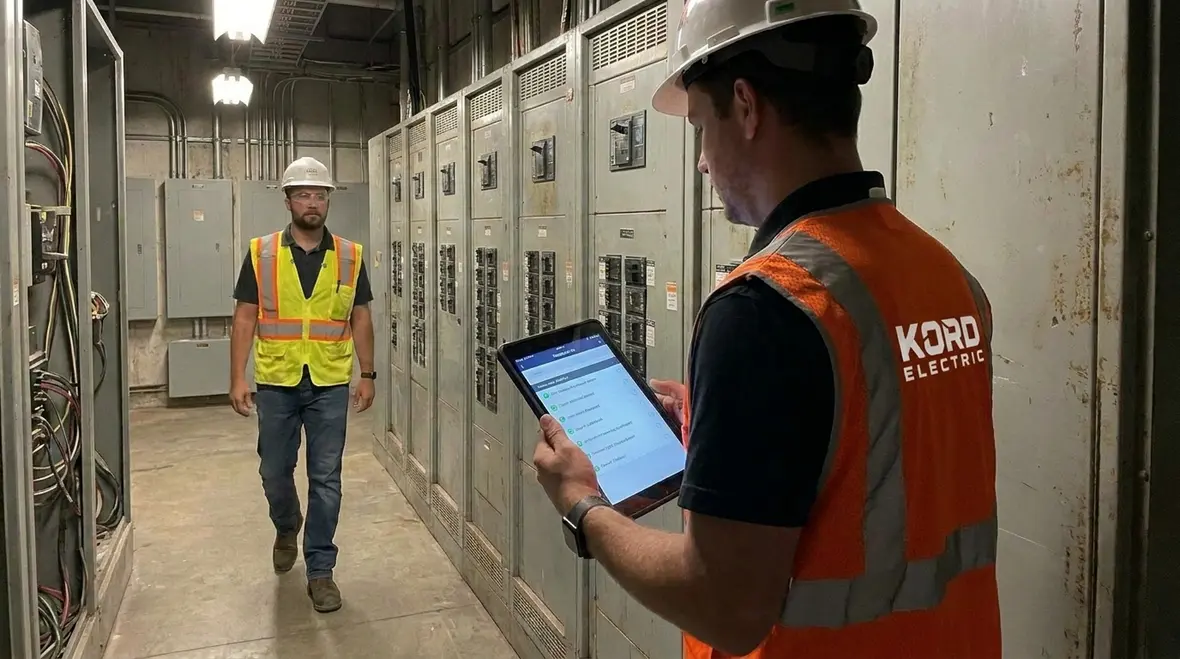
Inspection points that matter most for commercial panels, feeders, and distribution
When people picture electrical maintenance, they often think about the obvious stuff, like outlets or lighting. However, for commercial and industrial spaces, the big risks live in the power backbone. Kord Electric focuses on the commercial electrical safety checklist items that keep panels, feeders, and distribution equipment healthy under real use.
Here is what we emphasize during our service visits:
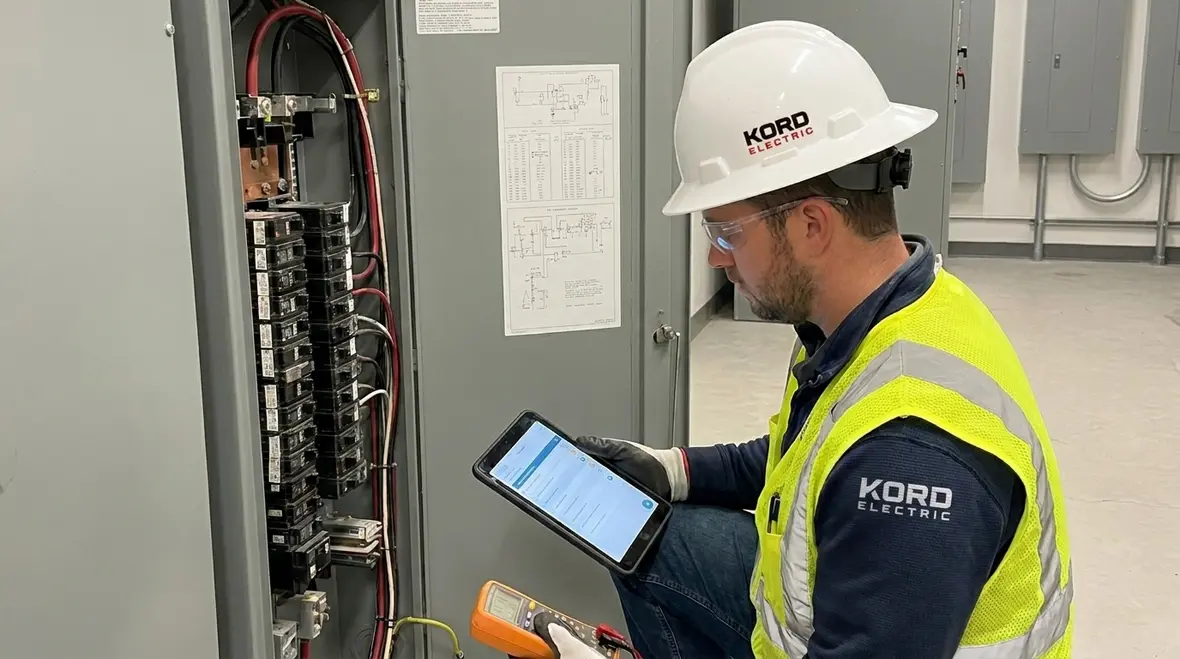
- Panel condition: we look for discoloration, corrosion, moisture intrusion, and damaged bus bars
- Connection integrity: we inspect for loose or overloaded conductors, then we verify terminations and torque where appropriate
- Overcurrent protection: we check labeling, breaker type, and trip characteristics to confirm protection works as designed
- Load balance: we evaluate phase balance in multi phase systems so one phase does not carry the whole workload like it has extra homework
- Identification and accessibility: we confirm proper labeling and safe access to equipment, because “we will get to it later” becomes “we never did”
And once those checks happen, we keep moving. We connect the findings to operational reality: what equipment runs, when demand peaks, and how the facility handles maintenance windows. That is where the safety checklist becomes more than safety. It becomes planning.
Testing and verification that reduce downtime, not just risk
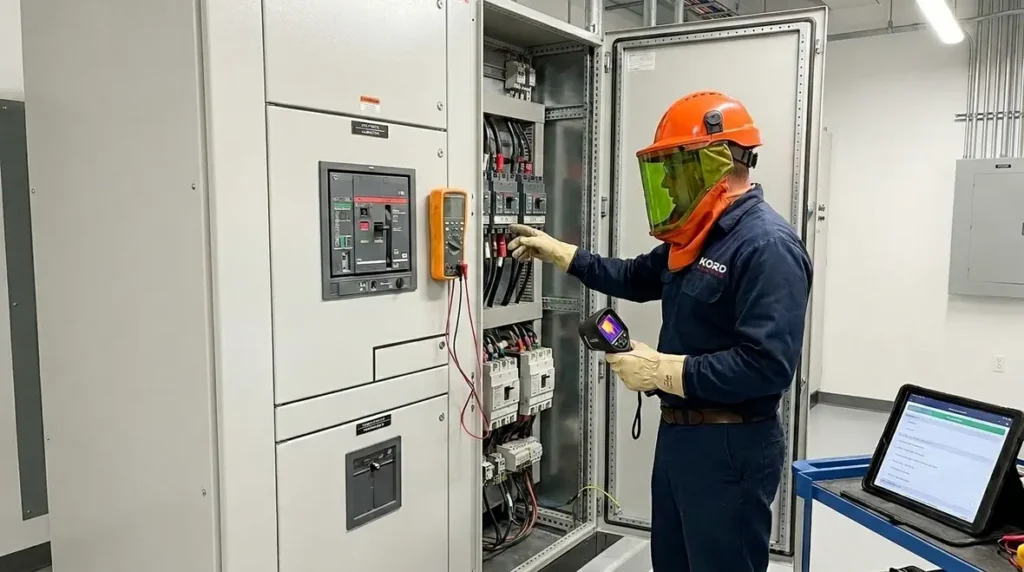
Commercial electrical safety is not only about preventing shock. It is also about preventing failure that shuts down operations. So we verify performance, not merely appearance. Our approach combines targeted testing with visual inspection so we catch hidden problems early.
Common test and verification steps we include in the commercial electrical safety maintenance workflow include:
- Continuity and grounding checks: so protective paths work when they must
- Insulation resistance testing: to identify insulation breakdown before it turns into a real event
- GFCI and AFCI verification: to confirm these devices perform as required in applicable areas
- Operational checks: we test key circuits under normal loads, then we confirm emergency and life safety functions on scheduled systems
Then we document results in a way that helps decision makers act quickly. That documentation also supports smarter budgeting. If you track issues early, you avoid the “we will replace everything” trap that can follow a sudden failure. In many cases, planned fixes cost less than emergency repairs, and planned repairs protect production schedules.
Speaking of cost, Kord Electric has discussed how rewiring decisions affect commercial electrical system budgets. The main takeaway from our rewiring cost guidance for commercial electrical systems is that the timing and scope of work can shift the total number fast. We see the same theme here: maintenance and testing help you choose the right scope, instead of the most expensive reaction.
Thermal and moisture risks: the quiet threats in real buildings
If you want a commercial electrical safety checklist that does not miss the obvious, you check the visible parts. If you want one that catches the dangerous surprises, you also watch for conditions that quietly degrade equipment. In major property buildings, warehouses, manufacturing, and facilities with variable environments, two issues show up again and again: heat buildup and moisture intrusion.
Here is how we address those risks in a practical way:
- Overheating indicators: we investigate hotspots, damaged insulation, and abnormal wear at terminations
- Ventilation and cooling: we confirm equipment spaces have proper airflow and clearance, because trapped heat does not respect labels
- Moisture and condensation: we inspect seals, enclosures, and entry points where water can creep in slowly, like a plot twist
- Environmental exposure: we evaluate areas with dust, chemicals, or frequent washdown and verify equipment ratings match reality
Meanwhile, we also talk with building staff about what they notice. If they see recurring breaker trips or smell burning odors near a specific zone, we treat that like data. We then trace it with the checklist items, verify the circuit behavior, and reduce repeat calls for issues that never fully resolve. In the end, the facility gets both safety and stability.
Emergency power, life safety, and system readiness for the times that matter
For commercial and industrial facilities, “maintenance” means you can count on systems during a bad day. That includes emergency power and life safety-related electrical components. Kord Electric does not treat these systems like optional features. We evaluate readiness, connections, and performance so the facility can respond correctly.
During our maintenance workflow, we review key areas such as:
- Transfer equipment: we verify correct operation and alignment with the facility’s expected response
- Battery backup systems: we check condition indicators and verify that equipment can support the required duration
- Life safety power paths: we inspect routing, termination integrity, and protection where the system depends on correct operation
- Testing schedules: we help facilities plan tests around operations so the building stays ready without forcing constant downtime
In other words, we do not aim for “it worked last year.” We aim for “it will work when it matters.” Electricity does not care about our optimism, but systems can be made reliable through disciplined maintenance.
FAQ: commercial electrical safety maintenance
A calm plan for electrical safety, built for busy commercial buildings
When you treat electrical safety like a repeatable system, your facility runs smoother and safer. At Kord Electric, we use our commercial electrical safety maintenance checklist to guide thorough inspections, targeted testing, and clear next steps for commercial and industrial properties. Our technicians explain what they find in plain language, and we help you choose solutions that protect people and equipment without unnecessary disruption.
For organizations that want this kind of discipline built into the calendar, Kord Electric’s dedicated electrical preventive maintenance services turn your commercial electrical safety checklist into an ongoing program instead of a one-time event. Structured inspections, testing, and reporting help you stay ahead of issues and keep critical systems ready when you need them most.
If your facility spans multiple sites or serves tenants across Los Angeles County, pairing a checklist-driven maintenance plan with regional coverage through Los Angeles County commercial electrical services gives your team a single, reliable partner for inspections, repairs, upgrades, and future projects.
If you want a maintenance plan you can trust, call Kord Electric today and let us schedule a safety focused service visit for your building. The right commercial electrical safety checklist does not slow your operations down; it keeps them moving with fewer surprises and a lot less “call someone, now” energy.