Commercial Electrical Safety Protocols Guide
Commercial electrical safety protocols that keep facilities steady
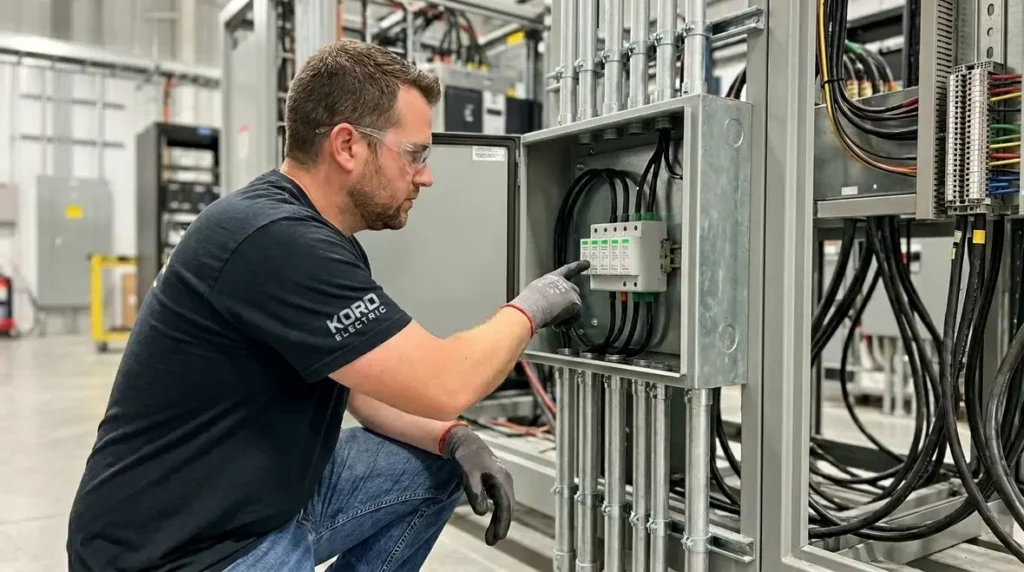
At Kord Electric, we build our work around essential electrical safety protocols for commercial facility management, and we do it with a calm kind of confidence. First, we control access to electrical rooms, we verify lockout and tagout steps, and we treat every energized risk like it is real, because it is. Next, our teams document inspections, we check protective devices, and we plan maintenance so problems show up on our schedule instead of yours. After that, we confirm proper grounding and test systems with a method that holds up under pressure. These commercial electrical safety protocols shape how we protect people, keep operations running, and reduce downtime.
Now, let’s get into the details, because electrical safety is never “set it and forget it.” It is more like a well run playlist. If one part is off, the whole thing sounds wrong. And nobody wants to hear the facility alarm at 2 a.m., unless we are the ones being paid to enjoy that ringtone.
How our technicians apply safe work rules on real jobs
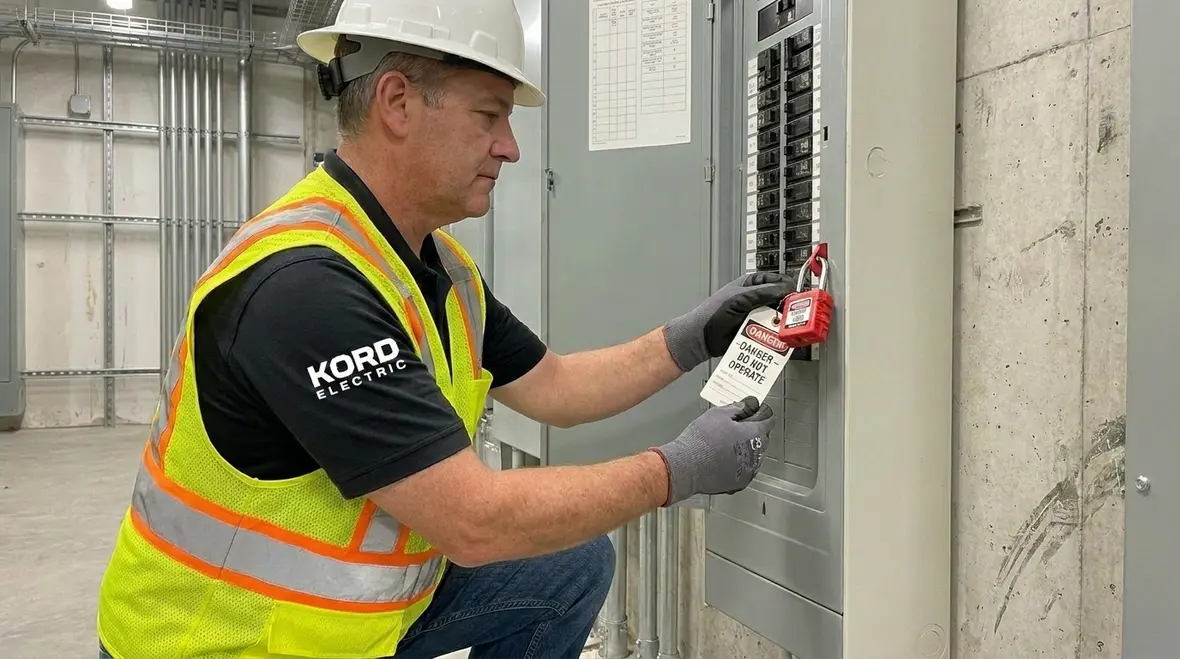
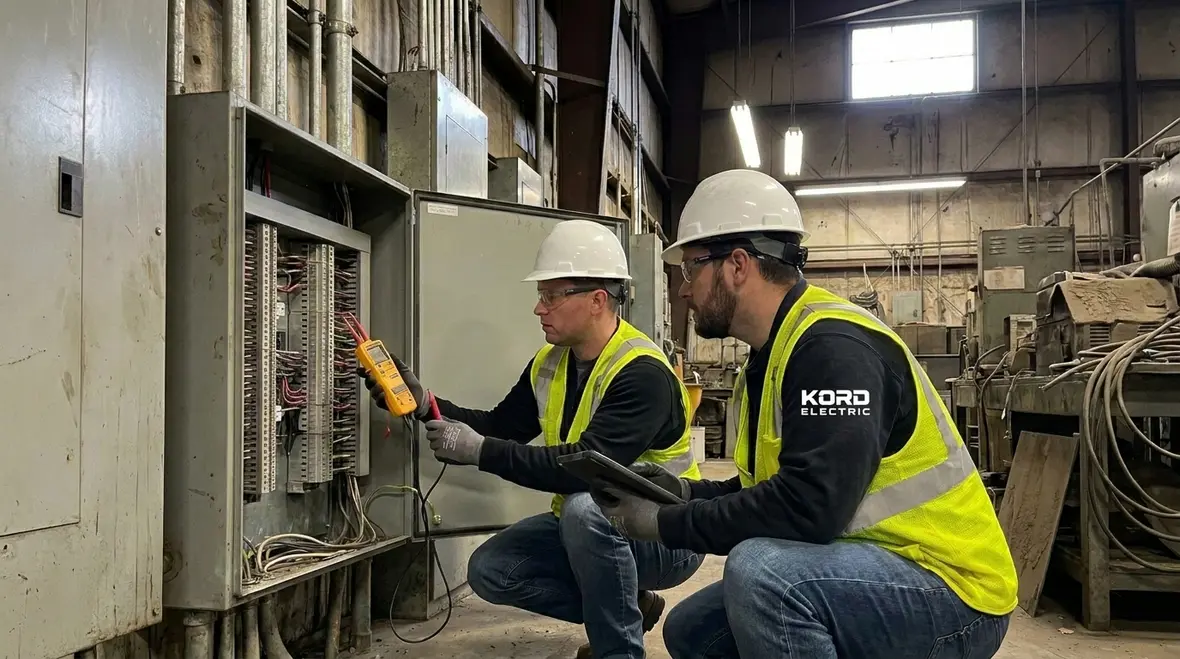
Others can say they follow safety rules. We prove it by applying them consistently in commercial and industrial settings like offices, warehouses, campuses, hospitals, and major property buildings. Our technicians and expert service staff explain the why as they work, and that matters, because awareness prevents repeat mistakes. Additionally, we use a clear, step by step approach before any panel cover comes off.
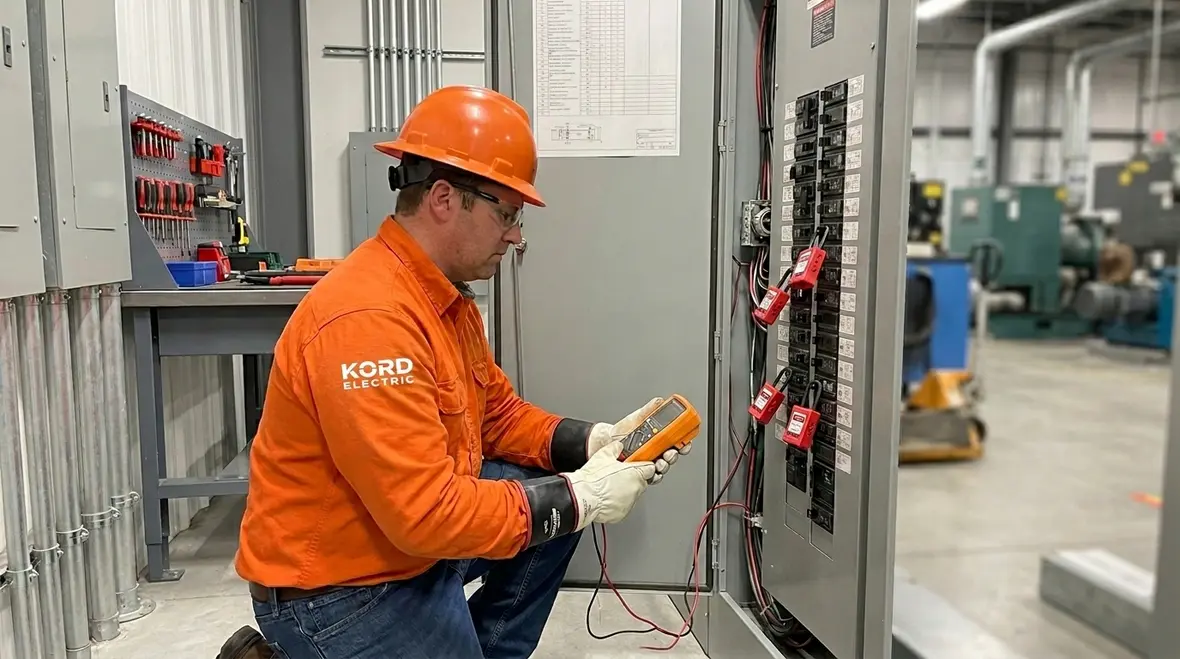
For instance, we begin by confirming the scope of work and the specific equipment involved. Then we verify the power source and use lockout and tagout procedures so the circuit cannot energize unexpectedly. Next, we test for absence of voltage before contact. After that, we keep the work area organized, and we control tools and materials so nothing becomes a surprise conductor. Finally, we re-verify connections and labeling so future maintenance stays safe.
We also teach facility managers and maintenance teams what to watch for. As a result, people know what normal looks like, and they spot changes early. It is like training staff to read the “body language” of the electrical system. And yes, we have seen what happens when someone treats a loose connection like it is a harmless rumor. Spoiler: it never stays harmless.
Safety starts with planning and disciplined maintenance plans
Electrical hazards often grow quietly. However, structured maintenance stops that growth. That is why our service aligns with commercial and industrial electrical maintenance plans, including schedules, documented checks, and clear responsibilities. In fact, a good plan turns safety into a process, not a hope. For a detailed breakdown of how we design those programs, you can explore our dedicated article on commercial and industrial electrical maintenance plans, which pairs perfectly with the commercial electrical safety protocols we use in the field.
Kord Electric reviews site conditions such as load changes, equipment age, and usage cycles. Then we map inspection points to match what matters most, like switchgear, distribution panels, feeders, and critical controls. Also, we consider how facilities operate during peak hours, so downtime stays minimal. Instead of reacting to failures, we plan access windows, coordinate with building staff, and track issues to closure.
In our experience, the best maintenance plan includes more than visual checks. It includes testing and verification that match the equipment type and risk level. For example, we look at protective device performance, conductor condition, and signs of overheating. Then we document findings with clear next steps. Consequently, you get a record that helps with compliance and budgeting, and you avoid the classic scenario where the facility “discovers” a problem only after a shutdown.
Preventing shock and fire in commercial electrical systems
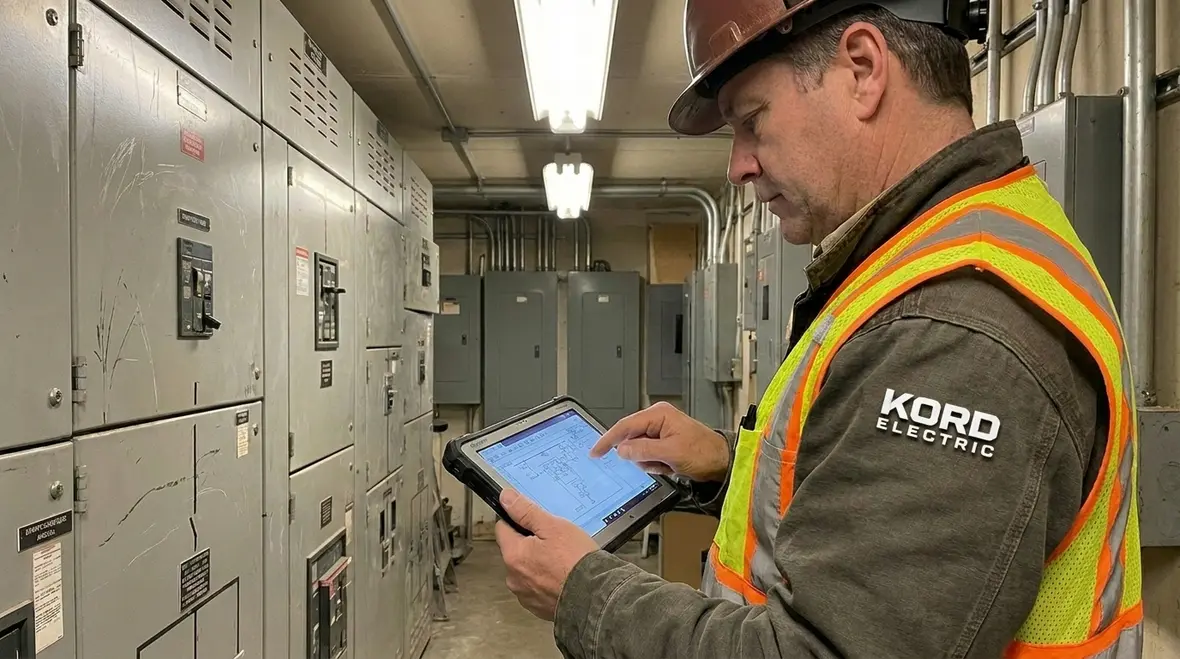
In a commercial facility, electrical safety protocols have two big goals: protect people from shock and protect property from fire. To achieve this, we focus on insulation condition, connection quality, and protective system behavior. Then we address the gaps that allow hazards to start.
First, we check that enclosures stay closed and secured. Open covers can invite accidental contact, especially in shared maintenance spaces. Next, we verify that conductors and terminations are properly torqued and free of damage. Even small looseness can create heat over time, and heat is where ignition begins. After that, we verify labeling and circuit identification so staff can work confidently without guesswork.
For fire risk, we pay attention to symptoms that do not always announce themselves. Moisture intrusion, dust buildup, and corrosion can stress components. Also, poor ventilation around electrical gear can raise temperatures faster than expected. Therefore, we evaluate environmental factors and make practical recommendations. We do not just point at problems and walk away. We explain what causes them and what the next safe step looks like.
Additionally, we coordinate with facility teams to keep access routes clear and to ensure that warning signage stays visible. We have a simple standard: if someone needs to take shortcuts, we treat that as a design issue, not a person issue. Because short cuts in electrical work can turn into long stories.
Safer operations through inspections, testing, and documentation
When people ask us how to improve electrical safety, we usually start with inspections and testing. Then we connect that work to documentation. That is the part many facilities overlook, until they need answers fast.
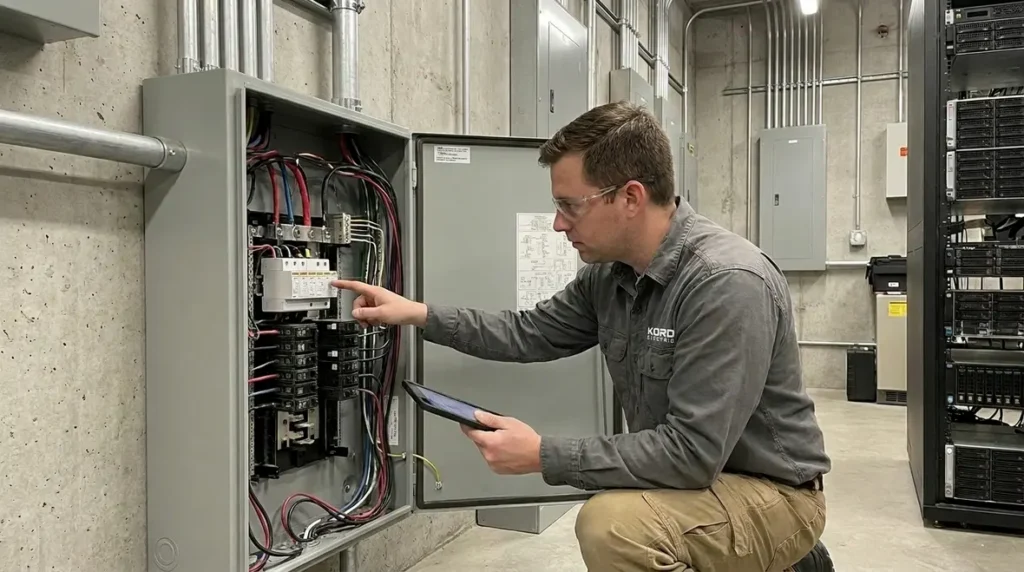
Our technicians perform targeted inspections of key components, and we use testing where it provides real value. For example, we evaluate grounding and bonding paths because these protect equipment and people during fault conditions. We also check protective devices so they trip at the right time and in the right way. After that, we verify that wiring connections, terminations, and bus systems show no signs of overheating or deterioration.
Meanwhile, we maintain clear records that show what we checked, what we found, and what we recommend. This helps facility management plan budgets and respond quickly when issues appear. Moreover, documentation supports consistent handoffs between contractors, in house staff, and property teams. That continuity matters in major property buildings where ownership and maintenance responsibilities can shift.
We also help others understand what test results mean in plain language. You do not need an engineering degree to grasp priorities. You need context. So we explain the difference between “monitor closely” and “address now,” and we tie each item back to safety and operational risk.
Responding to electrical faults without turning chaos into a plan
Even with strong safety protocols, faults can happen. Therefore, we prepare facilities for what to do next. When an alarm triggers, or when a breaker trips repeatedly, the goal is not to guess. The goal is to respond with controlled steps that prevent further damage and keep people safe.
First, we isolate affected equipment and verify that it is safe to approach. Then we use diagnostic checks to identify the likely cause, such as overload conditions, insulation breakdown, or protective device issues. After that, we address the root problem, not just the symptom. Finally, we confirm safe operation before returning the system to full service.
Our expert service staff also helps facility teams create a response checklist that fits their building. That checklist supports consistent actions across shifts. Also, it reduces the temptation to “reset and hope.” Resetting can be fine when it is part of a safe procedure, but it should never replace troubleshooting. In other words, we do not just silence alarms. We fix the reason the alarm kept talking in the first place.
For facilities that want a dedicated partner when faults do escalate, our emergency electrical services team stands ready to respond, stabilize systems, and restore power while keeping your commercial electrical safety protocols front and center.
FAQ: commercial electrical safety and maintenance
Choose Kord Electric for safer commercial operations
If you manage a commercial or industrial facility, you deserve electrical work that feels organized, thorough, and calm. We help you apply essential electrical safety protocols through structured maintenance plans, disciplined inspections, and expert service explanations that your team can use. Reach out to Kord Electric and we will review your current setup, identify safety gaps, and map next steps that reduce risk and downtime. Let’s keep your systems reliable and your people protected, starting now.
For facility leaders coordinating work across multiple locations, our broader Los Angeles County commercial electrical services offering connects these commercial electrical safety protocols with project work, upgrades, and ongoing support, giving you one partner for both day to day reliability and long term system improvements.