Commercial Electrical Safety Risks and Prevention
Commercial buildings run on electricity the way a city runs on coffee: constant, powerful, and mostly invisible until it causes trouble. And yes, commercial electrical safety risks do show up fast when systems age, loads change, or maintenance gets rushed. In our experience at Kord Electric, common problems include overloaded panels, faulty grounding, damaged wiring, unsafe lockout tagout practices, and water intrusion that turns normal equipment into a hazard. Fortunately, others do not have to “learn the hard way.” With the right inspections, testing, and field habits, we help facilities reduce risk and keep operations stable. Meanwhile, our technicians and expert service staff explain what they find in plain language, so decision makers can act without guesswork.
Common commercial electrical safety risks in day to day operations
When we walk through warehouses, retail centers, office towers, and industrial plants, we notice the same patterns. First, electrical systems often carry more load than their original design assumed. Next, vibrations and heat weaken connections over time. Then, moisture and dust quietly work their way into enclosures. Finally, staff sometimes treat safety rules like optional upgrades, when they should be treated like the building’s seatbelt.
Here are the most frequent commercial electrical safety risks we mitigate in the field:
- Overloaded circuits and panels that overheat conductors and damage breakers
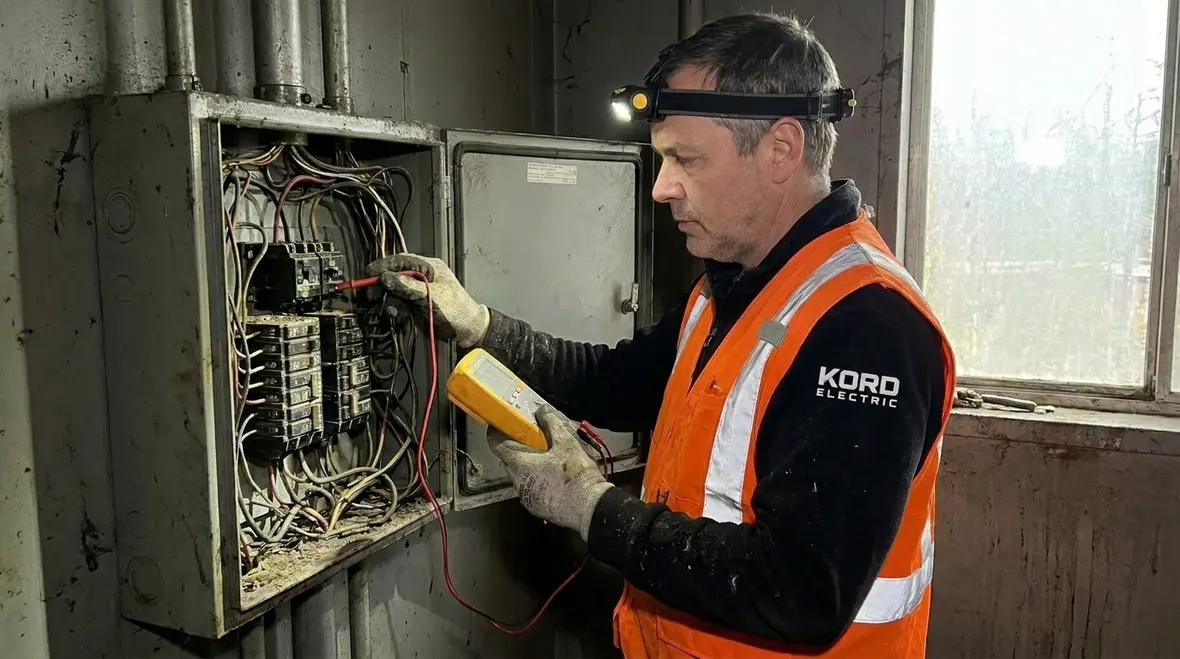
- Loose, corroded, or improperly terminated connections that create arcing
- Insulation breakdown from age, heat, or physical damage
- Inadequate grounding and bonding leading to shock hazards and equipment damage
- Missing or weak lockout tagout during maintenance that exposes people to live parts
- Water and contamination intrusion into panels, receptacles, and motor control gear
And just like a pop song stuck on repeat, these issues usually start small. However, they escalate when someone keeps “making it work.” That is why we focus on prevention first, not just repairs after the smoke show.
Why electrical hazards grow in commercial and industrial spaces
Commercial and industrial facilities change more often than people realize. Tenants remodel. Production lines add equipment. HVAC systems cycle harder in extreme seasons. Yet the electrical infrastructure may not get the same attention as the new machines. As a result, the risk profile shifts.
In many cases, risk grows in three steps. First, the building experiences “temporary” power changes that become permanent. Second, maintenance is scheduled on a calendar instead of based on actual conditions like heat signatures, breaker trips, and insulation test results. Third, the facility relies on quick fixes that do not address root cause.
Our technicians approach it differently. They connect field evidence to safe decisions. For example, if we find repeated breaker nuisance trips, we do not just swap a device and move on. Instead, we assess load history, connection integrity, and protective device settings. Then we explain the findings clearly, because nobody should need a decoder ring to understand their own panel.
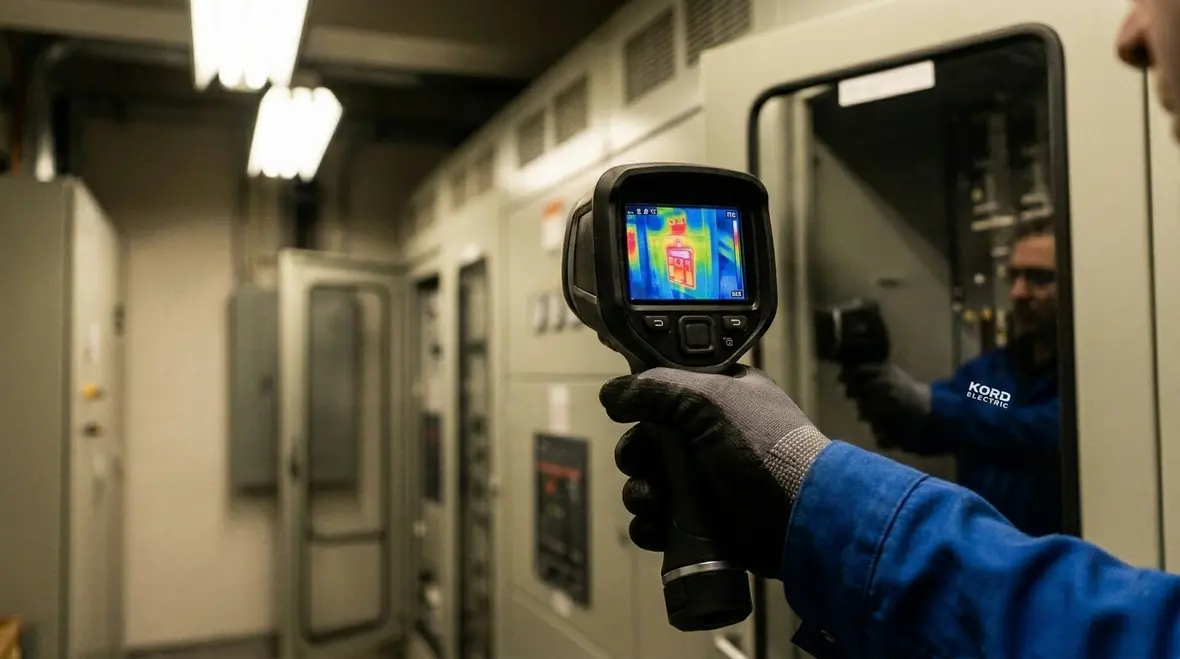
Panel and breaker safety: stop heat and arcing before they start
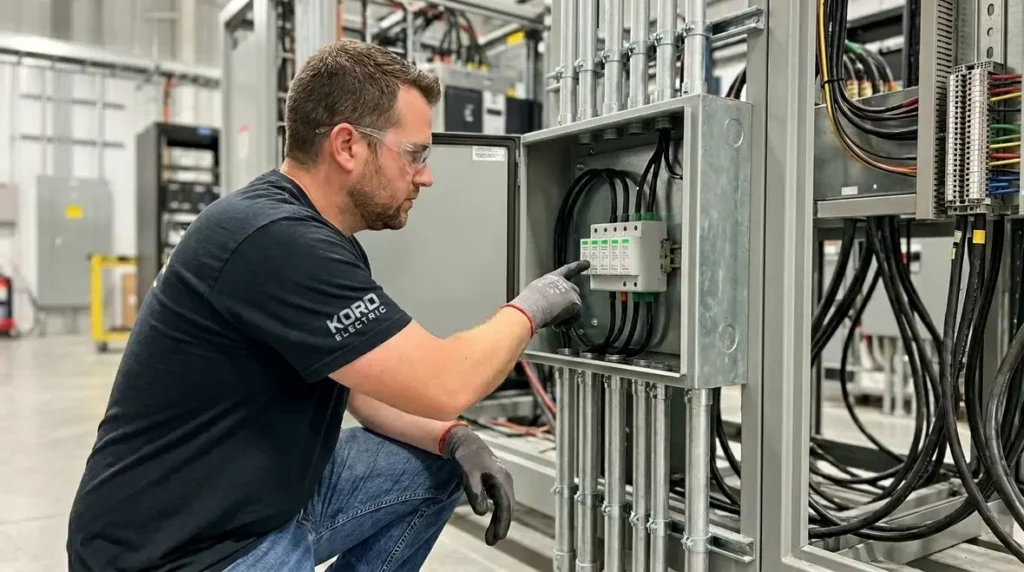
Panels and breakers are the heart of commercial distribution. When those components fail, the consequences can be fast and expensive. Heat and arcing often start with simple issues like loose terminations, damaged bus connections, or corrosion inside enclosures. Then the problem spreads, because once a connection loosens, resistance increases and temperatures rise.
To mitigate commercial electrical safety risks at this level, we recommend a layered approach:
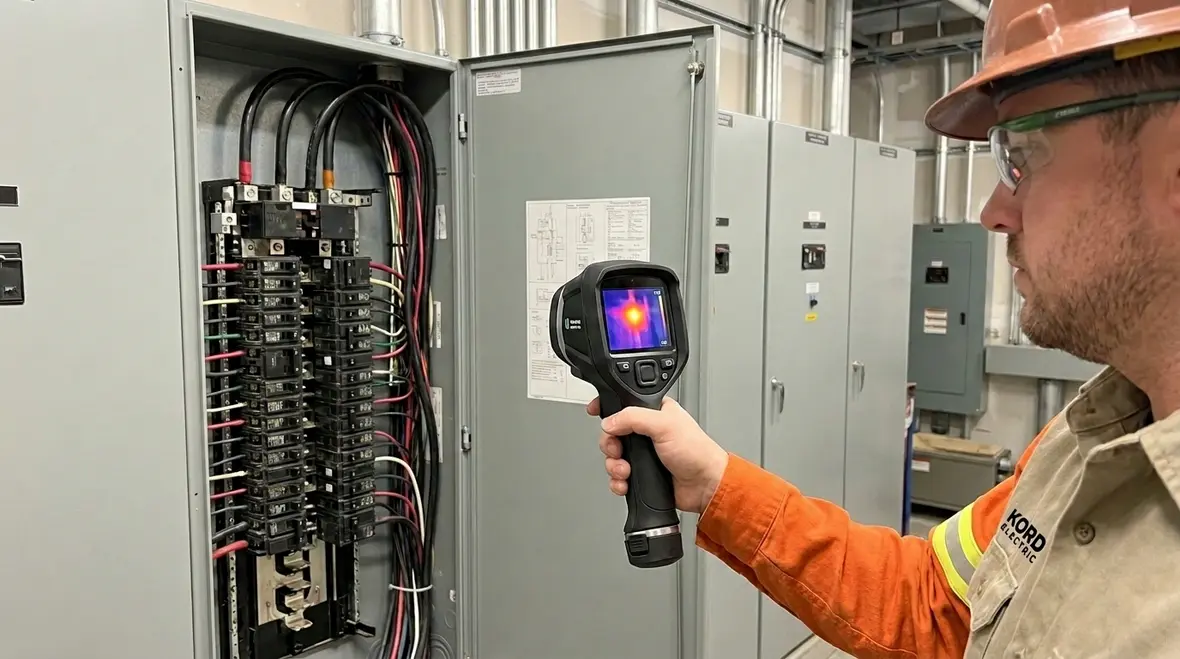
- Thermal inspections to spot hot spots before they become failures
- Mechanical checks for torque integrity on lugs and terminations
- Inspection for contamination such as dust, moisture marks, or signs of water entry
- Verification of protective device coordination so breakers protect conductors and equipment
- Labeling and directory updates so staff can respond accurately during service calls
We also help facilities understand what “normal” looks like. For instance, a breaker may feel warm during peak operation, but it should not be hot enough to cook wiring insulation. Meanwhile, if thermal images show consistent hotspots on specific phases or specific breakers, we can trace the issue to the connection or the load path.
Grounding, bonding, and GFCI: the safety net people forget
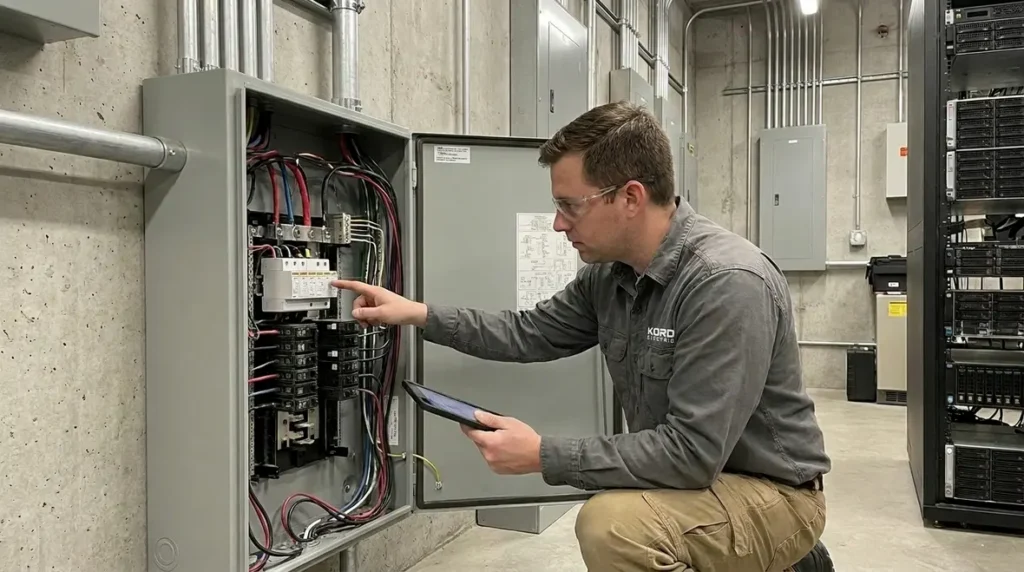
When companies think about shock risk, they often focus on visible damage. Yet grounding and bonding quietly shape whether a fault becomes a dangerous shock or a controlled condition that protective devices clear. In larger facilities, ground faults can travel across equipment frames and metal raceways, creating risk in places that look “fine.”
To mitigate commercial electrical safety risks, we verify systems that prevent unsafe voltage on non current carrying parts. That includes:
- Grounding conductor continuity from service equipment through feeders and branch circuits
- Bonding of metal parts such as conduit, panels, and equipment frames
- GFCI and AFCI function testing where applicable to the facility type and use
- Inspection of connections for corrosion, looseness, and paint barriers that can defeat bonding
Additionally, our expert service staff explains why these checks matter in real terms. If grounding is weak, a person can become the path during a fault. If bonding is incomplete, current can energize metal enclosures. In other words, the building might “look safe,” but safety depends on paths we cannot see without testing.
Here is where our process helps. We bring documentation, test results, and field notes into one clear package, so others can schedule the right corrective work instead of guessing. Because in commercial and industrial work, guesswork is just expensive suspense.
Lockout tagout and arc flash readiness for maintenance teams
No safety plan survives contact with live equipment unless the plan gets used. Lockout tagout and arc flash readiness matter because maintenance work is where hazards collide with human speed and human assumptions. People move faster than procedures, especially when production is running.
We support facilities with practical steps that strengthen safe work:
- Clear isolation steps for each piece of equipment, not vague “turn it off” instructions
- Verification of zero energy before work begins
- Proper labeling so crews know which circuits and gear they actually isolated
- Arc flash labeling and protective boundaries so workers use the right gear and stay in the safe zone
- Training refreshers that match the site’s actual electrical layout
As we explain on site, lockout tagout is not a paperwork ritual. It is a chain of actions that stops current from flowing where it should not. And if arc flash readiness is ignored, a small fault can become a high energy event. Others often describe arc flash as “unlikely,” right up until it is not.
Moisture, dust, and enclosure protection in real commercial environments
In retail spaces, warehouses, and industrial buildings, water and dust do not behave politely. Cooling systems condense moisture. Washdown areas splash water. Leaks from roof penetrations and plumbing find electrical rooms like a bad habit. Then the enclosure rating and sealing quality decide whether the equipment survives.
Our technicians look at enclosure integrity with real eyes. They check seals, gaskets, gland plates, and cable entry points. Also, they inspect for corrosion and signs of water trails on panel interiors. When we find weak points, we recommend fixes that match the facility’s use, including better sealing methods, improved drainage where appropriate, and verified cable routing.
To keep this practical, we include a simple evaluation of “where water can go” and “how the equipment is protected.” This reduces the chance that moisture becomes the silent driver behind insulation breakdown and unexpected trips.
How Kord Electric reduces risk with inspections, testing, and documentation
Risk reduction is not one service call. It is a system. At Kord Electric, we coordinate inspections, testing, and corrections in a way that supports facility uptime. First, we identify hazards and prioritize them by impact and urgency. Next, we schedule work to reduce disruption to operations. Then we document results so your team has the proof and the plan.
To make it easier for others to follow, we organize findings in a way that decision makers can act on quickly:
Field Findings and what we verify
Safety Outcome and how it lowers shock and fire risk
Action Plan with recommended timing for repairs and upgrades
Because when we share results, we do not talk like a textbook. Our expert service staff explains the “why,” the “what,” and the “next steps.” And if a facility needs a phased approach, we help map that path so they can improve electrical safety without shutting the lights off for a month. Nobody needs that kind of excitement.
For facilities that want structured, ongoing inspections instead of one-time fixes, Kord Electric’s electrical preventive maintenance programs create a clear roadmap for identifying commercial electrical safety risks before they escalate.
And because many of these risks live behind walls and inside gear, this article also pairs well with their guide on hidden electrical risks in commercial buildings, which digs deeper into how unseen problems develop over time.
FAQ
Call Kord Electric for a safer electrical program
If a facility wants fewer interruptions and safer work sites, it needs more than reactive repairs. Kord Electric builds practical electrical safety plans for commercial and industrial properties, focused on inspections, testing, and clear documentation. Our technicians and expert service staff explain what we find and what to fix first, so your team can act confidently. Contact us today to schedule an assessment and reduce commercial electrical safety risks before they become downtime or danger.
For facility leaders across the region, a strong safety approach pairs naturally with reliable service coverage. If your property is located in Los Angeles and surrounding communities, explore how Kord Electric’s Los Angeles County electrical services support commercial and industrial operations with code-compliant installations, upgrades, and troubleshooting.
Whether you are planning a targeted upgrade or building a full preventive maintenance program, Kord Electric can help align testing, documentation, and repairs so your electrical system supports the way you actually operate today.