Commercial Electrical Troubleshooting Guide for Facilities
Kord Electric uses a practical commercial electrical troubleshooting guide to help facilities get safe power back fast. In our first steps, we confirm the complaint, document conditions, and check basics like panel labeling and breaker performance. Then we follow the guide through inspection, isolation, testing, and verification, so issues do not bounce around like a loose Roomba on a bad day. Our experienced technicians also explain what they find in plain language, so building managers and operations teams understand the “why,” not just the “what.” This article walks through the same essential troubleshooting steps we use for commercial and industrial facilities and major property buildings.
Common symptoms in commercial power systems
Others call it an electrical “mood swing,” but we treat it as a pattern. When a facility reports problems, we start by matching the symptom to likely electrical causes. For example, flickering lights often points to loose terminations, unstable incoming voltage, or overloaded circuits. Meanwhile, nuisance trips on a panel can suggest an equipment fault, moisture intrusion, or insulation breakdown. If equipment fails under load, we look at feeder conductors, contact wear, and harmonic conditions.
To keep the process calm and controlled, our technicians record time of day, which areas affected, and whether the issue repeats after resets. Additionally, we note any recent changes such as tenant work, generator maintenance, or HVAC upgrades. That context matters, because a problem that starts after construction rarely belongs to “mysterious bad luck.”
Safety first: isolate, verify, then proceed
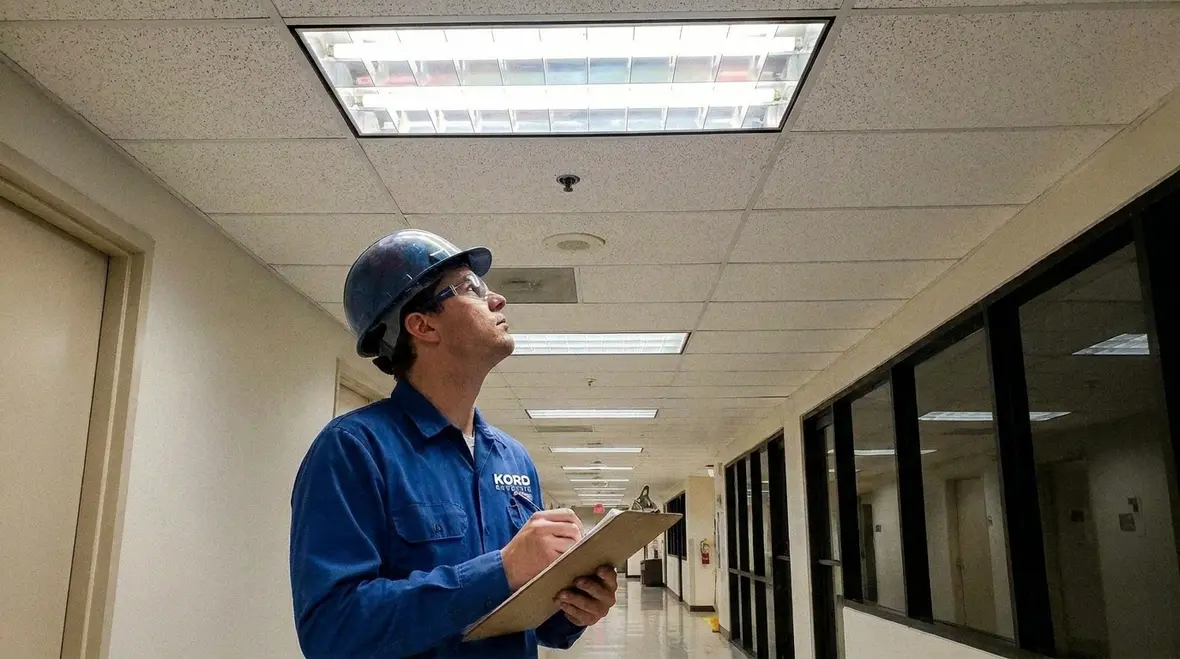
Electrical troubleshooting starts with safety, and we do not rush it. First, we verify that the facility team knows the scope of work. Next, we confirm lockout and tagout requirements for the specific panels or equipment. Then we test for the presence of voltage before any contact happens.
From there, we isolate sections one at a time. We open the smallest needed area so we can keep the rest of the building operating. After isolation, we verify conditions again. In many cases, we find that the “fault” is not a single broken part but an unsafe configuration, an incorrect wire landing, or a misrouted feeder. Our technicians explain each step as they go, so your maintenance team is not left guessing like a sitcom character reading a manual in slow motion.
How we inspect panels, feeders, and bus systems
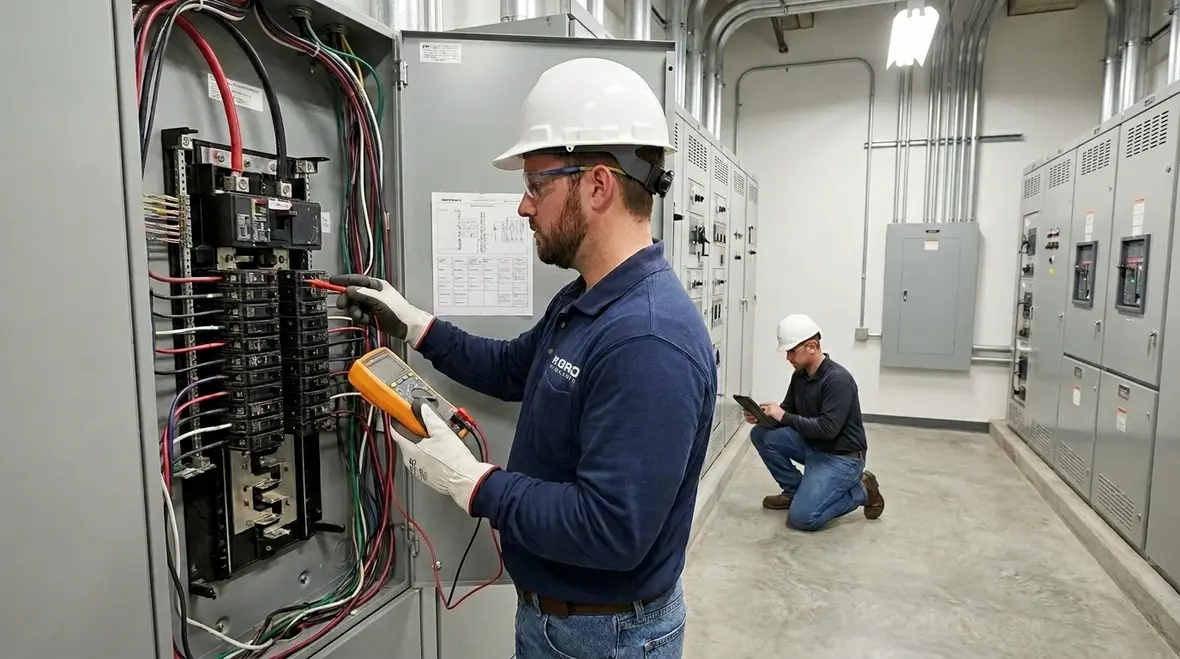
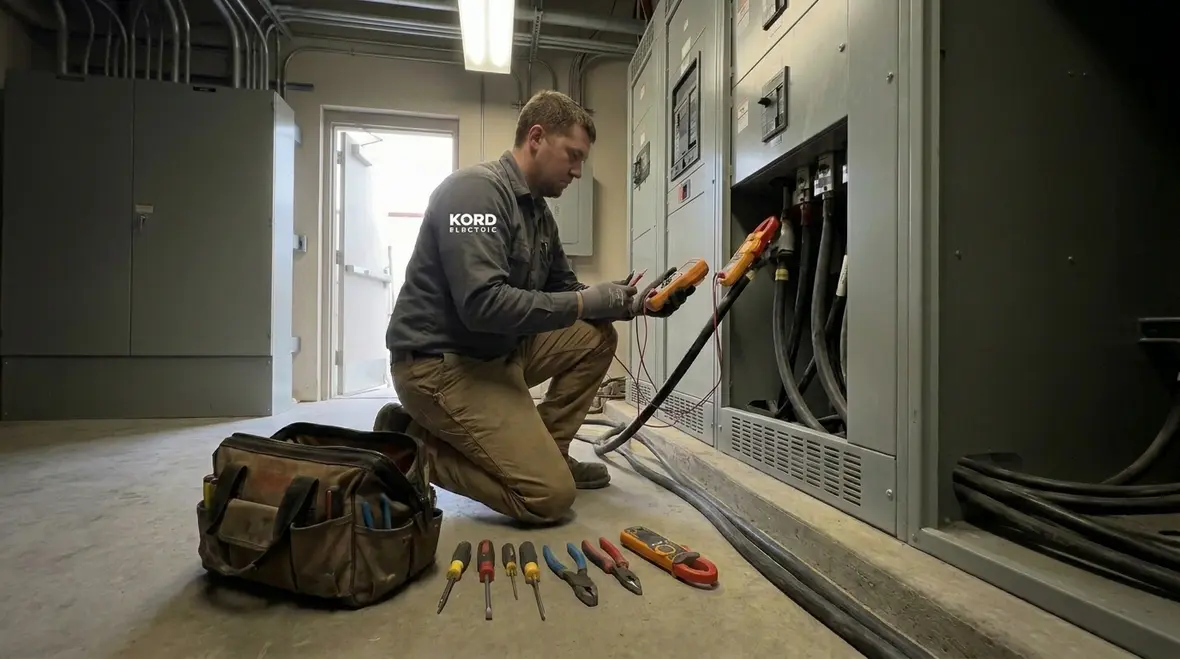
When the complaint points to distribution issues, we move through the system in a logical order: service, distribution equipment, then branch circuits. We inspect panel doors, torque marks, and lugs, because heat damage leaves evidence. We also look for discoloration, loose hardware, and signs of moisture. Furthermore, we confirm labeling accuracy. A mislabeled breaker can lead teams to “fix” the wrong area and waste precious production time. For a deeper look at how hidden issues show up in the field, you can also see how Kord Electric approaches hidden electrical risks in commercial buildings.
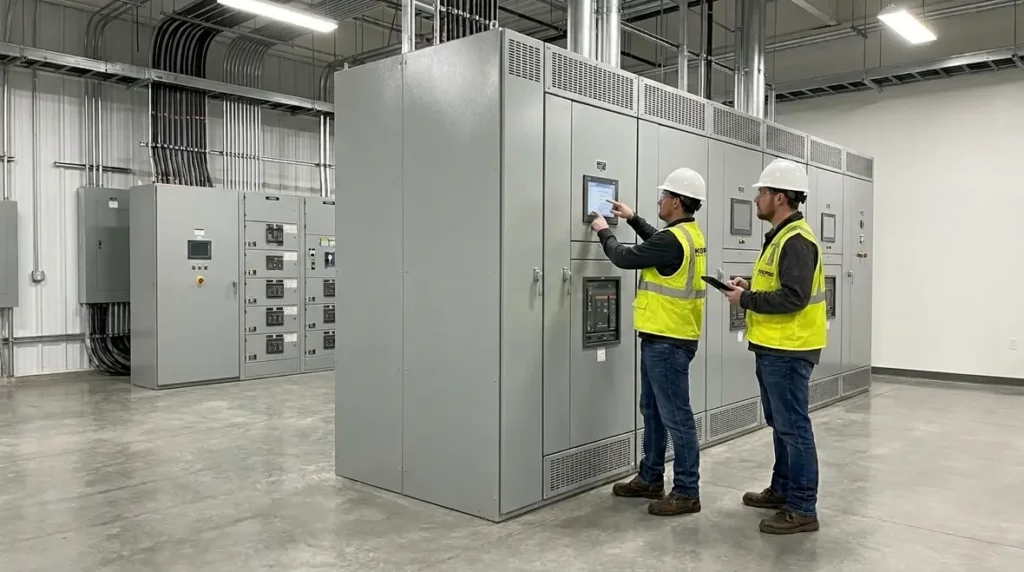
For bus systems and larger switchgear, we focus on connection integrity and cleanliness. Any contamination can affect insulation and lead to arcing. Then we check protective device coordination to ensure the correct device clears a fault. If the wrong breaker trips, we adjust our testing plan, because it can hide the real cause.
Most importantly, we keep notes tied to physical findings. We document what we saw and what we measured, so future troubleshooting does not start from zero.
Testing methods that narrow causes fast
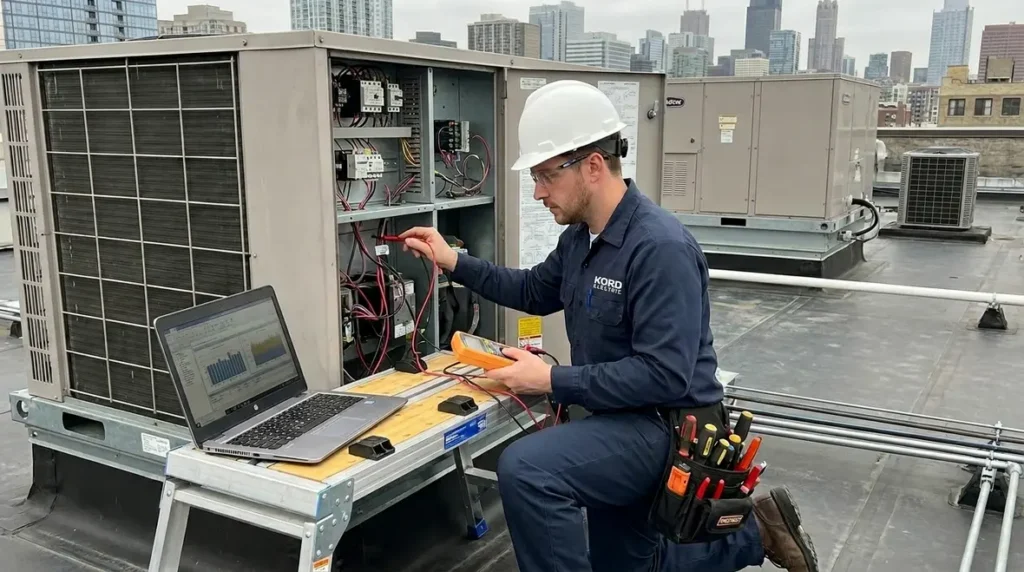
After visual inspection and isolation, we test with purpose. We verify phase balance and incoming voltage stability. We check current draw at feeders and confirm the load matches expected values for the building. If a panel feeds multiple tenants, we use load tracking so we do not blame equipment that behaves normally.
Next, we test insulation resistance on conductors where conditions allow. We also use continuity checks for targeted paths, and we review ground fault indicators for trends. In cases involving intermittent issues, we consider temperature effects and contact conditions, because some faults only show up when equipment warms up.
Our technicians often explain the results right away. For example, if readings show abnormal leakage, we explain how it may tie to moisture, damaged insulation, or equipment age. Likewise, if voltage drops happen during starting loads, we explain the difference between a supply limitation and an internal wiring problem. That communication keeps the team aligned and reduces stop start troubleshooting. When voltage instability plays a role, some facilities also benefit from the dedicated support described in Kord Electric’s guide on voltage fluctuations in commercial and industrial facilities.
Why breakers trip and how we prevent repeat failures
Breakers trip for reasons that are usually consistent, but teams often reset them like it is a panic button. We do not treat resets as a fix. Instead, we analyze why the protective device operated. We review trip settings, breaker condition, and any ground fault equipment. Then we check whether the fault current path clears as designed.
We also examine downstream loads. A failing motor, a damaged power supply, or a shorted control circuit can cause repeated trips. If the trip pattern aligns with specific operating events, we test those branches during realistic cycles. Also, we verify conductor sizing and terminations at the equipment interface, because loose connections can overheat and create recurring problems that return just before everyone forgets.
To prevent repeat failures, we recommend targeted repairs, torque verification, and corrective labeling updates. When needed, we schedule maintenance for damp-prone areas, add inspection routines, or adjust operational procedures. Our approach aims for reliability, not frequent emergency calls that feel like chasing a ghost with a flashlight.
Short circuits, ground faults, and arc risk management
Ground faults and short circuits demand focus, because they can escalate quickly. We separate fault types by measurement and observation, rather than assumptions. If we suspect ground fault activity, we test equipment circuits and examine possible insulation issues. If we suspect short circuits, we trace the fault path using controlled isolation, then confirm with targeted checks.
Arc risk adds another layer. We look for early signs like heat discoloration, carbon tracking, or worn insulation at terminations. In major property buildings and industrial spaces, arc fault conditions can be tied to aging switchgear, water intrusion, or construction impact. Therefore, we prioritize areas with a history of moisture, vibration, or frequent access. Facilities that want to keep panel and switchgear risk under control over time often blend this troubleshooting approach with structured programs like Kord Electric’s electrical preventive maintenance services.
Our technicians explain risk plainly: the goal is to eliminate unsafe conditions before they create equipment damage or downtime. We also coordinate with facility leadership on safe restoration steps so the building returns to service without surprise re-energization.
Reliability documentation and communication for building teams
Once we identify the cause, we build a clear record. We include test values, photos of findings, breaker and panel details, and the steps we used to narrow the issue. Furthermore, we document restoration verification, since power issues can “seem fixed” before the next load cycle reveals the truth.
Communication also matters. We brief the responsible stakeholders in a business casual way that still respects urgency. Our expert service staff outlines the repair, any parts needed, and what to watch for during future operations. Then we suggest practical follow ups such as inspection intervals, torque checks, or monitoring if the issue involves recurring conditions.
Because in commercial and industrial settings, downtime costs real money, and nobody wants to pay for a second troubleshooting day that could have been prevented the first time. For some properties, that long view grows into larger projects such as the work described in Kord Electric’s rewiring cost guide for commercial electrical systems, where preventive thinking and troubleshooting experience shape full system upgrades.
Frequently asked questions
Call Kord Electric for dependable troubleshooting and repair
If your commercial or industrial facility faces nuisance trips, flickering, or equipment failures, do not guess and reset your way into deeper downtime. Kord Electric brings a structured commercial electrical troubleshooting guide approach, careful testing, and clear explanations from our technicians and expert service staff. We help you restore safe power, document findings, and reduce repeat problems. Reach out today so we can assess your situation, build a practical plan, and get your facility back on steady ground.
For facilities that want to turn one-time troubleshooting into long-term stability, Kord Electric can also connect these services with broader programs such as electrical preventive maintenance or project-based upgrades like recessed lighting installation, so your power system, lighting, and infrastructure grow together instead of in separate silos.
If your facility power issues point back to unstable supply more than internal wiring, Kord Electric’s dedicated voltage fluctuation repair services can be combined with this commercial electrical troubleshooting guide approach to stabilize your system and help protect sensitive equipment.
Whether you need targeted problem solving or a more extensive plan for your electrical system, the same disciplined troubleshooting mindset applies from the first phone call to the final verification test.