Electrical System Reliability Audit for Commercial Buildings
Why a reliable electrical system audit matters for commercial and industrial buildings
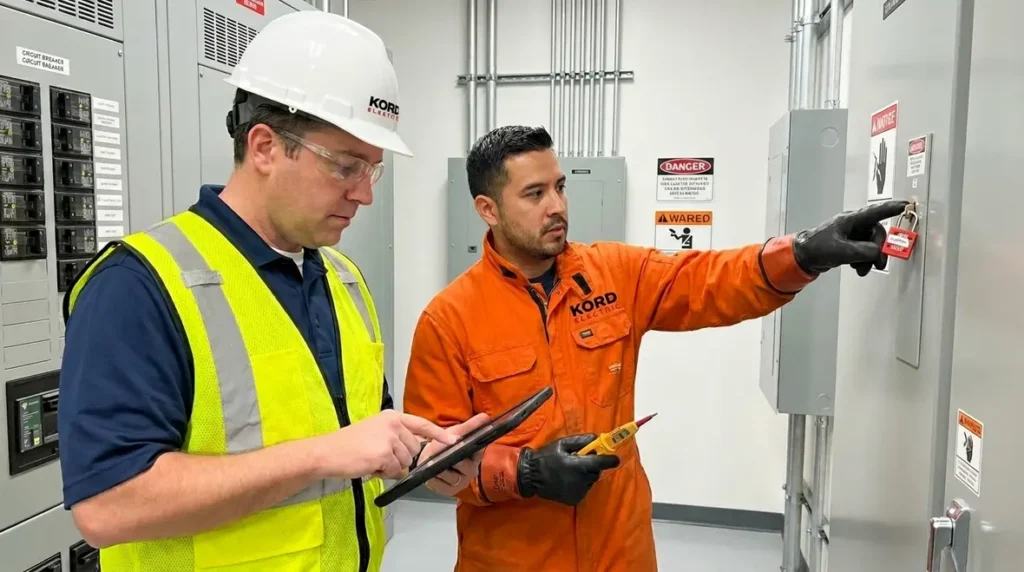
In a commercial space, downtime does not stay quiet. It shows up on invoices, in production schedules, and in the kind of “why didn’t we know sooner” meetings nobody enjoys. That is why a electrical system reliability audit becomes part of responsible facility management. At Kord Electric, we deliver an annual review that helps our clients catch hidden wear, fix weak links, and strengthen power performance before small issues grow into expensive failures. Our technicians and expert service staff approach this with slow, careful attention, because electrical problems rarely announce themselves with confetti. Instead, they build up like a pop song you hate but cannot stop hearing.
What we check in an annual electrical system reliability audit

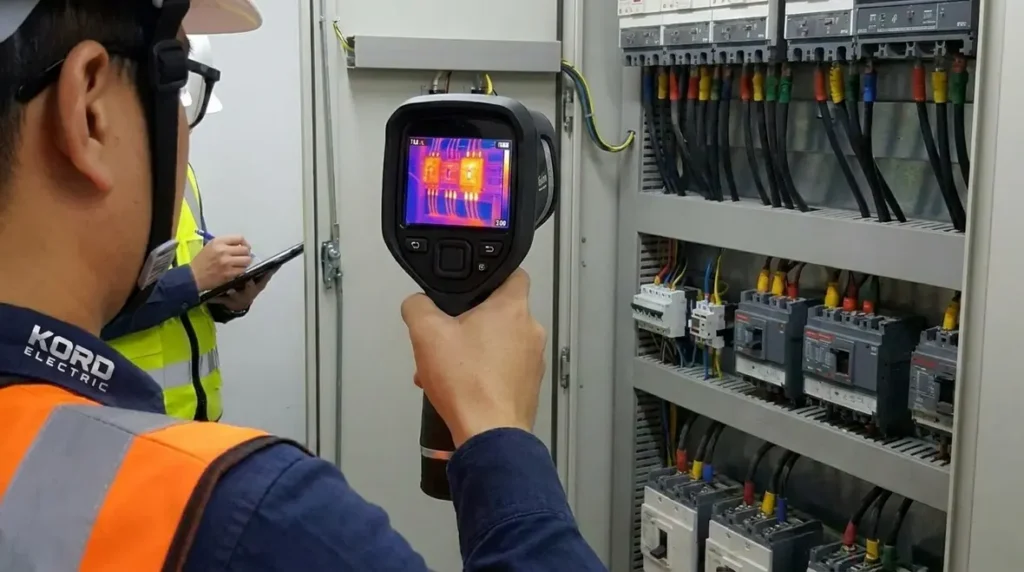
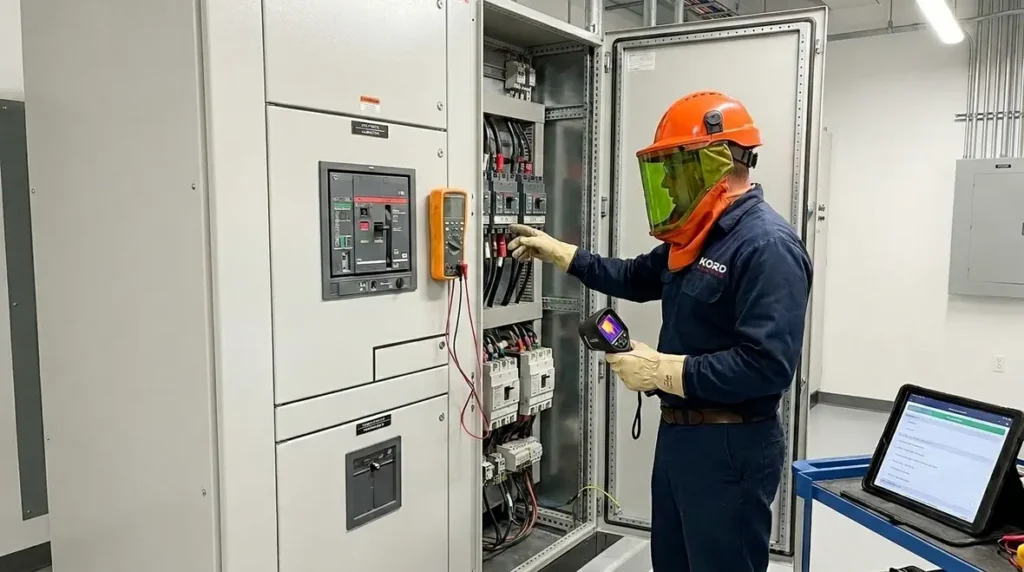
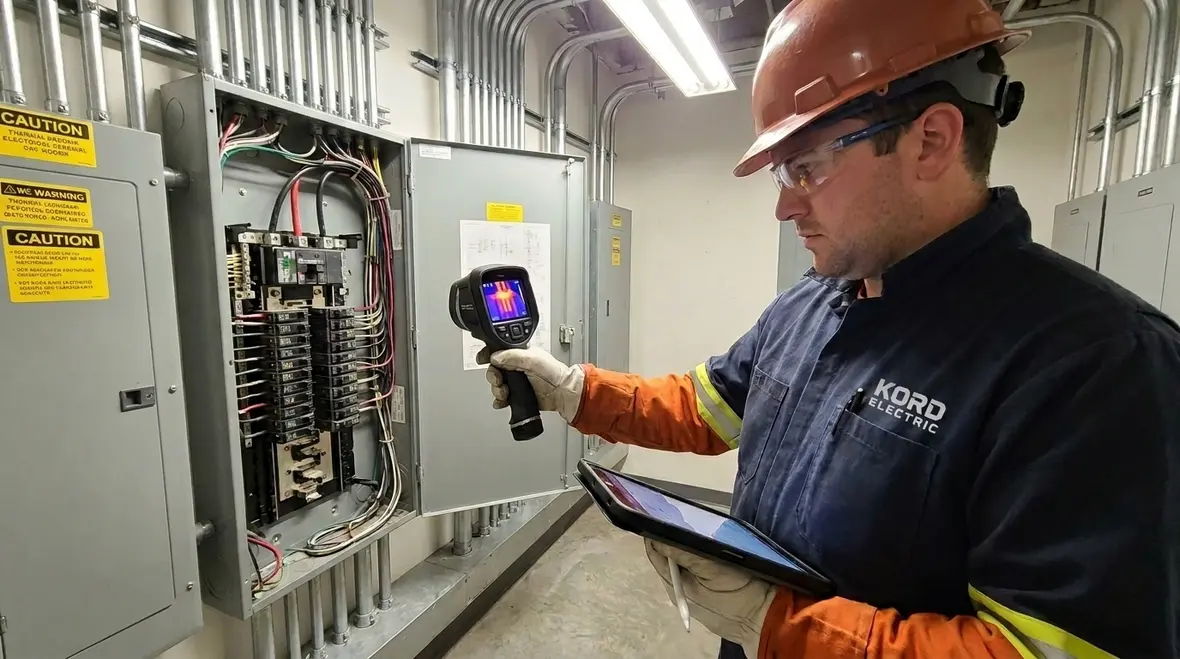
When others wait for a problem, they usually find it at the worst time. In contrast, we plan the audit around the real risk paths inside commercial and industrial power systems. First, our team evaluates the service entrance and main distribution, because that is where upstream problems can quietly travel. Then we inspect panels, breakers, bus systems, grounding, and bonding, since these elements determine how well faults get cleared and how safely systems operate. Next, we assess load balance, thermal conditions, and signs of aging at key connections. Over time, loose terminations and worn components create heat and resistance, and that heat does not politely wait for you to “schedule later.”
We also check protective device coordination, because the wrong settings can lead to nuisance trips or, worse, slow clearing during a fault. Additionally, we review harmonics and power quality factors that can stress equipment and reduce motor and drive life. Finally, we confirm that labeling, documentation, and operating practices match how the building actually runs today. If the panel directory reads like a mystery novel, operations will not find answers fast when seconds count.
And yes, we explain what we see. Our technicians do not just point at issues. They walk the decision makers through cause, effect, and priority, using clear language that helps teams act with confidence.
Hidden electrical risks that build up in commercial buildings
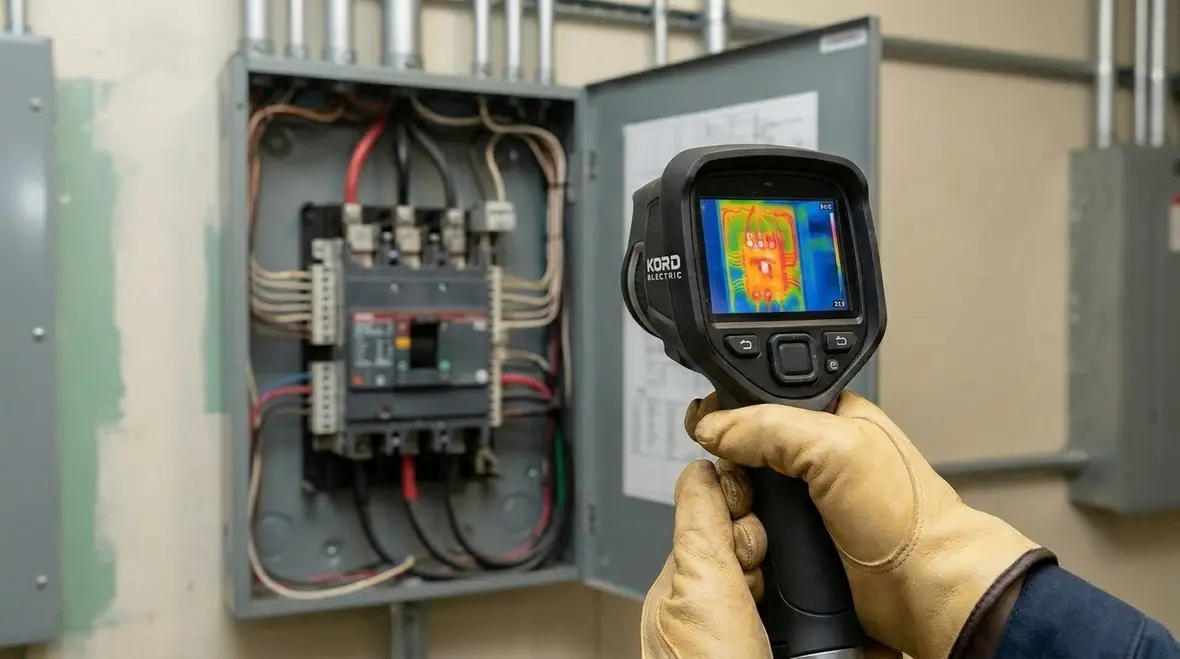
Our team often sees commercial facilities carry risk in the same places year after year. In the Kord Electric blog post “Hidden Electrical Risks in Commercial Buildings”, we highlight how problems like overheated connections, degraded insulation, and overlooked moisture exposure can sit in plain sight. When facilities delay routine checks, these risks compound behind walls, above ceilings, or inside cabinets that get opened only when something breaks. That is how a “small” issue turns into a full system event.
For example, a connection that tightens properly today can loosen after thermal cycling. Then, it heats under load, which accelerates oxidation. Soon, the electrical system reliability audit becomes not a formality, but a map back to safety. We also look for signs of water intrusion and condensation in load centers and enclosures. When moisture meets aging components, corrosion grows silently until it impacts contact resistance and protection performance.
We also pay attention to conductor condition, insulation integrity, and the way cables run through pathways where vibration, heat, or chemical exposure can stress them. If a facility has ever “smelled” something odd during peak demand, that is not always a ghost story. It can be a real clue that should have been found in earlier inspections.
How our reliability audit reduces downtime and protects assets

Commercial and industrial systems do not fail in one dramatic moment. They fail through signals and patterns. Therefore, we build our approach around early detection and practical fixes. First, we use our findings to identify components that are likely to drift out of specification, such as breakers with aging mechanisms or terminals showing thermal stress. Next, we rank items by impact, so teams address the highest risk items before lower priority work piles up.
Then we connect the audit to real operations. Our service staff helps facility managers understand where downtime could occur and how quickly systems can recover once a fault happens. If a building relies on process equipment, critical refrigeration, elevators, or life safety power, we treat those loads as the backbone of the facility plan. We help teams understand whether protective devices clear quickly enough, whether the system has the right capacity for current loads, and whether maintenance schedules match actual stress points.
Additionally, we improve traceability. We update documentation so technicians do not chase information during emergencies. That matters because, in a time crunch, a bad directory wastes minutes. And minutes, in the real world, become money.
Finally, we help clients plan repairs and upgrades without chaos. When we schedule the right work at the right time, the audit moves from a report into a living reliability program. It is like getting ahead of a storm instead of building an umbrella mid-rain.
Power quality, thermal stress, and protection performance we evaluate

Many facilities assume electricity either works or it does not. In truth, power quality and heat tell a more detailed story. Our electrical system reliability audit includes reviewing thermal indicators and connection health, because temperature rise can predict failure long before a breaker trips. We examine how currents flow through bus bars and terminations. We also pay attention to sustained high load areas, since those conditions stress components and reduce their service life.
Then we address power quality. In commercial and industrial buildings, motors, drives, and newer equipment can introduce harmonics. Harmonics can overheat neutral conductors, trip sensitive electronics, and reduce efficiency. By measuring and evaluating these effects, we help teams prevent repeat incidents that look random on the surface. It is not random. It is physics, quietly doing what it does best.
We also verify protective device performance. That means checking coordination and ensuring breakers and fuses respond the way the design intends. When protection fails to clear properly, equipment can suffer damage during faults, and systems stay unstable longer than they should. Through our careful review, we help clients maintain stable power and limit the scope of future events.
And whenever our technicians spot an issue, we explain it in plain terms. We do not treat facility staff like they are supposed to enjoy reading wiring diagrams for fun. We translate electrical risk into actionable next steps.
What to expect from Kord Electric during the audit
We schedule the work to support real facility needs. Therefore, our planning focuses on minimizing disruption to operations in commercial and industrial environments and major property buildings. We start by reviewing existing records, recent maintenance, and any history of trouble tickets. Then our technicians perform targeted inspections and checks in the right order, so we gather useful data without wandering through the building like we are in a scavenger hunt.
As we work, we communicate clearly. We share what we find, what it likely means, and how it fits into the building’s risk profile. This is where our expert service staff earns their keep. They do not hide behind jargon. Instead, they guide decision makers toward solutions that match budget, timeline, and operational priorities.
At the end, we deliver a reliability plan that supports year-round improvement. We outline priority actions, recommend corrective work, and note opportunities for upgrades that improve performance over time. Our goal stays consistent: reduce risk, protect assets, and help your team run with fewer surprises.
Building a yearly reliability program that actually sticks
A one-time inspection does not hold back time. So we help clients build a yearly program that creates continuity. First, we help define an audit cadence that matches equipment age, usage intensity, and past incidents. Then we align findings to maintenance schedules. That way, repairs do not sit in a spreadsheet while equipment continues to operate in unsafe conditions.
We also support staff training and internal handoffs. When people understand what to look for and why it matters, early signals get reported sooner. Additionally, we recommend updates to operational practices, such as load management strategies when certain areas run hotter than expected.
To keep the program effective, we track changes. Each year builds on the last. If corrective work reduces thermal stress, the next audit confirms it. If new loads get added, we adjust the reliability plan so the system keeps up. This approach turns an annual electrical system reliability audit into a long-term guardrail, not a once-a-year tradition.
And if someone asks why we are doing “all this extra work,” we keep it friendly. We say this: electricity does not care about our schedules, but it does care about physics.
FAQ
Final thoughts and next step with Kord Electric
When we handle electrical reliability, we do it with discipline, clarity, and a focus on your real operational needs. An annual electrical system reliability audit helps commercial and industrial facilities avoid hidden risks, protect critical assets, and reduce the chances of costly outages. If you want a reliability plan that your team can follow and trust, reach out to Kord Electric. We will review your building, explain findings clearly, and help you build a safer power future. Let’s keep the lights steady and the surprises rare.
For facilities ready to turn audit findings into a long-term strategy, pairing your electrical system reliability audit with a structured electrical preventive maintenance program helps keep improvements on track instead of “someday.” And if you want to explore how reliability planning fits alongside broader system upgrades and maintenance, the Kord Electric blog on commercial and industrial electrical maintenance plans offers a deeper look at building a program that supports long-term performance.
Whether you manage a single major property or a portfolio of complex sites, the next step is simple: schedule an on-site review and let our team walk your system, document the risks, and outline a practical path forward. From there, we can connect the dots between your audit, your maintenance plan, and targeted services like voltage fluctuation diagnostics and repair so your electrical infrastructure keeps up with the demands of your operations.