Commercial Energy Load Management for Facilities
At Kord Electric, we treat commercial energy load management like a calm hand on a steering wheel. We help commercial and industrial facilities, plus major property buildings, control demand swings so electrical systems run smoother, utility bills stay under control, and critical loads keep their power when it matters most. And yes, we know energy use can feel like a mystery novel, where every chapter starts with a spike and ends with a surprise. Still, when others react after the problem hits, we plan ahead. As we build smarter load strategies, our teams reduce stress on transformers, switchgear, and power quality, while keeping operations steady. Let’s walk through the techniques that make this work, and why our service team’s field experience matters.
What commercial facilities need from load management
Commercial and industrial sites do not fail because of “bad luck.” They fail because load patterns change faster than planning. A hospital wing may add equipment seasonally. A warehouse may ramp shifts on short notice. A high rise may see cooling demand surge during a heat wave. Even well run buildings experience peaks caused by equipment cycling, tenant activity, or process schedules. Commercial energy load management addresses that reality by coordinating how and when power gets used, so the facility does not constantly chase the utility tariff like a kid chasing a bus.
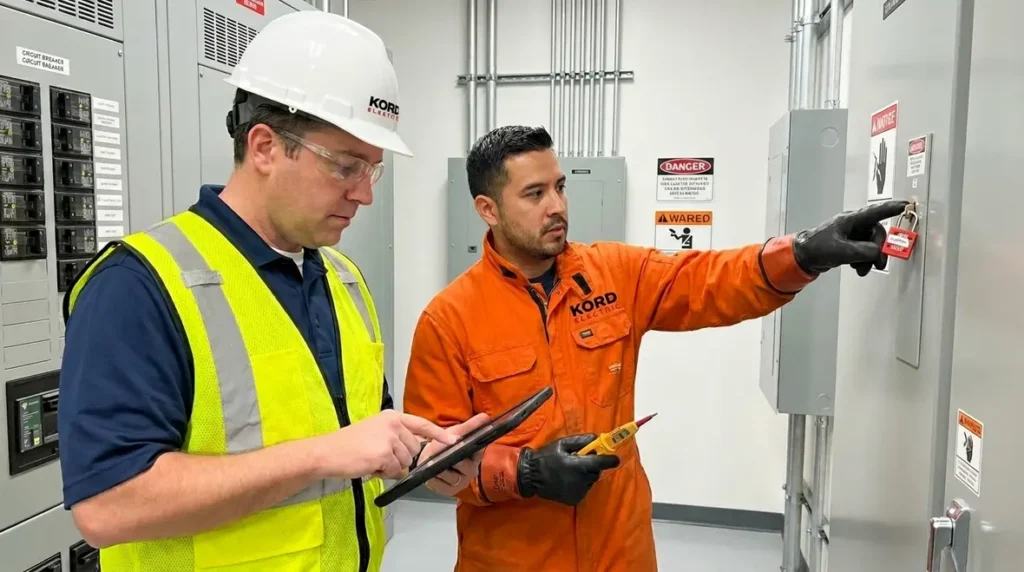
To start, our technicians review real demand behavior, not guesswork. They look at utility interval data, equipment runtimes, and site operating schedules. Then they connect those observations to the electrical one line diagram and the actual field layout. Consequently, we identify which loads cause the sharpest peaks and which loads are flexible enough to shift. That is the backbone of an effective strategy: control what you can, protect what you must, and measure everything so you improve over time.

Peak shaving with smart scheduling and controls
One of the most direct techniques we use is peak shaving, which reduces the facility’s highest demand moments. Instead of letting every major system start at once, we stagger and schedule equipment so the site stays under a demand threshold. This includes HVAC staging, pumps, chillers, compressors, and large process loads where applicable.
Our expert service staff often explains it this way in a way people remember: imagine the facility as a choir. If everyone belts the loud note at the same time, the sound peaks. If you arrange the notes, the choir stays strong without yelling. In practice, we implement control sequences through building management systems, dedicated energy management controllers, or coordinated load controllers.
However, peak shaving only works when controls match real operations. Therefore, we confirm the acceptable start time windows, minimum run durations, and safety constraints. We also verify that equipment health stays protected. For instance, short cycling can harm compressors, so we use ramp rates and minimum on times. When we do this correctly, demand drops during peak windows, while comfort and process performance remain stable.
Demand response planning that fits your site
Some facilities can participate in demand response programs, and others can’t, depending on contract terms, equipment capabilities, and operational risk. Still, even when full participation is not possible, the planning process often improves performance. We help others evaluate what can be curtailed, what must stay on, and what response time is realistic.
Our technicians map loads into categories such as critical, semi flexible, and flexible. Then we define a response plan that triggers during utility events. For example, chilled water plant controls may shift setpoints briefly, while non critical ventilation or lighting zones reduce output. If a site includes production lines, we coordinate with process supervisors so we avoid downtime.
Transition matters here. You cannot just flip a switch and hope the building behaves like a well trained labrador. We test the logic during normal conditions first, so the facility knows what to do before a real event occurs. This reduces operator confusion and prevents unintended impacts. Then, when the event comes, the system follows a pre approved playbook.

Load forecasting and data driven decisions
Energy load management improves most when we treat the building like a living system that changes. That is why we build load forecasting into the strategy. Instead of managing by yesterday’s numbers, we use trend analysis and weather signals to predict demand. For commercial and industrial sites, even simple correlations can reveal patterns: outdoor air temperature drives cooling demand, production schedules affect motor loads, and occupancy changes alter lighting and ventilation.
Next, we combine these forecasts with equipment control capabilities. If a facility can shift HVAC staging but cannot change process speed, we plan around that constraint. We also consider demand diversity across areas of the building. One tenant’s peak may be another tenant’s lull, so coordination improves the overall result.
Our team then uses the data results to tune control setpoints and schedules. We also track post implementation performance to confirm the improvements persist. In other words, we do not just install a system and walk away like a magician who leaves the hat on the floor. We keep refining. That is how commercial energy load management becomes a steady process, not a one time project.

Power quality, redundancy, and protecting critical loads
Some people hear “load management” and picture turning off everything until the meter calms down. That mindset does not work for major property buildings, medical areas, data heavy spaces, or any operation where reliability is non negotiable. We build load reduction strategies that protect critical loads first.
We focus on two goals at the same time. First, we reduce peak demand and demand charges where safe. Second, we maintain power quality by controlling switching events and motor starting behavior. Large loads can cause voltage dips and harmonics. If the electrical system gets stressed, equipment life drops and nuisance alarms appear. So, we design starting sequences, consider soft starts where appropriate, and coordinate with existing power factor and harmonic mitigation equipment.
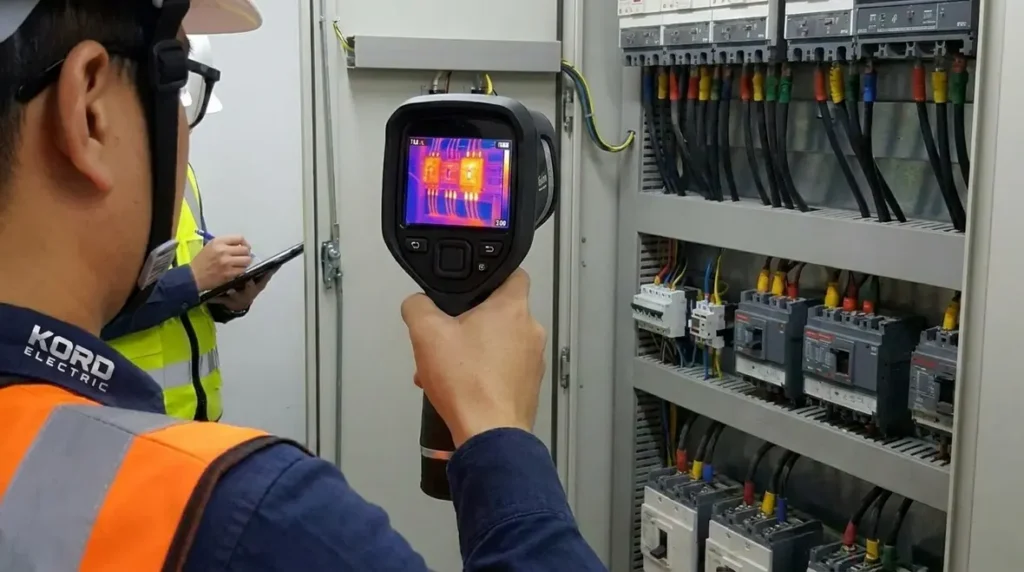
We also pay attention to redundancy. Many facilities run life safety equipment and certain infrastructure on backup systems. Therefore, we ensure load management does not overload generators or transfer equipment during normal operation or during utility loss scenarios. In addition, we coordinate with panel schedules and transfer switch logic. Our technicians verify field conditions so the strategy fits the real electrical environment, not just the paper plan.
Submetering and measurement that actually helps
If you cannot see it, you cannot manage it. Submetering turns vague billing numbers into actionable breakdowns. Our approach targets the loads that influence demand and show up during peak windows. Then we connect measurement to control decisions, so teams can understand what drives the spikes.
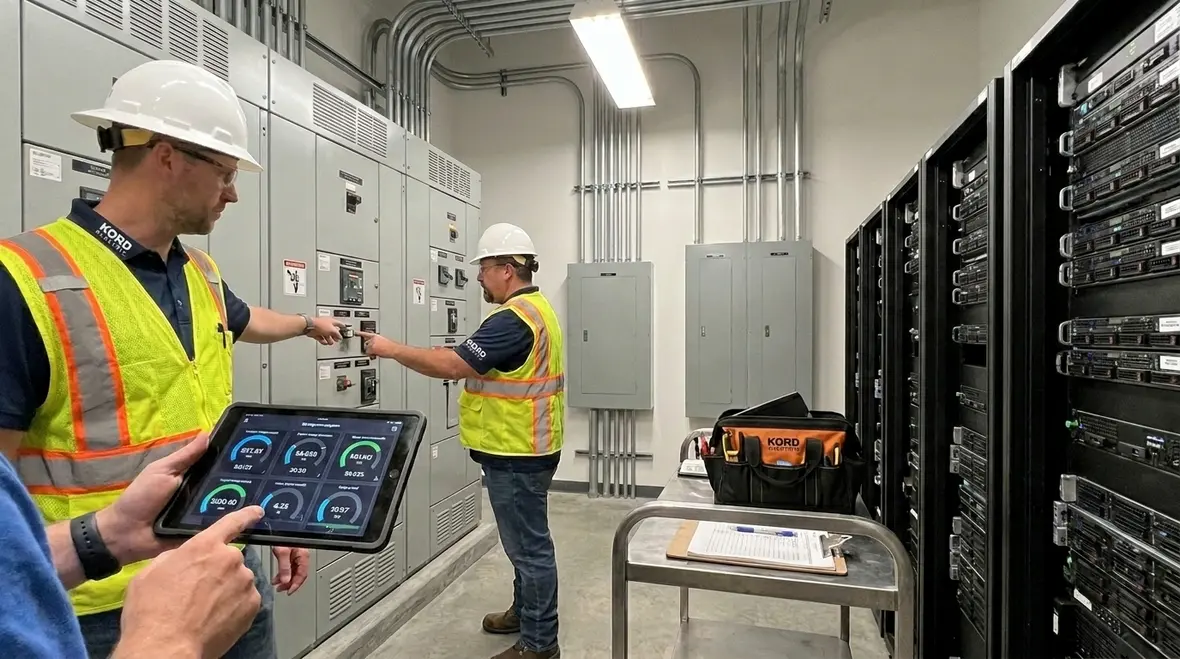
In a major property building, submetering may separate chilled water pumps, cooling towers, tenant lighting circuits, and large plug loads in common areas. In an industrial environment, it may focus on motor groups, compressors, and process heating circuits. After that, we use interval data and trend dashboards to show correlations between equipment runtime and demand peaks.
At times, dual reporting helps decision makers move faster. For example, we can compare kW demand behavior and temperature trends side by side to quickly identify the true cause of a surge. This dual view supports faster decisions. It also helps operators trust the system because they can see the same story from two angles, instead of hearing, “It seems like the issue is over there,” like a detective guessing in the dark.
Implementation roadmap for commercial and industrial facilities
We use a structured rollout so the facility does not feel like it is constantly changing underfoot. Our process typically follows a few phases.
- Assessment: Our technicians review utility interval data, equipment schedules, and the one line diagram, then identify peak drivers and flexibility points.
- Design: We develop control logic for staging, curtailment, and response actions, and we validate safety constraints.
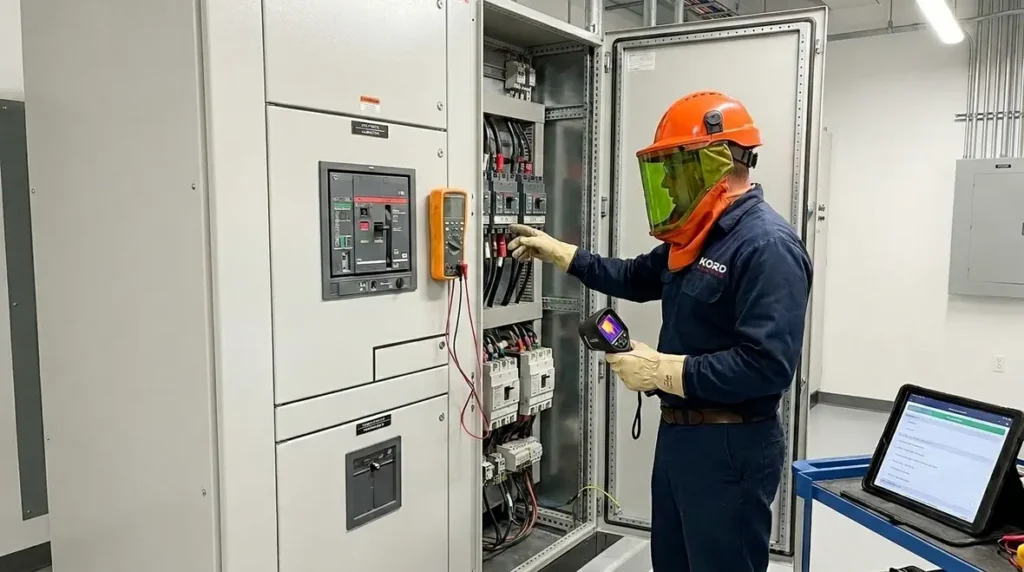
- Commissioning: Our expert service staff tests the sequence under real operating conditions, confirms power quality behavior, and tunes thresholds.
- Verification: We compare before and after demand profiles and confirm improvements remain consistent across seasons.
- Optimization: We adjust schedules and setpoints as operations change, because buildings do not run on a spreadsheet forever.
Additionally, we train facility operators so they understand what the system does and why. That training reduces call backs and prevents the classic “nobody touched it, but it changed” situation. We also provide reporting that lets others track progress and justify next steps to leadership.
If your load management needs intersect with broader system reliability, it often makes sense to connect this roadmap with a structured electrical preventive maintenance program so critical equipment, panels, and switchgear receive consistent inspection and care alongside demand reduction efforts.
FAQ
Conclusion and next steps with Kord Electric
If your facility sees demand charges that feel like they arrive uninvited, you do not need more guessing. You need a practical plan that balances cost control, reliability, and power quality. Kord Electric helps commercial and industrial sites use effective commercial energy load management through smart controls, forecasting, and measurement that matches real operations. Contact us to schedule an assessment with our technicians and expert service staff. We will review your load drivers, map your flexibility, and outline a roadmap you can actually execute.
For facilities planning broader upgrades alongside load management, our commercial and industrial lighting installation services provide a natural companion path, aligning efficient lighting, controls, and power quality with your overall energy strategy.