Commercial EV Charging Infrastructure Cost ROI Guide
ROI starts with the commercial ev charging infrastructure cost
When a business moves toward workplace and customer EV access, the first number most leaders ask for is the commercial ev charging infrastructure cost. And they should. For commercial and industrial facilities, that cost is not just a line item on a quote. It ties directly to load planning, equipment selection, site work, and the time needed to make chargers operational. From there, the return story begins.
At Kord Electric, we help others upgrade power and charging so the investment pays back in real ways. Moreover, our expert service team walks people through the math and the on site details, because ROI is not a spreadsheet fantasy. It is a daily business outcome, like keeping a loading dock open during rush hour instead of hoping the forklift gods show up.
How upgrades become measurable ROI
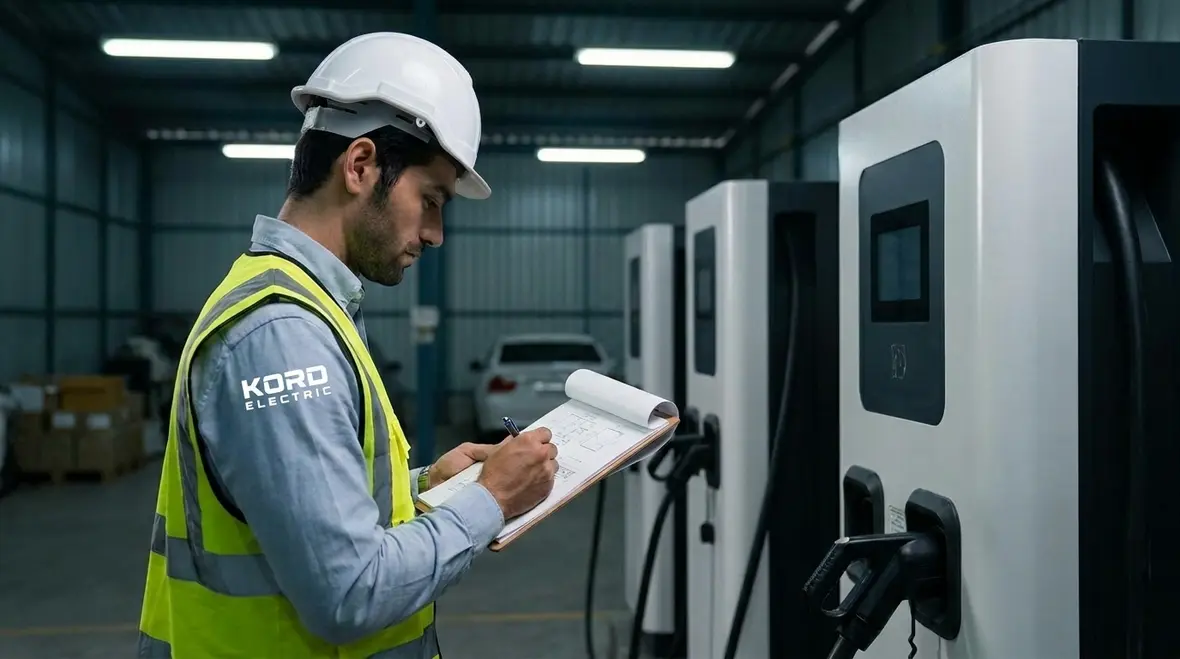
ROI for commercial EV charging infrastructure upgrades works best when you break the project into outcomes. First, identify revenue and cost offsets tied to charging access. Then, assign a value to each outcome based on what the site actually experiences. For many commercial properties, ROI comes from a mix of utilization gains and operational savings, not just from charging fees.
Next, capture the baseline. What do you spend today on parking management, tenant requests, or customer support for “where can I charge” issues? If your facility already fields EV related inquiries, those conversations cost time. Also, they often lead to delay, lost sales, or reputational friction.
Then, define what changes after the upgrade. For example, a properly sized electrical system reduces idle downtime from demand limits. In addition, a charger network with good reliability lowers service calls and user complaints. When the equipment performs, utilization usually rises, and that is where the ROI story starts to sound like math instead of hope.
- Revenue impact: charging fees, tenant retention, and customer conversion
- Cost impact: fewer electrical upgrades later, lower downtime, reduced truck idle time
- Risk impact: compliance readiness and capacity planning that avoids emergency changes
Step by step: Calculate your return for a commercial site
We start ROI calculations by mapping the full upgrade scope. After that, we translate each cost and benefit into a timeline. Typically, a commercial project has planning, electrical work, installation, testing, commissioning, and sometimes utility coordination. Then benefits show up as utilization ramps, better tenant experience, and smoother operations.
Here is a practical method we use with our customers for major property buildings and industrial sites. It is simple, but not shallow.
- Step 1: List total upgrade costs
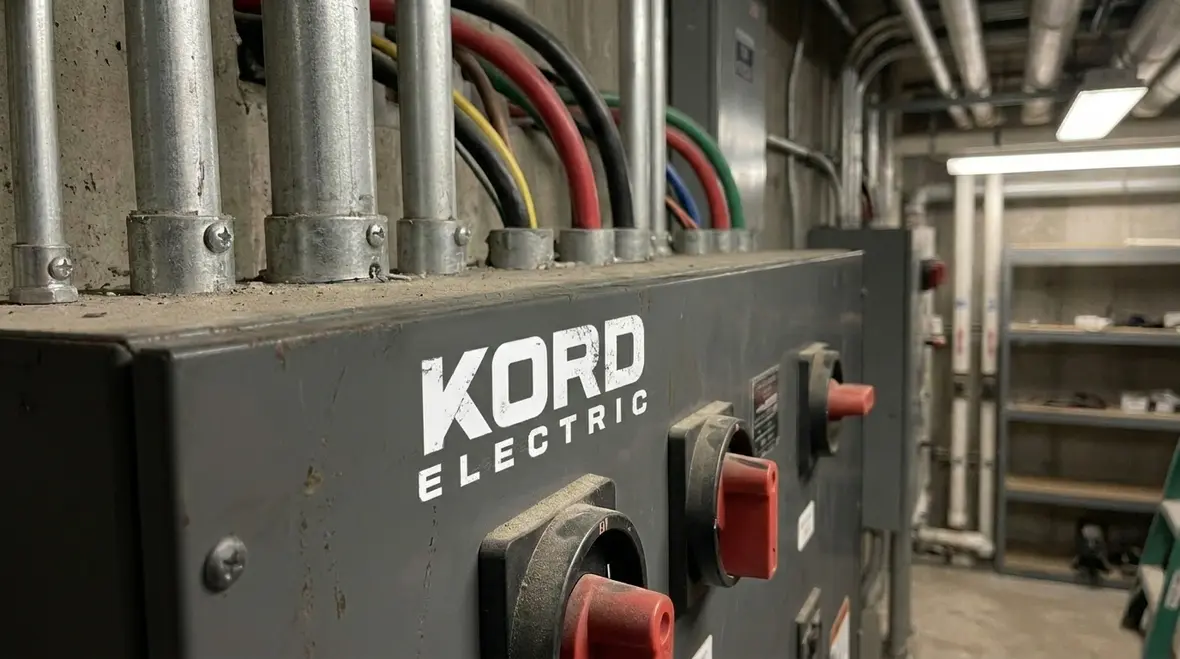
Include electrical planning, equipment, trenching or conduit, electrical panels or switchgear work, permits, and commissioning. Also include any load management components if the site needs them.
- Step 2: Estimate utilization
Consider employee shift patterns, visitor schedules, and fleet behavior. If a facility has consistent dwell time, utilization usually stabilizes faster.
- Step 3: Estimate revenue or offsets
Include charging fees if they apply, and include non cash value like tenant retention when a lack of charging drives churn. Some owners treat this as cost avoided, and that is valid.
- Step 4: Add savings and reduce downtime cost
Reliability matters. When chargers work, fewer staff hours go to troubleshooting. Also, less downtime protects customer experience.
- Step 5: Choose a discount window
ROI calculations work best over a realistic period, often aligned with equipment life and contract horizons.
Finally, we help explain the assumptions. Our technicians and expert service staff do not hide behind jargon. They walk through what drives utilization and what can derail returns. Because if your charger placement does not match traffic flow, you can buy the best equipment and still get results that feel like a Netflix show canceled after one episode.
What drives the commercial EV payback timeline
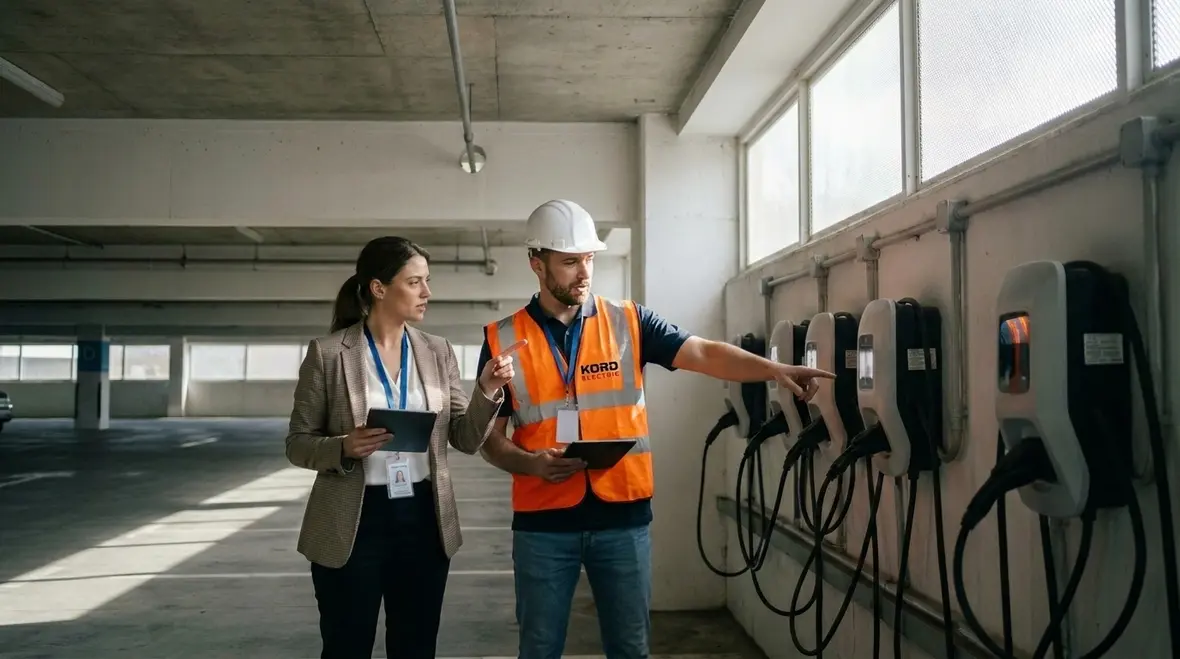
Payback does not move at a uniform pace. Instead, it depends on how well the electrical plan matches site reality. For example, the difference between “we installed chargers” and “we upgraded capacity correctly” can affect both speed to launch and long term stability. So even if the initial commercial ev charging infrastructure cost looks manageable, the payback timeline can swing based on how the site load behaves.
Several factors typically shift the return timeline for large properties:
- Electrical capacity and load management
Upgrades that avoid frequent demand limit trips improve reliability. Then utilization rises without interruptions.
- Site layout and access control
When chargers sit where drivers can find and use them quickly, sessions increase. Conversely, poor placement creates “drive by and ignore” behavior.
- Service strategy
A disciplined maintenance schedule reduces downtime. It also lowers the cost of repeat service visits.
- Contract model
Fleet agreements, tenant policies, and customer pricing influence revenue timing. If pricing is unclear, the ROI math gets slippery.
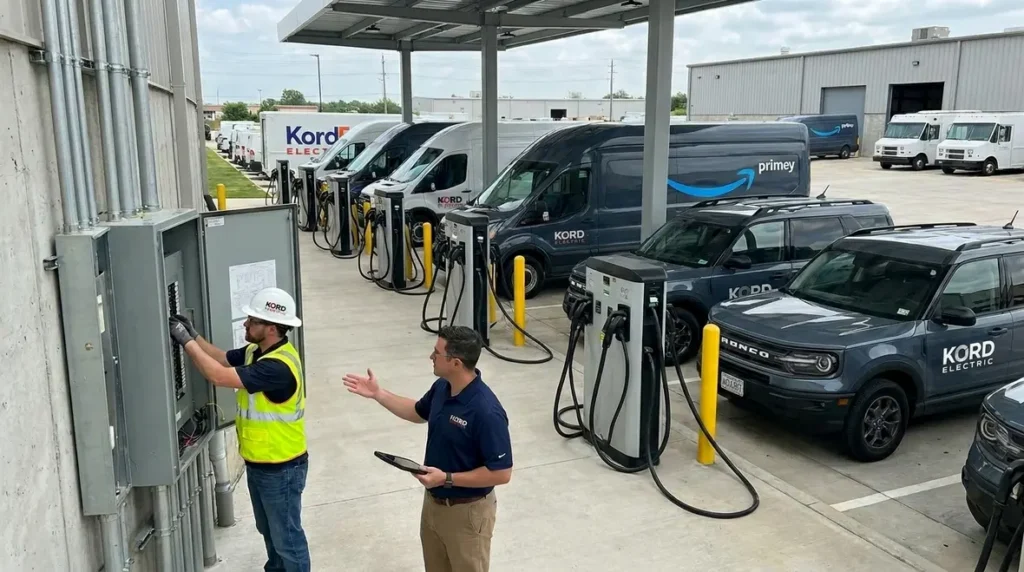
At Kord Electric, we emphasize planning that supports major property buildings and industrial facilities. In addition, we align the charging plan with the facility’s power, safety needs, and day to day operations, because the best ROI is the one that keeps working after the ribbon cutting.
Where the money often leaks, and how we stop it
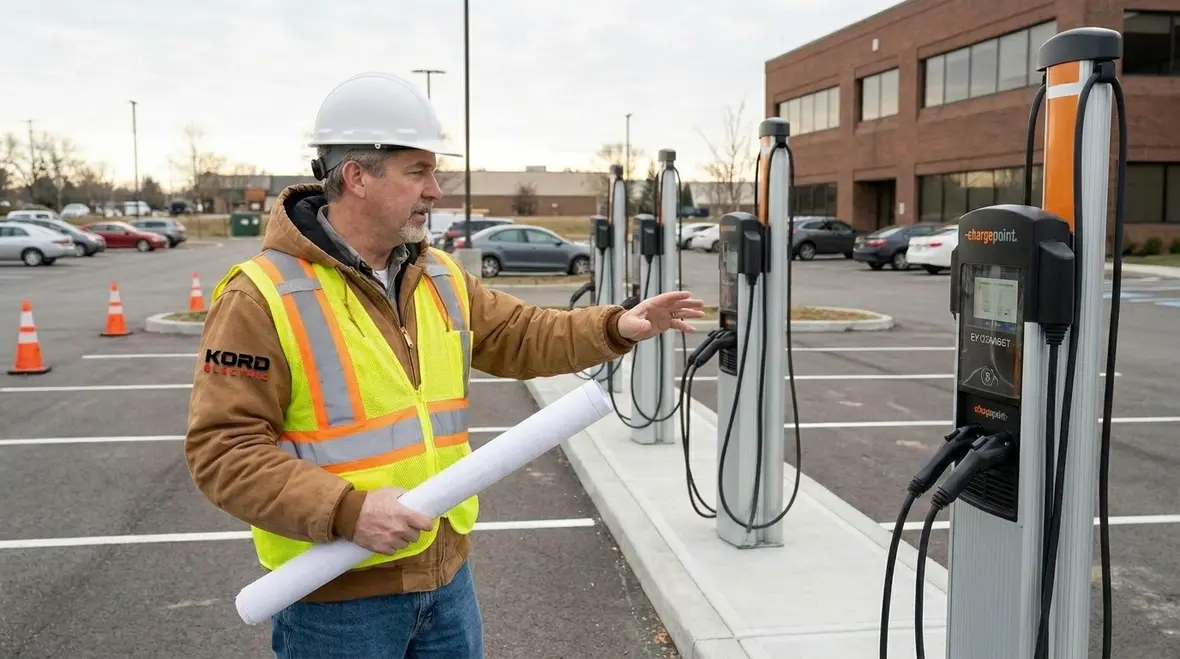
Some projects overspend without realizing it. And sometimes they underbuild, which costs more later. In both cases, the ROI drops. We see a few recurring leak points across commercial and industrial upgrades, especially when teams treat EV work as an add on instead of an infrastructure project.
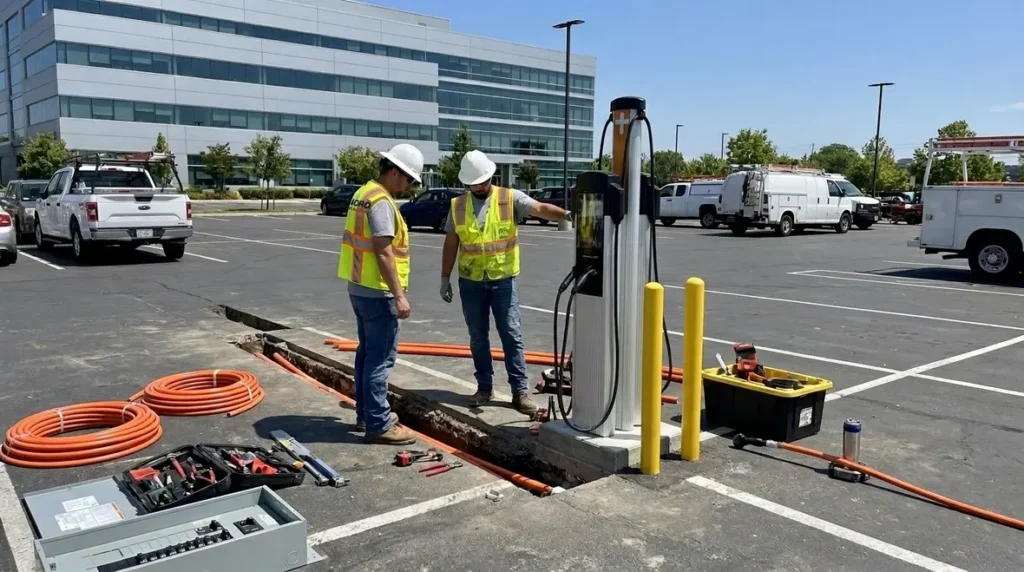
First, leaders underestimate site electrical scope. Upgrading chargers can require changes to panels, conduits, grounding, and sometimes switchgear. If you size incorrectly, you may face repeat work. Then, “saving” on the commercial EV charging infrastructure cost turns into a higher total cost over time.
Second, teams choose hardware without matching it to duty cycle needs. A fast charging plan for a site with short dwell time behaves differently than a workplace model. Therefore, charger selection should reflect real usage patterns.
Third, companies skip detailed commissioning and documentation. However, once chargers are live, issues should be traceable, not mysterious. Our expert service staff supports ongoing clarity so your team does not spend weekends learning the wiring like it is a DIY hobby channel.
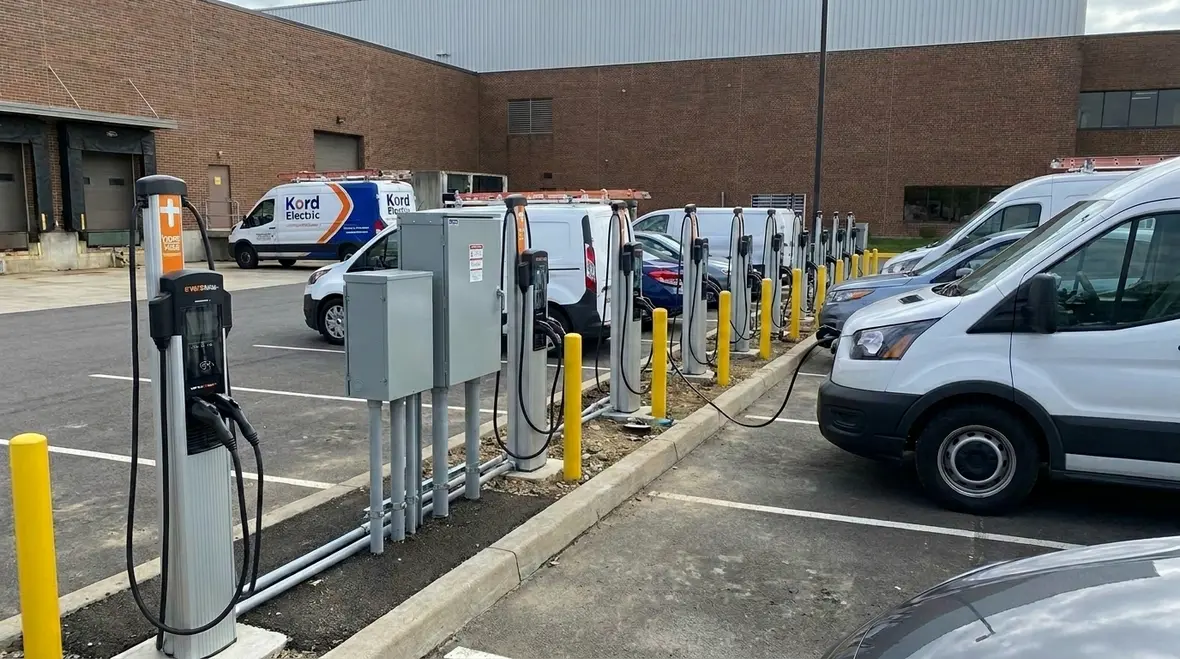
Finally, we help prevent load surprises. By planning for demand and future expansion, the upgraded system can support additional bays later. That protects ROI because upgrades can scale without starting over.
Using our EV charger installation approach to improve ROI
Kord Electric supports commercial and industrial facilities with a practical installation workflow designed to reduce rework and speed up commissioning. On our ev charger installation page, we outline how we plan the electrical work, coordinate the site needs, and bring chargers online with a focus on safety and performance. The goal is simple: make the system dependable so the investment does not stall after installation.
In our process, we treat the upgrade like infrastructure, not like a one time purchase. That means we help define scope before the first tool starts moving. Moreover, we coordinate with the site team so schedules stay intact, especially for facilities where shutdown windows cannot stretch.
Then, our technicians explain what they install and why it matters for long term returns. For example, clear labeling, solid electrical practices, and service access reduce future disruption. And when interruptions get smaller, utilization stays higher. That directly supports the ROI equation.
Cost, benefits, and the spreadsheet people actually use
Let others argue about the best ROI formula, but the business leaders want a number that holds up under pressure. So we recommend a model that includes both hard dollars and operational value. In other words, the upgrade must generate benefits you can defend.
Here is how decision makers can structure the model for a major property building or industrial facility:
- Capital cost
Total project cost tied to the equipment and electrical work, including any power upgrades needed for reliable operation.
- Ongoing costs
Service, inspections, communication fees if applicable, and scheduled maintenance.
- Utilization and pricing
Expected sessions and charging rates or offsets based on policy.
- Value of reliability
Time saved for staff, fewer downtime events, and less operational friction.
As a result, you can calculate payback and ROI without turning the process into accounting theater. And if the assumptions change, you can update the model quickly. That is the real advantage of measuring properly from day one.
FAQ: ROI and commercial EV charging upgrades
Ready to upgrade with ROI you can defend
ROI becomes real when the upgrade matches the site’s power, layout, and operating schedule. Kord Electric helps commercial and industrial facilities plan charging upgrades that reduce rework, protect reliability, and support utilization from day one. Our technicians and expert service staff explain the assumptions, so your project stays transparent. If you want a clear ROI estimate and an installation plan built for major property buildings, contact us today and let’s map the numbers together.
To protect long term performance beyond the initial build, many facilities also pair their EV investment with structured electrical preventive maintenance so the same infrastructure that powers chargers, production, and life safety systems stays stable as demand grows.
If you are ready to move from planning into action, explore how our dedicated EV charger installation services support commercial and industrial facilities with design, installation, and long term performance—all built around commercial ev charging infrastructure cost and ROI that your team can stand behind.