Commercial EV Charging Infrastructure Planning
Kord Electric helps facilities move from “we should add EV charging” to real, scalable commercial ev charging infrastructure planning that works for fleets, tenants, and guests. In this guide, we lay out how others can expand charging capacity without creating chaos, surprise downtime, or upgrade bills that show up like a bill collector with a smile. First, we help others map demand, power availability, and site layout. Then, we build a plan that grows as utilization grows. Finally, we keep everything running with smart maintenance. Our technicians and expert service staff explain each step in plain language, because nobody wants a project explained like a legal contract written by a robot.
Why scaling charging needs a real site blueprint
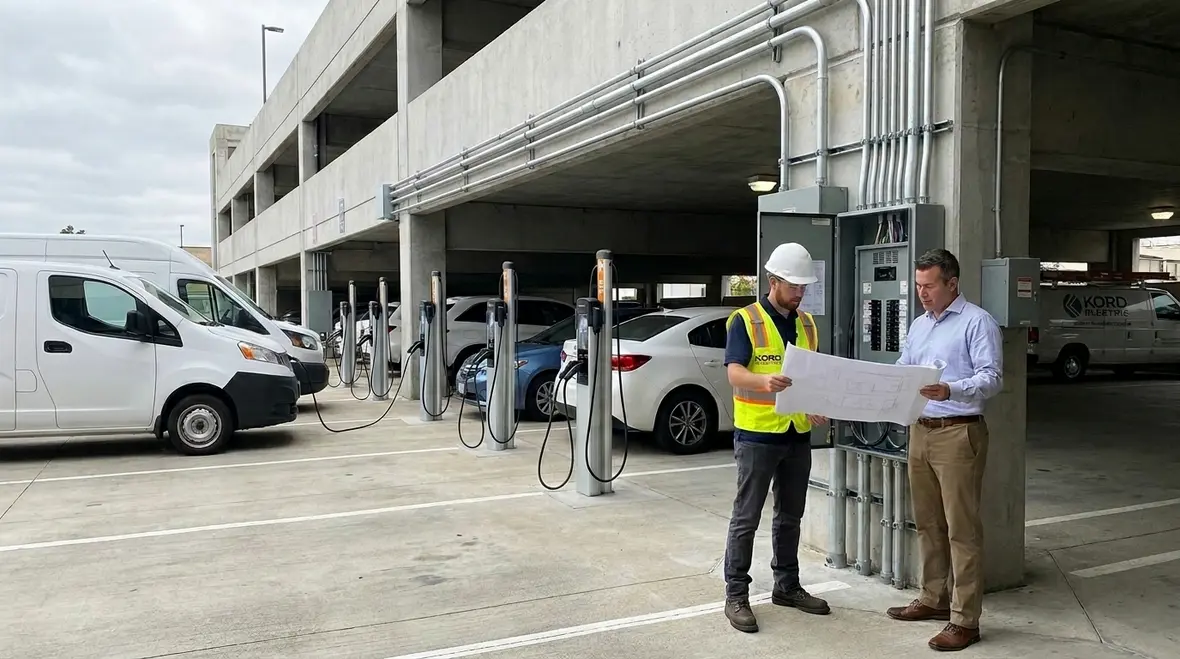
Scaling commercial EV charging infrastructure planning starts with understanding the site, not just the chargers. In practice, we see companies buy equipment first, then “figure out power later.” That approach works about as well as putting a swimming pool on a rooftop parking deck without checking the load rating. Instead, we recommend building a blueprint that matches how people and vehicles actually behave.
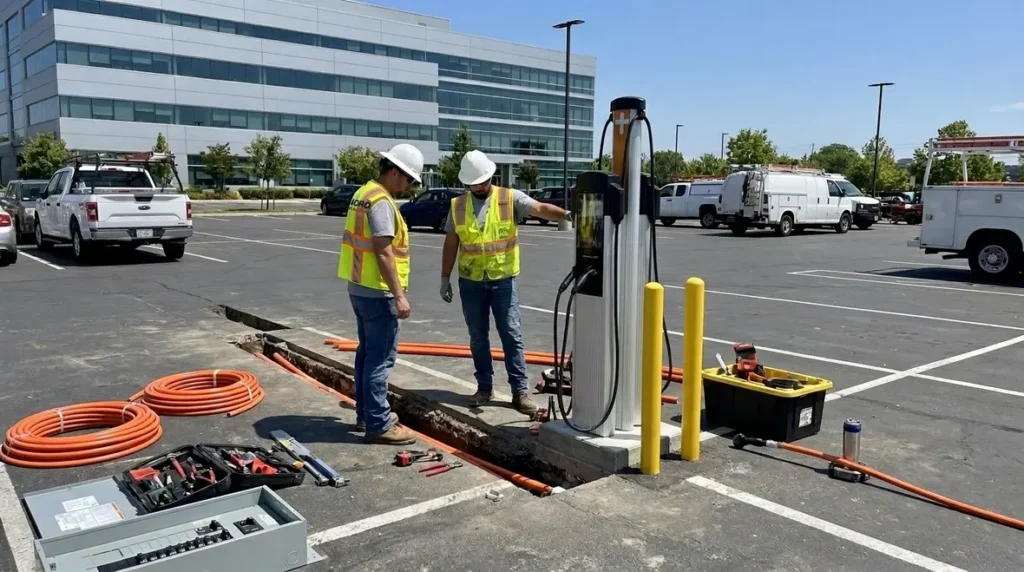
First, our team evaluates electrical service size, feeder capacity, transformer limits, and available panel space. Then we examine cable runs, conduit routes, parking flow, and visibility. After that, we consider how vehicles queue, how long they stay plugged in, and which groups need charging most. For example, a delivery yard and an office garage use charging differently, and the plan should reflect that.
Next, we align charger locations to traffic patterns and pedestrian safety. Even if a charger “fits” on paper, others still need to keep access clear for drivers, maintenance, and emergency response. As a result, the blueprint becomes a tool for both today’s installs and tomorrow’s expansions.

How to forecast demand without guessing
Commercial sites often worry that forecasting will be wrong. To be fair, guessing is easy. Accurate demand planning takes work. However, others can do it without turning the process into a full time hobby by using a structured method.
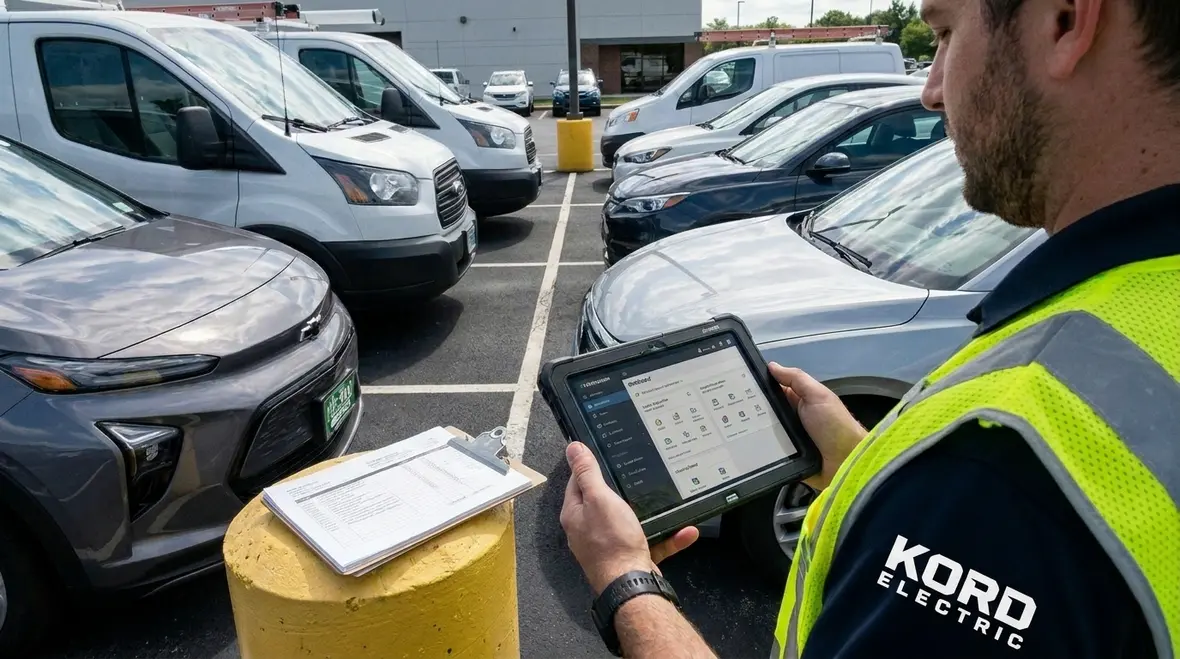
We start by collecting data: number of parking spaces, vehicle types, typical arrival windows, and charging sessions based on fleet schedules. Then we estimate expected growth based on hiring, delivery volume, lease changes, and fleet replacement cycles. Meanwhile, we account for tenant behavior, public access rules, and how many chargers will actually be used at peak times.
At this point, our technicians explain the key point: utilization drives electrical loading. So, others should avoid counting every space as a potential charger. Instead, they should plan for likely sessions and average demand. Then they can size circuits and infrastructure to serve realistic loads while leaving room for later phases.
Finally, we include a method for periodic review so the plan stays current. EV adoption changes fast, and the best plan updates without panic.
What electrical capacity planning must include
When a site scales charging, power becomes the main character. It shows up early, and it rarely takes requests. Kord Electric supports commercial and industrial facilities by handling electrical capacity planning with a careful, practical lens.
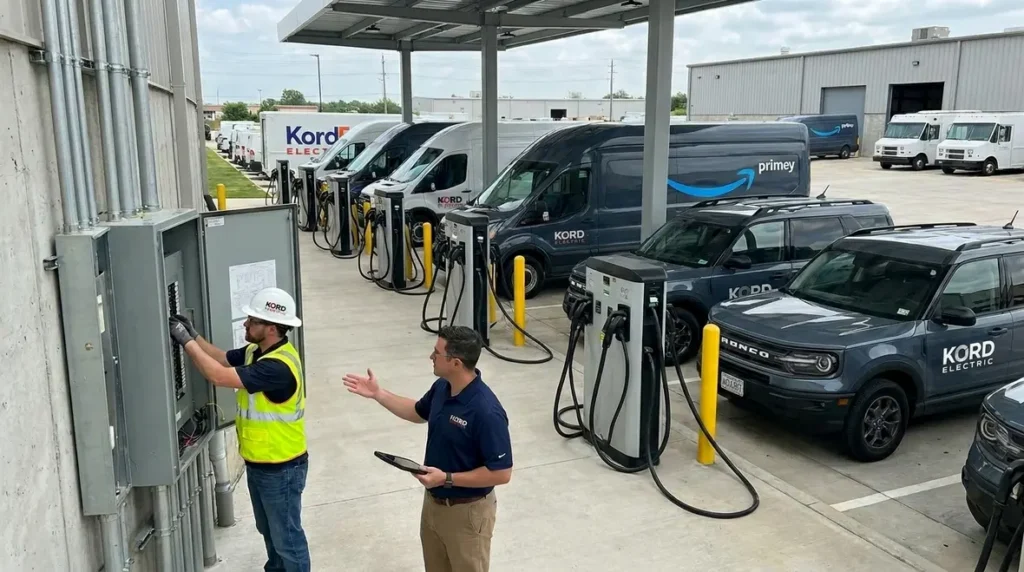
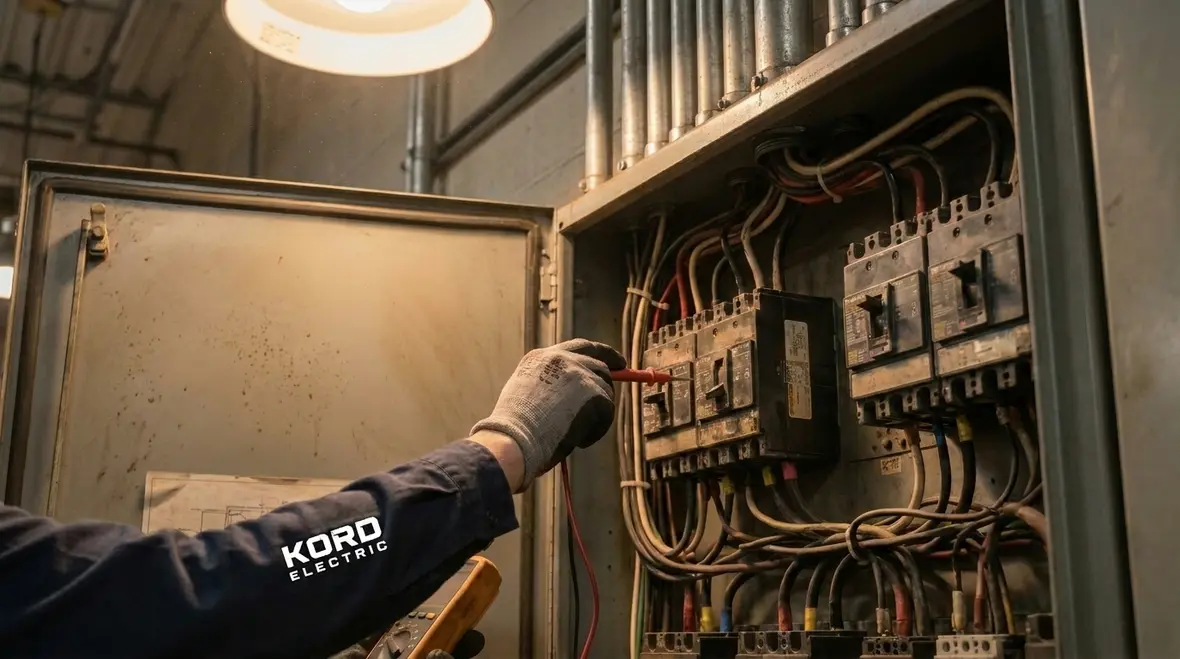
First, we evaluate service entrance capacity and existing panel loads. Then we model how charging will add demand during the busiest hours. After that, we review transformer size, switchgear condition, grounding, and surge protection. We also verify that circuit design allows safe operation under typical heat and voltage conditions.
Now, here is where we guide others beyond basic charger selection. Others may pick “higher output chargers” and assume it solves everything. However, if feeder capacity cannot support simultaneous charging, the site will need load management or staged activation. As a result, we design for safe behavior, not just maximum speed on paper.
We also plan for future add ons. That means leaving pathway space for additional conduit, planning panel expansion, and choosing equipment rated for real installation conditions. Our expert service staff supports this with maintenance mindset, because the electrical system is only as healthy as the routine care behind it.
Phased installation that avoids downtime and rework
Scaling works best when installations happen in phases, not as one dramatic all at once event. This approach reduces downtime, keeps operations stable, and helps others adjust after learning from early usage.
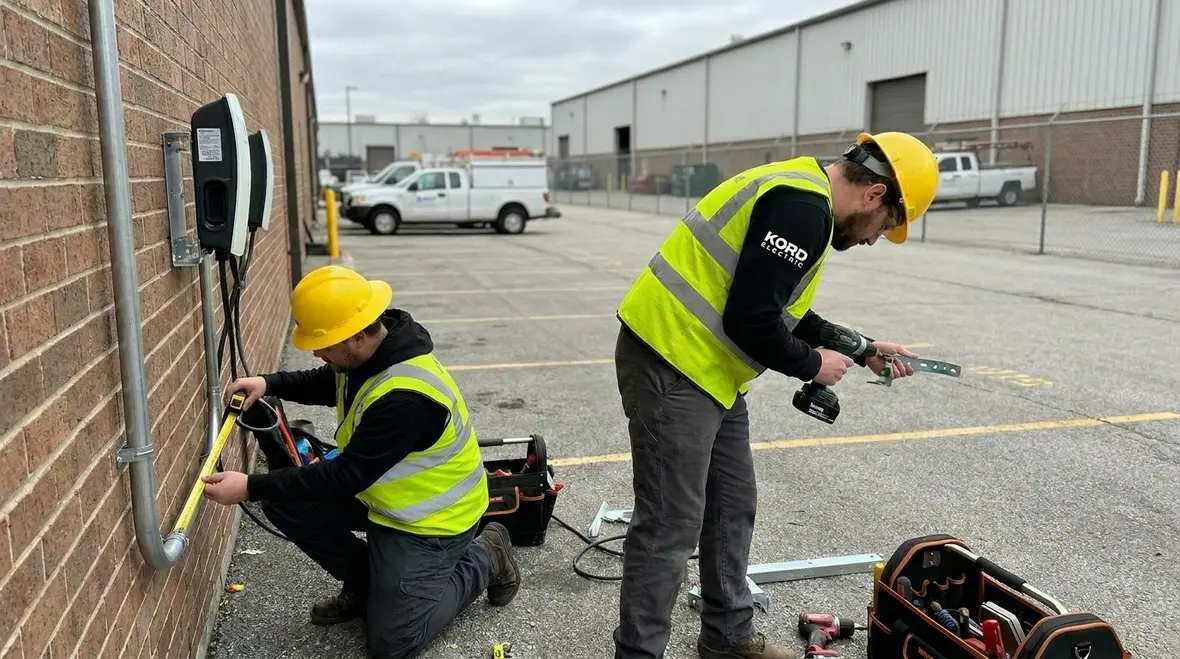
In phase one, we install a core set of chargers sized for initial demand and confirmed electrical capacity. Then we collect performance data: session frequency, average charge times, and actual load behavior. Next, we use that data to refine later phases, such as adding more stalls, upgrading power levels, or expanding to new vehicle groups.
Meanwhile, we schedule work to protect daily operations. Our technicians coordinate shutdown windows for panels and feeders, stage equipment deliveries, and use routing plans that limit disruption in active parking areas. If someone runs a manufacturing line, a medical campus, or a logistics facility, rework is expensive, and delays hurt.
Also, phased installation supports budget control. Others can spread spend over time while still delivering visible value early. It is the project equivalent of eating vegetables today instead of promising salad next month. Nobody does the promise. People do the plan.
Maintenance and uptime: the part people forget until it costs them
Charger hardware is only part of the story. Uptime depends on inspection, preventive checks, and fast response. So, Kord Electric treats maintenance as a growth strategy, not an afterthought.
If a facility runs chargers as critical infrastructure, it should also run them like critical infrastructure. That is why we reference our electrical preventive maintenance approach when we design long term reliability. By pairing routine inspections with structured electrical care, commercial EV charging infrastructure planning stays aligned with the way power systems actually age, not how spec sheets pretend they behave.
Our expert service staff uses a routine that focuses on the electrical system and related components. They check connections, inspect enclosures, verify terminations, and confirm proper operation. Then they review load patterns and look for early warning signs like heat stress, unusual behavior, or wear that shows up before failure. As a result, sites reduce unplanned downtime and protect warranties and safety.
Maintenance also supports expansion. When others keep the baseline healthy, the next phase connects easier, performs better, and requires fewer surprises. It is like keeping a car maintained so the next road trip does not become roadside comedy.
For facilities that want structured, long term care around their charging infrastructure and broader electrical systems, Kord Electric’s commercial and industrial maintenance programs help align day to day operations with reliability goals, not just short term fixes.
Service and documentation that supports future upgrades
Scaling commercial charging is easier when documentation exists. Unfortunately, many sites collect equipment receipts but not the practical details that matter during upgrades.
Kord Electric supports commercial and industrial facilities with clear records: equipment identification, circuit maps, panel schedules, and as built notes. Our technicians also explain what they installed and why, so future teams can maintain and expand confidently.
Additionally, we recommend labeling and organizing pathways, conduits, and terminations in a way that makes future troubleshooting faster. Then, when chargers get added or load management gets updated, others can connect systems without guessing.
We also advise facilities to plan for software settings and network behavior when chargers use connectivity features. Those settings can affect performance, billing, access control, and load balancing. Therefore, documentation must include not only electrical details, but also the operating configuration so changes remain controlled.
In short, good records reduce “mystery cables” and stop upgrades from turning into a scavenger hunt. Paired with organized panel labeling and structured maintenance, documentation turns every future EV charging upgrade into a planned chapter instead of a surprise twist.
How EV charging planning connects to broader electrical strategy
Commercial EV charging infrastructure planning does not live in a vacuum. It shares space with lighting, production equipment, life safety systems, and everything else wired into the building. When we design charging for a property, we map it into a larger electrical picture so the system behaves like one coordinated plan.
For example, a logistics operator might combine EV charging expansion with voltage stability improvements, so sensitive equipment rides through peak loads without nuisance trips. A campus may coordinate new charging banks with outdoor lighting work, making it easier to control walkways, garages, and charging zones under one reliable umbrella.
This integrated approach also helps property managers speak clearly about capital plans. Instead of piecemeal projects, they can present one roadmap that ties EV chargers, electrical preventive maintenance, and safety upgrades together. That roadmap is easier to budget for, easier to phase, and easier to explain to leadership teams who care about both uptime and long term asset value.
When commercial EV charging projects align with a wider electrical strategy, sites capture more value from every trench, every conduit run, and every panel upgrade. The result is not just “more chargers.” It is a stronger electrical backbone that supports everything plugged into it.
Where Kord Electric fits into your EV charging roadmap
Kord Electric supports facilities that want commercial EV charging infrastructure planning to feel organized instead of overwhelming. From the first walkthrough to the last commissioning step, our technicians and expert service staff keep the focus on clarity, safety, and scalability.
For property teams in Southern California, that support ranges from early feasibility checks to full design build installation. Whether the site is a distribution center planning fleet charging, a hospital safeguarding critical operations, or an office campus adding tenant amenities, we help match real world usage to the right mix of power, equipment, and phasing.
If your facility is already thinking about broader electrical work, EV charging can connect naturally with services like Los Angeles County commercial and industrial electrical services, preventive maintenance programs, and targeted troubleshooting. That way, upgrades move in one direction instead of fighting each other for space and budget.
For organizations that want to move from “we should add chargers” to “we have a calm, scalable plan,” partnering with a team that lives in both electrical design and field execution keeps projects grounded in reality instead of assumptions.
FAQ
Conclusion and CTA
Kord Electric supports commercial and industrial facilities with disciplined planning, electrical capacity checks, phased installs, and preventive care that protects uptime. If your team wants commercial ev charging infrastructure planning that scales cleanly, we can help you map demand, verify power, and design a roadmap for future expansion. Our dedicated EV charger installation services connect that plan to real-world projects, so drivers see working stations instead of “coming soon” signs.
Whether you are early in the planning stage or ready to act, our technicians and expert service staff will explain the next steps in plain language, then build a solution that performs for the long haul. From initial concept to long term maintenance, we keep your charging strategy tied to a stable electrical backbone, not guesswork.
To explore how EV charging can fit into your broader electrical roadmap, including preventive maintenance and other critical services, reach out to Kord Electric and put a structured plan behind your next phase of electrification.