Critical Facility Electrical Reliability Audit for Uptime
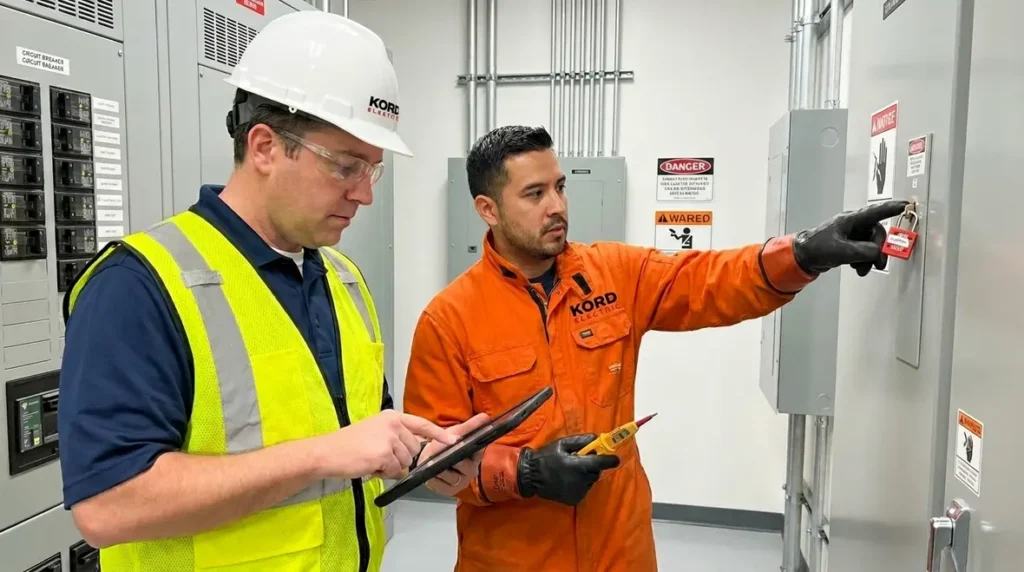
Kord Electric helps commercial and industrial facilities protect uptime with a critical facility electrical reliability audit that runs before problems grow teeth. We send our trained technicians, and our expert service staff walks through findings in plain language, so decision makers can act without guesswork. In this article, we explain how a proactive electrical reliability audit keeps critical operations steady, reduces avoidable downtime, and helps teams budget smarter. Because in the real world, power failures do not wait for a convenient time. And no, your backup generator does not always “know what you meant.”
What a critical facility electrical reliability audit does before the outage
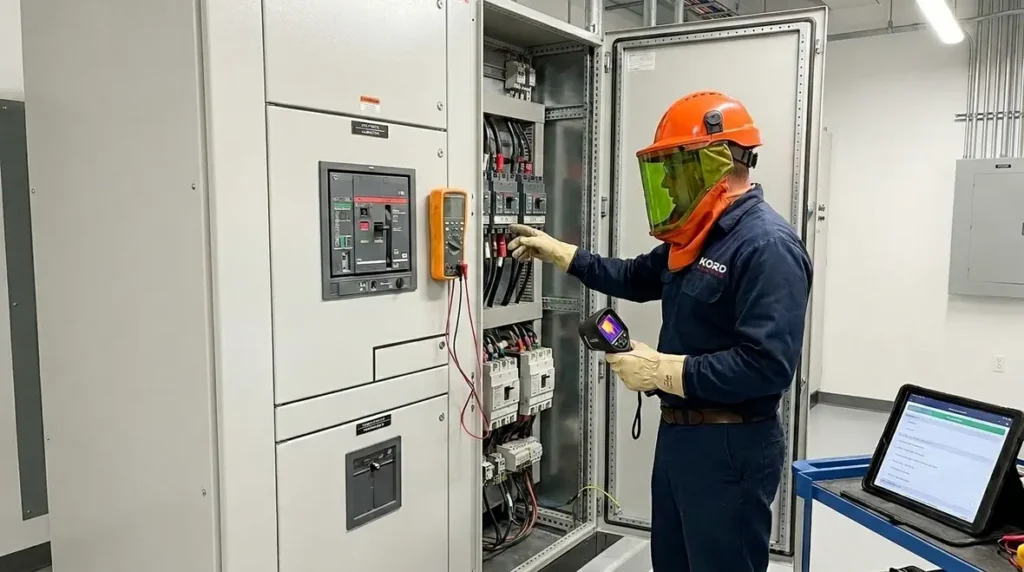
A critical facility electrical reliability audit is not a vague look around with a flashlight. Instead, we plan a structured review of how your electrical system performs across normal load and real-world conditions. First, our team focuses on the parts that most directly impact power quality, distribution, and safety. Then we compare what the system should do with what it actually does during daily operation.
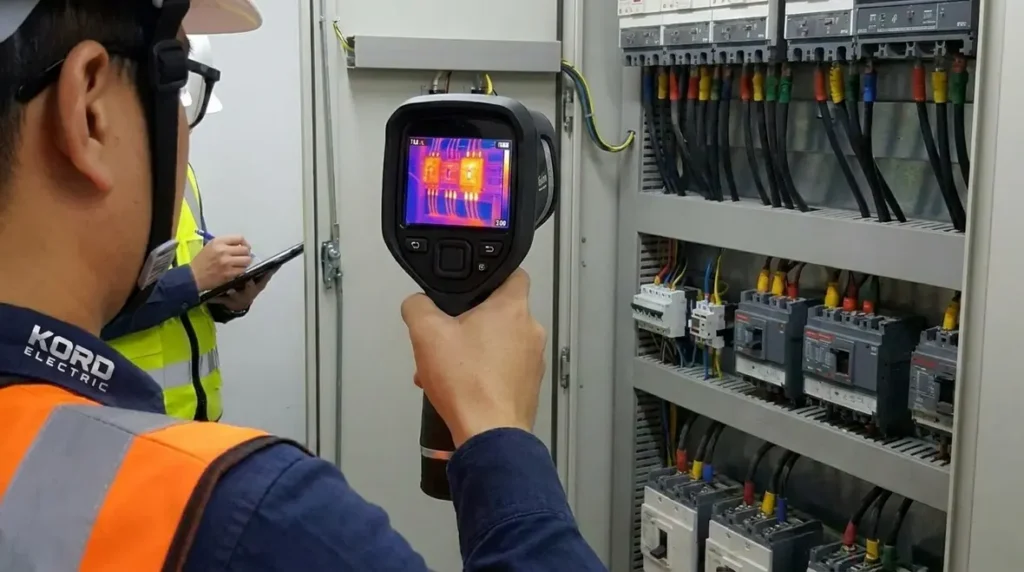
To do that, we typically review feeders, switchgear, transformers, panels, grounding paths, and protective devices. We also assess how your system behaves when load changes. Furthermore, we look for signs of aging, loose terminations, worn insulation, and components that drift out of spec over time. These are the quiet issues that later become loud failures.
In short, we do not wait for a breaker trip to tell us something is wrong. We verify reliability patterns early, so others can keep production, data systems, and life safety equipment running.
How proactive audits reduce downtime in commercial and industrial buildings
When critical loads rely on stable power, downtime becomes expensive fast. Therefore, our approach aims to prevent the chain reaction that often starts small and ends large. For example, a minor voltage drop or a nuisance trip can expose weak connections, degraded busbar connections, or protective settings that no longer match the system.
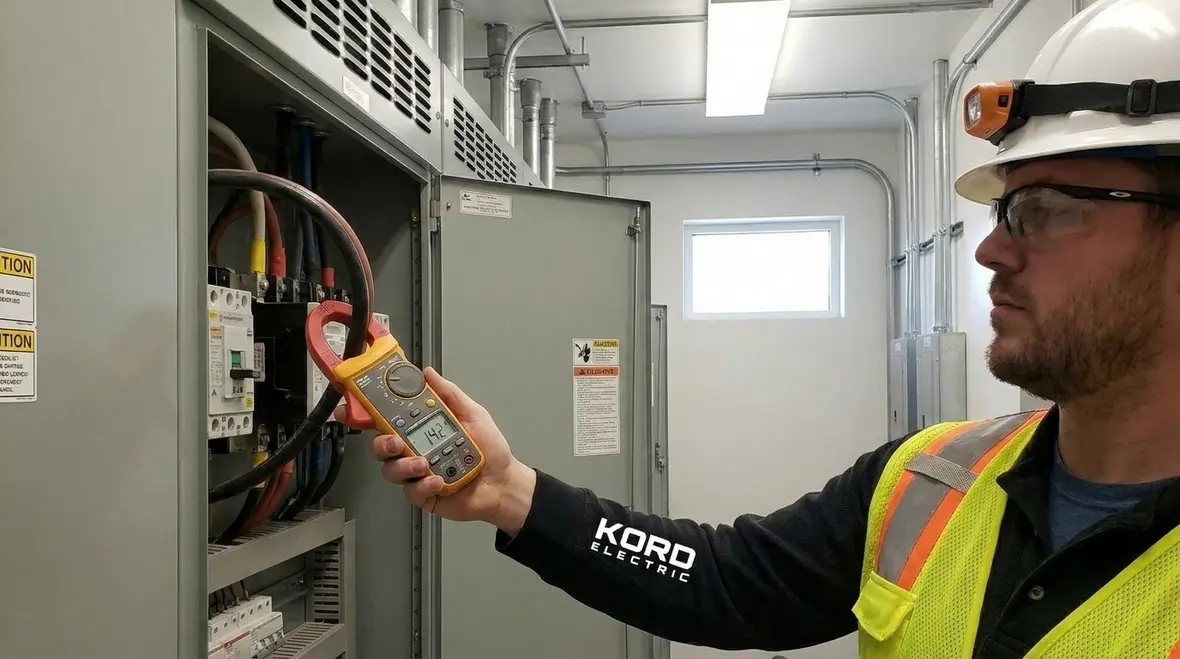
As our technicians work through the electrical system, they also help teams connect dots between symptoms and root causes. If a facility reports frequent resets, inconsistent process power, or intermittent computer outages, we treat those as data points. Then we confirm whether the electrical distribution is the real source, not just the nearby suspect.
In addition, we consider how facility operations affect electrical wear. Cooling cycles, motor start patterns, seasonal load swings, and equipment upgrades all change stress on conductors and switching components. As a result, a proactive audit helps the facility stay aligned with its current reality instead of the reality from five years ago.
For facilities already battling unstable power or nuisance trips, pairing a critical facility electrical reliability audit with focused services like voltage fluctuation troubleshooting in commercial and industrial buildings creates a stronger foundation for long term uptime.
Where reliability audits find hidden risk inside electrical distribution
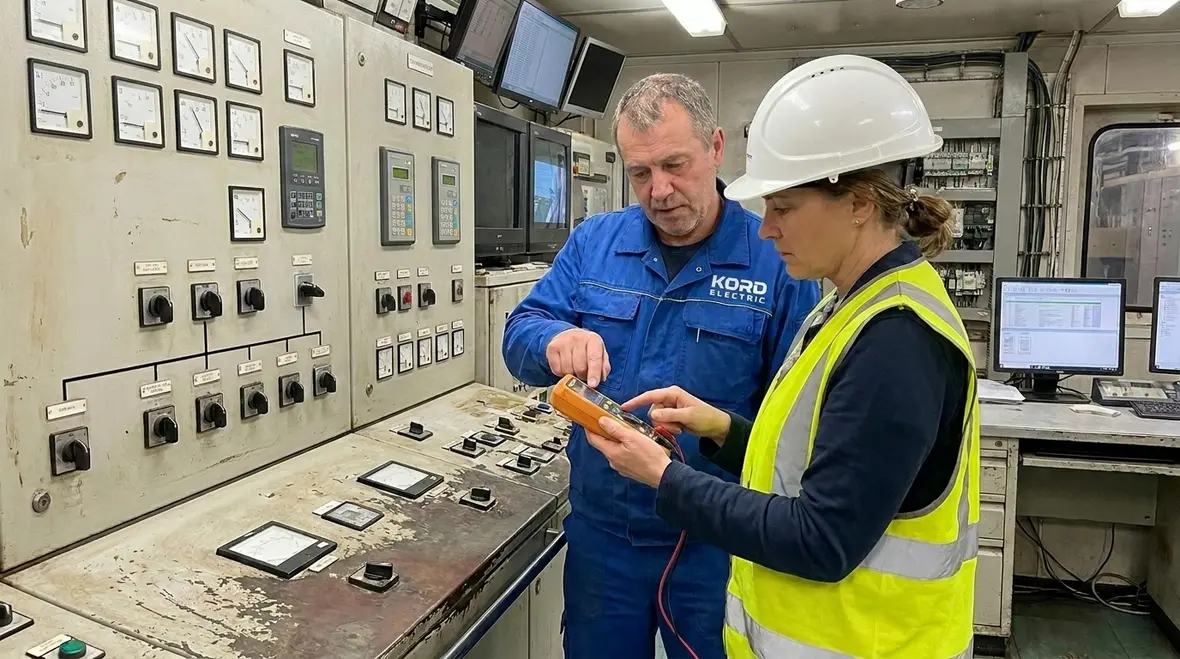
Many people expect issues to look obvious. However, electrical problems often hide where heat, vibration, moisture, and time do their damage. Our expert service staff commonly finds conditions like elevated temperatures at terminations, contamination on switchgear surfaces, or insulation breakdown that develops gradually. Meanwhile, protective devices can drift from intended operation due to wear, incorrect settings, or changes in the load profile.
We also look closely at grounding and bonding. If grounding paths fail, fault currents behave differently than intended, which can threaten both equipment and safety systems. Therefore, reliability is not only about keeping power on. It is about making sure power behaves correctly when faults occur.
Additionally, we evaluate power quality. Harmonics, phase imbalance, and transient events can harm sensitive loads. Over time, that stress reduces component life and creates nuisance alarms. So, even when the facility “stays online,” the audit helps prevent slow degradation that leads to premature replacement.
Better planning for rewiring and upgrades, with real cost context
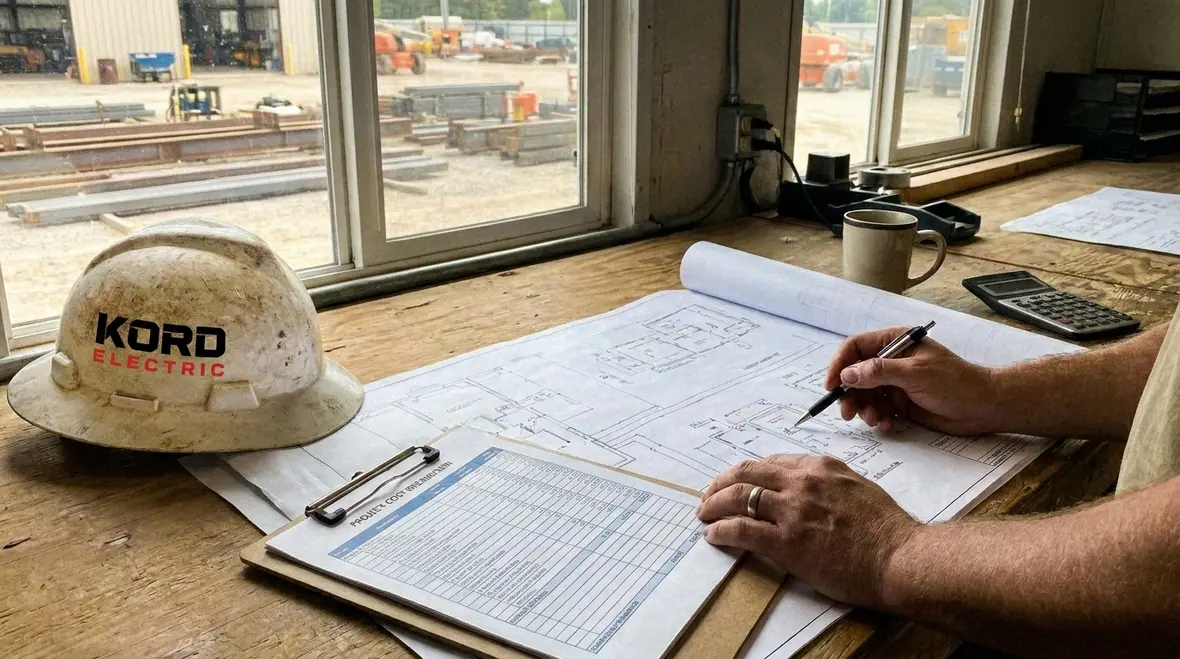
One reason audits matter is that they help facilities plan upgrades with less surprise. Even when rewiring becomes necessary, smart timing and clear scope reduce waste. If a facility waits until failure forces emergency work, costs tend to climb, and operational disruption becomes harder to manage.
Kord Electric considers how rewiring impacts commercial electrical systems, including what drives price differences such as system complexity, material type, access needs, downtime constraints, and required coordination. We have shared a rewiring cost guide for commercial electrical systems on our blog, and the themes matter here as well. When others understand cost drivers upfront, budgeting stops feeling like a magic trick where the rabbit appears only after the invoice.
After our assessment, we help prioritize actions. That means we can recommend steps that reduce risk now, while you plan larger upgrades later. For instance, targeted repairs at specific panels, improved termination practices, or corrected protective settings may extend service life. Then, when rewiring is truly needed, the facility enters the project with a clearer scope and fewer unknowns.
In short, proactive assessment supports phased improvements that protect uptime and control spend, instead of forcing reactive decisions under pressure.
What technicians document so your team can act with confidence
Our team does not just “find problems.” We document findings in a way that leaders can use to make choices. First, we record conditions, measurements, and observations in clear terms. Then we explain what the issue means to reliability, safety, and operational continuity. That is where our technicians and expert service staff really earn their keep, because the goal is practical action, not a report that sits unread.
Next, we categorize recommendations by urgency and impact. Some issues threaten safety and must be addressed immediately. Others affect reliability and should be scheduled before they trigger downtime. Still others relate to long term performance and cost control, which supports planning and procurement.
Furthermore, we help teams understand how recommendations connect to operational priorities. A distribution update near critical process equipment will carry a different risk profile than a lower impact area. Therefore, we align work planning with how the facility runs.
Maintenance that supports reliability, not just checkboxes
A proactive electrical reliability audit also improves maintenance. When facilities know what to watch, they stop treating maintenance like a ritual performed for compliance only. Instead, they build a targeted plan based on system behavior and wear patterns.
Our approach encourages maintenance that focuses on the parts that most affect reliability. That includes inspection of terminations, condition checks on switchgear components, verification of protective settings, and power quality monitoring for sensitive operations. In addition, we promote housekeeping practices that prevent contamination and moisture buildup around electrical enclosures.
As a result, facilities reduce surprises. Moreover, teams build a longer runway for major upgrades because they can track how conditions change over time. That visibility helps others make better decisions on labor, parts, and scheduling windows.
And yes, maintenance that actually works feels like a superpower. It is not magic, but it can feel that way when the plant runs through a hot summer and nobody starts praying at the breaker panel like it is a modern altar.
Making the reliability audit part of a real electrical strategy
A critical facility electrical reliability audit becomes most effective when it connects to broader electrical strategy. That means the audit outputs feed capital planning, operating budgets, and project schedules. It also means changes in production or facility expansion trigger a reassessment of electrical capacity and protective coordination.
For commercial and industrial buildings, electrical demand shifts due to new equipment, added process loads, or upgraded HVAC systems. Therefore, even if the system looked “fine” last year, it can become stressed after a change in usage patterns. Our process helps facilities avoid that drift.
In addition, we align audit findings with risk management. Critical operations require consistent power for controls, drives, communications, and sometimes life safety systems. When electrical reliability strategy ties into risk planning, decision makers can move quickly when they need to, and confidently when they do not.
Ultimately, the audit supports a cycle of improve, monitor, and update. That cycle protects performance and helps prevent costly downtime events that disrupt staffing, production, and customer commitments.
Facilities that want ongoing support after their initial critical facility electrical reliability audit often pair it with structured electrical preventive maintenance programs so electrical reliability never falls back into the “out of sight, out of mind” category.
FAQ
Ready to protect your uptime with Kord Electric
If your critical operations depend on stable power, you cannot afford to guess. Kord Electric delivers a proactive critical facility electrical reliability audit that finds hidden risk, supports safety, and helps you plan upgrades with confidence. We send our technicians and expert service staff to explain findings in plain language, then we map next steps to your operational needs. Contact us to schedule an assessment and build an electrical strategy that protects performance, reduces downtime, and keeps your team focused on what matters most.
Whether you operate a single facility or a portfolio across the region, you can also explore broader Los Angeles County commercial and industrial electrical services from Kord Electric to support projects that go beyond the initial audit.
When you are ready to turn insight into action after your critical facility electrical reliability audit, our team can coordinate everything from targeted repairs to larger capital projects, integrating services like electrical preventive maintenance, voltage stability correction, and emergency response so your electrical strategy actually matches the way your facility runs day to day.