Commercial EV Charging Station Installation Guide
Commercial EV charging station planning that fits real properties
When a business decides on Commercial EV charging station installation, it should not feel like a last minute scramble. At Kord Electric, we plan these systems for commercial and industrial facilities and major property buildings, so operations keep moving and power stays stable. In other words, we help others avoid the classic scenario where someone says, “We just need a couple chargers,” and then discovers they need a small electrical renovation, a traffic plan, and a parking strategy. We take the calm, deliberate approach, and our technicians and expert service staff explain each step in plain language so decision makers can move forward with confidence. Below, we walk through the practical planning steps that keep projects on track and built for today and tomorrow.
Assess the site like a pro, not like it is a guessing game
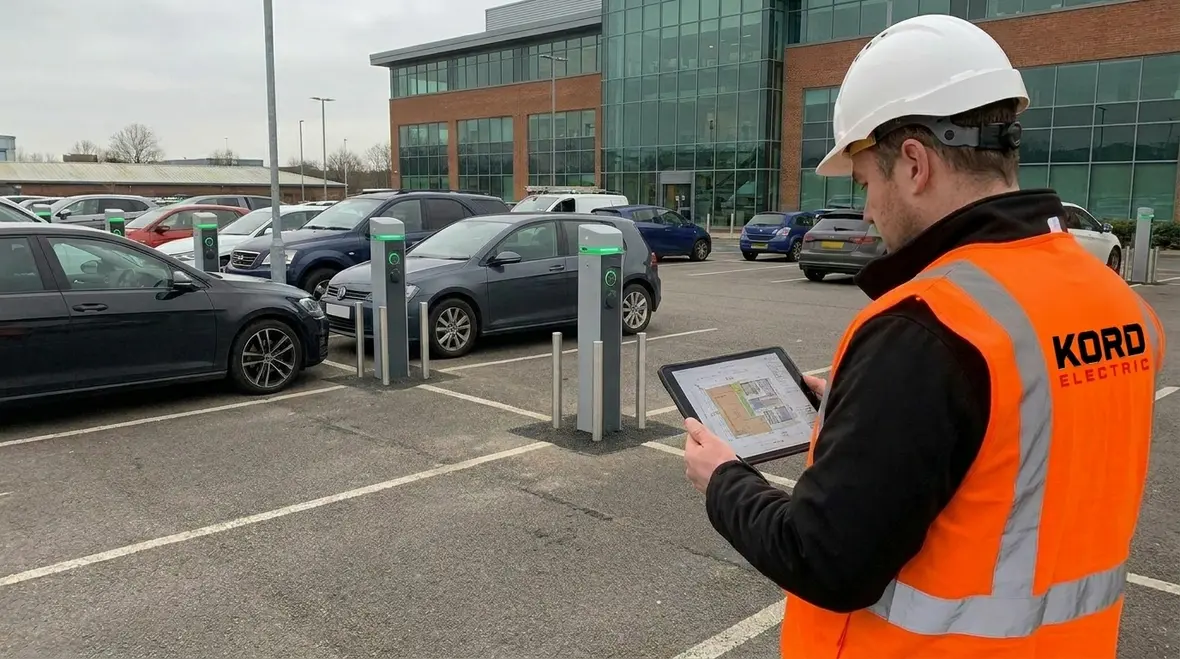
Before a single conduit gets placed, our team starts with the property itself. We review the load profile, utility capacity, available space, and how vehicles actually enter and exit the site. Then we confirm what types of charging the property needs. After that, we map cable routes and consider future expansions, because businesses rarely stop at “one phase” of growth. Additionally, we look at the surrounding conditions such as drainage, weather exposure, and surface material. Concrete and asphalt do not behave the same when crews install hardware, so we plan accordingly.
We also take a hard look at safety and access. For example, a charger should not block pedestrian routes, fire lanes, or normal traffic flow. Meanwhile, we position equipment so maintenance workers can service it without shutting down the whole operation. And yes, we consider signage and wayfinding, because even in 2026, people still try to park like they are in a video game tutorial.
Design electrical capacity and power distribution the right way
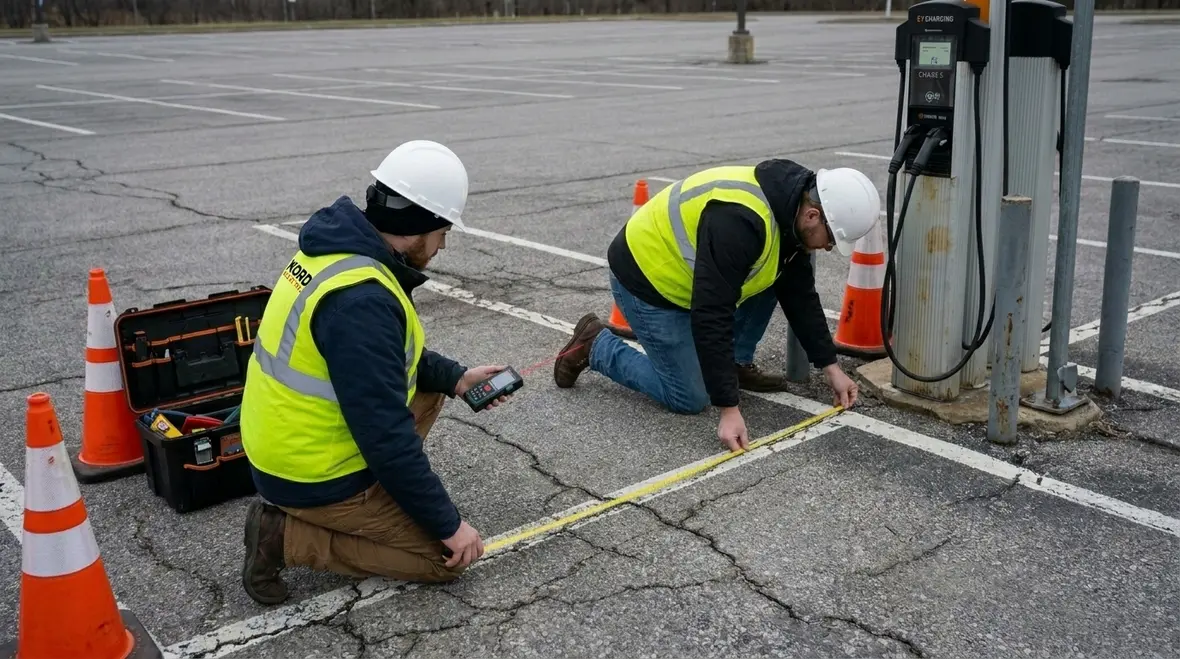
Electrical planning decides whether the station performs well or under delivers. First, we determine the available electrical service size and whether upgrades are required. Next, we design distribution so each charger gets proper power without creating nuisance tripping or uncomfortable load spikes. We also coordinate with the utility schedule, because waiting for utility approvals can turn a simple project into a saga. Then we document the load calculations clearly so stakeholders understand what changes and why.
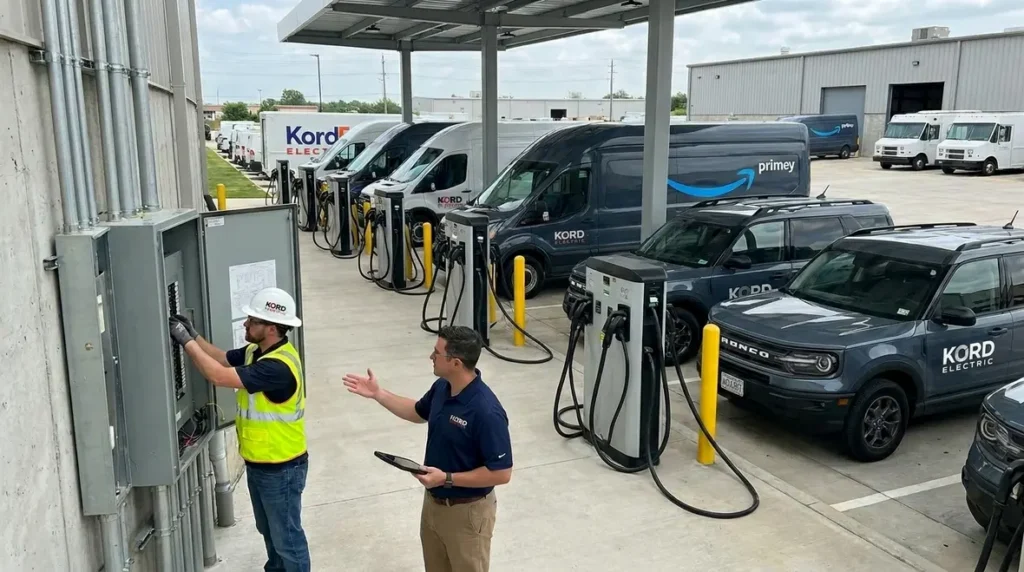
In many commercial sites, the biggest question becomes how to handle demand. For example, several vehicles might charge at the same time during shift changes, lunch breaks, or peak delivery windows. To manage that, we plan for smart load control or phased capacity, depending on the facility and budget. And if the site has existing critical equipment, we take extra care to protect it. After all, a charging station should not compete with the building’s mission critical loads. Nobody wants the lights to flicker because a delivery van wanted “one more fast charge.”
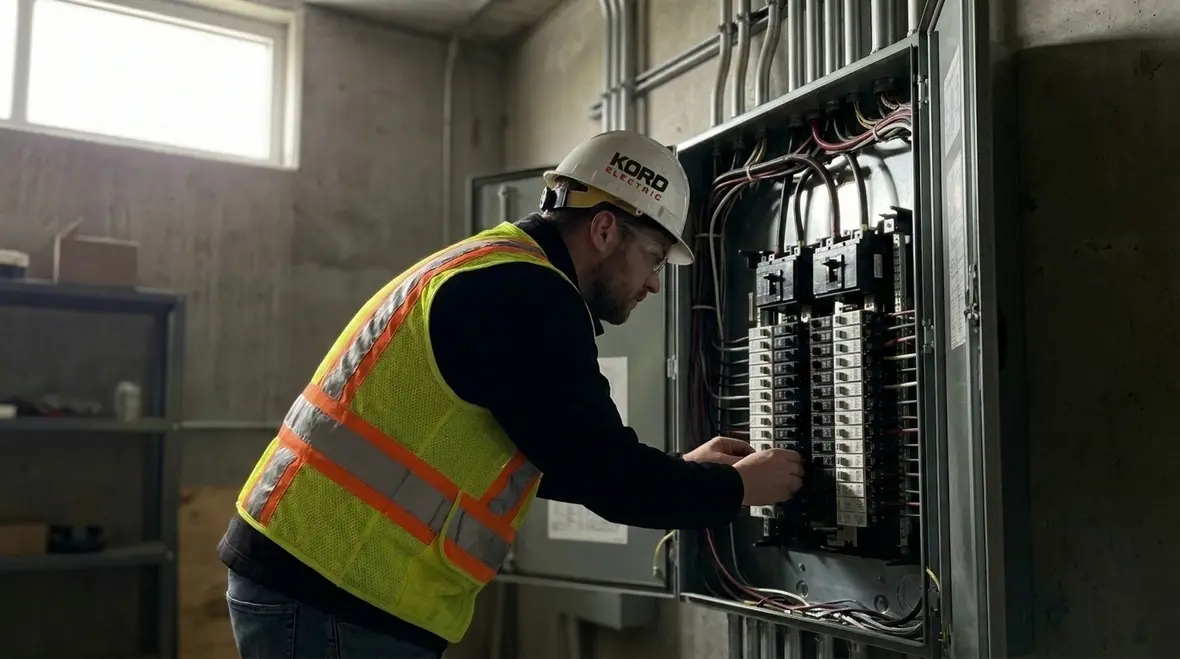
For facility teams who want to dig deeper into how we approach power reliability and distribution strategy, our dedicated EV charger installation service page walks through how we design, install, and commission systems built for commercial and industrial demand.
Choose the correct charger types for fleet and customer use
Not every property needs the same charger configuration. When we plan for a Commercial EV charging station installation, we start by asking who will use the charging. We separate customer visitors, employees, and fleet vehicles into practical categories. Then we match charger output to expected dwell time. Fleet operators might value predictable charging windows, while retail customers might need quick turnaround.
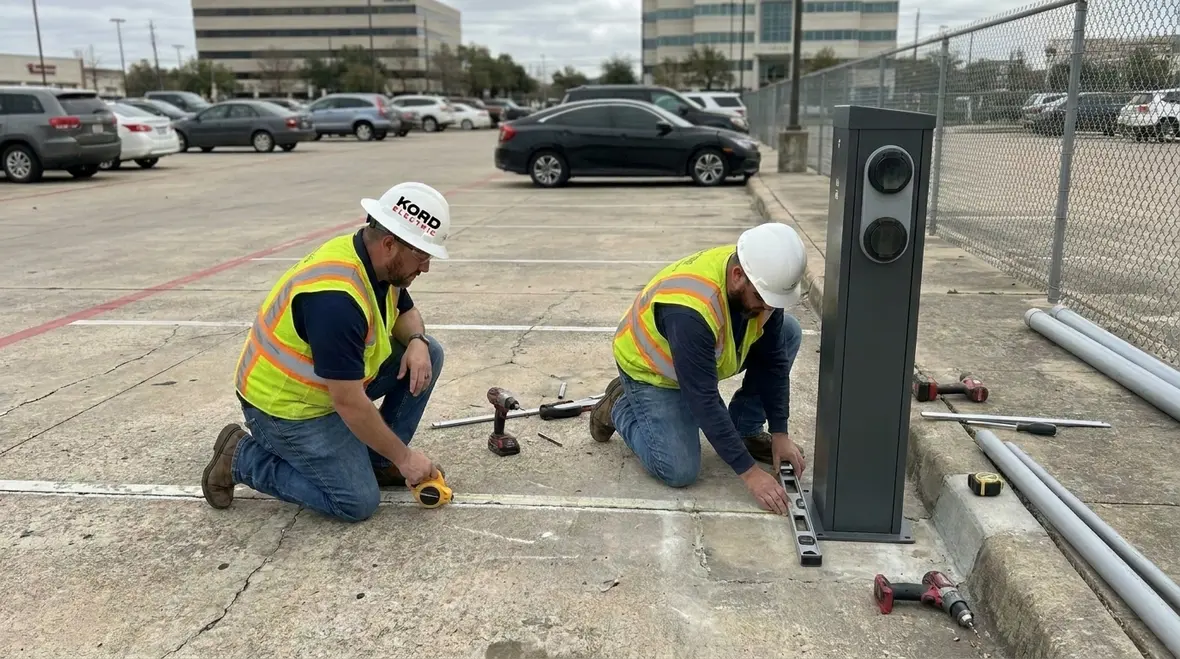
We also account for equipment placement. Dual output units can save space, while pedestal designs can improve durability and reduce cable management headaches. In addition, we consider the difference between AC and DC charging based on your site constraints, installation timeline, and expected vehicle types. While some sites aim for immediate convenience, others invest in DC infrastructure as a long term play. Either way, our technicians explain the tradeoffs so the facility can choose with clear eyes.
Then we think about growth. Businesses often add more vehicles after the first rollout. So we design wiring pathways and electrical capacity with room to expand. That approach keeps future projects smoother and reduces costs later.
Plan for permitting, safety, and smart operations
Permits can feel like paperwork with an attitude, but we handle them with structure. We coordinate with local requirements, code standards, and inspection schedules for commercial and industrial contexts. Our expert service staff provides guidance on what documents are needed, which layouts typically pass faster, and how to prepare the site for inspection.
Safety planning runs parallel to the permit process. We consider grounding and bonding, weatherproofing, labeling, and protection against vehicle impact. Moreover, we plan for clear operational procedures. Who monitors the charging system? Who handles downtime? How does the facility report an issue? We also discuss uptime expectations and how the system connects to management tools. When the planning is done right, the charging system becomes part of the operations, not a separate headache.
Additionally, we help others think about security. For many major property buildings, protecting electrical assets and physical equipment matters as much as the power itself. We design the setup so staff can maintain the system without creating new safety risks or blocking normal building activity.
Budget and schedule the project to minimize disruption
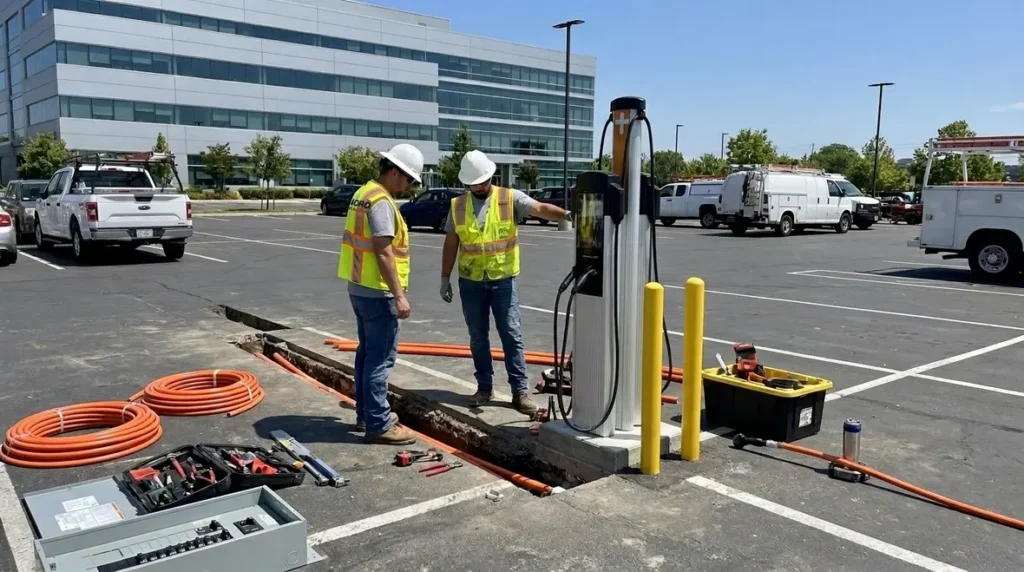
Every property owner wants the same outcome: high performance with minimal downtime. So we plan the construction sequence to reduce disruptions to parking, loading, and daily workflow. First, we confirm staging areas and determine how crews will access trenching and equipment locations. Then we plan around facility schedules, including deliveries, inspections, and peak operating hours. After that, we align procurement timelines for electrical components and chargers.
Costs also need clarity. We help others understand what drives budget differences, including trench depth, trench length, electrical service upgrades, and charging quantity. Additionally, we outline the difference between a basic rollout and a system that supports future expansion and advanced management. We do not hide the details, because a surprise bill is never a good day. We prefer clear scope, documented planning, and realistic timelines.
We also coordinate commissioning and testing. That step matters because it validates that the system delivers power correctly and communicates as expected. In other words, we test before we hand the keys, because “we hope it works” is not a method. It is a prayer.
Prepare the site, install confidently, and keep performance steady
When installation begins, our process stays focused and controlled. We mark routes, verify conduit runs, and install mounting equipment with attention to alignment and durability. Then our technicians connect systems with care, verify proper electrical parameters, and perform functional checks. Meanwhile, we confirm that charger placement supports safe vehicle access and easy use by staff and customers.
After installation, we emphasize the operational side. We explain basic management options and recommended workflows for the facility. If the site uses management software, we help others set expectations for reporting and troubleshooting. Additionally, we advise on maintenance that supports reliability, such as inspections and cleaning around equipment areas. We take a practical view: charging stations must stay dependable through weather, heavy use, and real world conditions.
And because commercial property owners need peace of mind, our expert service staff provides support planning. We help others understand what to expect during early operation, how to respond to fault conditions, and when to schedule preventative checks.
For properties that want to pair new charging systems with broader electrical reliability, our team can also integrate programs such as electrical preventive maintenance so that panels, feeders, and distribution equipment stay in step with your new load profile.
FAQ for commercial property owners
Final word from Kord Electric
When others plan charging for commercial and industrial properties, they should plan like the power and the schedule both matter, because they do. Kord Electric helps you avoid guesswork through site assessment, electrical design, permitting coordination, installation, and steady support from our technicians and expert service staff. If you want a setup that performs, scales, and fits your operations, reach out to us. We will map your next steps and build a plan your property can trust.
If your facility is also considering broader upgrades like lighting or reliability improvements alongside EV infrastructure, our dedicated lighting installation services and emergency electrical services can be paired with your Commercial EV charging station installation to keep your property safe, visible, and operational even under stress.
To move from planning to actionable next steps, you can also review our full commercial EV charger installation service overview, which details how we handle site evaluation, system design, installation, and commissioning for busy commercial and industrial environments.