Commercial Facility Electrical Audit Benefits
Why a commercial facility electrical audit matters from day one
At Kord Electric, we treat a commercial facility electrical audit like a calm, professional inspection that saves stress later. In the first weeks after an audit, we help our teams see what the electrical system is actually doing, not just what drawings say it should do. Then we translate the findings into practical next steps that reduce downtime risk, improve safety, and help a building run smoother. In other words, we find the problems before they find you, and that is a rare luxury in commercial life. And yes, we still get the “we’ll look at it later” line. Later always shows up, like a sequel nobody asked for.
In this article, third person explains the value clearly, and our technicians explain the details in plain language. We also connect the dots to common compliance and efficiency issues that major property buildings in California face, including lighting and electrical requirements. For teams who want to go deeper into code topics, the dedicated resource on commercial lighting compliance in California shows how Title 24 and related standards impact everyday design and maintenance decisions.
What benefits show up after a commercial audit, not just on paper
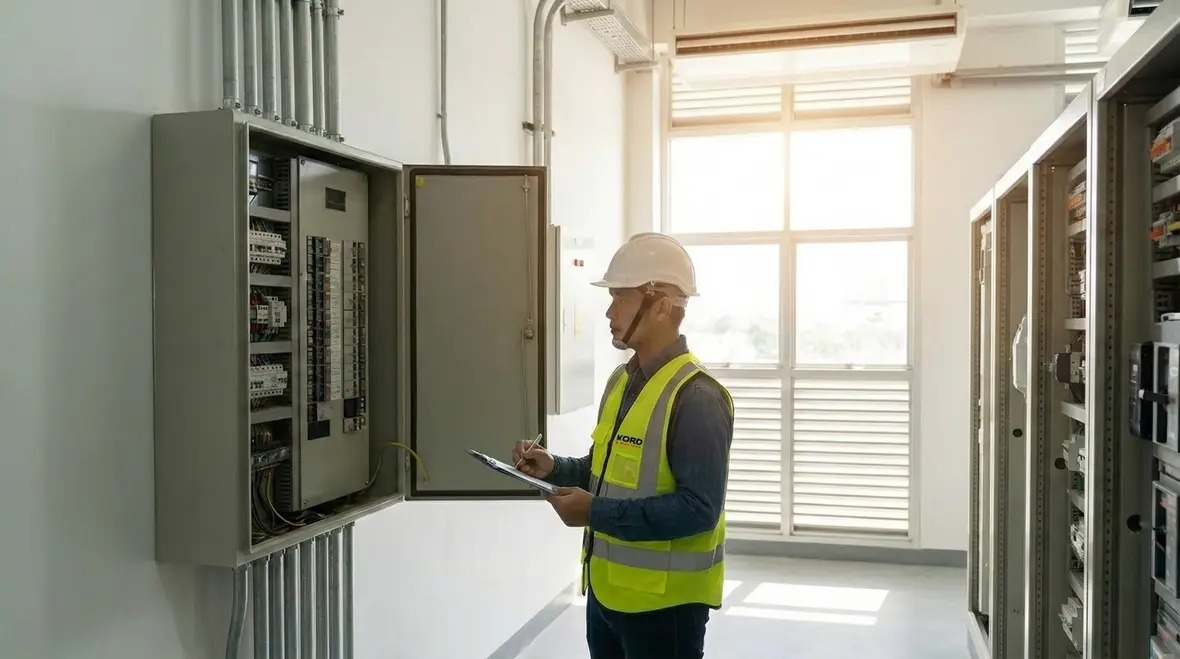
When a team runs a commercial facility electrical audit, results come from real field checks, meter data, and careful observations of how equipment operates in everyday conditions. As a result, the benefits show up quickly, and they keep paying off. Below are the key wins commercial and industrial facility owners typically see after a quality audit.
- Reduced safety hazards: We help identify overheating, loose connections, damaged insulation, and improper bonding. These issues do not politely wait for a scheduled maintenance window.
- Lower risk of unplanned outages: We review load patterns and system performance, then flag components that look likely to fail under real use.
- More stable power quality: We examine issues that cause voltage drop, harmonic distortion, and nuisance trips. These can quietly damage sensitive equipment.
- Better energy control: We spot lighting and power loads that run longer than needed, use inefficient equipment, or miss optimization opportunities.
- Clear priorities and cost planning: We sort findings by impact and urgency, so others can budget with confidence instead of guessing.
Moreover, our expert service staff walks the client through what we found and why it matters. Instead of hiding behind technical fog, we explain in business casual terms, because the goal is action, not a lecture.
How our technicians spot electrical risks during on site testing
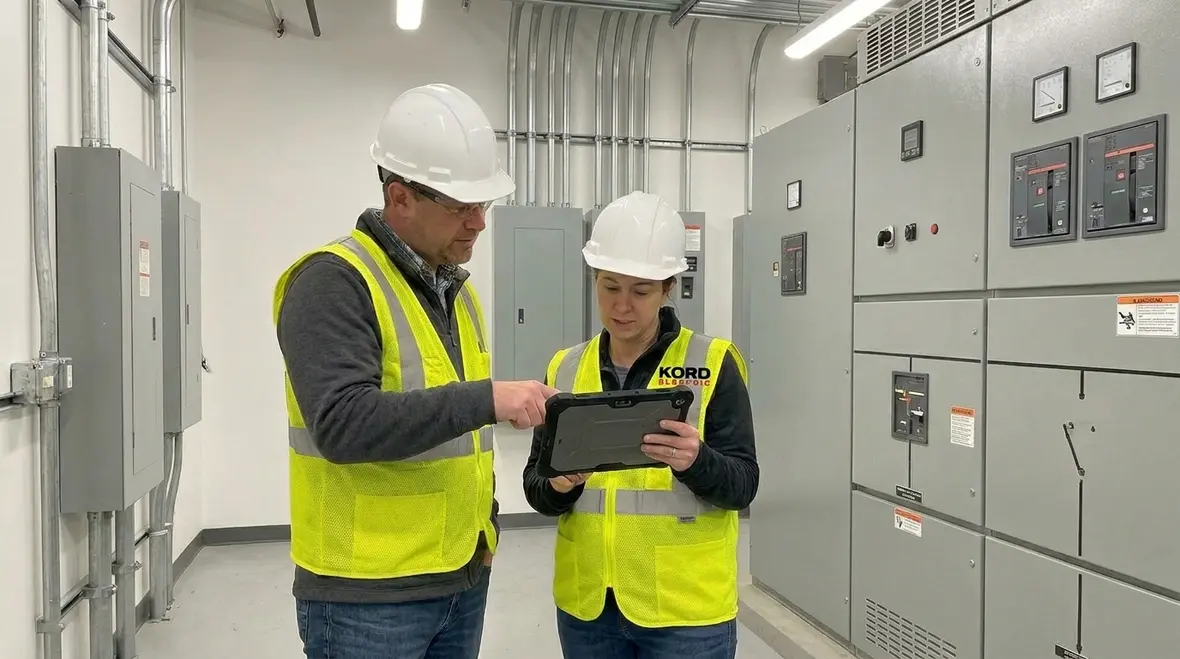
Commercial and industrial buildings behave differently than smaller sites, so the way we inspect must match that reality. Our technicians do not rely on assumptions. They verify system conditions and they document how the facility performs at the time it matters most: during normal operation.
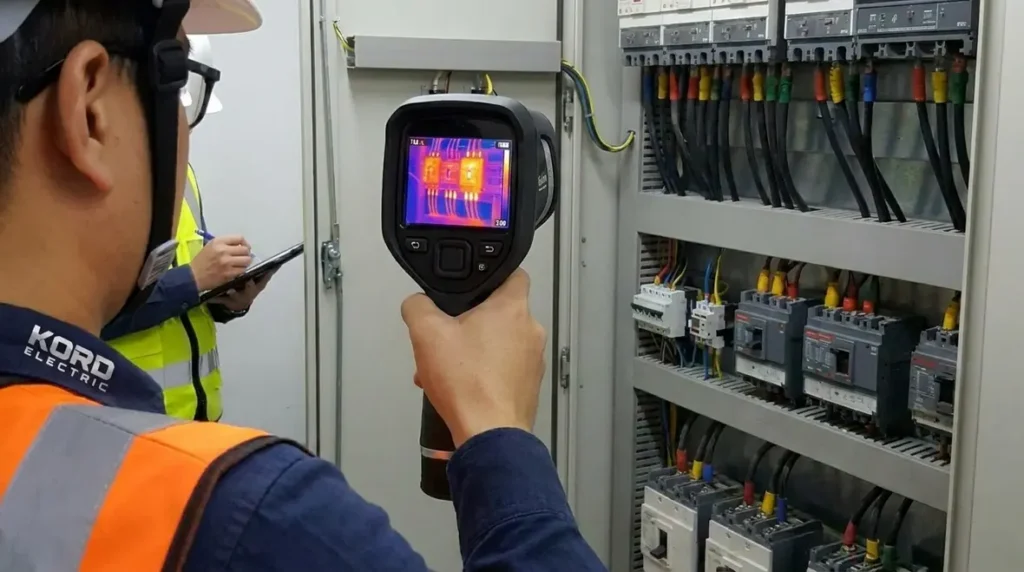
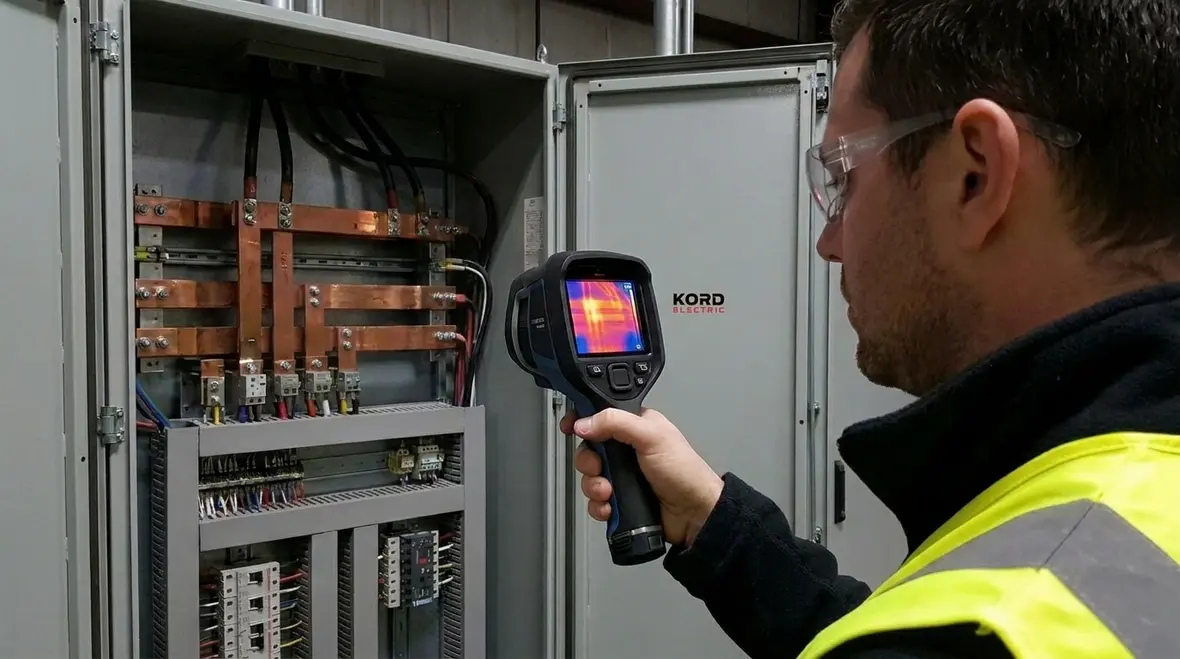
First, we review the building’s electrical one line diagram, panel schedules, and available maintenance history. Then we compare what we see in the field to what the documents claim. After that, we run targeted tests that help confirm the true condition of bus bars, breakers, feeders, grounding systems, and connected loads.
Next, we inspect how loads create stress. For example, facilities often add equipment over time. That includes HVAC upgrades, refrigeration changes, EV charging, process equipment, and office expansions. Even when these upgrades follow good intent, the electrical system may not get a full recalibration. As a result, the facility ends up with hidden strain.
Finally, we communicate findings in a way that others can use. Our team explains each issue, then connects it to safety, reliability, and cost. So instead of a stack of reports that sit on a shelf, the audit becomes a working plan. Like a good roadmap, it keeps people from driving in circles.
Commercial lighting compliance in California and what it means for major properties
Lighting rules in California can feel like a moving target, but they do not need to be confusing. Our approach focuses on what matters: how the facility meets modern lighting standards and how electrical systems support safe operation of that equipment.
In one of our Kord Electric discussions on commercial lighting compliance in California, we explain how lighting requirements affect design choices, controls, and ongoing maintenance. When property teams ignore those details, they often face rework, failed inspections, or higher operating costs. However, when teams plan ahead, they can align electrical infrastructure with current lighting needs.
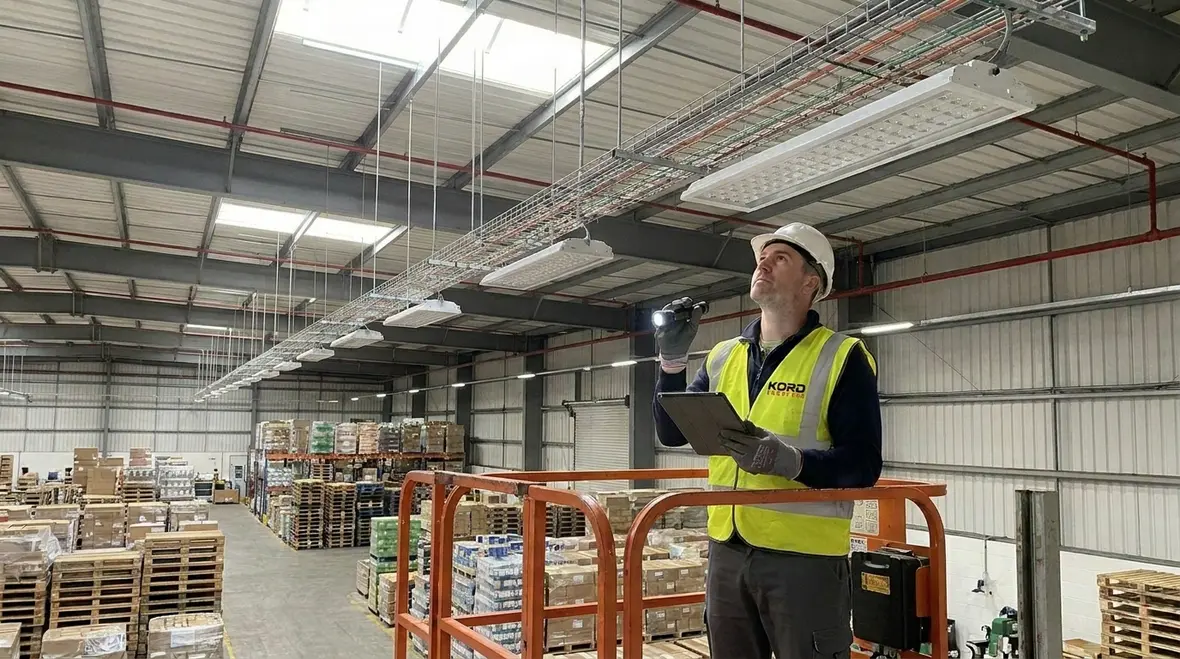
During an electrical audit, we look beyond the fixture itself. We check the circuits feeding lighting loads, verify controls and switching behavior, and identify mismatches between what the building has and what it needs. Additionally, we consider how power distribution and grounding support long term stable performance.
Then we connect the audit findings to action items. For example, if lighting controls work poorly, or if wiring or panel capacity is stressed, we flag those issues early. That way, others can fix the root cause before it turns into costly emergency work. In commercial life, emergencies are like surprise party invites. Nobody wants them, and everyone pretends they are fine.
When an audit uncovers broader electrical concerns across panels, feeders, and distribution, they often pair well with structured programs like Kord Electric’s electrical preventive maintenance, which helps commercial and industrial properties keep lighting and power systems aligned with California’s evolving standards over the long term.
Energy savings and power quality improvements owners can feel
Commercial owners often ask for energy savings first, and we get that. Utility costs can squeeze budgets, especially for major property buildings with long operating hours. Still, savings should not come at the cost of electrical reliability. A quality audit helps teams improve both.
First, we evaluate load profiles. We do not just count lamps, we look at how and when loads run. Then we review scheduling, occupancy control, and switching patterns. As a result, the team can reduce unnecessary runtime without impacting comfort or safety.
Next, we examine power quality factors that affect performance. Voltage dips and harmonic distortion can lead to equipment downtime, early wear, and higher maintenance. When an audit identifies these issues, others can prioritize fixes that protect HVAC systems, manufacturing equipment, IT infrastructure, and anything else that needs stable power.
Then we recommend solutions that match the building’s goals. Sometimes the best path includes lighting upgrades and controls. Other times, it involves adjusting distribution, addressing overloaded feeders, or improving grounding and bonding. In every case, our expert service staff explains the “why” so the client can make decisions with clear eyes.
For facilities that operate across Los Angeles and surrounding areas, the results of a commercial facility electrical audit can also feed directly into broader upgrade plans with providers who understand regional conditions. Kord Electric’s dedicated Los Angeles County electrical services help align energy efficiency projects, power quality improvements, and day to day operations under one coordinated strategy.
Keeping audits useful: a plan for fixes, documentation, and long term upkeep
The value of a commercial facility electrical audit does not end at inspection day. If others treat the report like a trophy, issues return. Instead, we help teams turn findings into a structured improvement plan.
First, we separate recommendations into phases. That helps owners handle urgent safety items before they become incident reports. Then we group medium term upgrades that support reliability and efficiency goals. Finally, we outline longer term work tied to planned expansions or equipment replacement cycles.
Second, we build documentation that supports ongoing operations. Major property buildings need clear records for maintenance, compliance reviews, and internal audits. We keep the process organized so the client can track what got fixed, when it got tested, and what results changed.
Third, we support better maintenance routines. When others follow a practical checklist, they catch small problems early. That reduces the chance of repeat failures across panels, breakers, or lighting circuits.
And yes, we also remind people that “checking later” usually means “paying more later.” This is not a threat. It is just math with a professional tone.
FAQ
Conclusion: get the next step scheduled with Kord Electric
If a commercial and industrial facility wants fewer surprises, better safety, and smarter energy use, a quality electrical audit gives others a solid foundation. Kord Electric sends expert technicians, explains findings clearly, and helps teams turn results into a staged plan that fits real operations. Do not wait for a nuisance trip or a compliance headache to push your timeline. Contact Kord Electric today to schedule a commercial electrical inspection and put your electrical system on steady ground.
When you are ready to move from insight to action, pairing a commercial facility electrical audit with a structured service plan helps keep improvements on track. Kord Electric’s commercial and industrial programs in Los Angeles County and across California are designed to keep critical systems tested, documented, and ready for inspections and growth.