Commercial Facility Power Reliability Audit Guide
Commercial Facility Power Reliability Audit: The Calm Before the Lights Go Out
At Kord Electric, we conduct a commercial facility power reliability audit for businesses that cannot afford surprises. We start by studying how power enters, moves, and behaves across the site, so your operations stay steady and your people stay focused. In the first phase, our expert service staff review utility data, equipment conditions, and load patterns, then they translate findings into clear actions for business continuity. After all, downtime is rarely “surprising.” It is usually “scheduled” by poor planning, like a sitcom that keeps ending on the same cliffhanger. And no one wants their server room to be the character who always dies in season one.
This article explains how a professional power reliability audit works for commercial and industrial facilities and major property buildings, and how we deliver practical results you can act on. Others may promise “better power.” We make sure you understand what you have, what it will do under stress, and what to fix first.
What a Power Reliability Audit Looks Like in the Real World
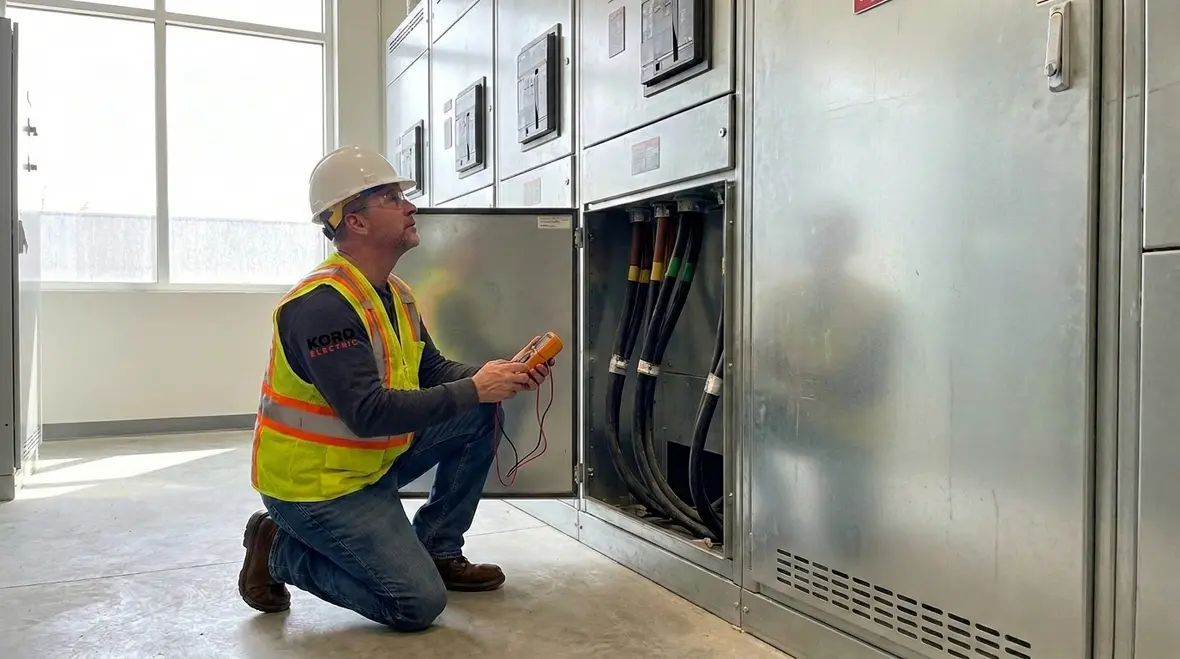
When a commercial building experiences flicker, nuisance trips, or slow recovery after outages, the root cause rarely sits in one place. Instead, issues stack like laundry in a corner. Therefore, our team builds a complete picture. First, we verify the service entrance and distribution pathways, then we examine protection settings, grounding practices, and downstream panels. Next, we review critical loads such as HVAC systems, pumps, elevators, refrigeration, and IT areas where a few seconds can feel like a full day.
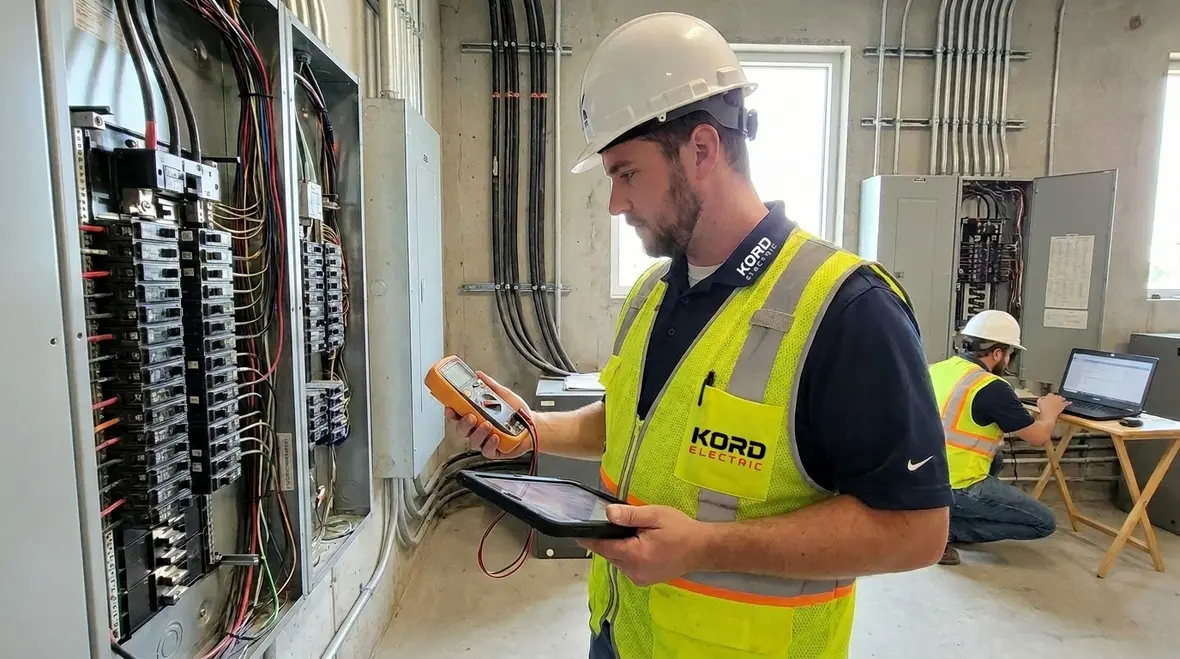
Our technicians do not just take readings and walk away. They combine field observations with utility information, fault history, and equipment age. Then they map the site’s electrical behavior across normal operation and likely upset conditions. As a result, the audit shows where reliability breaks down, which protective devices respond correctly, and which ones may misoperate when conditions change.
To keep everything business friendly, we package the findings in plain language. We also explain tradeoffs so property managers, facilities teams, and electrical decision makers can choose the most cost effective path.
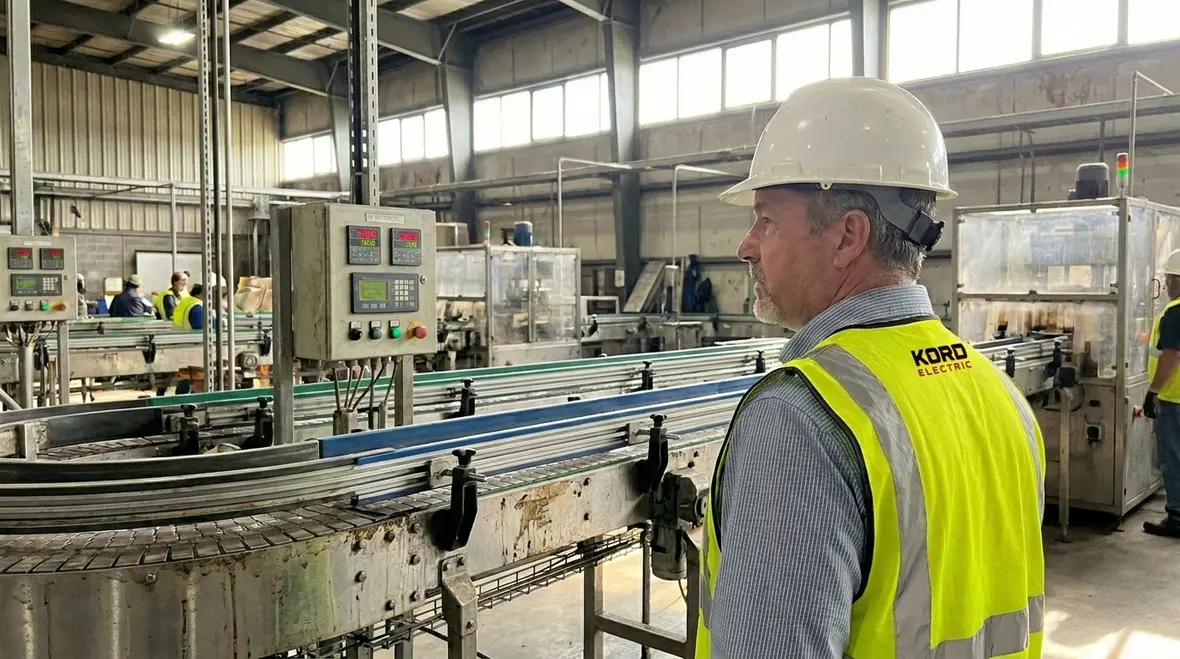
Why Business Continuity Depends on Electrical Quality
Business continuity is not only about staying powered. It is also about staying productive and safe. For commercial and industrial facilities, quality of power affects motors, drives, controls, chargers, and sensitive electronics. If the power arrives with low voltage, phase imbalance, or harmful harmonics, equipment can overheat, fail early, or run inefficiently. Then you do not just lose power. You lose performance, warranties, and sometimes goodwill with tenants and customers.
Moreover, reliability issues rarely announce themselves with a dramatic blackout. They appear as repetitive failures, nuisance alarms, and short interruptions that disrupt processes. Therefore, we help clients see the difference between “it still runs” and “it runs the way you think it does.”
When our expert service staff lead the discussion, they walk through the site’s risk profile and explain what each condition means in practical terms. For example, they can show how certain loads increase stress on transformers during peak hours, or how power factor correction behaves under varying demand.
How We Use Data to Find Weak Points and Hidden Failure Paths
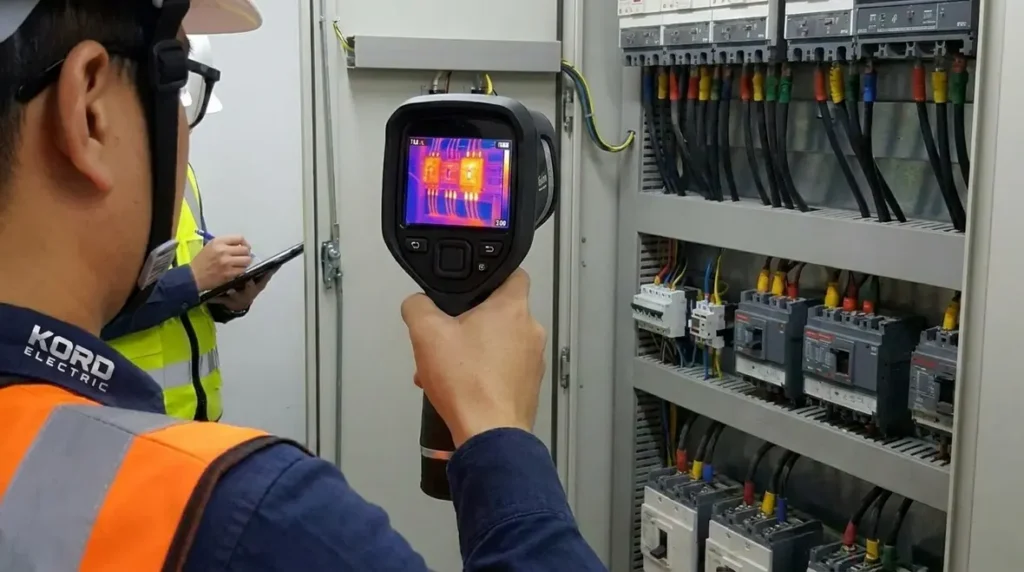
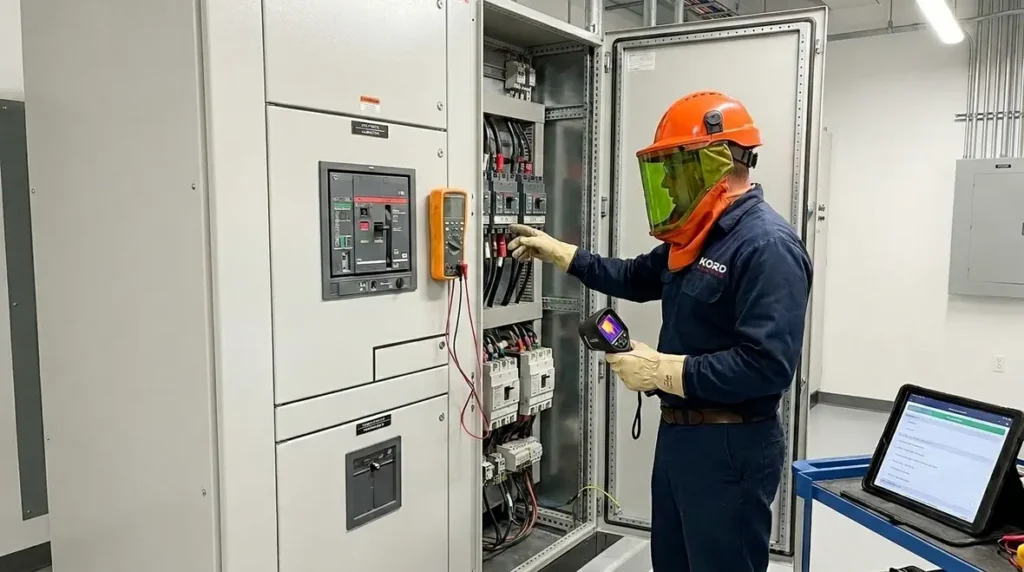
In an effective commercial facility power reliability audit, the goal is to reduce guessing. We start by collecting load information, reviewing one line diagrams, and checking nameplate ratings and operating schedules. After that, we perform targeted site measurements such as voltage quality parameters and system performance indicators. Then we validate how the electrical system responds during events like utility disturbances or internal motor starting.
Our approach stays methodical. First, we confirm that protection devices coordinate properly, so faults clear without dragging the whole facility down. Next, we study transfer and backup paths for any critical systems. Then we examine grounding and bonding, because a “quiet” electrical system still needs a disciplined return path.
Finally, we run the findings into a reliability model that ties electrical conditions to business risk. If a site has frequent start stop cycles, we prioritize motor starting and distribution capacity. If a property supports resident or employee charging, we focus on how the load interacts with existing panels and feeders. And yes, if someone tells you power quality is “fine” because nothing blew up this week, we politely remind them that prevention is cheaper than heroics.
From Findings to Action: The Upgrade Plan That Fits Your Budget
Once we identify the weak points, we translate the results into a phased action plan. This matters because many facilities cannot shut down to install improvements. Therefore, we propose options that align with operating schedules, utility coordination, and critical service windows.
In our recommendations, you will often see three categories: corrections, optimization, and strategic upgrades. Corrections address immediate risks like miscoordination, unsafe bonding, or overloaded equipment. Optimization improves performance by adjusting settings, improving load balancing, or reviewing power factor correction behavior. Strategic upgrades focus on long term reliability, such as upgrading service capacity, improving switchgear readiness, or strengthening critical feeder redundancy.
For clients planning major electrical additions, we also help integrate new loads safely and predictably. For example, Kord Electric supports electric vehicle charger installation by evaluating how charging impacts the facility’s capacity and how it should integrate with existing distribution. Our technicians use the site’s data so chargers add value rather than chaos.
Our Technicians Explain the Why, Not Just the What
A good audit does not hide behind jargon. We explain what we see and why it matters, and our expert service staff take time to answer questions from facilities leaders and property decision makers. You should not need an electrical degree to understand the report, and you certainly should not have to “trust the vibes.”
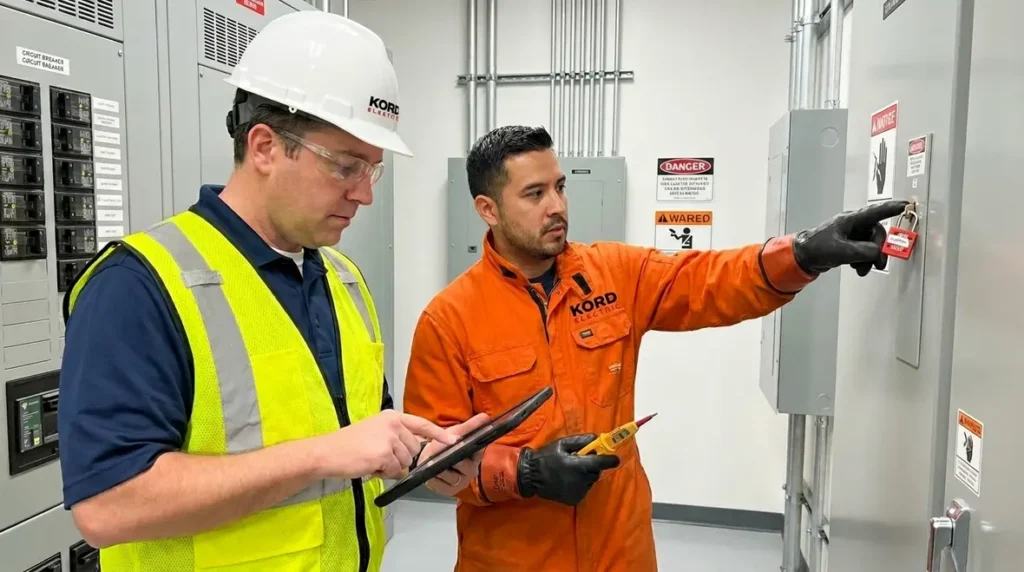
During walkdowns, our team points out conditions in plain sight. Then we connect each item to operational impact, such as nuisance tripping that disrupts production, or voltage dips that can reduce equipment life. As a result, stakeholders can approve upgrades with confidence, not confusion.
We also make sure the communication stays calm and practical. If a recommendation affects timelines, we tell you what to expect. If an option is flexible, we say so. And if the best path is simply to adjust a setting or improve coordination, we do not upsell you into unnecessary work. That is not how we operate. We prefer long term partnerships to short term “gotcha” fixes.
Commercial and Industrial Reliability: Common Challenges We Handle
Commercial and industrial facilities face unique electrical pressures. Warehouses handle frequent motor starts. Office buildings run long duty cycles with varied occupancy. Manufacturing sites depend on stable control systems. Major property buildings often include multiple tenant loads behind shared infrastructure. Therefore, reliability risks are diverse and they shift with the facility’s schedule.
We frequently address issues such as aging switchgear, unverified load calculations, poor feeder sizing, outdated protection settings, and insufficient harmonics control. We also help with coordination between utility service behavior and on site protective devices, because the utility does not care about your downtime schedule. It only cares about physics.
Additionally, we support growth planning. When facilities add new processes, new refrigeration, new HVAC capacity, or new charging stations, the electrical system must adapt. We help clients avoid the common trap: adding equipment first and checking capacity later. That is like adding seats to a bus before checking whether it can move uphill.
As part of that planning, many facilities review related services such as voltage fluctuation diagnostics and repair to keep equipment stable under changing loads, especially as new projects come online.
How a Commercial Facility Power Reliability Audit Supports Long-Term Strategy
A single commercial facility power reliability audit is not just a one-time inspection. It becomes a baseline for longer term planning. Once the site’s electrical behavior is documented, property leaders can map upgrades over multiple budget cycles instead of reacting to isolated failures. That means fewer surprise shutdowns and a clearer case for capital investments.
We often connect audit findings with larger electrical roadmaps. For example, when a facility is already considering panel upgrades, rewiring, or additional backup capacity, the audit helps prioritize which projects deliver the most reliability per dollar. It also identifies when targeted improvements—such as better coordination, improved grounding, or strategic feeder resizing—can defer more disruptive work without increasing risk.
When combined with services like preventive maintenance and voltage fluctuation correction, an audit supports a culture of proactive electrical care. Instead of waiting for something to break in the middle of a critical shift, teams operate from a clear understanding of their system and a realistic schedule for upgrades.
Aligning Your Audit With Facility Operations
Scheduling matters as much as engineering. Many commercial facilities cannot simply power down large areas for testing or upgrades. During a commercial facility power reliability audit, we coordinate field work around production, tenant access, and safety requirements. That can include working during off hours, sequencing tasks by area, or aligning certain tests with existing shutdown windows.
We also document what can be done live and what must wait for an outage window, so decision makers have a realistic view of time and risk. When it is time to implement recommendations, the same philosophy applies: the work plan respects your business, not the other way around.
For multi-site operators or owners with several properties in Los Angeles County, an audit can be replicated and adapted from building to building. That makes it easier to roll out standards, plan multi-year investments, and coordinate services across locations using dedicated support such as Los Angeles County electrical services for commercial facilities.
FAQ
Ready to Protect Your Operations?
If your facility depends on steady power, Kord Electric can help you reduce risk before it becomes downtime. We conduct a commercial facility power reliability audit that ties electrical performance to business continuity, then we deliver a practical plan your team can act on. Contact us to schedule an assessment and get a clear view of what needs attention, what can wait, and what upgrades deliver the best reliability per dollar. Let us make your power system as dependable as your service promise.
If you are also planning broader electrical improvements or preparing for growth across multiple locations, our team can align the audit with related services like emergency response, voltage correction, and ongoing maintenance so your strategy stays cohesive. When you are ready to move from planning into action, we can help you prioritize projects, coordinate work, and keep your operations running while improvements take shape.
For facilities that see EV charging, new production equipment, or major tenant upgrades on the horizon, pairing a commercial facility power reliability audit with a focused conversation about capacity, code compliance, and future load paths can save years of piecemeal fixes. Whether you are managing a single critical site or a portfolio of commercial properties, Kord Electric is ready to help you turn hidden electrical risks into a clear, reliable plan.