Commercial Lighting Control Systems for Savings
Kord Electric installs Commercial Lighting Control Systems that help building teams cut wasted energy and tighten electrical costs, without dimming comfort. In a typical facility, lights run on routines, not real demand. Then the bills arrive like that one uninvited guest who “just needed to see the place” and stayed for dinner. Our technicians and expert service staff handle the planning, wiring, testing, and documentation so the solution works the way you expect. And because we work only for commercial and industrial facilities and major property buildings, we focus on the real-world needs: occupancy patterns, multiple zones, safety rules, and long-term maintenance. In this article, we explain how intelligent controls improve efficiency, how they reduce costs, and how we support your team step by step.
Why smarter lighting saves energy, not just electricity

Intelligent lighting controls reduce energy use by matching light output to what the space actually needs, when it needs it. Instead of turning everything on at once, the system learns your facility’s behavior. Then it adapts through schedules, occupancy sensing, daylight response, and zoning. This approach matters because most commercial lighting energy waste comes from lights running during unoccupied hours or when daylight already covers the task.
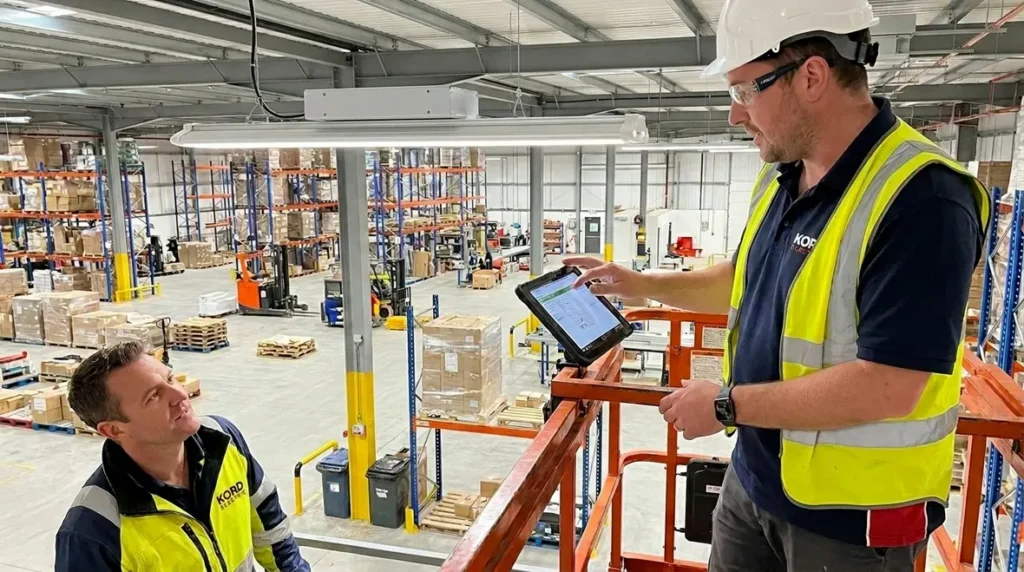
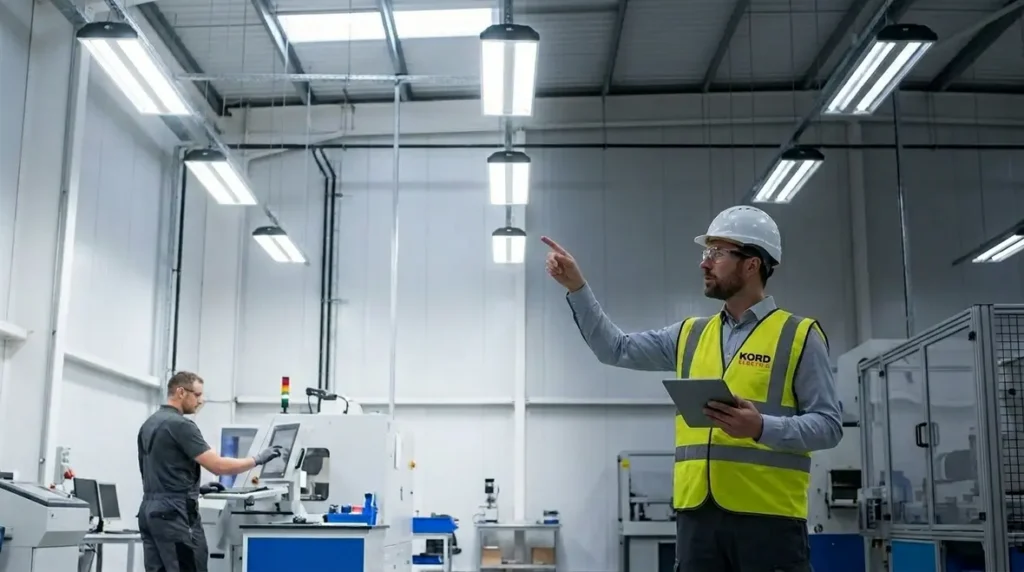
For example, a warehouse may look busy today, yet the flow changes by shift. Therefore, a control system can keep warehouse bays dimmer in low traffic areas and brighten only the zones where motion or activity occurs. Similarly, offices can run task lights differently than perimeter lighting since daylight often enters near windows. In addition, controls can use time based logic for recurring patterns like meetings, cleaning cycles, and weekend shutdowns.
Our team often describes the difference like this: basic lighting is like a thermostat that only knows “freeze” and “boil.” Intelligent controls behave more like a person who reads the room. And if that person also checks the forecast before watering the plants, everyone wins.

How we cut costs through smarter load management
Energy efficiency is the headline, but cost reduction comes from how controls handle electrical load over time. When lighting demand drops, your facility reduces peak power draw. Then utility charges often improve, especially when demand based billing applies. Even when demand charges do not hit hard, lower total load can reduce stress on panels and feeders, which helps slow asset wear.
Cost control also improves through less re-lamping and fewer service calls. When the system dims lights during low demand periods and reduces on time, lamps and LED drivers often last longer. And when a portion of the building stays off while others remain in use, maintenance teams spend less time replacing what does not need replacement yet.
To show how commercial wiring decisions shape lifecycle costs, Kord Electric also shares practical guidance in our guide on rewiring costs for commercial systems. In that article, we explain how planning affects future upgrades and how avoiding late changes can prevent expensive rework. The same logic applies to lighting controls. If a facility installs controls without planning the wiring paths, device locations, and integration points, then the project becomes a patchwork job later. However, when we design the system with a long view, your facility avoids the “we will fix it after the fact” trap. You can explore these wiring strategies more deeply in our Rewiring Cost Guide for Commercial Electrical Systems.
Commercial Lighting Control Systems in real facilities: zones, schedules, and safety
Every commercial and industrial space has different rules, and lighting controls must respect them. We design Commercial Lighting Control Systems around zoning strategy first, then control logic, and finally integration with building schedules and safety needs.
Zoning means separating lighting by area and function. Instead of controlling an entire floor as one, we divide spaces such as corridors, lobbies, classrooms, labs, staging areas, offices, and parking access points. As a result, each zone can follow its own schedule and occupancy rules. Then daylight sensing can adjust perimeter lighting while keeping interior levels steady.
Scheduling adds another layer. For instance, we can program office lighting to reduce output outside business hours, while production spaces maintain different settings that match shift patterns. Moreover, cleaning schedules and maintenance windows can trigger temporary modes without turning the whole building on like a holiday parade.
Safety and code requirements also matter. Exiting paths and critical areas need consistent behavior. Therefore, the controls must coordinate with emergency lighting strategy and with the facility’s electrical standards. Our technicians review these details so the system supports safety, not surprises.
Daylight harvesting and occupancy sensing that actually behave
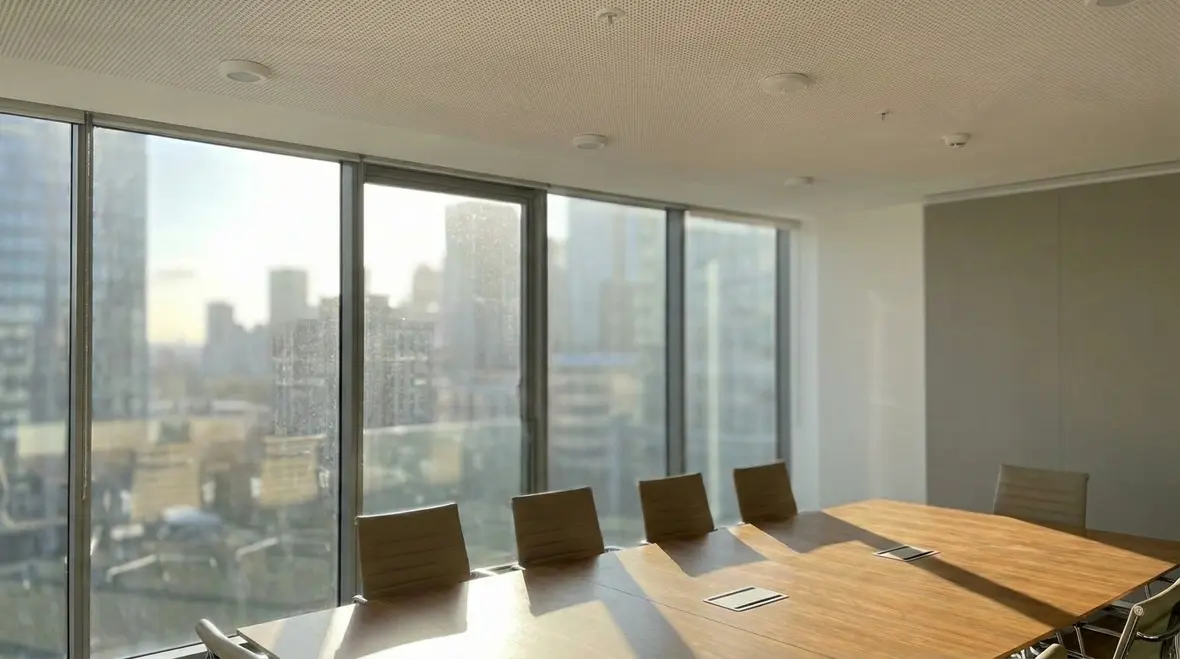
Daylight harvesting can reduce energy even when occupancy stays constant. In other words, people work all day, but daylight can carry part of the lighting load. Thus, sensors adjust electric light output rather than relying on a manual switch that never gets flipped by anyone at 3:00 PM. Meanwhile, occupancy sensors help prevent energy waste in spaces that sit idle: conference rooms, restrooms, storage rooms, and meeting areas.
However, performance depends on proper placement and settings. If sensors go in the wrong location, they may miss motion, and if settings get too aggressive, lights can flicker when they should not. Therefore, we calibrate for the real usage patterns you see during your day, not the fictional patterns we all wish existed. Our service staff then helps you understand the settings, what each mode does, and how to handle common scenarios such as after-hours maintenance or unusual events.
We also check how control strategies affect user comfort. People do not want to feel like the building is teasing them with light levels. So we use smooth transitions and stable dimming curves where needed. And when a system includes switching and dimming, we coordinate the behavior so it feels natural.
Reduced wiring churn: planning today prevents expensive changes later
Smart controls bring value, yet we also treat installation as a long-term project. When facilities plan early, they avoid tearing up ceilings twice. Therefore, our approach emphasizes pathways, device mounting locations, and control panel layout from the start. We follow a disciplined process so the system runs cleanly and the facility stays operational.
That planning mindset connects back to what our team already discusses in our rewiring cost guide for commercial electrical systems. In that guide, we outline how cost changes when scope expands, when access work grows, and when changes happen after design is settled. Lighting controls face the same reality. If someone adds new zones, moves sensors, or requests panel changes after the work begins, costs can rise fast. Yet when we gather information up front and map the building’s needs, the job stays controlled.
Also, controls reduce future labor because many adjustments move to programming rather than rewiring. So when occupancy patterns shift or a tenant layout changes, teams can update schedules and zones without chasing wires across the building like they are searching for a lost remote.
Working with Kord Electric technicians for a smoother rollout
We do not just install and walk away. Our technicians and expert service staff help clients move from “system exists” to “system runs well.” First, we explain what the controls do in plain terms. Then we review how the schedule and zoning logic will behave on weekdays, weekends, and special modes. After that, we test each area to confirm the sensors, dimming levels, and switching sequences behave as designed.
Then we support your team during the handoff. If facility managers ask, “Why did this zone stay dim earlier?” or “How do we handle holiday hours?” our staff can show where the logic sits and how to adjust it responsibly. Because we work only with commercial and industrial facilities and major property buildings, our conversations stay focused on practical building operations, not one-off solutions for homes.
And yes, we expect questions. If a building manager never asks a question, either everything is perfect or everyone is too polite to admit the system does not match the building’s reality. Our team prefers the first, but we can handle the second.
Frequently asked questions about intelligent lighting controls
Smart lighting controls are a business decision, not a tech hobby
Intelligent controls cut waste by aligning light output with real occupancy and daylight. They help reduce peak demand, improve maintenance planning, and lower long-term electrical stress. Most importantly, our technicians and expert service staff help your team deploy the system with clear zoning, dependable schedules, and proper calibration. If you manage a commercial or industrial facility or a major property building, we can evaluate your layout and recommend an approach built for your operations.
If you are planning broader upgrades, pairing Commercial Lighting Control Systems with strategic projects like an LED retrofit or a wiring overhaul can unlock even more savings. Many facility leaders start with resources such as our Commercial Lighting Upgrade Cost Guide and our Rewiring Cost Guide for Commercial Electrical Systems to understand how controls fit into long-term capital planning.
When you are ready to move from ideas to implementation, Kord Electric’s dedicated commercial team can help design and install systems that blend code compliance, efficiency, and real-world usability. To explore a project for your building or portfolio, visit our Commercial Lighting Installation Services and connect with our team about your next step.
Reach out to Kord Electric today, and let’s turn lighting into measurable savings your finance team can actually see on the monthly reports.