Electrical Preventative Maintenance Scheduling
At Kord Electric, we set our work around one simple idea: aging electrical systems do not politely wait until they fail. That is why we lead with Electrical Preventative Maintenance Scheduling as part of our commercial and industrial service planning. When our team builds a thoughtful cycle, others get fewer surprises, steadier power, and safer operation. In turn, facilities teams spend less time chasing outages and more time running the business. And yes, we know, preventative maintenance sounds like one of those “responsible grown up” things people claim they will do someday. We prefer “today,” because power problems rarely announce themselves like a pop concert lineup.
Why aging electrical infrastructure needs prevention, not reactions
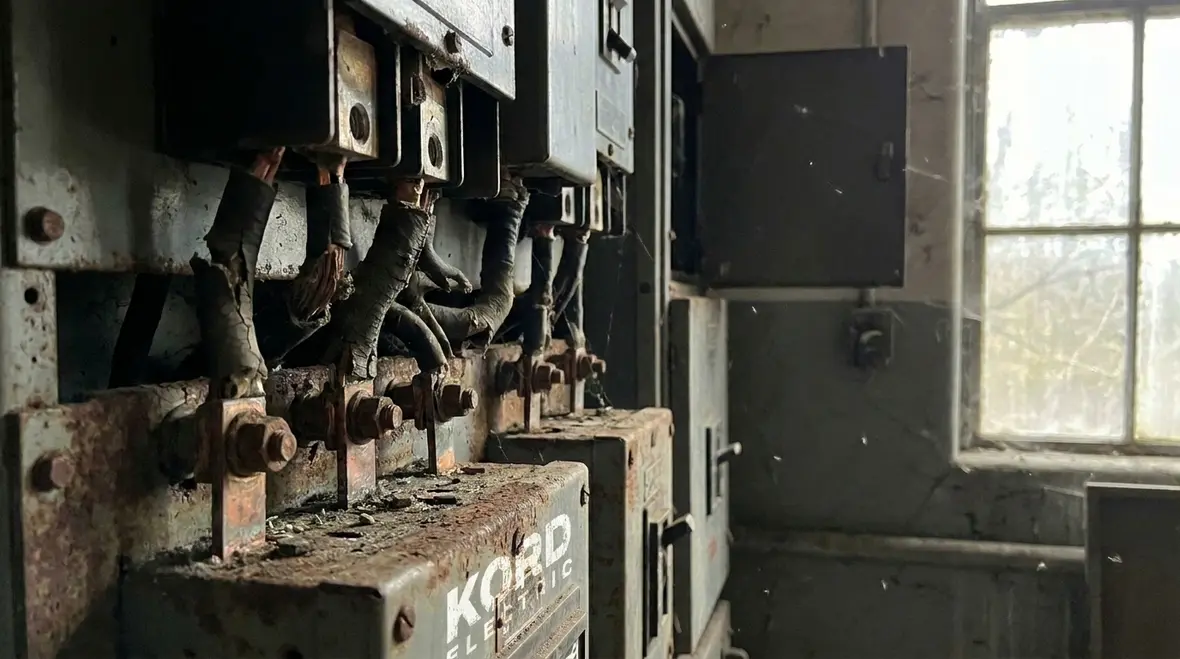
Third person can describe it plainly, but we see it every week in commercial and industrial buildings: once electrical gear ages, it starts acting like it is tired. Over time, insulation dries, connections loosen, and heat cycling works its way through breakers, bus bars, switchgear, and panel components. Then, small faults grow into larger ones, and the facility team gets stuck choosing between downtime or expensive emergency repairs. Meanwhile, the cost of reactive fixes usually includes overtime, production interruption, and a “please hold while we find parts” moment that feels like streaming on a bad Wi Fi connection.
With a structured Electrical Preventative Maintenance Scheduling plan, we look for early warning signs during normal operating windows. As a result, we do not just check “does it power on.” Instead, we measure what is happening inside the system, then we address issues before they become failures.
What we inspect during a real preventative maintenance cycle
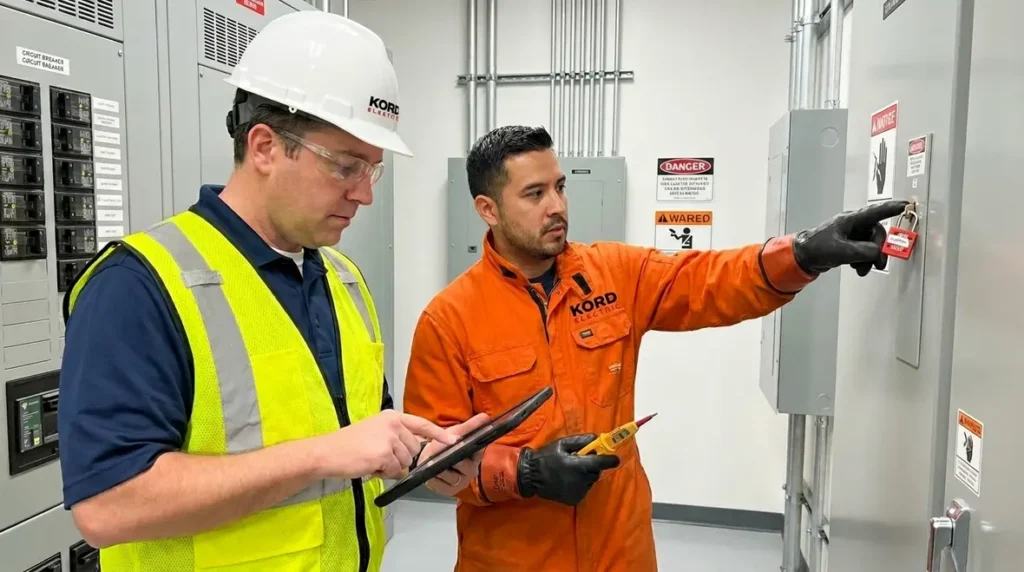
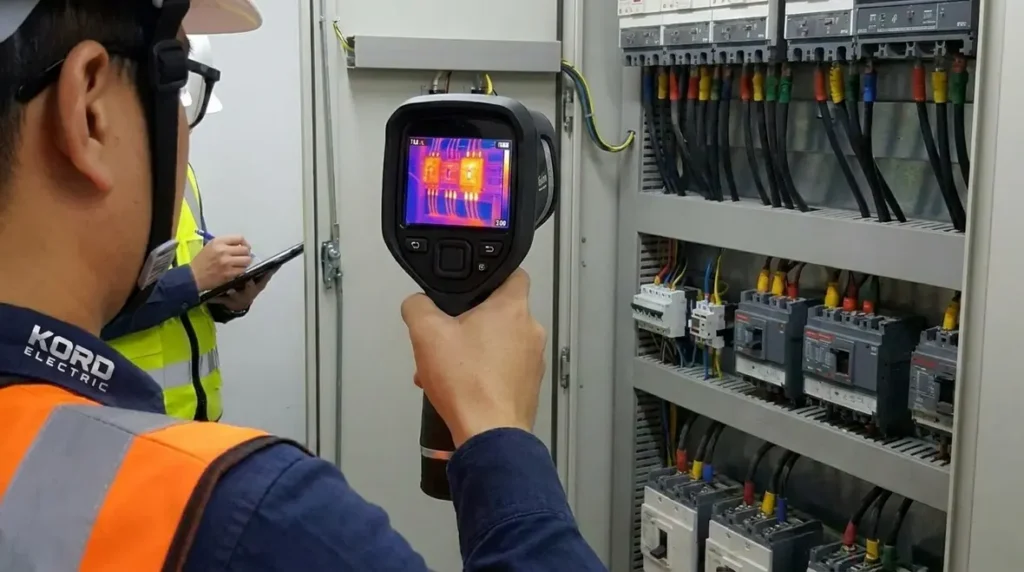
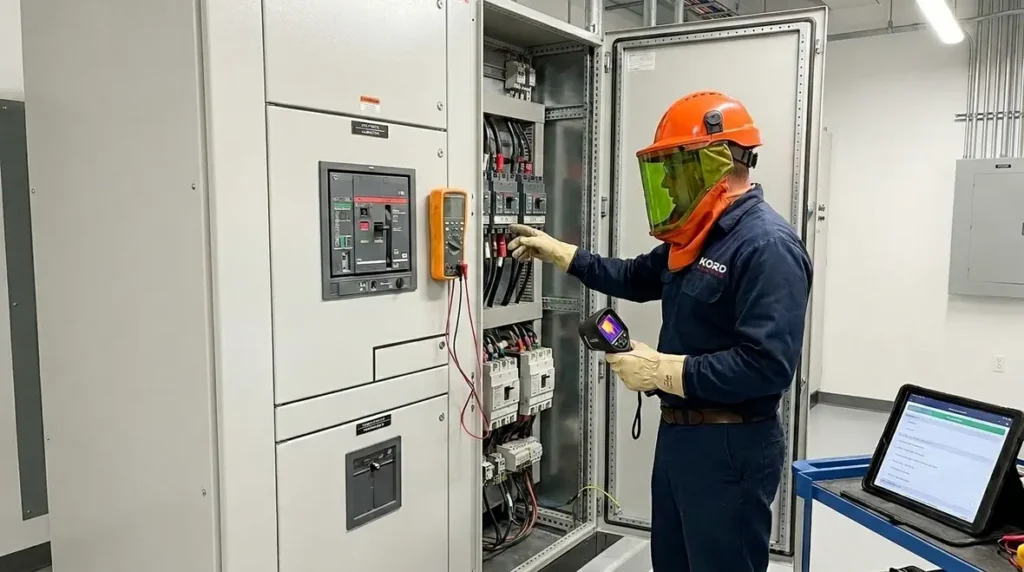
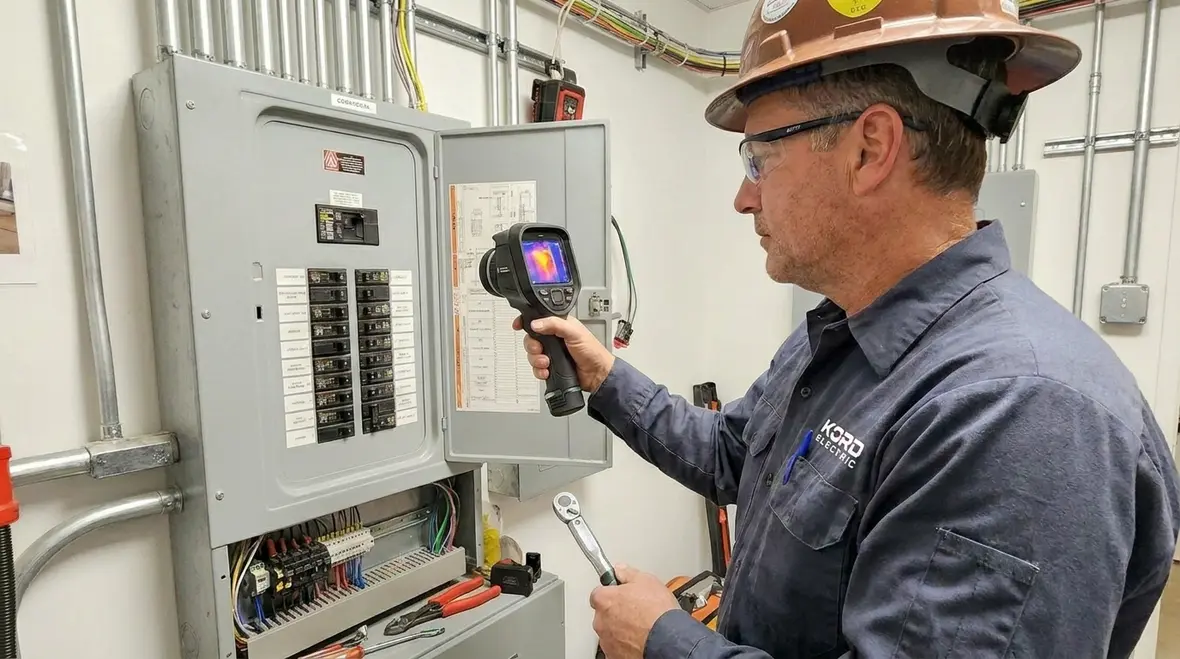
Our technicians and expert service staff do not rely on guesswork. They follow repeatable steps and use field knowledge to find the details that matter. Even better, they explain what they see in a clear way, so facility managers understand the “why,” not only the “what.” The checks often include visual inspections, torque verification on critical terminations, condition observations of switchgear, and review of warning indicators. Then, depending on the facility, we add deeper evaluation steps that fit the equipment type and risk level.
Because electrical systems behave differently under load, we align inspection timing with how the building operates. For example, a distribution system in a manufacturing site sees different stress than an office building. Therefore, our cycle supports the building’s reality, not a one size plan. Our technicians also document findings in plain language, so others can track patterns over time.
To keep things practical, we also consider how the system has been changed over the years. Many facilities grow, renovate, and add loads. Consequently, the electrical design can drift away from the original assumptions. Preventative maintenance helps catch that drift early, before the system becomes overloaded or unevenly loaded across phases.
How preventative maintenance reduces downtime and hidden costs
Downtime rarely looks like a single event. It typically begins as subtle performance problems. A breaker trips more often than it should. A panel runs warmer than expected. A motor control starts to show inconsistent behavior. At first, teams handle it with “quick fixes.” However, those fixes can mask the real cause, and the underlying condition can keep worsening.
When we run an Electrical Preventative Maintenance Scheduling program, we target the kinds of issues that cause unplanned shutdowns. Over time, we help reduce nuisance trips, avoid escalations in heat related failure, and limit damage spread. In other words, we help protect equipment and protect schedules.
There is also a less obvious financial side. Emergency work often costs more because it happens on short notice. Parts get expedited. Labor runs at premium rates. And sometimes a facility pays for repairs while also paying to keep operations going through makeshift power plans. Preventative maintenance works the other way. It helps others plan their budgets and coordinate with operations, which is usually far cheaper than acting like a crisis hotline at 2 a m.
Electrical failure risks we prevent in commercial and industrial buildings
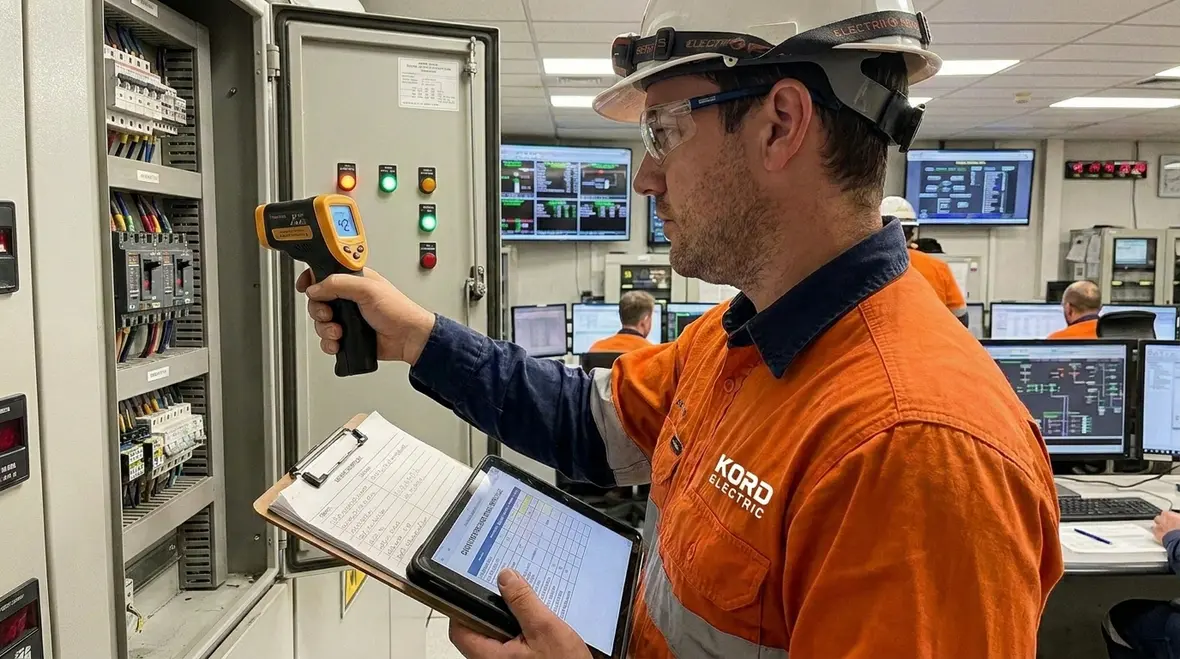
Electrical risk does not show up as one single headline. It appears as a chain of small conditions that align. Loose connections can create hot spots. Degraded insulation can lead to arcing. Corrosion can affect conductors and terminations. And poor harmonics or load imbalance can stress components faster than expected.
During our maintenance cycles, we focus on risk pathways that matter in real facilities. We also make sure the work supports the equipment that actually runs the building. For example, large property owners often operate distribution equipment that must handle sustained demand. If that equipment ages without a planned cycle, small faults can turn into catastrophic failure.
Our service staff also considers safety outcomes. They evaluate conditions that could lead to shock hazards or fire risk. Then, they help facilities teams stay ready for the next phase of planning, including upgrades when they are truly needed.
When upgrade planning and preventative maintenance work together
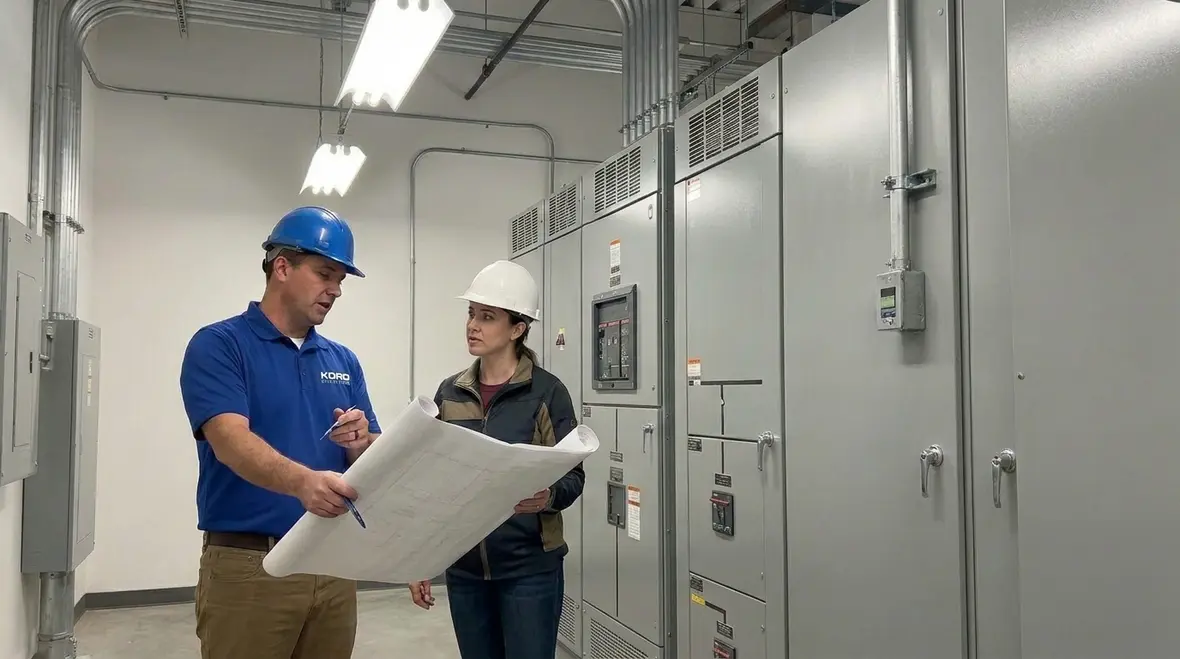
Preventative maintenance does not replace upgrades. It supports them. When we find repeated wear, outdated components, or signs of chronic stress, we can help others plan targeted improvements instead of reacting to breakdowns. That is where the planning mindset matters, especially in commercial and industrial environments with long asset lifecycles.
Some teams avoid upgrades because they feel the cost will be unpredictable. However, when we plan with clear information, the project looks more manageable. In our blog about commercial lighting upgrade costs, we explain how upgrade planning can be approached with structure and expectations, including what influences pricing and the time component of upgrades. That same logic applies to broader electrical modernization. When others understand the cost drivers and timing, they can align decisions with facility goals rather than panic timelines. For a deeper cost breakdown, you can also review our dedicated guide here: Commercial Lighting Upgrade Cost Guide.
Therefore, our approach blends prevention with decision support. We inspect, we document, we explain, and we guide next steps. If an upgrade makes sense, we help prioritize it. If the system only needs targeted repairs, we recommend that too. Either way, we keep the focus on reliable power and stable operations.
How we schedule maintenance so it fits real building operations
One reason Electrical Preventative Maintenance Scheduling fails in many places is that it gets treated like a generic checkbox. It is not. Scheduling must respect the building’s load profile, staffing, and safety requirements. Our team builds cycles that support commercial and industrial sites, where downtime can disrupt production, deliveries, or customer service.
First, we help others identify the equipment list and the critical loads. Then we review what the facility needs to keep running during inspections. After that, our service staff sets maintenance windows, and we outline what work can happen without stopping essential systems. When shutdowns are needed, we plan them carefully and coordinate the steps.
Communication stays steady. We explain what technicians will do, why it matters, and what facility staff can expect. Then, after the work, we provide clear findings and recommendations in language that does not require an electrical degree to understand. Our technicians may sound calm, but they do not take shortcuts. We keep the process structured, because power systems do not reward improvisation. They just punish it.
Why professional expertise matters more than “good enough” checks
Some facilities assume basic visual checks are enough. Yet electrical problems can be invisible until they become urgent. Our technicians use proven methods to find conditions that cannot be detected from across the room. Moreover, they understand how equipment behaves under load and how aging changes failure patterns.
Just like a doctor checks more than the surface symptom, we look at what the electrical system tells us. In addition, our expert service staff explains the results so others can make decisions with confidence. That reduces the chance of repeating the same problem next year, because the facility team understands what changed, what remained stable, and what will likely need attention soon.
We also keep the documentation useful. When property owners track trends, they can plan budgets and replacement cycles with less guesswork. In the end, good preventative maintenance becomes a management tool, not a stressful recurring expense. And if someone tries to call it “overkill,” we smile. Then we fix the issue that overkill would have caught sooner.
FAQ
Ready to protect your electrical system before it costs more?
Kord Electric helps commercial and industrial facilities run Electrical Preventative Maintenance Scheduling that reduces downtime risk, supports safety, and guides smarter upgrade decisions. Our technicians and expert service staff inspect critical equipment, document findings, and explain what needs attention and why. If you want fewer surprises and a clearer plan for aging infrastructure, contact us to review your current electrical conditions and build a maintenance cycle that fits your operations. We keep power steady, so your business stays on track.
If your facility is also planning broader modernization, our dedicated service programs can help you align maintenance with strategic improvements. For example, pairing preventative work with lighting upgrades or targeted rewiring allows you to consolidate downtime and stretch your budget further. You can explore our specialized preventive offerings here: Electrical Preventive Maintenance Services, and then schedule a conversation with our team to map out the right maintenance schedule for your building.