
Electrical Infrastructure Upgrades for Businesses
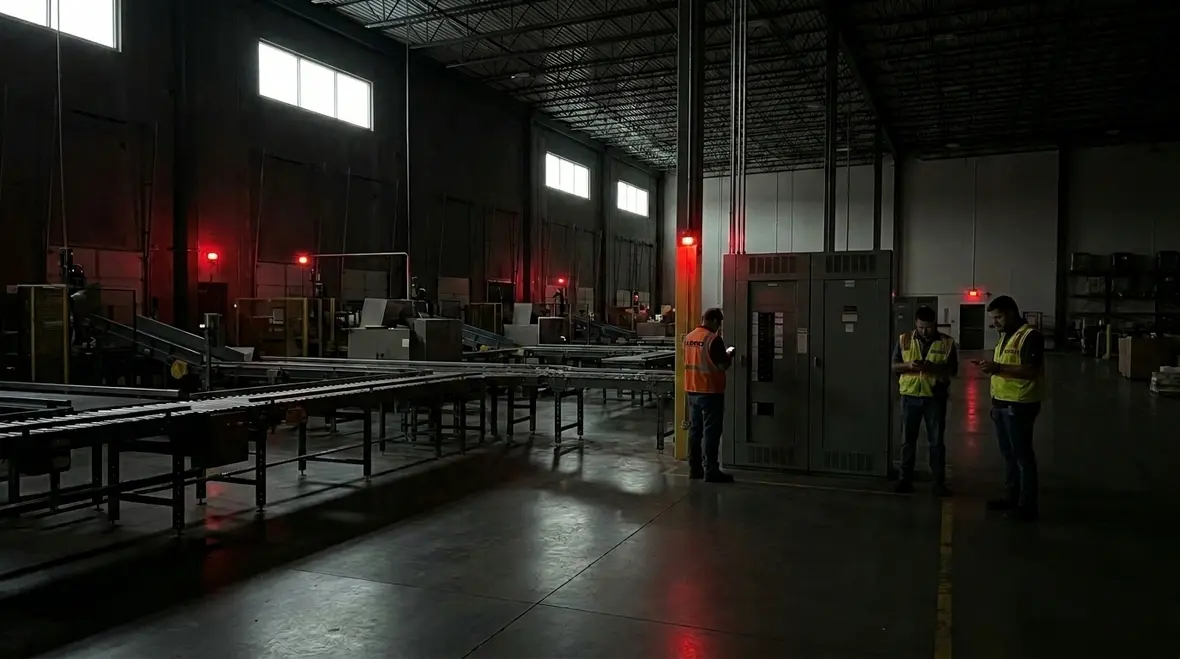
When Electrical Infrastructure Fails, Businesses Feel It First
When we talk about Electrical Infrastructure Upgrades, we are talking about keeping your commercial or industrial facility running when the lights must stay on and the equipment must keep moving. At Kord Electric, our expert service staff explains the work in plain language, because nobody wants a mystery bill or a confusing one hour after your production line stops. And yes, we have heard every joke about “just resetting it,” like the power grid is an overworked intern who needs a nap. Still, the risks are real. Outdated panels, worn conductors, and weak service capacity can trigger nuisance outages, equipment damage, and costly downtime.
In this guide, property owners and facility managers can clearly spot the right time to act, understand what we evaluate, and plan upgrades that fit operations instead of disrupting them.
Signs Your Property Needs Upgrades Now
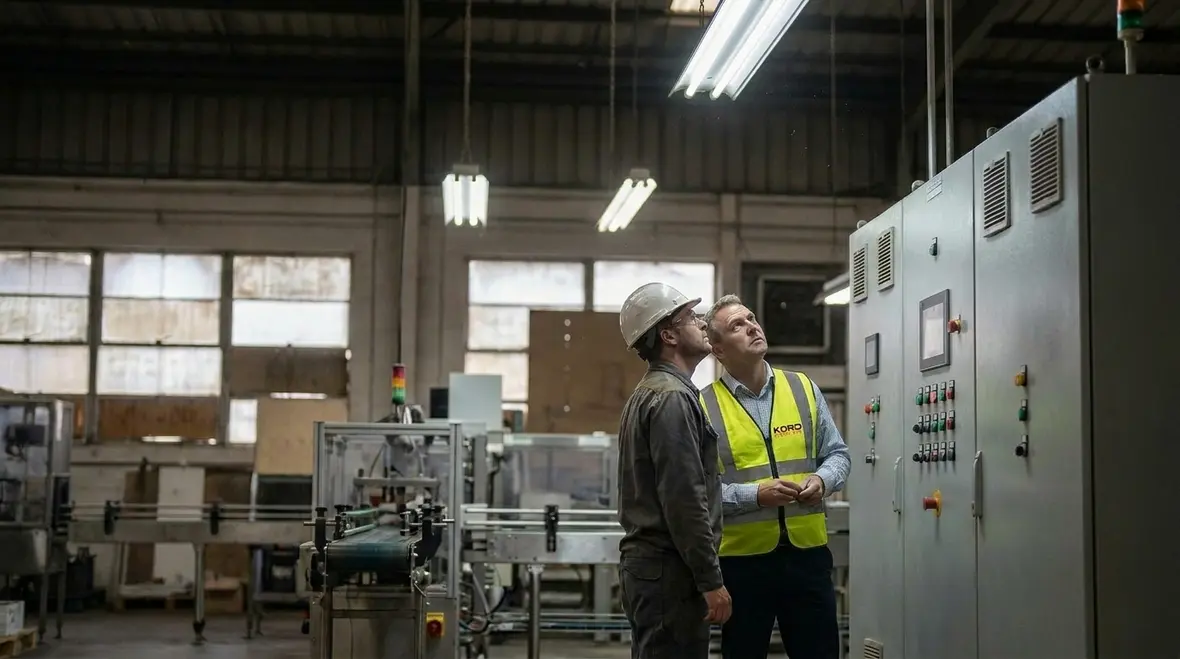
Others can ignore small issues for months, then act surprised when the building fails at the worst time. We do not recommend that path. Instead, we monitor patterns and we connect the dots between electrical symptoms and real infrastructure problems. If you see any of the following, we advise you to schedule an assessment.
- Frequent breaker trips or unexplained outages that interrupt production, HVAC, refrigeration, elevators, or critical servers
- Hot panels, burning smells, discoloration, or buzzing sounds near switchgear and distribution equipment
- Voltage dips during equipment startup, which can shorten motor life and cause control failures
- Rising maintenance calls tied to lighting, power quality issues, and recurring component replacements
- Service capacity strain after expansions, new machinery, EV charging, or increased tenant loads
Because commercial and industrial systems carry higher loads, these indicators can escalate fast. Therefore, we treat early warning signs like smoke alarms, not like “maybe it will go away.” For many facilities, issues like flickering lighting, unexplained shutdowns, and sensitive equipment misbehaving can also signal underlying voltage instability, which is why our team often connects upgrade planning with the same kind of power quality evaluations we use in our work on voltage fluctuations in commercial and industrial facilities.
How Kord Electric Evaluates Electrical Infrastructure Before Work Starts
When property owners ask how we decide what to upgrade, we keep it direct. We start with what the building is doing today, then we verify what it can safely handle tomorrow. Also, our technicians or expert service staff explains each step so stakeholders understand the risks and the plan.
Typically, our process includes the following.
- Load and demand review to confirm whether the facility is operating within design limits
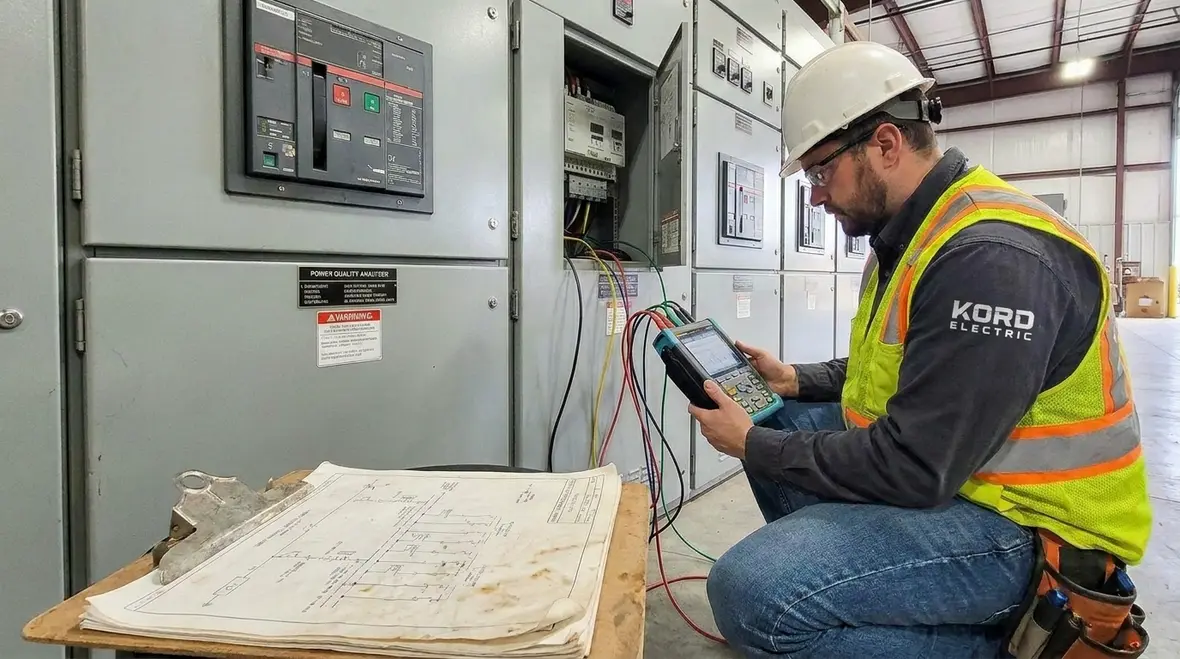
- Power quality checks to identify harmonics, sags, spikes, and unstable voltage
- Inspection of panels, switchgear, feeders, and grounding to look for aging insulation, corrosion, and loose terminations
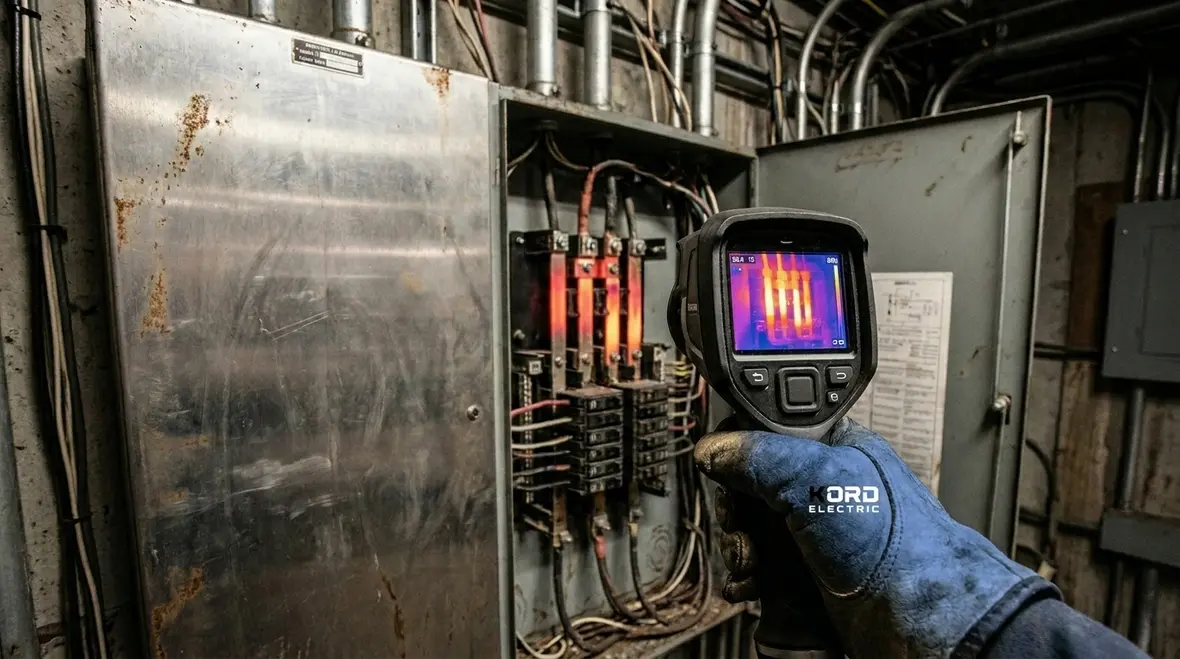
- Thermal imaging and IR scan where needed to pinpoint hot spots before they fail
- Arc flash risk review and equipment condition evaluation so safety planning stays clear
Then, we map findings to Electrical Infrastructure Upgrades that match your usage and your budget. In addition, we help owners prioritize work that reduces risk first, improves reliability next, and supports future growth last. That sequence matters, because random upgrades without a system plan often create new bottlenecks. For facilities that already know they will need deeper changes, this assessment stage often becomes the starting point for broader initiatives like rewiring commercial electrical systems or redesigning distribution to support new processes.
Facility Age, Codes, and Real-World Reliability
Many building owners assume age alone determines whether upgrades are needed. Age plays a role, but behavior matters more. However, older facilities often hide risks behind familiar equipment and “it still runs” logic. We see it often in warehouses, manufacturing spaces, and major property buildings that have added loads over time.
As we evaluate an older site, we consider factors like:
- Original installation quality and whether components were replaced as the building changed
- Whether equipment meets current safety expectations for protection, labeling, and coordination
- Availability of parts, because discontinued switchgear or obsolete controls can turn repairs into expensive waiting games
- Grounding and bonding condition, since weak grounding can cause nuisance tripping and damage sensitive electronics
We also align work with how commercial properties operate, not just what a diagram shows. For example, if a facility runs 24 7, a shutdown window needs a careful plan. Therefore, our approach focuses on reliability and safety while respecting your operational realities. When we recommend Electrical Infrastructure Upgrades in older facilities, we look for opportunities to combine code compliance with practical improvements like better labeling, clearer one line diagrams, and coordination with ongoing electrical maintenance plans so upgrades and preventive work reinforce each other.
When Expansion Triggers Electrical Infrastructure Upgrades

This is where many property owners realize the real math. You can add equipment, expand offices, or retrofit spaces for new tenants and assume the electrical system will “handle it.” Then the building starts acting like it is running on fumes and old coffee.
We recommend planning Electrical Infrastructure Upgrades before you sign off on construction changes when these events occur:
- New production lines, compressors, pumps, or motor-heavy equipment
- Tenant build-outs that add lighting, HVAC upgrades, server rooms, and specialized processes
- Higher demand projects such as data processing, cold storage expansion, or additional warehousing
- Modernization of controls that rely on stable power and cleaner power quality
- EV charging installations that increase load and require smart distribution planning
Because demand spikes can stress feeders, panels, and transformers, we verify capacity and protection coordination. Moreover, we help you avoid a late-stage scramble where the only option left is partial shutdowns or emergency repairs. In our experience, that is the kind of surprise nobody budgets for, like finding out a contractor also double booked your afterparty with the city inspectors.
Expansion also brings an opportunity to align project work with long term strategy. For instance, if you are adding EV charging or electrifying parts of your fleet, it may be better to combine Electrical Infrastructure Upgrades with a dedicated commercial EV charger installation plan instead of treating chargers as a bolt-on accessory. Likewise, major remodels that include kitchens, labs, or specialized production areas may benefit from the same type of targeted planning used in commercial kitchen electrical upgrades and wiring, where loads, workflow, and inspection requirements are coordinated from the start.
Planning an Upgrade That Minimizes Downtime
We understand that electrical work for commercial and industrial facilities can not treat uptime like a nice suggestion. Therefore, our technicians and expert service staff plan in a way that keeps operations safe and controlled. You want a schedule that makes sense, and you want clear communication.
Before any major electrical distribution changes, we coordinate outage windows, staging, and temporary power strategy where applicable. Also, we use labeling and documentation so your team can operate the system confidently after completion.
Practical planning steps often include:
- Phased installation so critical areas keep power while other areas get upgrades
- Clear lockout procedures and safety planning for your staff and our crews
- Testing and commissioning to confirm proper protection, grounding, and performance
- Training for facility teams so operations staff can respond to normal conditions without guessing
Then, after commissioning, we confirm the building operates within targets for stability and safety. In short, we do not just replace equipment. We help the system behave as it should from day one. When upgrade work is paired with structured preventive programs—similar to those described in Kord Electric’s commercial and industrial maintenance plans—facilities often see fewer emergencies, smoother inspections, and a clearer roadmap for future improvements.
FAQ: Electrical Upgrade Timing for Commercial and Industrial Properties
Call Kord Electric When You Need Reliable Power, Not Guesswork
If your facility shows early warning signs, faces upcoming expansion, or simply can not afford unplanned outages, we recommend scheduling an electrical assessment with Kord Electric. Our technicians and expert service staff evaluate the system, explain recommendations clearly, and plan Electrical Infrastructure Upgrades that protect uptime and safety. Do not wait for a breaker to tell you what your budget already guessed. Contact us today to discuss your building and create a practical upgrade plan.
Kord Electric supports a wide range of commercial and industrial needs—from lighting installation services and emergency response to EV charging and complex retrofit work—so your upgrade strategy does not have to stop at one project. If you are already seeing issues that feel urgent, or if a single failure would bring operations to a halt, pairing planned Electrical Infrastructure Upgrades with dedicated emergency electrical services gives your facility a safety net as well as a roadmap forward.
Whether you are evaluating a single building, a campus, or a portfolio of properties, the goal is the same: reliable power, clear information, and a partner that treats your infrastructure like the backbone of your business, not an afterthought. When you are ready to align your electrical system with the way your facility actually operates, Kord Electric is ready to help you plan and execute the next round of Electrical Infrastructure Upgrades with confidence.


