
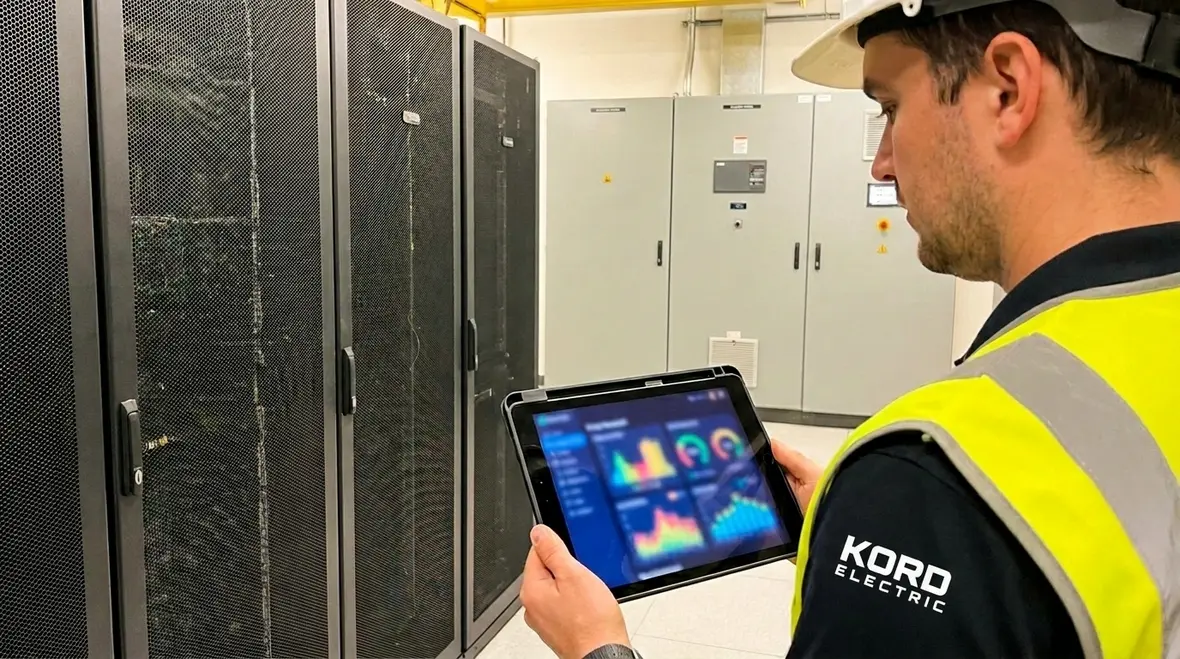
Commercial Load Shedding Strategies That Save Money
Commercial Load Shedding Strategies That Actually Save Money
When a commercial facility carries peak demand, the building does not care how busy your staff feels. The utility does not care either. That is why commercial load shedding strategies must be planned, not improvised. At Kord Electric, we guide owners and facility teams through load control that reduces stress on transformers, keeps critical systems alive, and improves monthly energy performance. However, the goal is not to “turn everything off” like a bad scene in a sitcom. Instead, we help others protect life safety, keep operations moving, and prevent costly downtime during utility events.
Our technicians and expert service staff explain each step in plain language, and they make sure the plan fits your actual loads, not a generic spreadsheet fantasy. With that foundation set, we move from assessment to controls, and finally to testing and steady improvement.
Start With the Load Map, Not the Guess

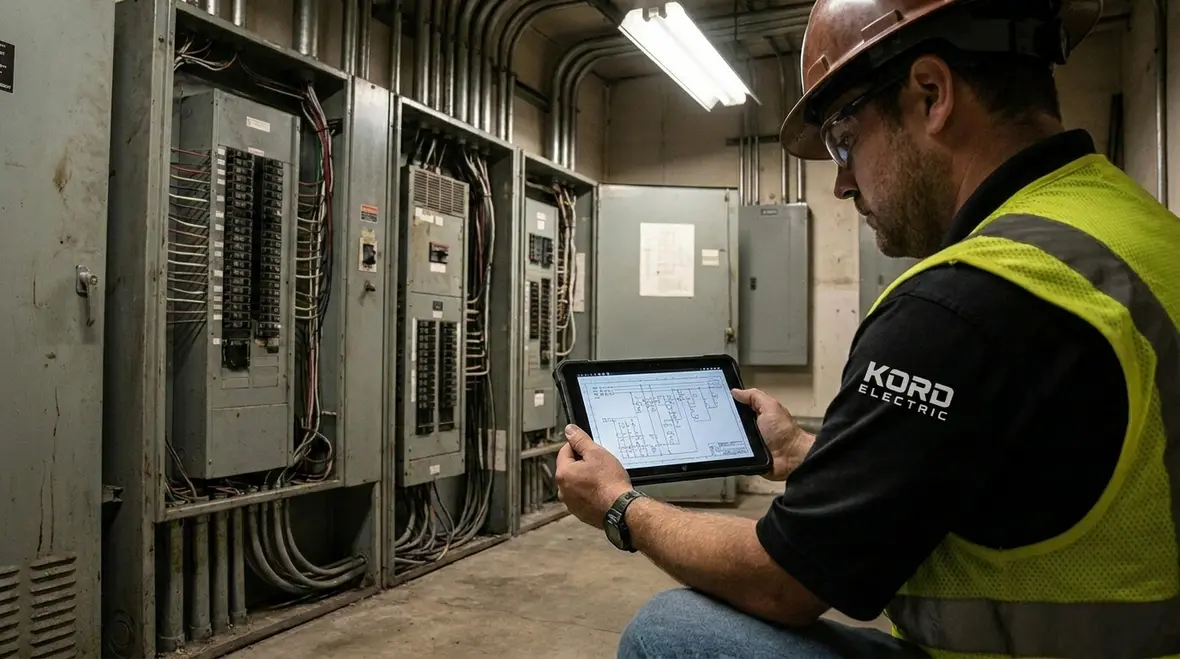
To make load shedding work in real life, a facility team needs a clear picture of what it runs, when it runs, and how it behaves. Therefore, we begin with a load map that covers major panels, motor loads, HVAC stages, refrigeration systems, pumps, elevators, lighting circuits, and process equipment. Next, we evaluate how each load responds to brief voltage dips or quick shutdowns, because not every load can tolerate the same treatment.
Then we focus on operational priorities. Critical systems, like life safety equipment, fire alarms, emergency lighting, and security infrastructure, must remain online. After that, we sort the rest into tiers that can be reduced or interrupted without damaging product quality or creating customer-facing failures.
In our experience, many facilities guess. They choose “the big stuff” and hope it behaves. Yet hope is not a control strategy. It is just wishful thinking dressed up as engineering. Our technicians help teams replace that guesswork with evidence, using historical demand data, submetering where needed, and site walkdowns that reveal how power actually flows.
Design Tiered Shedding Plans for Real Operations
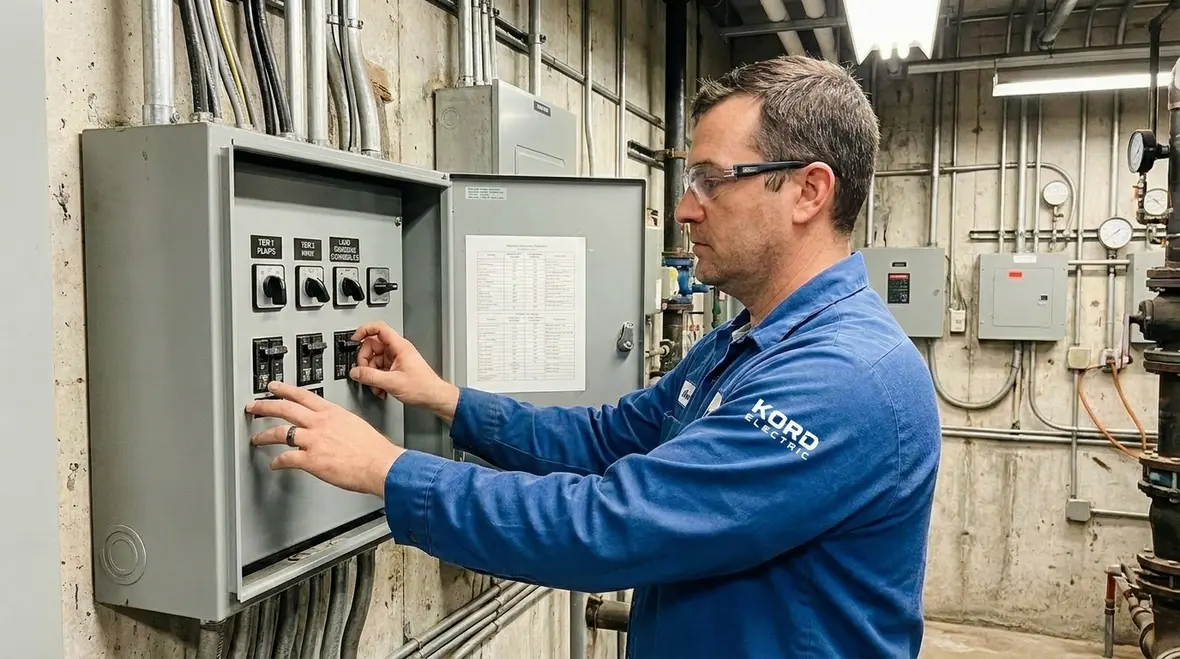
Once the facility team understands the loads, we build a tiered plan that reduces demand in stages. This approach keeps the building stable and prevents a single event from causing a full shutdown. For example, a first stage might dim nonessential lighting or reduce ventilation during a short spike. A second stage could slow or cycle specific pumps or chillers based on temperature limits and recovery time. A third stage might shed additional HVAC stages only if the event persists.
Moreover, we design each tier with timing logic. Some systems respond better to short cycling, others need gradual ramping, and still others require lockout delays to protect equipment. Consequently, load shedding plans should follow the building’s physics, not only its paperwork.
Our expert service staff also reviews operational constraints. If a tenant needs certain hours for production, the shedding schedule may adjust by time of day. If a property has after-hours cleaning or scheduled deliveries, the priorities can shift. In short, we tailor the plan to commercial and industrial needs, not to an imaginary “average building.” And yes, we have seen buildings that shed loads on a schedule while the staff runs the exact opposite schedule. That is not a strategy, that is a prank.
Use Controls That Communicate, Not Just Cut
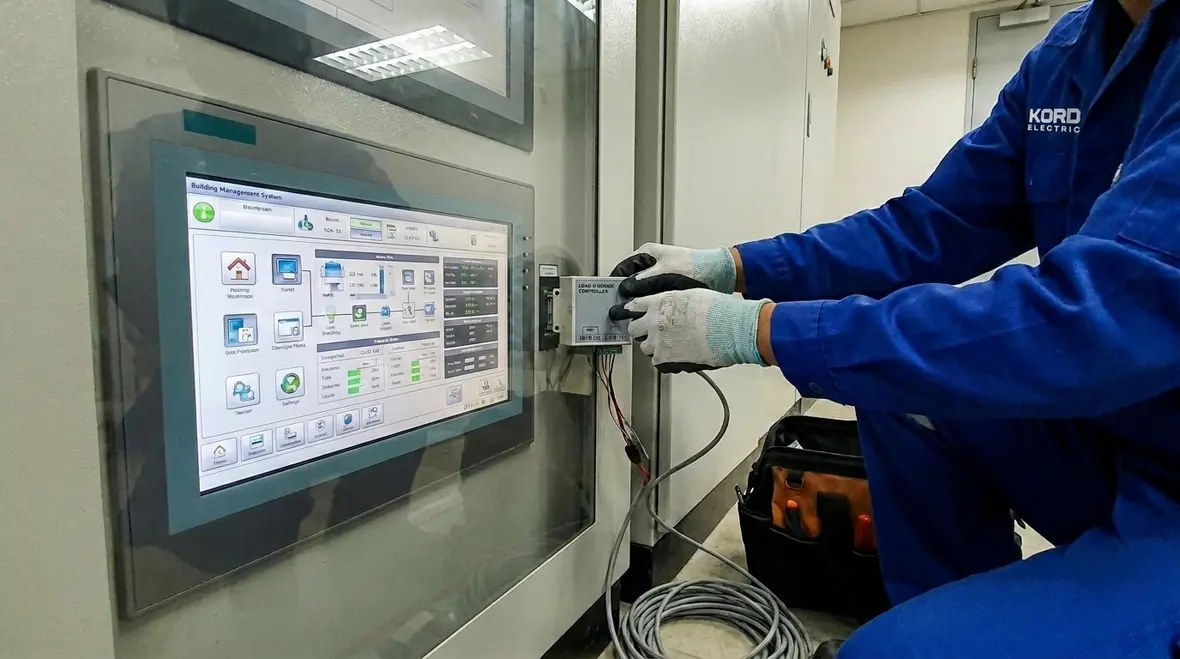
Advanced strategies depend on communication and coordination. Therefore, Kord Electric helps integrate load shedding controllers with existing building management systems, metering, and protective devices. This coordination allows the system to respond to demand thresholds, utility signals, and internal conditions such as temperature, humidity, or equipment health.
Instead of a blunt cut, the control logic can phase down loads. For instance, we can sequence HVAC stages based on head pressure or supply air targets. We can also coordinate motor loads to avoid simultaneous starts or stops that create additional demand spikes.
At this stage, we emphasize reliability. If a controller fails, the building should default to safe operation. Additionally, if a demand response event ends, recovery should happen in a controlled way, so the facility does not bounce right back into a peak demand condition. In other words, you avoid the “power roller coaster,” where everyone gets excited, then the whole system panics.
Align Load Shedding With Your Maintenance Plan
Even the best plan fails without maintenance. That is why we connect load control design with commercial and industrial electrical maintenance practices. If relays drift, sensors misread, or panels lose calibration, the shedding logic stops matching reality. Consequently, Kord Electric works with facility teams to support preventive inspection, testing, and corrective actions.
For a detailed view of how we approach maintenance planning, our clients often review our commercial and industrial electrical maintenance plans page. It outlines how we structure tasks, document findings, and help keep equipment in dependable condition. We use that same mindset for load control: check it, verify it, and improve it.
Our technicians document wiring integrity, verify breaker function, inspect metering accuracy, and validate protective coordination where needed. Then we make sure control points remain secure and labeled, so future service work does not turn into a mystery novel. (And in facilities, mysteries waste time and money.)
Testing, Commissioning, and Training That Prevent Surprises
After installation, we commission the system with structured tests. We verify that each shed tier triggers at the right thresholds and that loads return in a safe sequence. Next, we test edge cases such as short events, repeated events, and event termination while equipment ramps. Additionally, we confirm that monitoring alarms notify the right teams with clear guidance.
Then comes training. We explain the operational logic so facility managers and electricians understand what will happen during a demand response event. We also train others on how to interpret trend data and how to respond if a tier does not behave as expected.
In dual environments like multi-tenant buildings or campuses, training matters even more. One team manages one building wing, while another team manages shared electrical infrastructure. Therefore, our expert service staff helps coordinate responsibilities. The goal is simple: fewer surprises, smoother operations, and better confidence when the utility sends a signal.
Frequently Used Load Shedding Tactics for Major Facilities
Advanced load shedding does not rely on a single trick. Instead, we combine tactics that suit the facility and the equipment. The most common and effective options include:
- HVAC staging that reduces cooling or ventilation stages based on temperature and event duration
- Motor load control such as pump cycling or speed staging to manage demand while protecting process stability
- Lighting reduction through dimming or scheduled control of noncritical areas
- Refrigeration and cold storage adjustments that protect product and manage recovery time
- Sequenced recovery after an event ends so the facility avoids demand rebound peaks
- Tiered breaker or contactor control for specific feeders where coordination and safety allow it
Because the building is never the same twice, we also evaluate the risks. For example, cycling motors too aggressively can wear components. Dimming the wrong lighting circuits can harm safety compliance. Therefore, we validate each tactic against your operational needs and codes.
And yes, sometimes a facility asks for “just shut off the lights.” We politely explain that life safety and code requirements do not live inside “polite suggestions.” We plan properly, document decisions, and keep the facility compliant while still lowering demand.
FAQ About Load Control for Commercial and Industrial Buildings
Conclusion: Let Us Build a Practical Plan for Your Facility
Commercial peak events do not pause for meetings, and utility signals do not wait for “next quarter.” Kord Electric helps commercial and industrial facilities design, install, and maintain advanced load control that protects critical systems while reducing demand. Our technicians and expert service staff explain the plan clearly, commission it with real tests, and support ongoing maintenance so it stays reliable. If you want fewer surprises and better energy performance, contact us today. We will review your loads and propose a tiered strategy you can trust.
If you are also formalizing your long term maintenance program, pair your commercial load shedding strategies with a structured electrical preventive maintenance plan so demand control, testing, and inspections all work together to protect your facility.


