
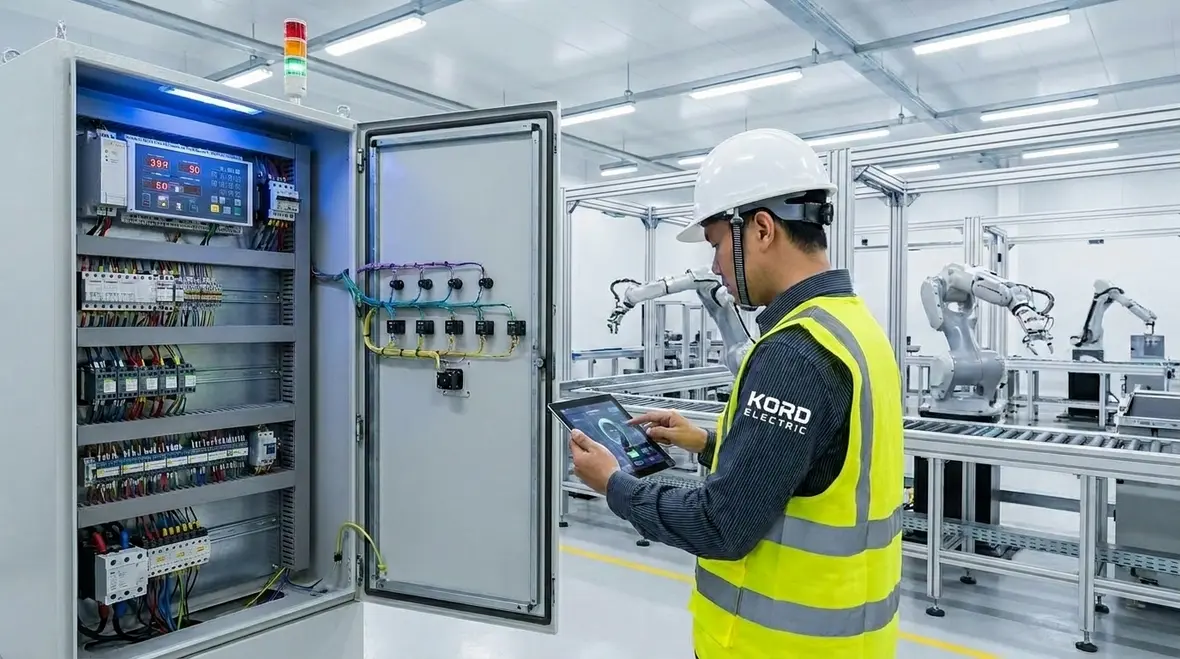
Smart Factory Power Upgrades for Industry 4.0
Smart Factory Power Upgrades: the first move toward Industry 4.0
Kord Electric helps commercial and industrial facilities take a steady step into Industry 4.0 with our Smart Factory Power Upgrades. In the first phase, we focus on what quietly runs everything: stable power, clean power, safe power, and power that behaves the same way every day. When power slips, machines slow, sensors misread, and production turns into guesswork. And nobody signed up for guesswork. Yet, many teams treat electrical upgrades like a “someday” task, like a tool that never quite fits the job.
In this guide, we explain what a smart factory needs before it can scale. Then our expert service staff walks through practical requirements, typical risk points, and the maintenance approach that keeps downtime from stealing the budget.
What Industry 4.0 demands from modern electrical systems
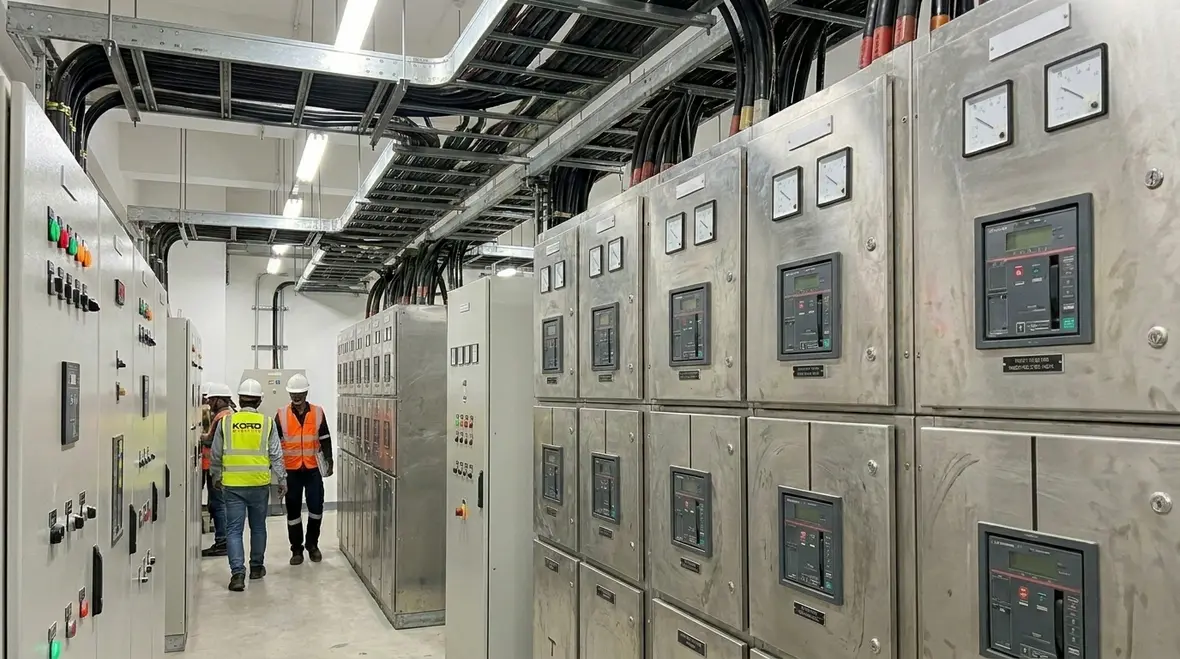
Industry 4.0 is not only about robots and data. It is also about the electrical foundation that supports controls, drives, automation panels, network gear, and high duty loads. Therefore, the power system must stay steady when production ramps up and when equipment cycles on and off.
In practice, a smart factory usually relies on fast responding controls, variable speed drives, and continuous monitoring. Consequently, electrical events that used to be “annoying” can become expensive. A voltage dip that once made a single motor hiccup can now reset a controller, drop a PLC session, or disrupt a process recipe. Likewise, harmonics from inverters and power electronics can heat transformers, overstress cables, and harm sensitive electronics.
At Kord Electric, we take a calm, methodical approach. First, we assess the facility’s load profile and control architecture. Next, we map power quality, reliability targets, grounding needs, and safety requirements to the actual equipment present. Then our technicians explain what they find in plain language, so others can make decisions with confidence, not vibes.
Power quality, reliability, and the hidden costs of “good enough”
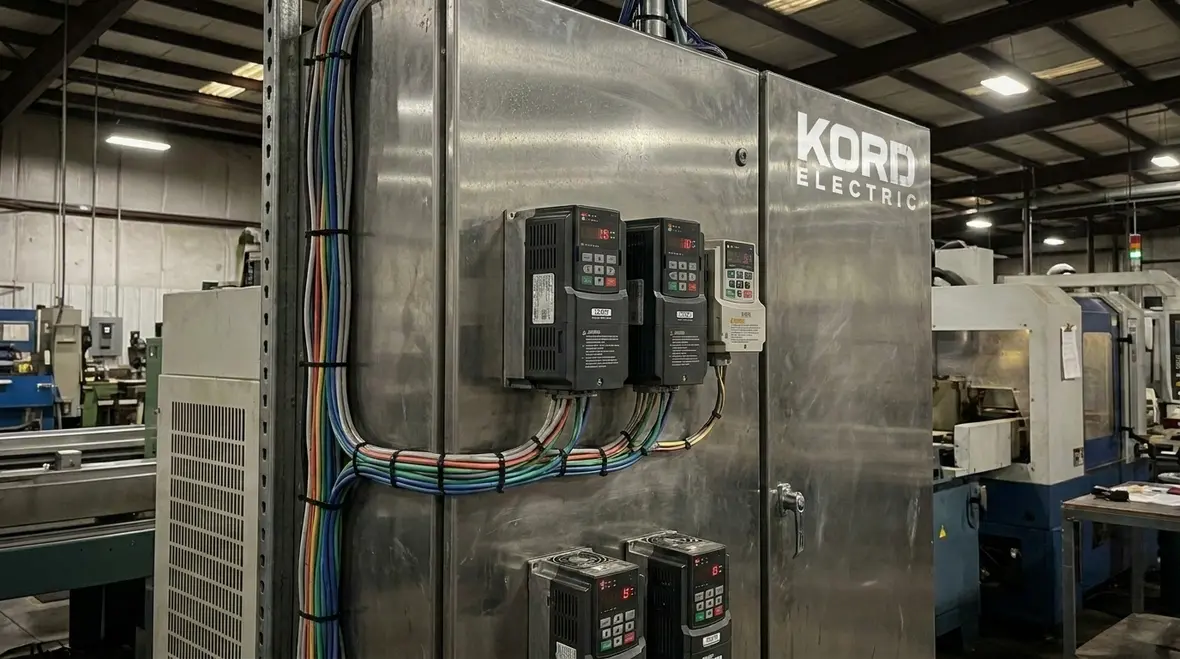
When teams say “the power is fine,” we know they mean the building still runs. However, Industry 4.0 cares about behavior, not just survival. So reliability means more than uptime. It means predictable voltage, controlled harmonics, and protection that clears faults without causing repeated nuisance trips.
Key elements include:
- Voltage stability: fewer dips and swells, especially during start ups and large load changes
- Harmonic control: reducing extra heat and distortion created by drives and converters
- Surge protection: limiting damage from switching events and lightning induced surges
- Coordinated protection: ensuring breakers and relays trip the right way at the right time
- Proper grounding and bonding: keeping reference points stable for controls and communications
And yes, harmonics can act like an uninvited party guest. They show up, cause problems, and pretend they did nothing. The difference is, your transformer cannot leave the party early.
To keep upgrades focused, Kord Electric typically starts with measurements and documentation. Then we compare what the system does today with what the new automation stack needs. After that, we design fixes that align with the plant’s real operating schedule, not a generic textbook diagram. For facilities dealing with unstable voltage, our voltage fluctuation repair services help stabilize sensitive loads before advanced Industry 4.0 controls go live.
Step by step planning for smart factory electrical upgrades

Planning matters because a smart factory cannot always shut down just to “make it better.” Therefore, Kord Electric builds upgrade paths that reduce production risk. We also coordinate work with the facility’s maintenance windows and operational priorities.
A clear plan often looks like this:
- Baseline review: we review one line diagrams, equipment ratings, protection settings, and operating logs
- Load and power profile: we analyze how power demand changes across shifts, seasons, and process runs
- Power quality testing: we test for voltage dips, transients, harmonics, and flicker patterns
- Reliability mapping: we identify where faults or disturbances would cause resets, delays, or data loss
- Protection and coordination updates: we adjust settings so clearing a fault does not disrupt unrelated circuits
- Infrastructure reinforcement: we address busbars, switchgear, panels, conductor sizing, and thermal limits
Then our expert service staff explains the “why” behind each change. They do not just point at equipment. They connect upgrades to outcomes: fewer stops, safer switching, longer component life, and smoother commissioning for new automation.
Lastly, we support rollout with practical staging. For example, we might upgrade critical control power first, then address the high load feeders, and finally tune power quality mitigation. That sequence helps teams reduce downtime while they modernize. For facilities that want to go deeper on how distribution design and coordination affect uptime, our related guide on electrical distribution design for reliability shows how upstream choices support stable Industry 4.0 performance.
Maintenance plans that keep upgrades performing after commissioning

A smart factory does not end at installation. If the electrical system drifts over time, power quality can degrade. Loose terminations can heat up. Protective devices can age. Filters can clog. And dust does not care about your KPI dashboard.
That is why Kord Electric ties upgrades to a focused maintenance strategy. If the facility already has a plan in place, we align with it. If the plan needs strengthening, we build a path that fits commercial and industrial work, not light duty residential schedules.
In our commercial and industrial electrical maintenance plans, we help teams manage routine checks, targeted inspections, and proactive actions that prevent small issues from becoming major failures. To keep the work clear, we often define scopes around switchgear health, preventive testing, and documentation so others can track what was done and when. For a deeper dive into program structures, our article on commercial and industrial electrical maintenance plans walks through how disciplined maintenance supports uptime and system longevity.
And we keep communication steady. Our technicians explain findings during service visits and help leaders understand the next best step. This style matters, because maintenance is not a mystery. It is a process. When people trust the process, the facility stays ready for Industry 4.0 expansion.
Smart factory power upgrades for real facilities and major properties
Commercial and industrial facilities face different constraints than smaller sites. A major property building may have multiple tenants, shared electrical rooms, and complex schedules. A manufacturing facility may have heavy process loads and fast transitions between product runs. Either way, the upgrade must respect how the site truly operates.
Kord Electric plans for these realities. We work to maintain safe access, coordinate shutdowns, and protect critical systems during construction and commissioning. We also consider how future expansion affects electrical headroom.
So, when others ask, “Do we need capacity now or later?” we recommend thinking in stages. First, secure the electrical portions that support controls, communication gear, and monitoring. Then, build headroom for high load growth. This approach avoids the classic mistake of upgrading the shiny parts while the foundation quietly runs out of room.
We also pay attention to safety and compliance. Smart factory systems often include more electronics, more switching, and more ways for faults to spread. Therefore, proper labeling, correct protective device selection, and clear operating procedures support safer day to day operations. That is not just best practice. It is a real-world requirement. For facilities tightening safety practices, our electrical panel labeling best practices guide shows how accurate labels and documentation support faster, safer decisions during both normal operation and emergencies.
Frequently asked questions about power upgrades and Industry 4.0
Next steps for a smarter, steadier power system
If your team wants Industry 4.0 benefits without the surprise downtime, now is the time to tighten the electrical foundation. Kord Electric can assess your current system, explain risks in plain language, and guide Smart Factory Power Upgrades that match your real production needs. Then our expert service staff can help you maintain performance after commissioning through a commercial and industrial electrical maintenance plan. Reach out today, and let’s build power that behaves like it belongs in a smart factory.
When you are ready to align future automation with a stable electrical backbone, our dedicated electrical preventive maintenance services give your facility a structured way to protect critical systems, document improvements, and keep Smart Factory Power Upgrades performing long after commissioning.


