Commercial Outdoor Lighting Safety and Security
At Kord Electric, we take commercial outdoor lighting safety seriously because the right light does more than look good after dark. It helps people walk with confidence, supports vehicle flow, and reduces the chances of trips, falls, and unsafe areas that nobody notices until something goes wrong. However, lighting that sits outdoors and works through rain, heat, freeze, and daily wear can lose performance over time. That is why we design commercial and industrial outdoor lighting with security in mind from the start, then keep it reliable with planned maintenance. In other words, we build lighting that stays awake, unlike that one coworker who “checks emails later” and then never does.
Strategic lighting design that reduces risk around your facility
We approach security like a system, not a single fixture. First, we look at how people move on your property. Then we map where shadows form, where glare hurts visibility, and where access points need stronger coverage. After that, our expert service staff explains the plan in clear language, so others on site understand why certain areas get more illumination than others. When we do this well, your facility gains smoother visibility, and intruders lose the cover that darkness provides.
Next, we consider the full perimeter story. Many teams light the front drive but underlight side entrances, loading docks, and service corridors. Consequently, those spaces become the “blind spots” of the whole site. We also check for reflective surfaces like painted walls, metal gates, and polished concrete, because reflections can either help visibility or create distracting glare. Finally, we design for comfort for real humans, including truck drivers, night shift staff, and maintenance crews who need to see clearly without going blind.
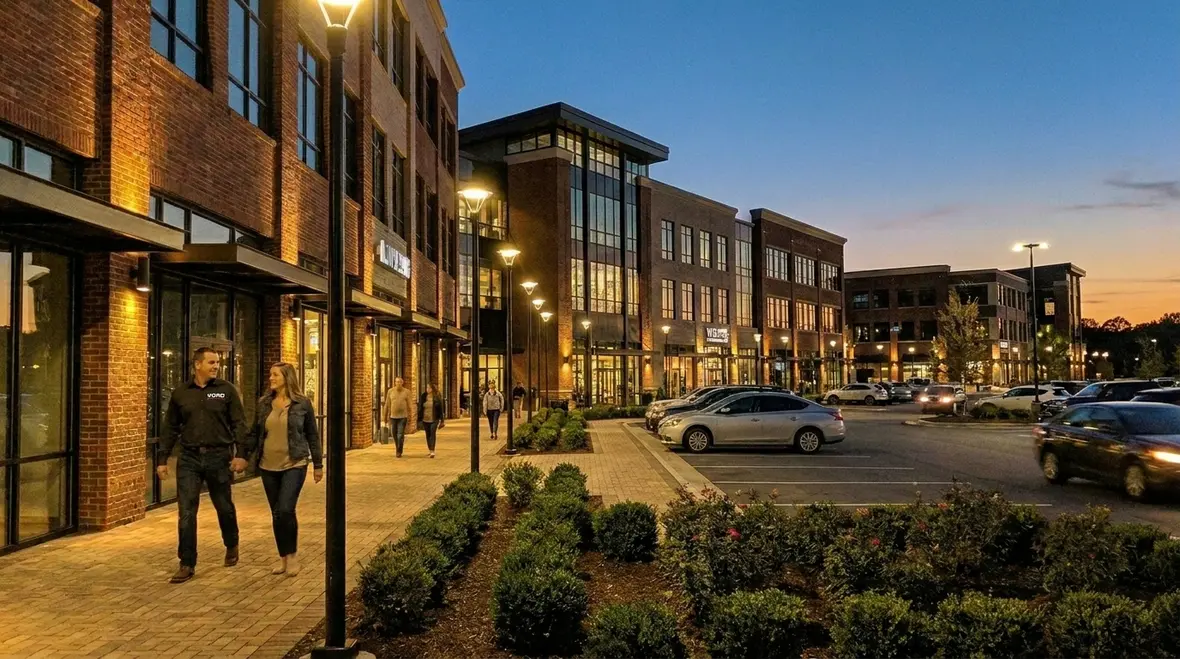
Thoughtful placement and photometrics help ensure your commercial outdoor lighting safety strategy supports everyday operations, not just the view from the street. When light levels match how people and vehicles actually move, you reduce confusion, support security teams, and give visitors a consistent, predictable experience from the driveway to the loading dock.
How we improve commercial outdoor lighting safety through placement and control
Even the best lumens do little if placement is wrong. Therefore, we start with layout decisions that support security. We place light to wash key areas, not just spot them, so the ground and faces stay visible. We reduce long shadow lines caused by tall objects, and we avoid lighting patterns that create bright islands surrounded by dark rings. In the same way, we manage glare so people can see hazards like curbs, stairs, and uneven pavement.
Control matters too. For example, we balance constant illumination with motion-triggered boosting at secondary entrances. This method supports security while helping facilities avoid unnecessary light pollution. It also supports calmer night operations, because staff can find areas faster without the “is this too bright or not bright enough” debate. Our technicians also coordinate controls with your existing systems when possible, so you do not end up with one panel that turns on everything and another that fights it like an overworked remote control.
And since this is outdoors, we plan for weather and water exposure. We choose proper ratings, route wiring thoughtfully, and support long runs with protection methods that match the site conditions. That way, your system stays reliable as seasons change, instead of acting like a weather app that only works when it feels like it.
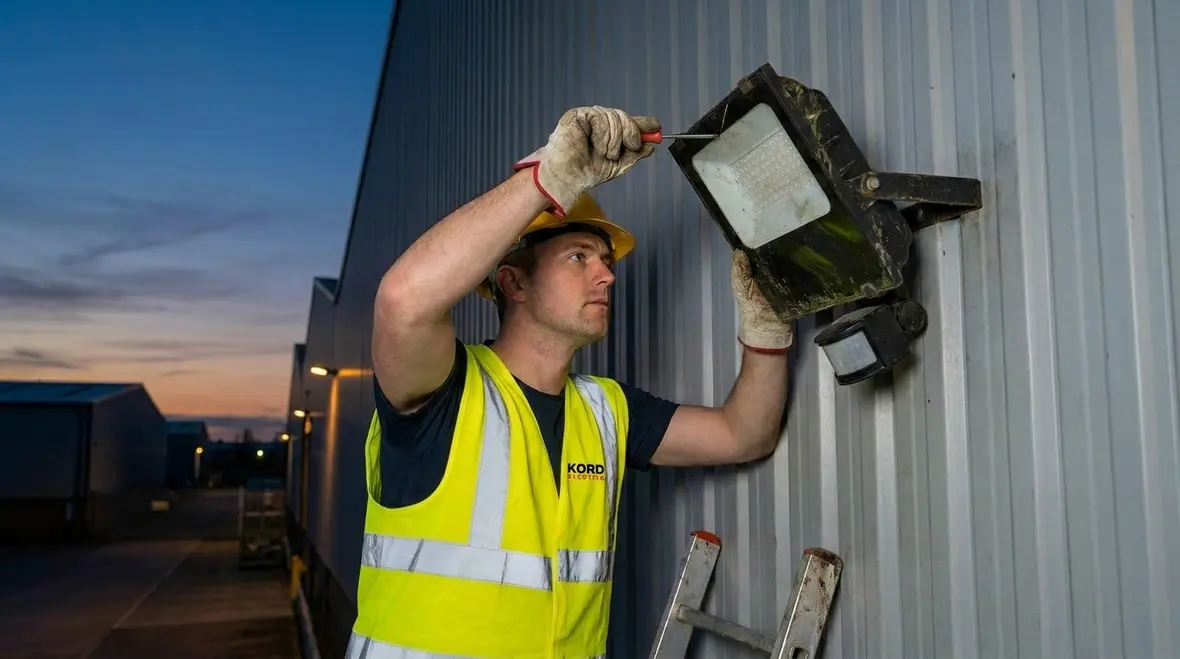
Modern controls also allow scene-based programming, so your commercial outdoor lighting safety plan can shift for different conditions. You might want one pattern for daily operations, another for low-occupancy hours, and a different mode for special events, maintenance work, or emergency responses.
Maintenance plans that keep security lighting dependable over time
Security fails when lighting fails. So we build maintenance routines that protect performance, not just replace parts when something breaks. If you use a plan, you can spot dimming early, catch loose connections before moisture causes corrosion, and adjust aiming before shadows return. We also track how long equipment has worked and how it performs in your environment.
When we support commercial and industrial facilities, we often align with structured maintenance planning, like the approach described in our blog on commercial and industrial electrical maintenance plans. In practice, that means we treat outdoor lighting as a living asset with stages, not a one-time install. We inspect key components, review failure patterns, and confirm that control settings still match your security goals. Then, when problems show up, we respond fast and restore safe conditions.
Our technicians and expert service staff do more than service hardware. They explain what they found and what it means for your operations. For example, they can show how a small driver issue can lead to uneven output, or how a pole grounding concern can create safety risks. That clarity helps your team plan budgets and keep confidence high, even when night shift has enough to handle without surprise electrical issues.
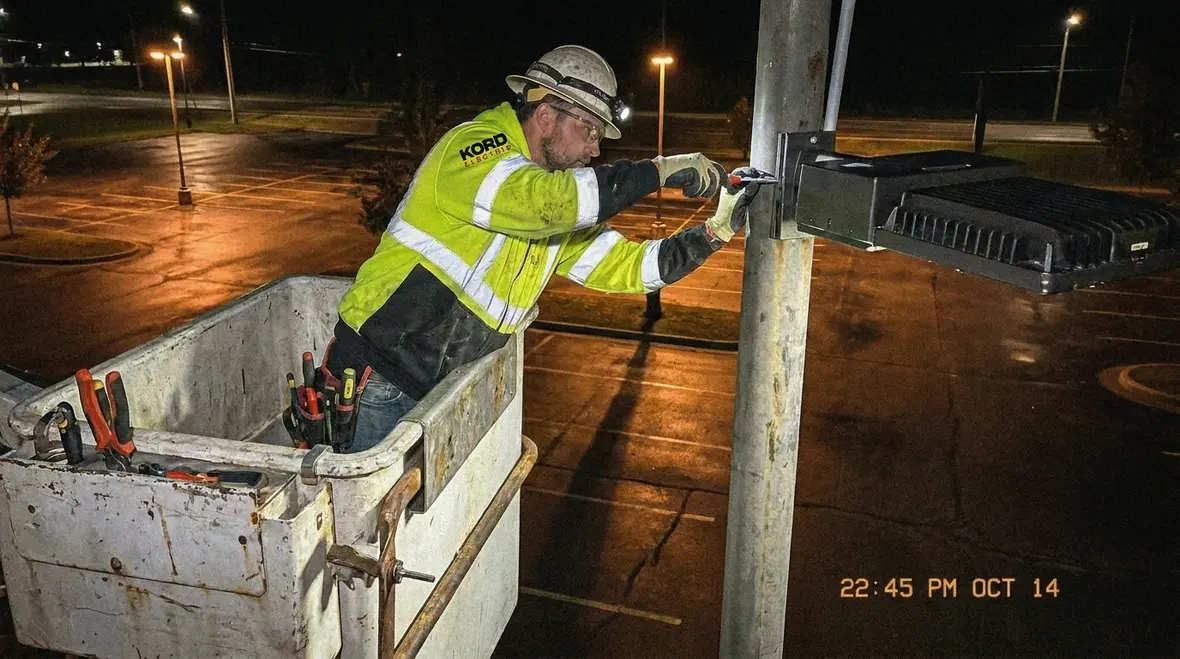
With a structured maintenance plan, your commercial outdoor lighting safety strategy becomes part of a wider culture of reliability. Teams know when inspections happen, what will be checked, and how recommendations tie into your overall risk management and capital planning.
Risk hotspots: parking, perimeters, loading zones, and pathways
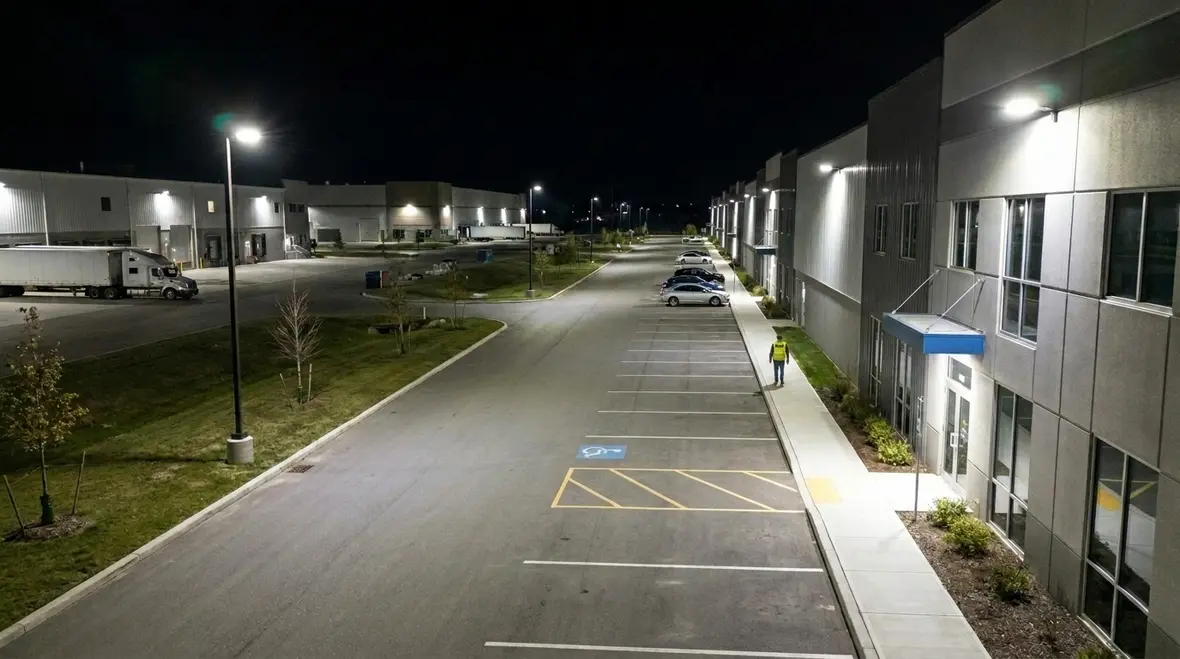
Every large property has repeat trouble spots. We focus on the ones that affect safety and security every day. Parking lots often need both even coverage and clear wayfinding so people can walk from vehicles to entrances without guessing. Perimeter fencing and gates require attention because lighting gaps around access points become opportunities. Loading zones also matter because late deliveries and forklift activity create a higher chance of accidents if visibility drops.
Pathways connecting buildings, stair towers, and employee entrances deserve their own spotlight. When these areas receive poor light, staff can trip, slip, or take shortcuts through darker spaces. Additionally, security lighting must make it easy to identify faces and actions from reasonable distances. We also check for obstructions like tree growth, new signage, temporary barriers, and construction materials, because these things slowly block light like someone slowly closing a theater door.
Then we coordinate with how your site runs. For example, if you have multiple shifts or frequent events, we may recommend lighting schedules that match actual foot traffic. Meanwhile, we help prevent “lights on paper” problems where the fixture exists, but it does not perform where you need it most.
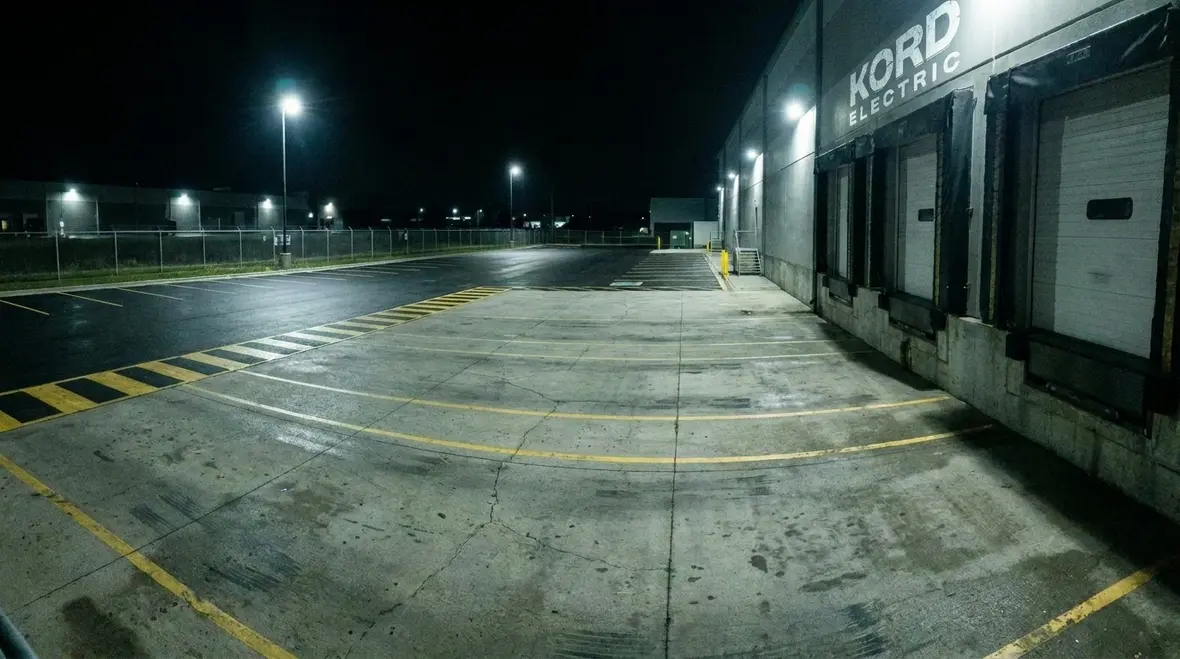
Parking, perimeters, loading zones, and circulation paths are also where lighting, cameras, and access control intersect. When each system understands what the others are doing, your commercial outdoor lighting safety approach supports clearer incident records, faster response times, and fewer surprises after hours.
Using modern fixtures and controls for stronger deterrence
Deterrence works best when people believe your security system is active. Lighting creates that belief because it changes what is visible in real time. We recommend modern solutions like properly aimed LED fixtures, durable housings, and controls that support steady coverage at key sites. Moreover, we ensure color and output settings fit the task. For instance, some spaces benefit from neutral tones that support clear visual recognition, while other areas need different settings for comfort and reduce glare.
Controls also improve safety outcomes. When lighting responds to motion at secondary entrances, the facility discourages probing while keeping primary areas consistently visible. In addition, scheduling supports nighttime operations and helps keep energy use controlled. If you want the system to integrate with existing security cameras or access control, we plan for that early. Otherwise, you can end up with mismatched light levels that make video less useful at exactly the wrong time.
Our expert service staff often helps explain control options in plain terms, because we want your decision makers to understand how each choice affects daily operations. That way, the final system supports people on site, not just specs in a folder.
As lighting codes and standards evolve, especially in regions with strict energy rules, we can also align your commercial outdoor lighting safety upgrades with compliance expectations. That means fewer surprises at inspection time and a smoother path when you decide to expand, renovate, or add new exterior systems later.
Compliance, documentation, and training for staff on major sites
Commercial and industrial facilities often require proof of safe operation, and documentation makes inspections easier. We help you keep records that support ongoing compliance needs and show that your lighting and electrical systems receive proper attention. In addition, we review how your site team should respond when lighting performance changes. That includes knowing how to spot early warning signs like recurring outages, flicker, or uneven coverage.
We also guide training for staff who interact with the lighting system indirectly. For example, teams responsible for landscaping can learn how tree growth affects visibility. Maintenance teams can learn what to report quickly and what not to tamper with. This approach reduces “mystery fixes” that can turn a small issue into a bigger one. Also, the more your staff understands, the faster they can help us keep security lighting performing as intended.
Finally, we coordinate with the reality of major properties: you cannot just shut down everything on a random weekday. So we plan work windows, confirm shutdown procedures, and keep safety front and center for everyone involved.
For multi-site portfolios, consistent documentation and training also make it easier to roll out commercial outdoor lighting safety upgrades in phases. You get a repeatable playbook instead of starting from scratch every time a new facility comes online.
Dual column planning checklist for secure outdoor lighting upgrades
What we assess
- Perimeter coverage and access points
- Parking visibility and pedestrian routes
- Loading zones, docks, and service corridors
- Shadow patterns caused by poles and structures
- Control settings and schedules
- Equipment condition and weather exposure
What we deliver
- Strategic fixture placement and aiming
- Glare control for safer recognition
- Durable components for outdoor reliability
- Maintenance plan steps that prevent failure
- Clear technician explanations for staff
- Documentation support for inspections
This checklist gives facility teams a starting point for conversations about commercial outdoor lighting safety. Whether you operate a single major property or a regional portfolio, aligning what you assess with what you expect to receive keeps projects focused, measurable, and easier to justify.
FAQ
Call Kord Electric for a secure lighting plan
When your facility operates after dark, you cannot leave safety to chance. We at Kord Electric design and maintain strategic outdoor lighting systems that support commercial safety, reduce blind spots, and keep security visible where it matters most. Our technicians and expert service staff explain findings in plain language, then execute the work with planning that respects your site schedule. If you want lighting that stays reliable through seasons and shifts, contact us now to schedule a site review and build a dependable plan.
If you are coordinating outdoor lighting with broader upgrades or troubleshooting across your facility, our team can also connect your project with regional support such as dedicated Los Angeles County electrical services. This helps keep your security lighting, power distribution, and critical systems aligned under one practical, long-term strategy.
Whether you are planning a new project, expanding an existing site, or tightening up older systems that no longer match how your property operates, we can help you turn commercial outdoor lighting safety into a clear, actionable plan instead of another item on a to-do list.