Commercial Panel Troubleshooting Guide for Reliability
Commercial Panel Troubleshooting Guide: Where We Start and Why It Matters
At Kord Electric, our team follows a Commercial Panel Troubleshooting Guide as the first step when power behaves badly in commercial and industrial facilities. In the opening minutes, we gather clues like careful detectives, then we test the right things in the right order. That approach keeps downtime down and helps protect people, property, and production. And yes, we still hear jokes about panels being “mysterious boxes.” They are not mysterious, though. They are just picky about conditions, load, and maintenance. Others rush straight to guesswork, and that is how small problems turn into big, expensive ones.
Next, we focus on method, safety, and clear diagnostics. While our expert service staff explains what they see, they also explain what they do not see. That distinction matters. We document findings, we recommend fixes, and we help building managers plan the next steps so the electrical system stays reliable.
Why reliability depends on panel diagnostics in major facilities
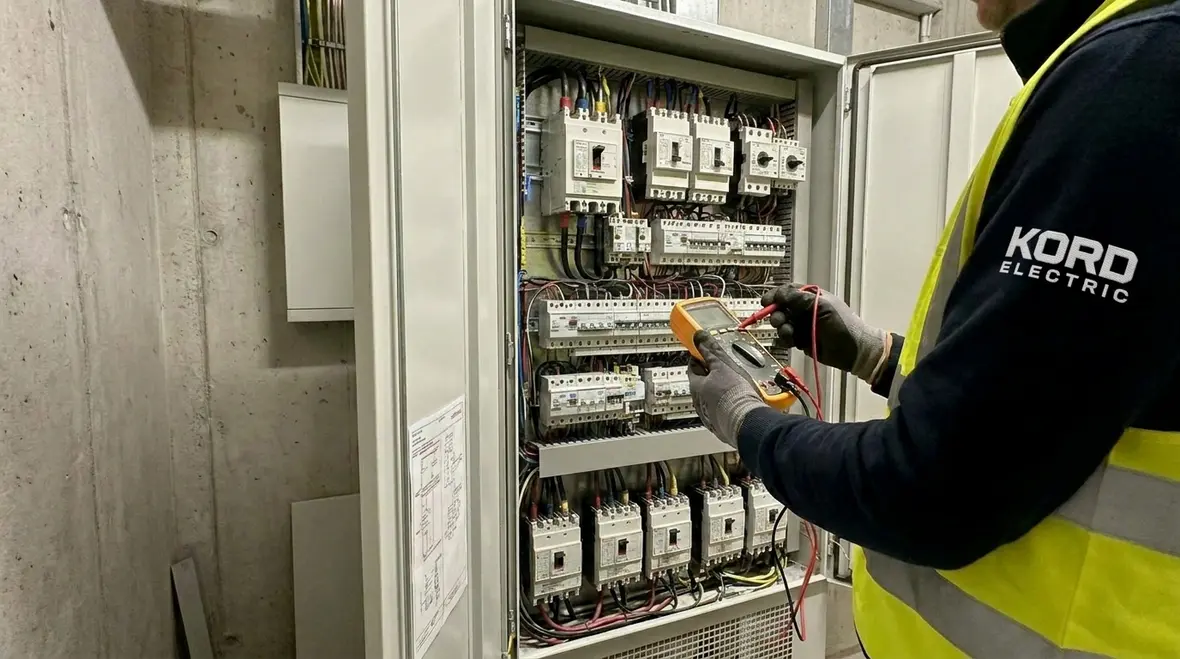
Commercial and industrial electrical systems do not fail politely. Instead, faults show up as heat, noise, voltage drift, nuisance trips, or that slow, silent aging that makes everything feel “almost fine.” Therefore, a professional diagnostic process matters because it catches issues before they cause equipment damage or service interruptions. When others wait for a total outage, the repair usually costs more and takes longer.
We also look at reliability from the perspective of distribution design. In fact, our team aligns diagnostics with proven distribution practices for data and critical spaces, where proper design supports stability under load. In those environments, the goal is not just to restore power but to keep power quality within usable limits. For a deeper look at how we approach reliability in critical spaces, many facility leaders also explore our companion guide on data center electrical distribution design for reliability, which pairs well with the Commercial Panel Troubleshooting Guide mindset.
And because we serve major property buildings, we know how these issues affect schedules, leases, tenant operations, and safety. When a panel problem spreads, it can pull multiple systems into the same failure pattern. Our technicians treat the panel as a central decision point, not just another box on the wall.
How our technicians perform a first-pass inspection safely
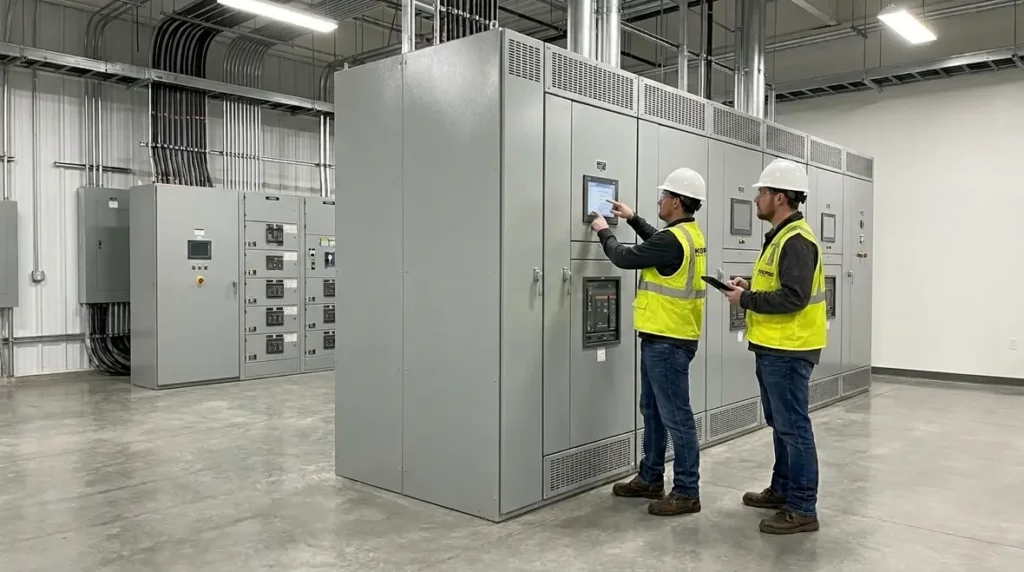
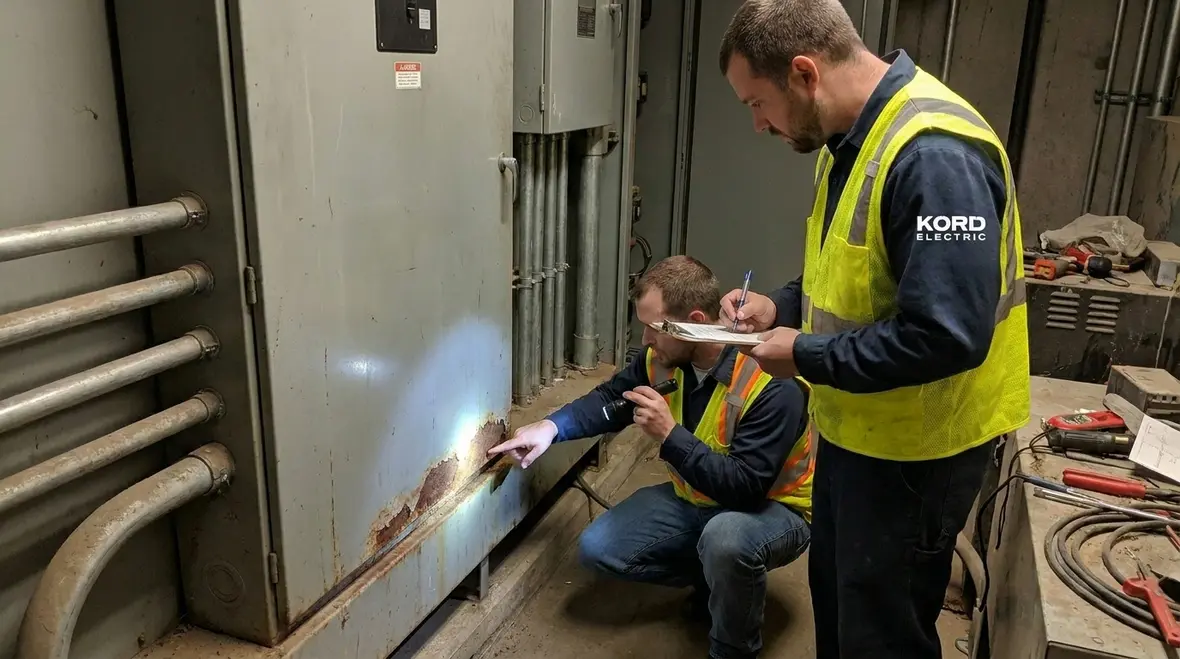
When our expert service staff arrives, they start with a visual and operational check before instruments get involved. First, they verify labeling, observe physical condition, check for corrosion, look for moisture clues, and confirm that covers and barriers are intact. Then they listen. Electrical faults sometimes announce themselves with buzzing, crackling, or unusual fan behavior. Of course, sometimes it is just a loose screw doing its best impression of a haunted house. That still needs fixing.
Next, we verify operating conditions. We check recent maintenance, note any changes in loading, and review alarm history when it exists. We ask targeted questions because they shorten the diagnostic path. For example, a nuisance trip that started after a tenant remodel points one direction. A trip that happens after storms points another way. Also, if the issue appears only during peak hours, we think about load imbalance, harmonics, or thermal stress.
After that, we plan the test sequence. Because the building is commercial and industrial, we coordinate testing with operations. We time steps to avoid disrupting critical processes. Then we move to electrical measurements with proper controls and safe procedures, so the work stays calm and controlled.
What to measure in a Commercial Panel Troubleshooting Guide process
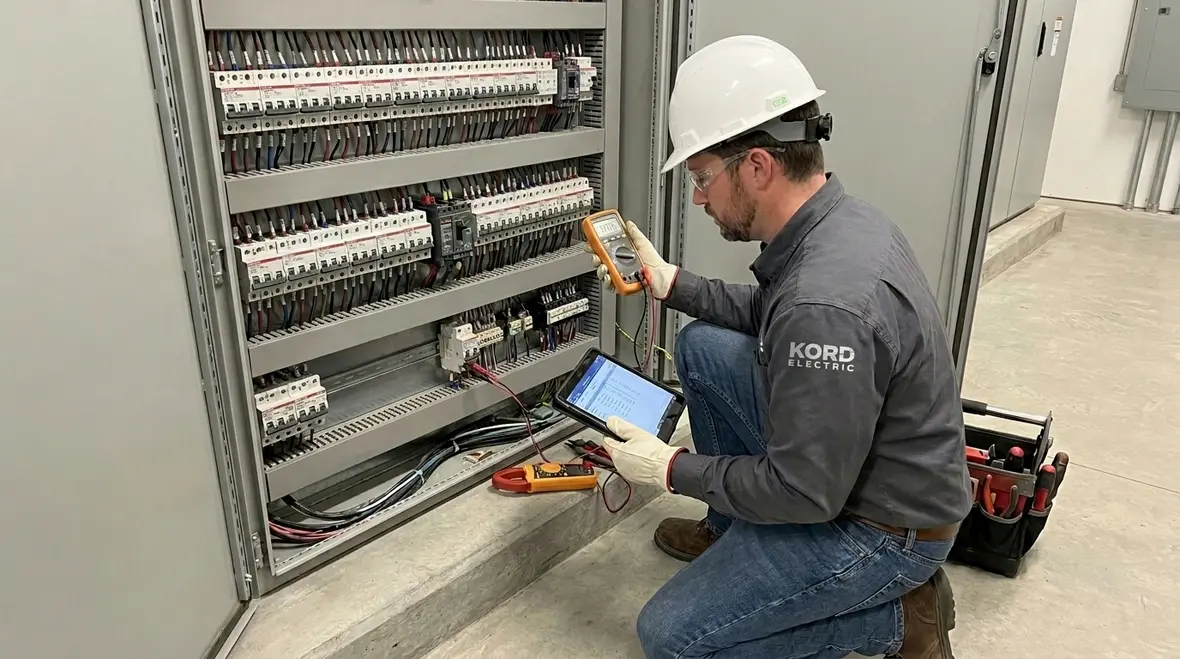
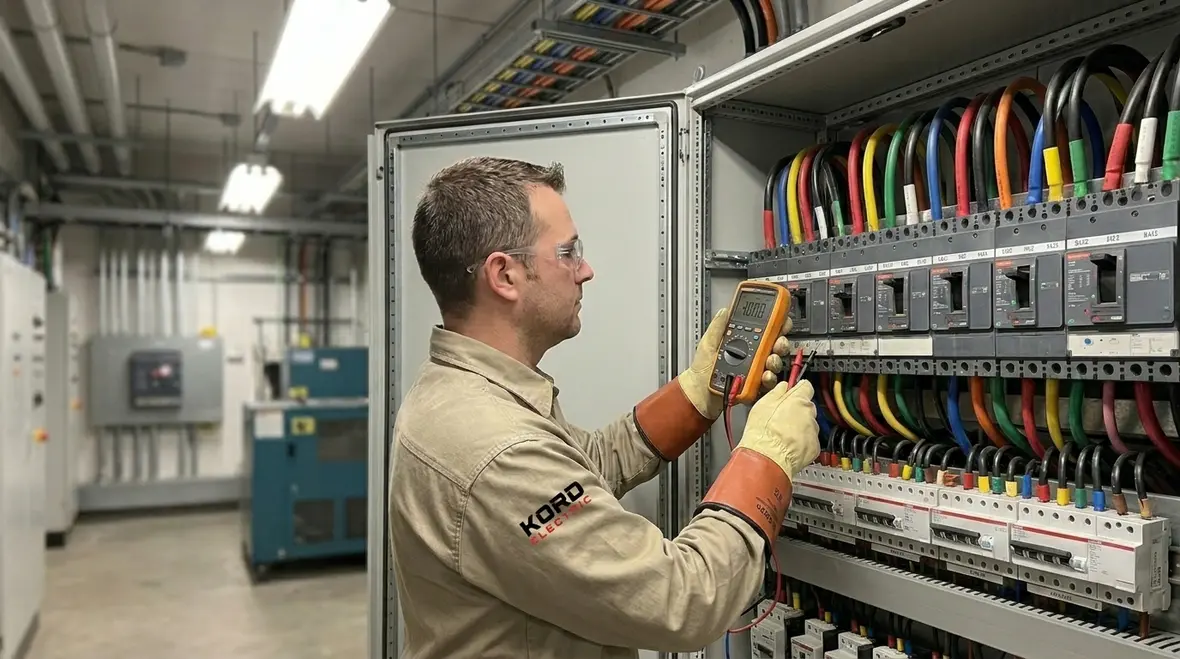
A strong diagnostic process measures the right values, not just whatever an instrument can display. Using the Commercial Panel Troubleshooting Guide method, we prioritize electrical checks that reveal the root cause. We also avoid random testing, because random testing can miss the real problem while creating new issues.
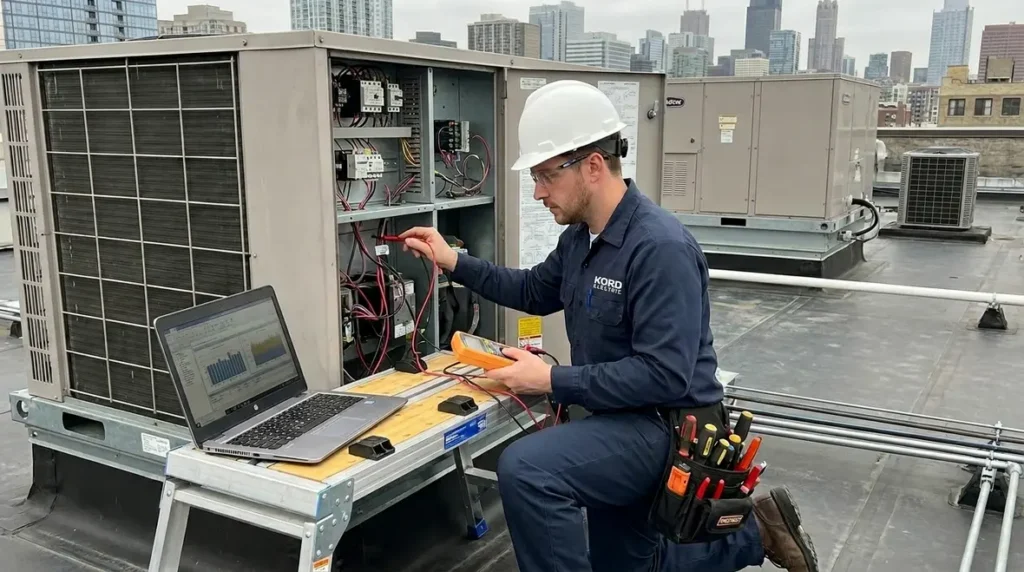
Here are the core measurements our technicians typically use in commercial panel diagnostics for major property buildings.
- Voltage levels at the panel and relevant feeder points to detect sag, imbalance, or supply instability
- Load current across phases to find uneven distribution and potential conductor issues
- Temperature indications from infrared inspection to spot abnormal heating on breakers, bus connections, and terminations
- Torque and connection condition considerations based on the symptoms we observe and the maintenance history we review
- Harmonic and power quality indicators when drives, UPS systems, or sensitive loads contribute to stress
- Grounding and bonding checks to ensure fault paths stay predictable and safe
Then we cross-check results with operating behavior. If a breaker trips, we do not only chase the breaker. Instead, we look for why it trips at that exact moment. Maybe the neutral carries unexpected current. Maybe a connection heats up under load. Maybe a protective device does not match the system conditions.
To keep the process clear for owners and facility managers, we explain findings in plain language. Our team shows what the numbers mean, what they do not prove, and how we narrow the list of likely causes.
How we diagnose common symptoms like heat, trips, and flicker
Let us talk about the symptoms that bring teams running. First, abnormal heat at a panel usually points to higher resistance at a connection, a loose termination, or an overloaded section. If others ignore heat, the system can drift into failure. When we find a hot spot, we verify whether it aligns with load patterns. Then we check the connection and feeder path, and we confirm the issue is not just an isolated phase.
Second, nuisance breaker trips deserve careful study. Many people assume the breaker is “bad,” but the breaker often acts like a smoke alarm. It triggers because something else changes. Our technicians inspect settings, verify load profiles, and look for insulation stress, moisture effects, or imbalanced current that makes one phase work harder than it should.
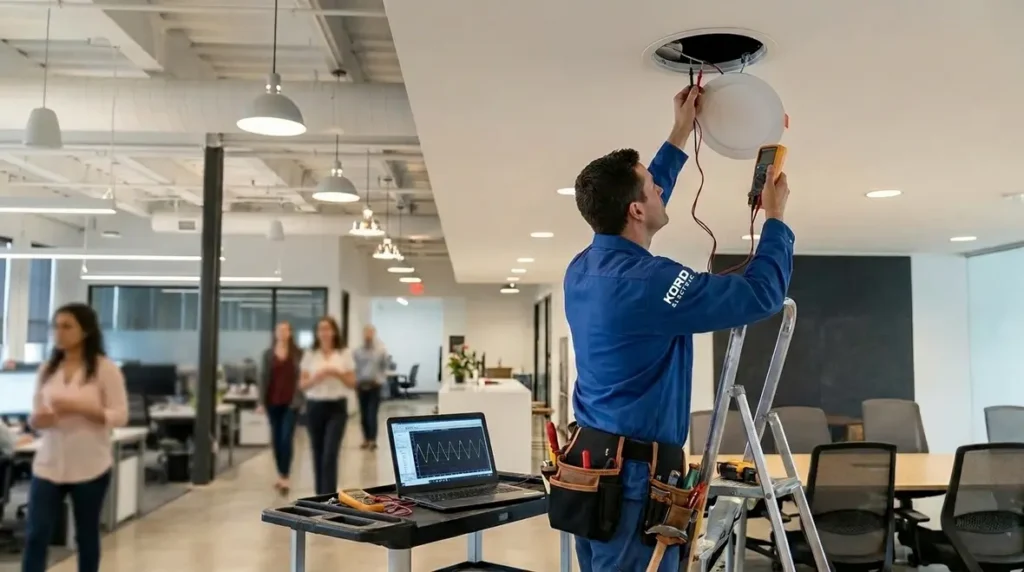
Third, flicker or voltage instability typically involves upstream conditions, poor connections, or power quality issues. Therefore, we evaluate how the system behaves during peak load and during specific events like HVAC cycling, elevator operation, or large motor starts. Then we compare what we measure with what the facility reports. When owners and tenants share timelines, we narrow diagnostics faster. For facilities that keep running into persistent voltage issues, our field teams often connect these findings with broader recommendations like a dedicated voltage fluctuation repair plan so the same problems do not keep coming back.
Finally, unusual noise can come from arcing, loose components, or mechanical stress. In commercial environments, we treat noise seriously because it can indicate an unsafe condition. Our expert service staff does not guess. They test and confirm before recommending any work.
Using distribution design principles to prevent repeat failures
Diagnostics should not end with a fix. Otherwise, we merely remove today’s problem and leave tomorrow’s problem waiting in the shadows like a sequel no one asked for. So we connect our troubleshooting results to distribution design principles.
When we review panel and distribution behavior, we consider how feeders, protective devices, and bus structures interact under real load. In critical distribution design for reliability, we think about clear paths, appropriate separation of sensitive circuits, and proper sizing. This mindset matches what we discuss in our distribution reliability guidance, where careful design supports stability rather than chaos. Facility leaders who want to see how this looks in data environments often review our data center electrical distribution design for reliability article alongside this Commercial Panel Troubleshooting Guide.
In practical terms, we help facility teams prevent repeat failures by recommending actions such as:
- Correcting phase imbalance where loads cause uneven stress
- Improving labeling and circuit mapping so future maintenance does not recreate confusion
- Verifying protective device coordination so faults clear properly without unnecessary downtime
- Reviewing bus and termination maintenance intervals to match the facility’s operating reality
- Addressing power quality contributors when harmonics or sensitive loads drive instability
Then we document what we found and what we recommend. That way, building owners and engineering staff can make informed decisions, not educated guesses.
What a clear repair and documentation process looks like
After diagnosis, we focus on controlled repair, verification, and clear documentation. First, our technicians isolate the affected components and coordinate any power interruptions with the facility schedule. Next, we correct the root cause, not just the symptom. That might involve tightening or replacing a termination, addressing a damaged component, updating breaker settings, or correcting a grounding and bonding path.
Then we verify performance. We re-measure key values, confirm that protective devices behave correctly, and ensure the panel operates within expected limits under real load. If the facility includes critical operations, we take extra steps to confirm stability.
Finally, we provide documentation in a format that facility teams can use. We include what we tested, the readings that mattered, the likely cause, and the repair steps taken. Our expert service staff then explains the outcome and the recommended maintenance plan. We do this because good work should be understandable, not hidden behind electrical jargon. For facilities that want to move from one-time fixes to a steady reliability plan, we often connect panel troubleshooting findings directly into a structured electrical preventive maintenance program.
FAQ
Final word from Kord Electric: get reliable diagnostics before the next failure
When a commercial panel shows heat, trips, flicker, or instability, we act fast and we act smart. Kord Electric brings expert service staff, disciplined diagnostics, and documentation that facility leaders can trust. We focus on commercial and industrial buildings, so our troubleshooting reflects the reality of your loads, uptime needs, and safety requirements.
If you want fewer surprises and more dependable power, contact us for a panel assessment and a clear action plan. Let’s handle it before the system turns your maintenance schedule into a dramatic series finale. And if you are ready to turn one-time repairs into a structured reliability program, our team can connect panel troubleshooting with ongoing electrical preventive maintenance services or fast response through our emergency electrical services when urgent issues demand immediate attention.
From careful diagnostics to long-term maintenance plans, the Commercial Panel Troubleshooting Guide approach keeps your panels honest, your tenants productive, and your operations far away from avoidable electrical drama.