Commercial Smart Lighting ROI Calculator Guide
Commercial smart lighting ROI: the quick calculator that saves your building budget
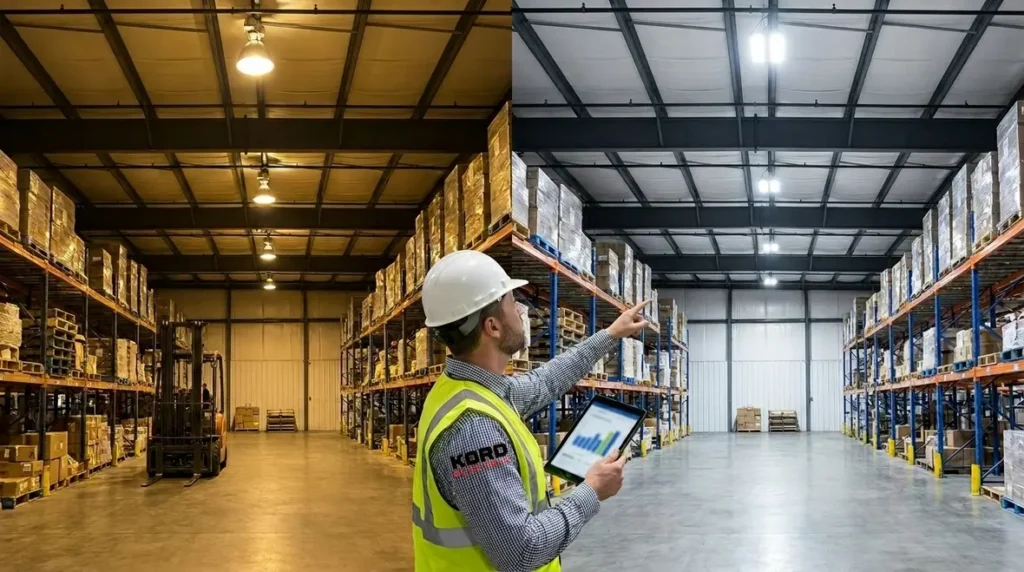
For any commercial property, commercial smart lighting ROI is not a fancy spreadsheet fantasy. It is a practical set of numbers that tells an owner how fast smart controls, better fixtures, and smarter scheduling pay back. In our view, a solid ROI model helps you choose upgrades with confidence, not hope. And when we talk about upgrades, we mean real installs for commercial and industrial facilities and major property buildings, not residential “nice-to-have” projects.
To guide the math, we lean on field experience from our technicians and expert service staff, because they see what actually happens after the lights go live. Also, the first thing they notice is usually simple: a building that saves energy but never fixed its schedules is like a fitness tracker without batteries. It still looks busy. It just does not work. Let us walk through the ROI process step by step.
Why smart lighting upgrades pay back faster in commercial buildings
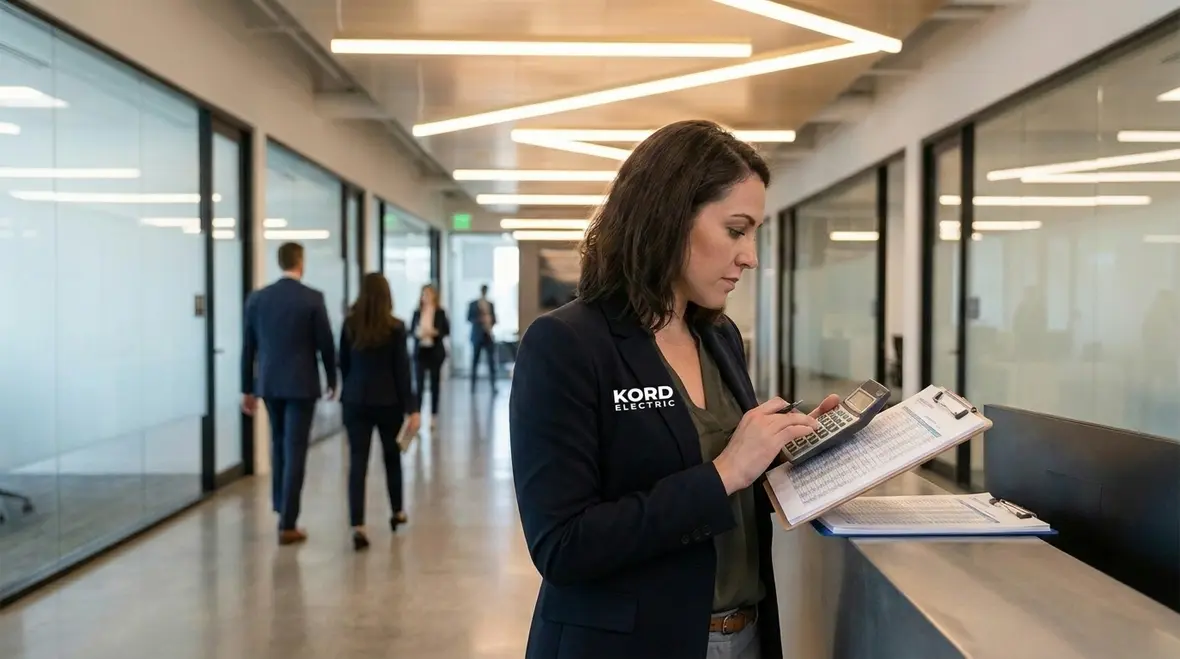
Commercial spaces behave differently than homes. Foot traffic patterns change by hour, department, season, and event schedules. Yet many older buildings still run lights on static timers or manual overrides that ignore how people actually use the space. That mismatch creates waste, and it also creates an easy target for improvement.
Smart lighting systems typically reduce energy use in three ways. First, they dim when spaces are empty. Second, they hold brightness only when needed using sensors. Third, they improve control strategies, so lights start and stop at the right times instead of “eventually.” When we help a facility plan an upgrade, our technicians explain the logic in plain language and then translate it into real savings.
As a result, the commercial smart lighting ROI story often starts with usage, then moves into maintenance, and finally lands on comfort. Nobody wants a building that feels like a cave or a stadium at random times. However, smart controls can deliver consistent illumination while cutting waste.

Step one: Measure current lighting cost using your actual utility data
The most trustworthy ROI calculation begins with what you already pay. Therefore, we ask for utility bills and, when possible, submeter readings for lighting loads. If you track tenant billing by area, we use that too, since it helps isolate lighting behavior from HVAC swings.
Then we connect the bills to the lighting inventory. We review fixture types, wattage, number of lamps or LEDs, and typical operating schedules. In many buildings, the biggest surprise is not the fixtures themselves. It is how long the lights stay on and at what brightness.
Next, we estimate annual lighting energy cost. A simple approach works. We multiply connected lighting load by annual operating hours, then apply the facility’s electric rate. After that, we account for demand charges if your utility uses them and your lighting contributes during peak periods.
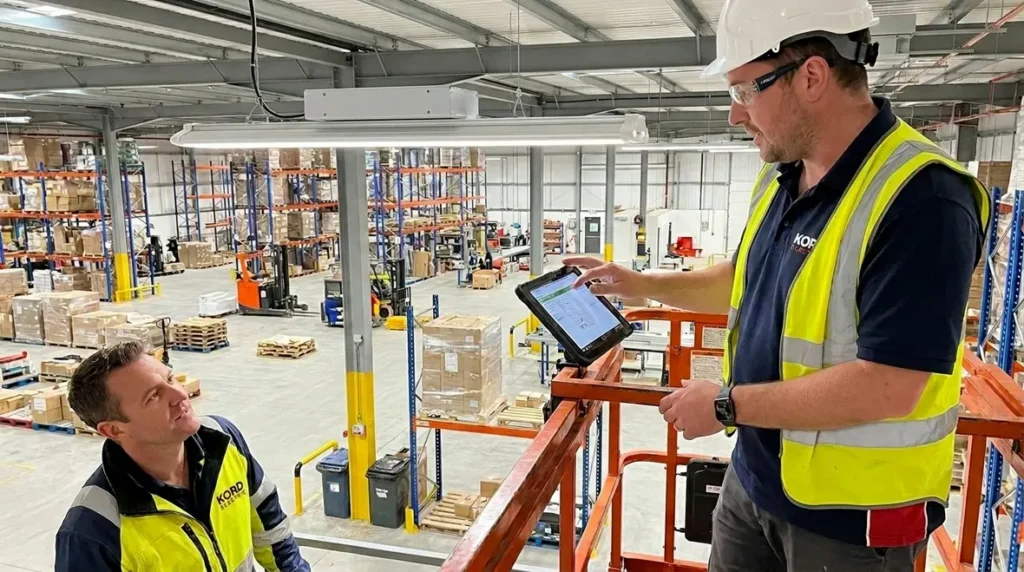
Our expert service staff often adds one more step: we confirm the operating hours in the field. They check control settings, overrides, and whether staff actually follow the schedule. In other words, we validate the paperwork with reality. That is how you avoid a “perfect model” that collapses after installation day.

Step two: Estimate energy savings from controls, sensors, and scheduling
Once you know current cost, you can estimate what changes. Smart lighting upgrades usually include a mix of LED improvements, occupancy sensing, daylight harvesting, and automated scheduling. However, we do not treat every building the same, because commercial and industrial spaces have different usage patterns.
So we build a savings estimate using site behavior. For instance, warehouses may use motion sensors and zoned controls, while office floors often benefit from time schedules plus occupancy and daylight response. Corridors and common areas can use stepped dimming strategies, so the building does not burn full power just because someone walked through ten minutes ago.
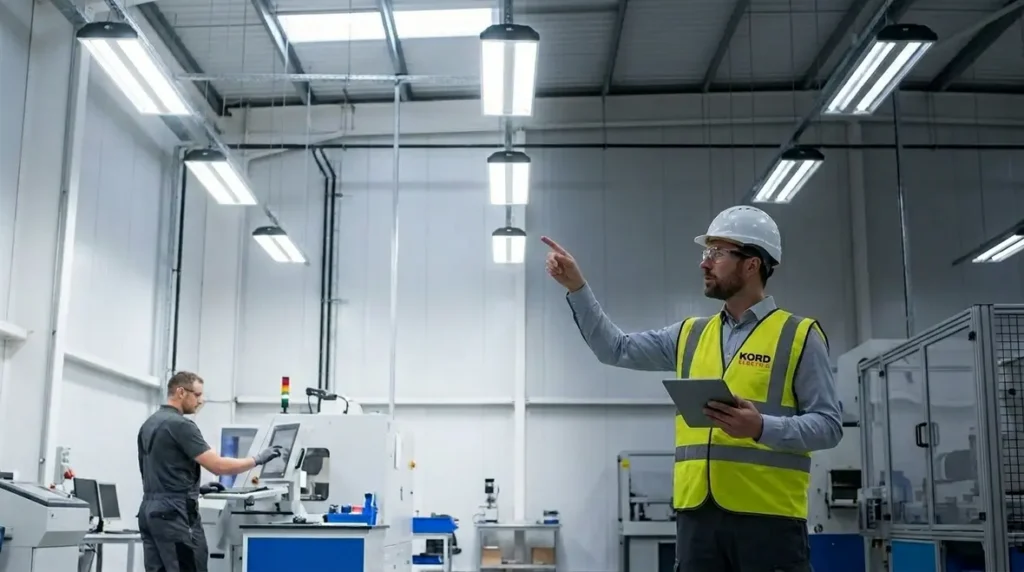
At this stage, our technicians explain the savings logic clearly. They show how dimming percentages and sensor settings impact real power draw. They also point out what can reduce savings, like frequent door traffic that keeps sensors awake, or spaces that stay occupied during off hours for security or production.
Then we convert those behavior changes into annual energy savings. After that, we compare the savings against the cost of the upgrade. That leads us to the next step, which is the part everyone wants: the payback story.
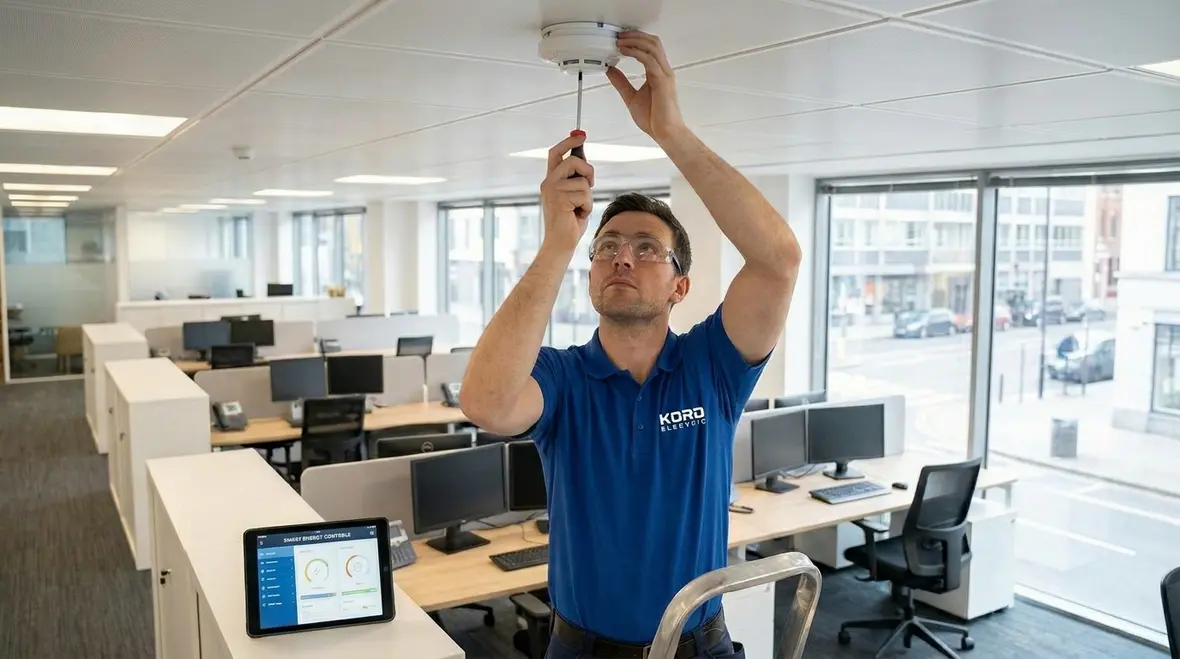
Step three: Calculate ROI and payback with a realistic total project cost
To calculate ROI, we track both benefits and costs over a period of time, often three to five years for facilities that plan capital budgets tightly. We include hardware, installation, commissioning, and any integration work needed for controls.
We also include less glamorous line items, because they affect the final result. That can include electrical modifications, controls configuration, mounting adjustments, and testing. Additionally, if the upgrade ties into a building management system, we treat that integration work as part of the project scope.
Now, here is the typical ROI framework we use with commercial property owners. First, compute total annual savings from reduced energy use, demand improvements when applicable, and any operational reductions like fewer lamp replacements. Second, compute net savings by subtracting annual costs, if any, such as maintenance or software support. Third, divide net savings into total project cost to get ROI. Finally, calculate payback time by dividing project cost by annual net savings.
And yes, we know people love the one number that sounds like a superhero. But we also prefer the honest method. If a building’s schedule changes after installation, the ROI can improve. If staff frequently override settings, ROI can shrink. That is why we train and explain the system during rollout. We do not just install and disappear like a magician with no follow up. We stay and make sure the upgrade performs.
What maintenance and reliability add to long term ROI
Energy savings matter, but reliability keeps ROI alive. When smart controls reduce cycling and keep lighting at sensible levels, systems can wear more slowly. That means fewer service calls and less downtime. For industrial and commercial facilities, downtime rarely stays “minor.” It impacts operations, safety, and productivity.
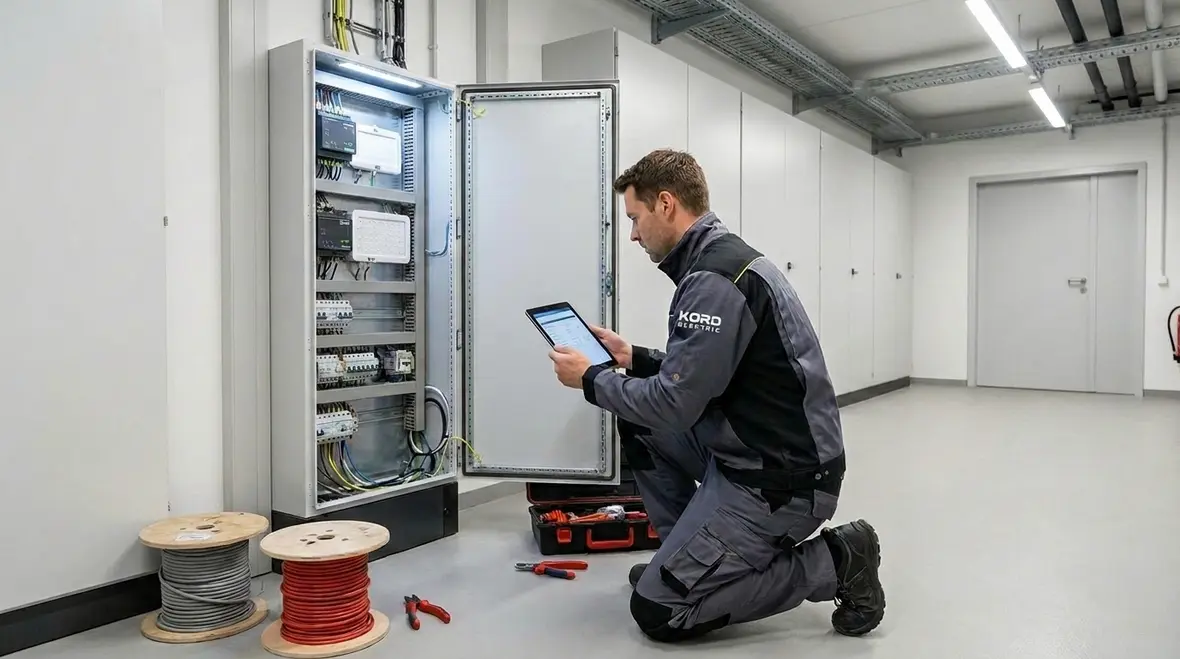
Our service approach supports long-term performance. Our expert service staff helps set schedules and sensor behavior, then checks for wiring stability and proper operation in the actual environment. As a result, the building does not rely on guesswork once the project moves from “startup” to “normal life.”
In fact, many buildings see value beyond energy. If your facility previously used outdated fixtures with inconsistent output, smart systems can stabilize lighting levels. That often supports worker comfort and safety standards. We keep the focus where it belongs: commercial and industrial facilities and major property buildings that need predictable performance, not lighting theater.
For facilities that want lighting upgrades to connect with broader reliability planning, it often helps to pair controls projects with structured electrical care. Kord Electric’s commercial and industrial electrical maintenance plans show how preventive maintenance, clear reporting, and scheduled inspections protect long term performance across major properties.
How to avoid ROI mistakes that nobody admits until it is too late
ROI miscalculations happen for a few common reasons. First, some teams estimate savings without verifying actual usage patterns. Second, they assume uniform occupancy in zones that behave very differently. Third, they ignore overrides and staff behavior. In commercial buildings, overrides are real. People override because they need the lights to work, not because they dislike math. And that is fine. We simply plan for it.
Another mistake involves scope creep. If a project requires additional electrical work, missing those costs delays payback and lowers ROI. Therefore, we review site conditions early and clarify the upgrade path before anyone signs off.
We also avoid the “plug and play” myth. Smart lighting can seem simple on paper, but controls require thoughtful setup. Our technicians explain commissioning steps and verify system response under real conditions. Then, we check that the controls align with the building’s operational schedule.
Finally, we address integration expectations. If you want alerts, reporting, or integration with facility systems, we define those needs up front. That way your ROI does not depend on invisible wiring behind the curtain.
Commercial lighting ROI reporting: track savings after installation
After the install, you want proof, not persuasion. So we recommend ongoing measurement strategies. Some facilities track utility meter changes, while others use submetering for lighting loads. Additionally, many smart systems provide usage reports, run-time data, and control trends by zone.
We help facility teams interpret those reports. Our expert service staff can explain what the data means, which zones improved, which schedules need tweaking, and where occupancy patterns differ from assumptions. Then, we adjust settings when needed. That is how ROI stays on track rather than drifting like a thermostat stuck on “perpetual summer.”
Also, reporting supports maintenance planning. When you know which areas use lights longer or experience frequent overrides, you can plan service and training more effectively. That reduces unexpected costs and supports consistent performance.
If your property portfolio spans multiple buildings, this kind of reporting also feeds into wider risk planning. Cross-referencing lighting performance data with findings from routine electrical inspections helps major facilities spot patterns early and keep commercial smart lighting ROI aligned with broader infrastructure goals.
FAQ
Call Kord Electric for an ROI plan that holds up in the real world
If you manage commercial or industrial space and you want lighting upgrades that justify the investment, call Kord Electric. We work with facility teams and major property buildings to calculate a clear commercial smart lighting ROI plan using real costs and real schedules. Then our technicians and expert service staff install, commission, and tune the system so the savings keep showing up. Reach out today and let us turn lighting from a daily annoyance into a measurable win.
For facilities across the region, smart lighting is only one piece of the reliability puzzle. If your sites also face aging panels, voltage issues, or plans for new production lines, it helps to have a partner that already understands large scale infrastructure. Kord Electric supports complex properties throughout the area with dedicated Los Angeles County electrical services that cover inspections, upgrades, troubleshooting, and long term maintenance.
When you are ready to connect the dots between lighting performance, energy savings, and system longevity, the same team that plans your ROI model can align it with broader maintenance strategies and capital projects. That way, each lighting decision supports the wider electrical roadmap for your facility instead of living as a one-off upgrade.
If you want your next commercial smart lighting project to come with clear numbers, steady performance, and a practical path for future improvements, Kord Electric is ready to help.